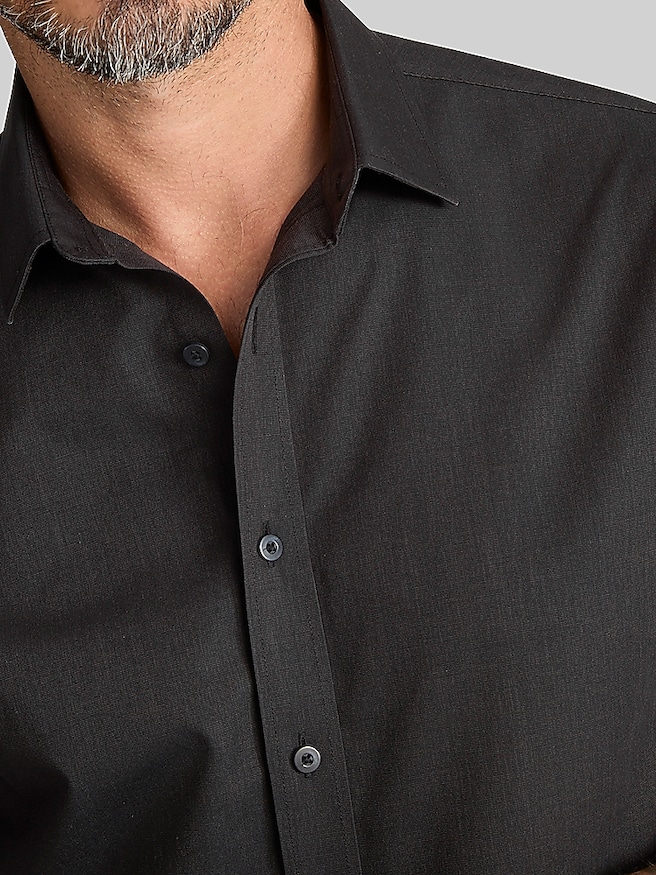
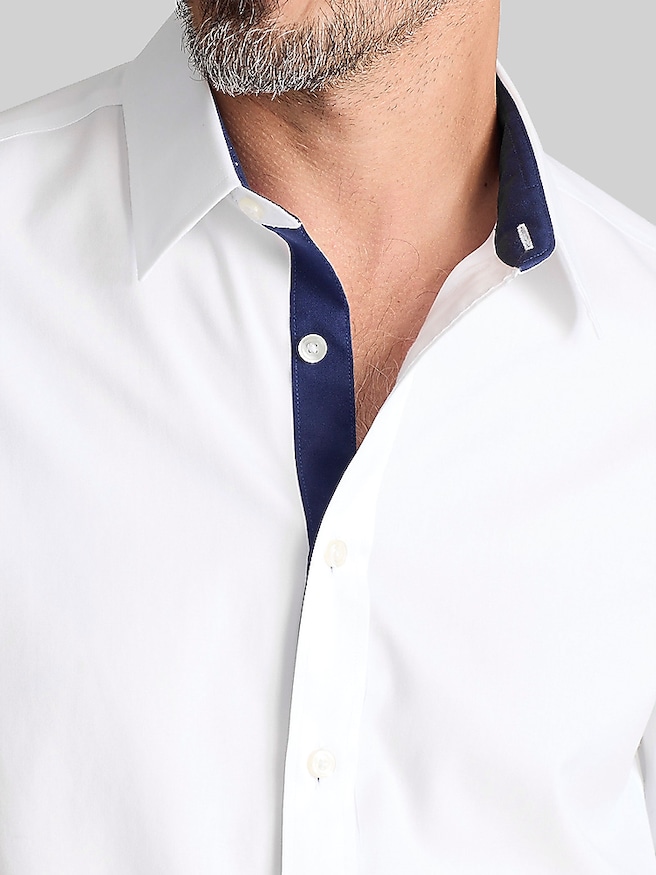
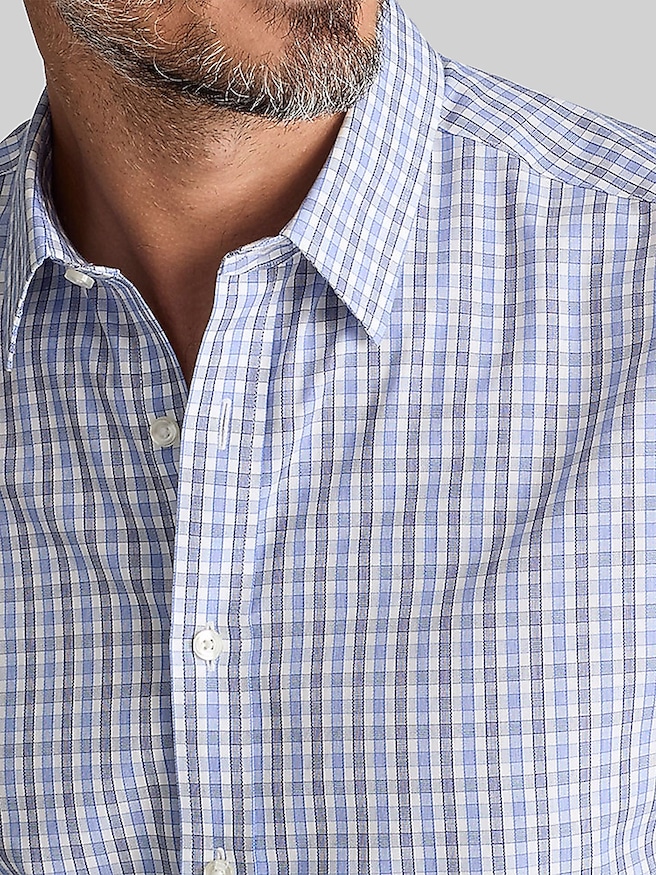
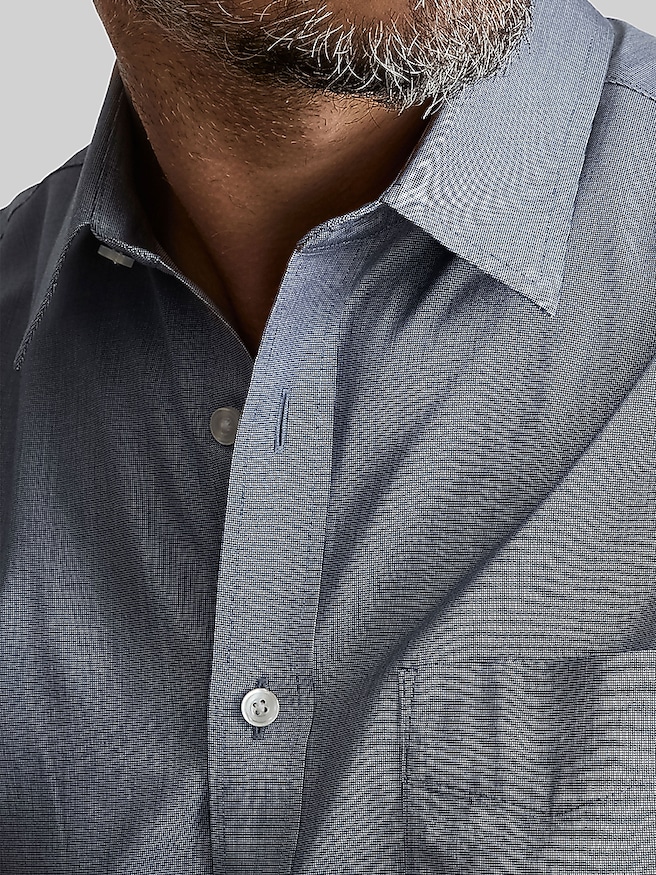
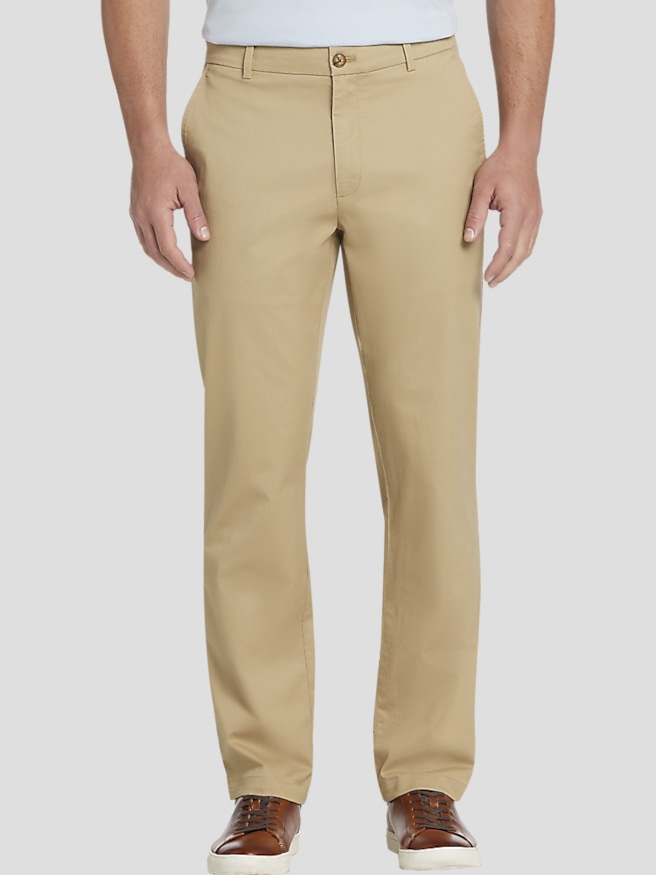
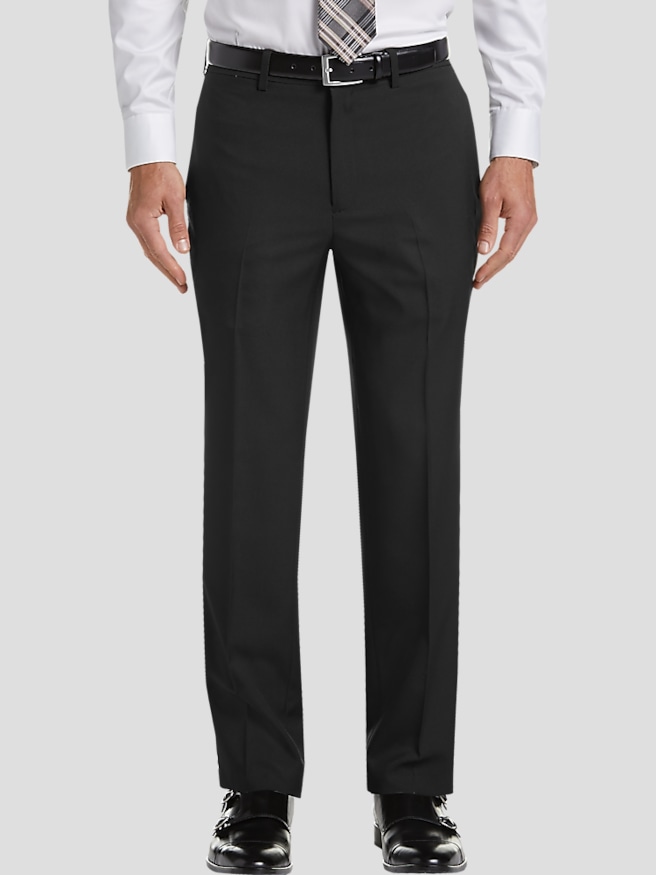
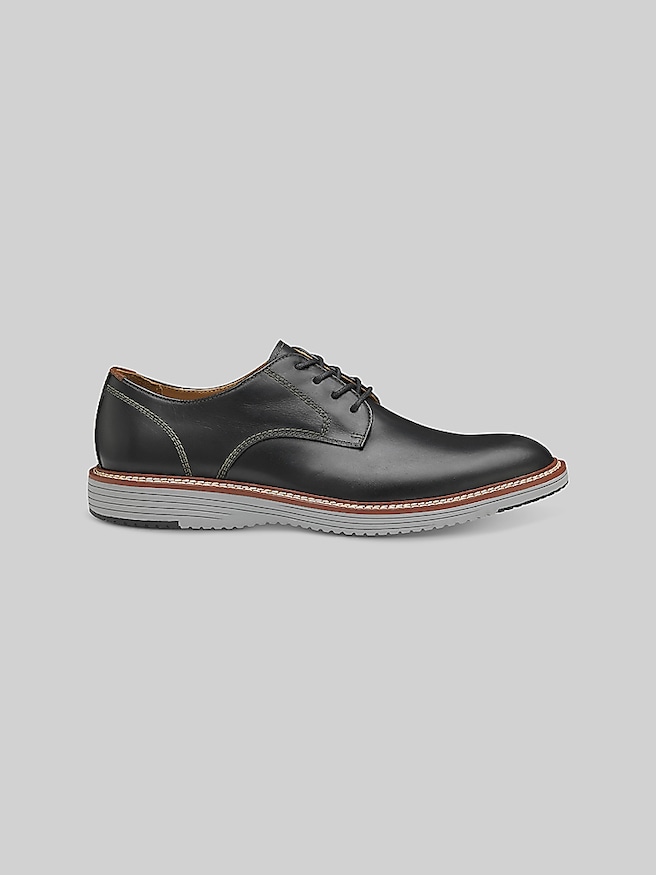
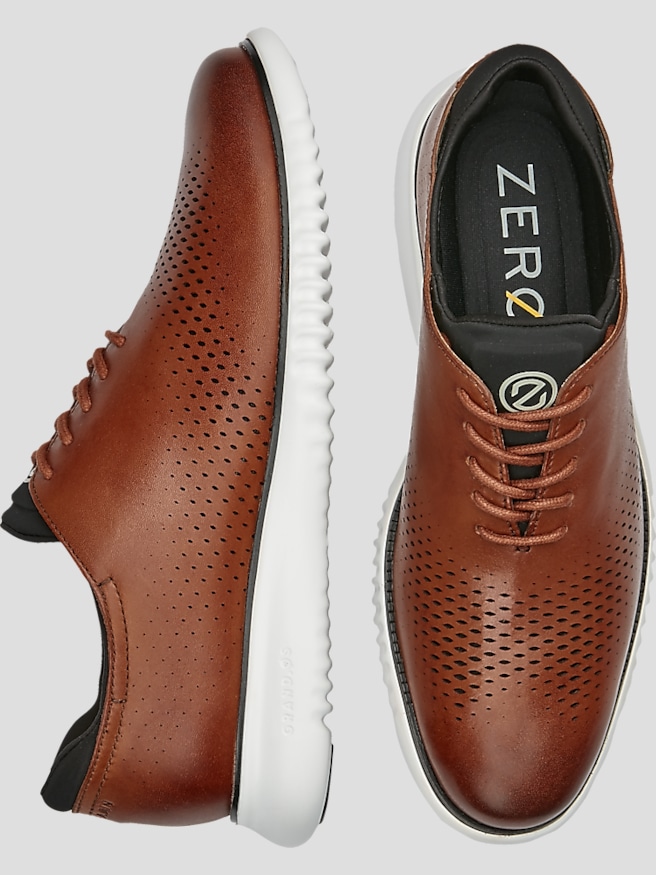
A modern office wardrobe brings together the polish of traditional tailoring and the ease required for contemporary workdays. Whether the office is formal, business casual, or a flexible mix of in-person meetings and remote work, the strongest wardrobe foundations are versatile, comfortable, and easy to coordinate. Look for clean lines, refined fabrics, and a balanced fit that allows movement without appearing loose or untidy. Tailored trousers in neutral shades such as charcoal, navy, black, gray, tan, or earthy brown can anchor several outfits, while a slightly relaxed or wide-leg silhouette offers a current look when paired with a neat shirt and structured jacket. A well-cut blazer adds definition to trousers, chinos, or dark denim and can move easily from a morning presentation to an evening gathering. For a more modern profile, consider subtle structure through the shoulders, a natural drape through the body, and enough room to layer during the cooler months. Crisp button-down shirts remain essential, especially in white, pale blue, soft gray, and understated patterns, while fine-knit polos, lightweight sweaters, and polished knit shells offer comfortable alternatives when a full dress shirt feels too formal. Minimalist shirt-dresses, refined sheath silhouettes, and versatile midi skirts can serve a similar purpose in wardrobes that call for feminine styling, particularly when balanced with a tailored jacket and streamlined footwear. The best choices are not limited to one dress code; they can be dressed up for interviews, client appointments, presentations, ceremonies, or office celebrations and worn more casually for ordinary workdays. Building around complementary neutrals makes getting dressed simpler, while one or two restrained colors, subtle checks, textured fabrics, or seasonal earth tones bring personality without overwhelming a professional setting. Explore Outfits For Office Work for additional ways to combine polished separates into work-ready looks.
Comfort deserves as much attention as appearance, especially when an outfit needs to carry someone through a full day of commuting, desk work, standing meetings, and after-hours plans. Choose trousers with a smooth waistband, dependable construction, and fabric that resists wrinkling while still allowing natural movement. Stretch blends can be helpful for long days, but the garment should retain a tailored appearance rather than looking overly casual. When considering a blazer, pay attention to sleeve length, shoulder placement, and the way it closes across the chest; a jacket should sit cleanly without pulling, while the sleeves should leave just enough shirt cuff visible. Shirts should follow the shape of the body without clinging, with collars that remain neat beneath a jacket or sweater. Fine knits and breathable cotton are useful for temperature changes, particularly when moving between a cool commute, a heated office, and outdoor air during the cooler months. Footwear completes the impression. Sleek loafers, clean leather flats, understated dress shoes, and low block heels can provide a polished finish without sacrificing practicality, while supportive construction becomes especially valuable for professionals who spend much of the day on their feet. Match the level of formality across the outfit: a structured jacket benefits from refined shoes, while softer tailoring can pair with more relaxed footwear. Accessories should add function and finish rather than compete for attention. A quality belt, an organized work bag, a restrained watch, or a neatly folded pocket square can make an outfit feel considered. Ties remain useful for formal offices, interviews, important presentations, and events where traditional business attire is expected, and they also make thoughtful gifts for graduates, new hires, fathers, partners, or anyone preparing for a new role. Dress shirts, belts, socks, and other practical wardrobe accessories can be equally useful gifts because they fit naturally into an existing closet and support a range of professional settings.
A modern office wardrobe should work across changing schedules and shifting temperatures, making layering one of the most useful strategies for the stretch from early fall through early winter. A lightweight shirt under a fine sweater can feel comfortable during a mild morning, while a tailored blazer or additional outer layer adds warmth and authority when the air turns crisp. Neutral trousers and coordinated jackets make it easy to create several combinations without packing an overfilled closet, and darker, richer tones can add seasonal depth while remaining appropriate for everyday work. Consider how each item will function with the rest of the wardrobe before choosing it: a navy jacket may work with gray trousers, tan chinos, dark denim, and several shirt colors, while charcoal trousers can support both formal and business-casual combinations. Care is also part of a smart purchase. Look for fabrics and finishes suited to the expected routine, check cleaning instructions, and select pieces that can be maintained without excessive effort. A reliable office wardrobe does not need to be large; it needs enough variety to provide fresh combinations and enough consistency to make those combinations easy to wear. Professionals starting a new position may appreciate a coordinated foundation of tailored separates, polished shirts, and dependable footwear, while experienced office dressers may be looking for updated proportions, a new color, or a more comfortable interpretation of familiar staples. These selections can also be useful for college graduates entering their first workplace, someone preparing for interviews, or a gift recipient building confidence in a new career chapter. From a sharp presentation to a routine day spent moving between meetings, the right combination of structure, comfort, and personal style helps clothing keep pace with modern work.