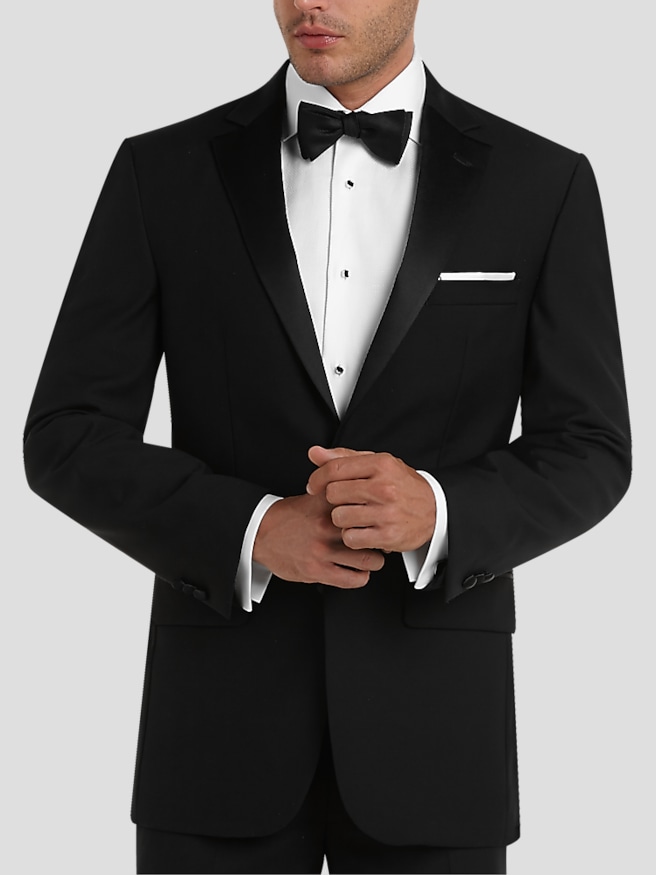
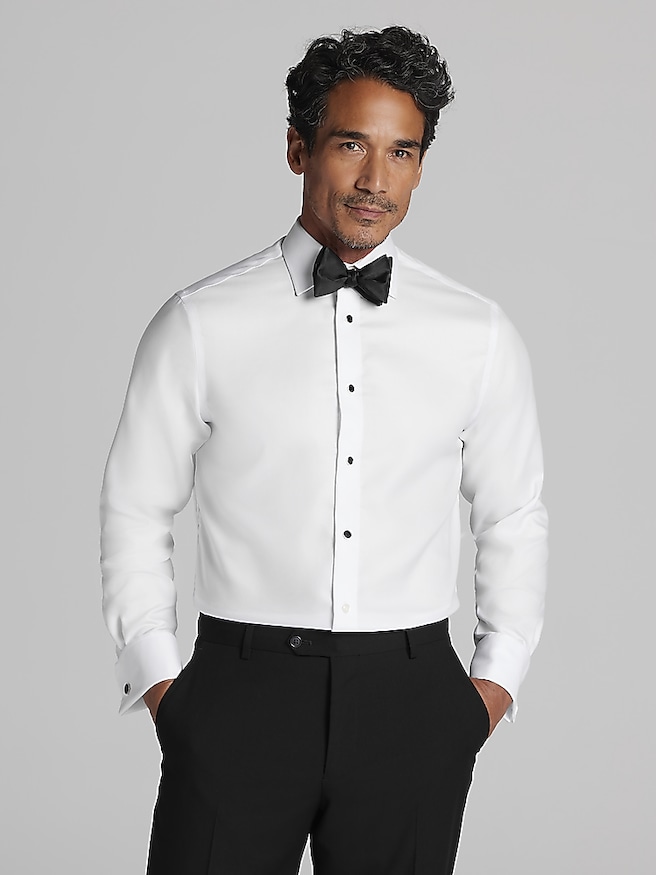
Formal wear for office settings centers on tailored suits, structured jackets, dress shirts, and polished footwear that create a professional appearance without the ceremony of evening attire. In workplaces with a business formal dress code, a matching jacket and dress pants in navy or charcoal, a neatly pressed shirt, and a restrained tie form a dependable foundation. The effect is composed rather than elaborate: clean shoulders, smooth lines through the torso, and trousers that fall neatly over dress shoes. These details matter in client meetings, interviews, presentations, and everyday roles where appearance helps establish credibility before a conversation begins. Navy and gray are especially versatile because they coordinate easily with white and light blue shirts, dark leather shoes, and ties in burgundy, deep green, or subtle patterns. Black can also suit a formal workplace, though navy and charcoal often transition more naturally between routine office hours and business dinners. Fine pinstripes, understated checks, and textured solids add variety while preserving the quiet character expected in conservative settings. A blazer paired with contrasting dress pants creates a slightly less formal expression and fits offices where matching suits are not the daily standard. For settings that require a full suit, however, coordinated separates do not necessarily carry the same level of formality. The broader range of Formal Clothing spans occasions beyond the workplace, while office attire generally favors matte fabrics, practical layers, and details that remain comfortable through a full workday. Satin lapels, conspicuous shine, and other evening-focused features are usually outside that everyday business vocabulary. For someone starting a client-facing position, returning to an office, or building a wardrobe around greater professional responsibility, the most useful clothing supports repeated combinations rather than a single memorable appearance. A consistent palette makes it easier to move from a morning presentation to an afternoon appointment with an outfit that still feels appropriate, balanced, and intentional.
Fabric and construction shape how formal office clothing feels after several hours, not just how it looks on a hanger. Wool suiting is valued for its drape, breathability, and natural resilience, qualities that help a jacket and trousers maintain a composed appearance through sitting, standing, and walking between appointments. Fabric weight and weave also matter: a lighter, more open weave can feel comfortable in a warm building, while a slightly heavier cloth offers substance during the cooler months. Wool blends may combine a tailored appearance with added strength or stretch, depending on their composition. A small amount of stretch can make reaching across a conference table or settling into a desk chair more comfortable, but it cannot compensate for clothing that is too tight. Cotton dress shirts offer a familiar, breathable feel, with smooth poplin creating a crisp surface and twill bringing subtle texture and an often softer drape. Wrinkle-resistant finishes can simplify upkeep, although the care label remains the best reference for washing and pressing. Fit brings these materials together. A jacket should follow the shoulder line without extending noticeably beyond it, and the lapels should lie flat rather than bow away from the chest. When buttoned while standing, the front should close comfortably without pronounced pulling around the button. Sleeves that reveal a modest edge of shirt cuff give the outfit a deliberate finish without exposing too much wrist. Dress pants need enough room through the seat and thighs for a seated conversation or a long commute, with a waistband that stays comfortable rather than digging in. A slight break at the shoe creates a traditional appearance, while a cleaner hem with little break feels sharper without becoming casual. Neither a slim nor a classic silhouette is automatically more professional; proportion and ease of movement determine the result. Alterations to sleeve length, trouser hems, or the waist can refine that balance, though a sound fit through the shoulders is an important starting point.
The finishing pieces in an office wardrobe work best when they support the tailoring rather than compete with it. A shirt collar that sits neatly beneath the jacket, a tie knot scaled to that collar, and socks long enough to cover the lower leg while seated contribute to a continuous, polished line. Small tie patterns and subdued textures provide interest at conversational distance without drawing attention across a meeting room. Leather lace-up shoes are a conventional choice for business formal attire, while streamlined loafers may fit workplaces with a more flexible interpretation of professional dress. Black shoes give charcoal suiting a particularly crisp finish; dark brown often complements navy and many gray fabrics. A belt in a similar leather tone keeps the combination cohesive without requiring every accessory to match exactly. During the cooler months, an overcoat with sufficient room through the shoulders protects the outfit without compressing the jacket underneath. Inside, breathable layers help bridge the contrast between a brisk commute and a heated office. Durability depends partly on these daily habits and partly on care between wears. Rotating suits allows fabric time to recover, and broad, shaped hangers help preserve a jacket’s shoulders. Trousers stored along their crease are less likely to need repeated pressing, while prompt attention to spots can prevent a small spill from becoming a lasting mark. Dry cleaning should follow the garment’s care instructions and actual cleaning needs rather than an automatic schedule after every wear. Shirts benefit from collar and cuff care, appropriate wash temperatures, and pressing suited to the fabric. Dress shoes hold their shape better with properly fitted shoe trees and regular care appropriate to the leather. For business travel, careful packing and time on a hanger after arrival can reduce unnecessary creasing. These practical qualities also make office accessories thoughtful gifts for a graduation, a new role, or a professional milestone, especially when the recipient’s preferred colors and workplace expectations are known. Across daily routines and important appointments, well-chosen formal office wear offers a steady combination of comfort, structure, and understated confidence.