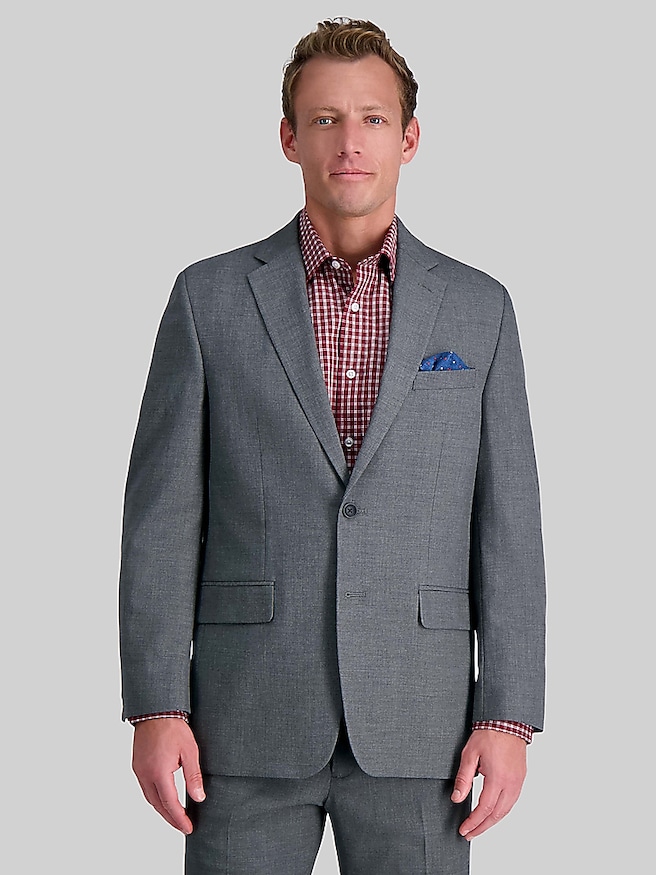
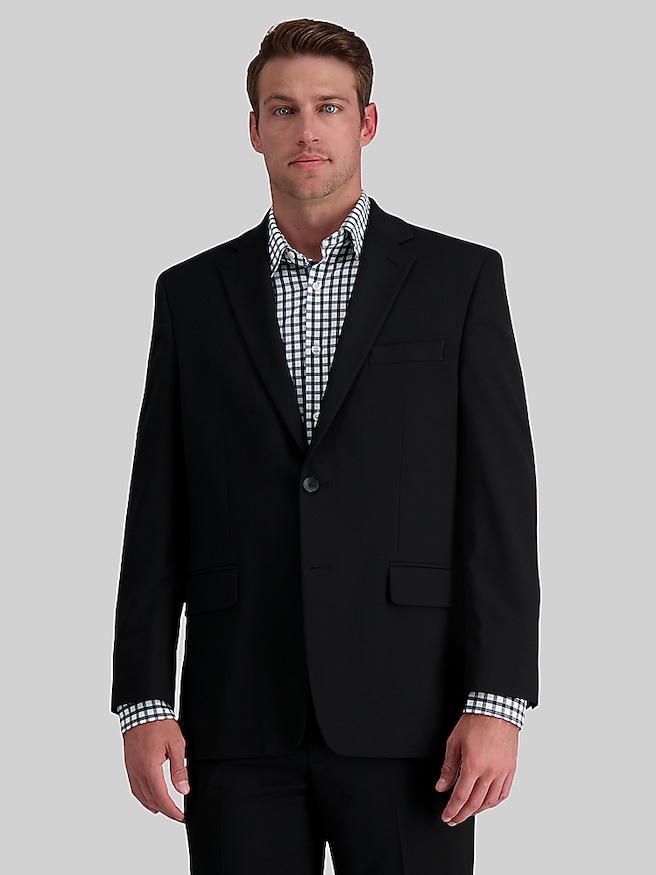
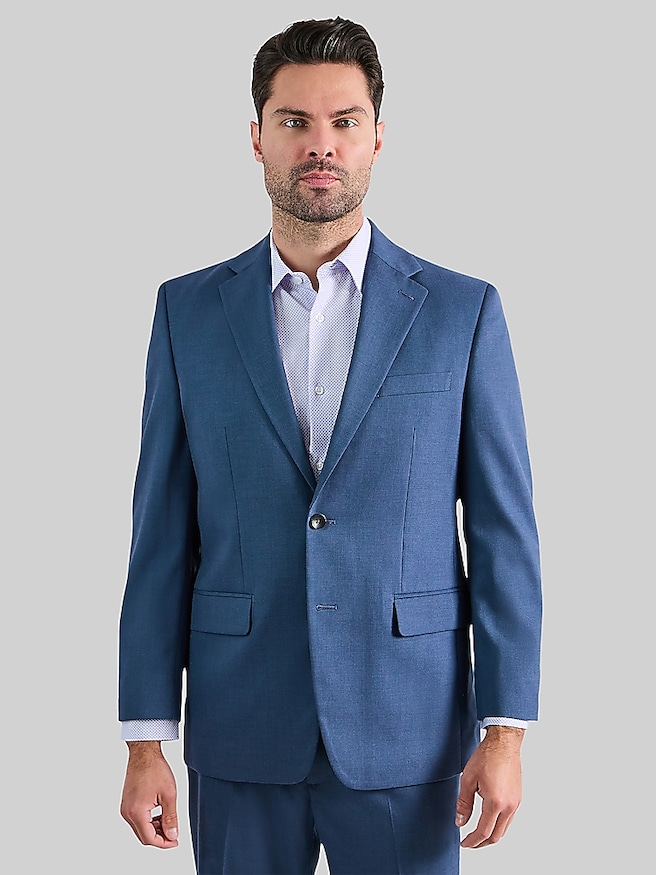
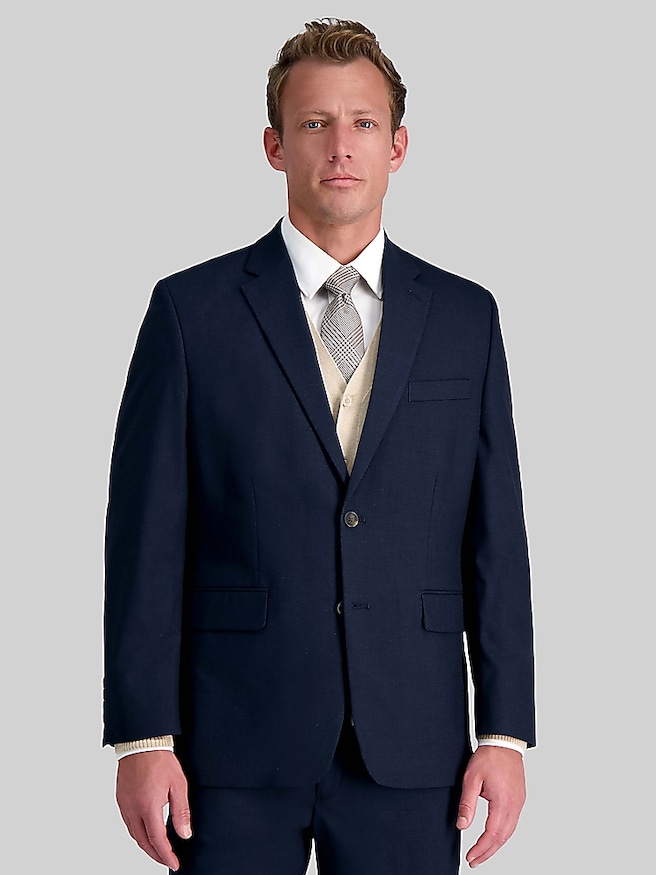
Semi-formal attire for the office occupies the comfortable middle ground between everyday business casual and a fully matched suit. It brings a little more structure, polish, and intention to the workday while leaving room for personal style and practical comfort. A crisp long-sleeve collared shirt, pressed dress trousers, and a well-fitted blazer create a reliable foundation for offices with elevated dress codes, client meetings, presentations, interviews, and professional gatherings. In settings where a full suit feels too formal, a sport coat worn with coordinating trousers can deliver the same thoughtful impression without looking overly corporate. A tie is optional in many workplaces, but adding one in a subtle pattern or refined solid color can sharpen the look when the occasion calls for extra formality. For a broader selection of coordinated pieces and outfit-building ideas, explore Semi-Formal Clothes. Color plays an important role in making semi-formal office clothing feel versatile. Charcoal, navy, black, gray, tan, and other soft neutral shades transition easily from the office to an evening engagement, while deeper tones such as burgundy, forest green, or muted blue can add dimension during the cooler months. Subtle checks, fine stripes, and textured weaves bring visual interest without competing with the professional setting. When selecting a new piece, consider how it will work with the clothing already in the closet. A jacket that pairs with several trousers, or a dress shirt that works with both tailored separates and a suit, often becomes the item reached for on busy mornings when there is no time to rethink the entire wardrobe.
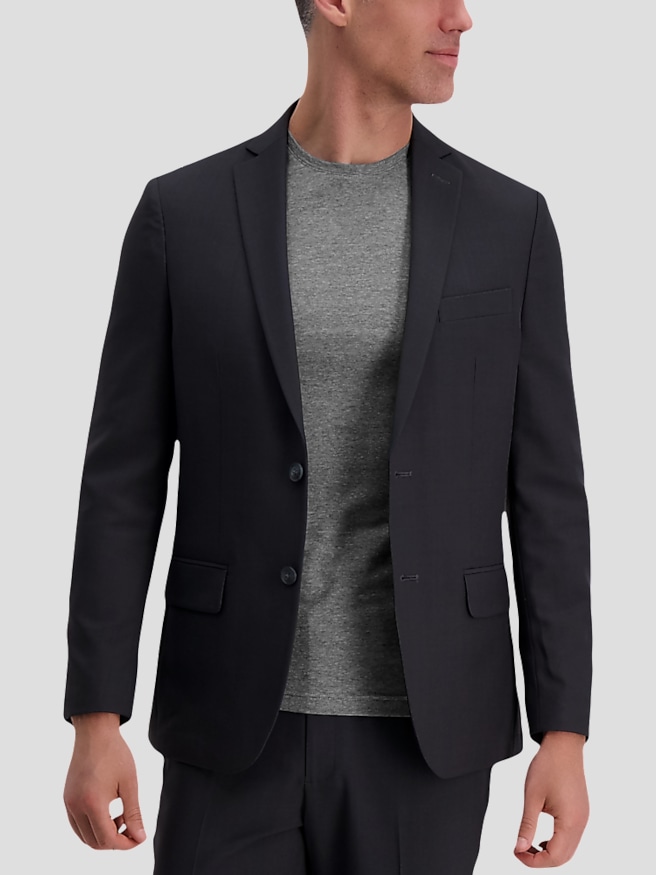
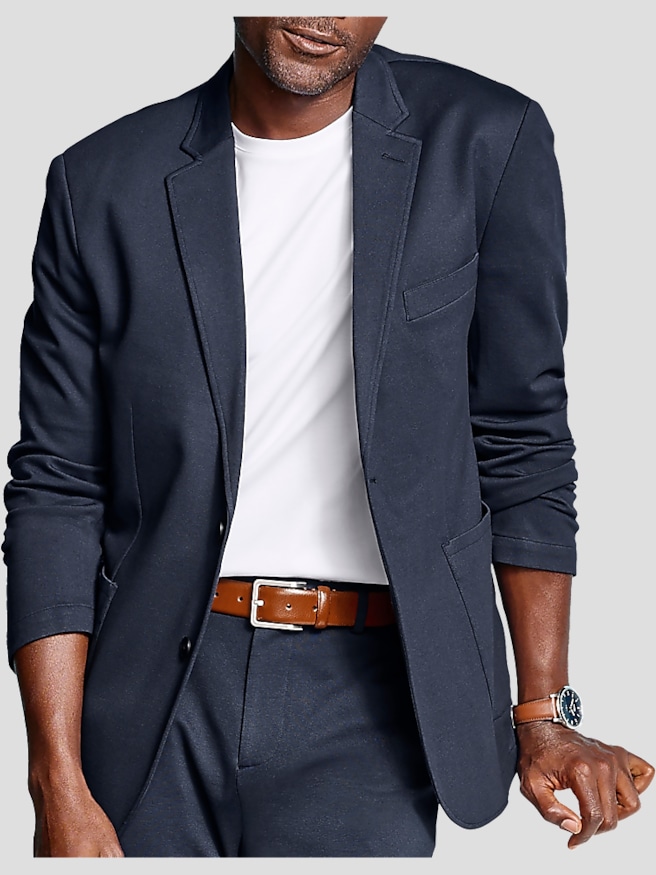
Fit is the detail that makes semi-formal office attire look deliberate rather than simply dressed up. A shirt should lie smoothly across the shoulders, with enough room to move comfortably when reaching for a file, walking between meetings, or settling in for a long commute. Trouser hems should fall cleanly over the shoes without excessive bunching, and the waistband should sit comfortably without pulling or needing constant adjustment. A blazer or sport coat looks most polished when the shoulder seams align naturally and the sleeves reveal a small amount of shirt cuff. Tailoring can refine an otherwise good fit, particularly through the trouser hem, jacket sleeves, or waist, and it is often the difference between clothing that hangs in the closet and clothing that becomes part of a dependable work routine. Fabric deserves equal consideration. Breathable cotton blends and lightweight woven materials are useful for busy office days and changing indoor temperatures, while wool and wool-blend options provide warmth and a softly structured drape during the cooler months. Layering makes semi-formal dressing especially practical across the season: a collared shirt beneath a blazer creates a polished silhouette, while a fine-gauge sweater or refined cardigan can add warmth when a coat is not quite necessary. Look for pieces that resist wrinkling, maintain their shape, and feel comfortable through several hours of sitting, standing, and travel. A garment that looks sharp at the beginning of the day but feels restrictive by afternoon is less useful than one that combines clean tailoring with natural ease.
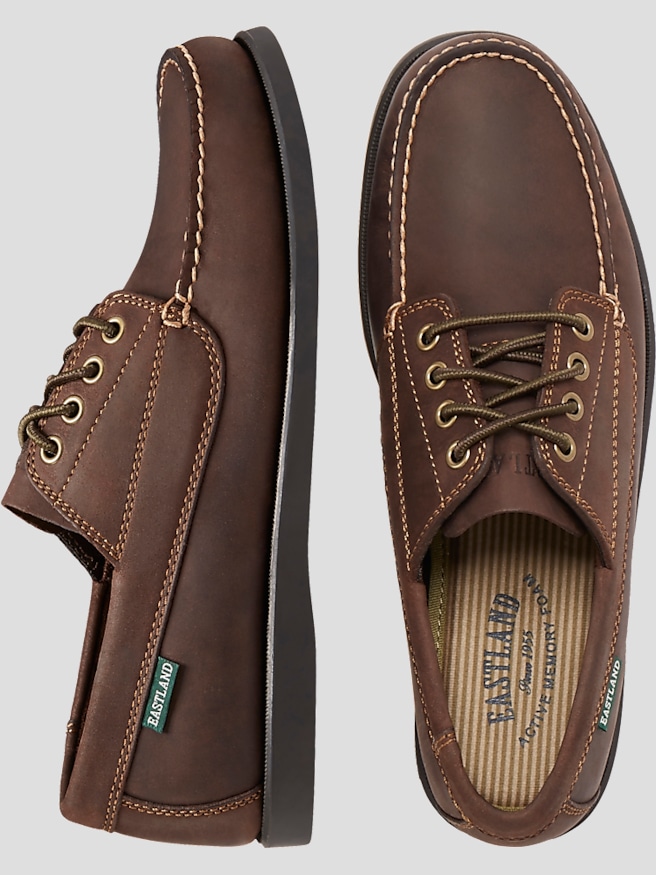
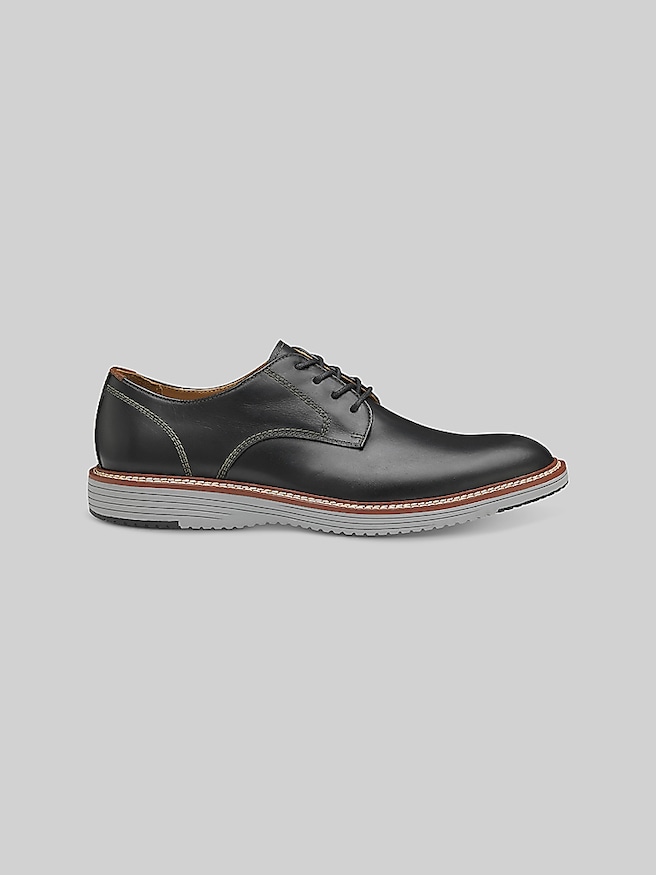
Finishing details help define the level of formality without making an office outfit feel overworked. Leather oxfords, monk straps, loafers, and other polished dress shoes complement tailored trousers and can be worn with or without a tie depending on the workplace. Clean, well-maintained footwear is essential; even a carefully pressed outfit can lose its refinement when shoes appear scuffed or excessively worn. Matching or coordinating the belt with the shoes creates a quiet sense of balance, while a restrained watch, pocket square, or understated tie can add personality in a professional way. For workplaces that allow a slightly more relaxed interpretation, polished loafers with a tailored trouser and open-collar shirt can feel modern while remaining appropriate for meetings. For a more formal presentation, pair a structured jacket with a solid dress shirt, pressed trousers, and classic lace-up shoes. These clothing selections can also make thoughtful gifts for a graduate beginning a first office role, a professional building a wardrobe after a promotion, or someone preparing for interviews and networking events. Gift shoppers should focus on adaptable colors, dependable sizing, and pieces that can be worn together or separately. During the transition from milder days to colder weather, versatile layers are particularly valuable: a jacket can be worn indoors over a shirt, then covered with a proper outer layer for the commute. With the right combination of fit, fabric, color, and finishing details, semi-formal office attire can carry a person from a quiet morning at a desk to a presentation, dinner, or professional event with confidence and ease.