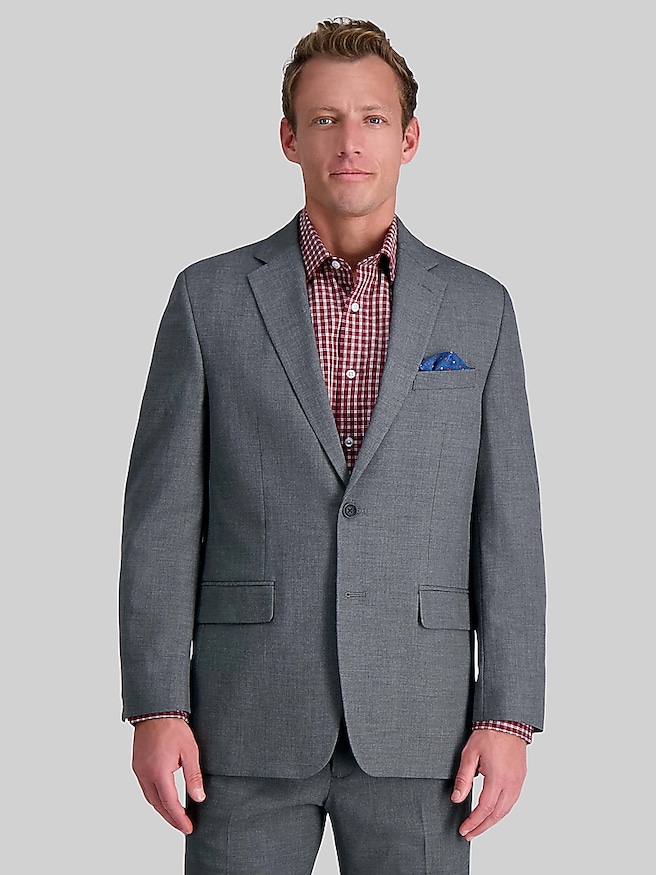
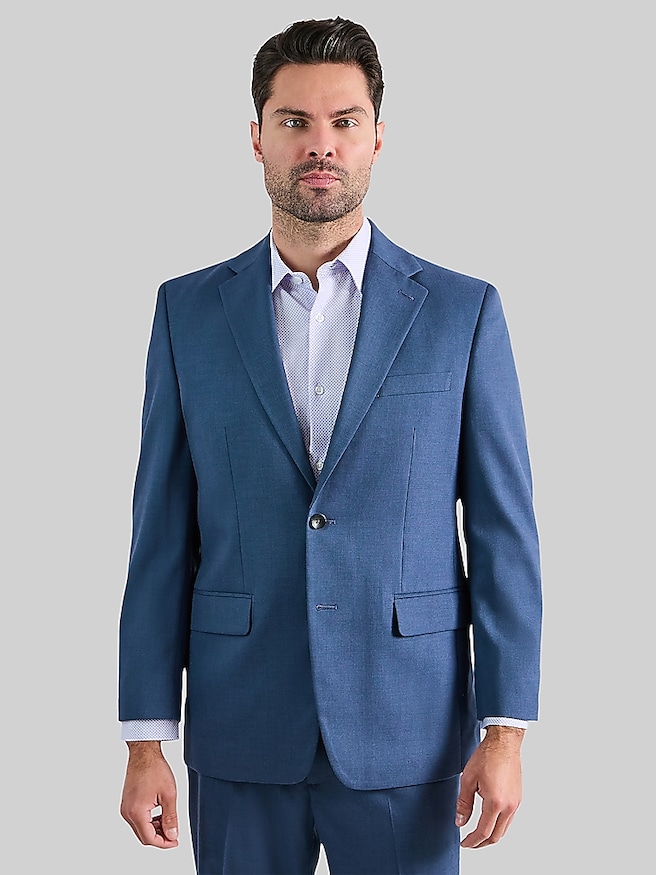
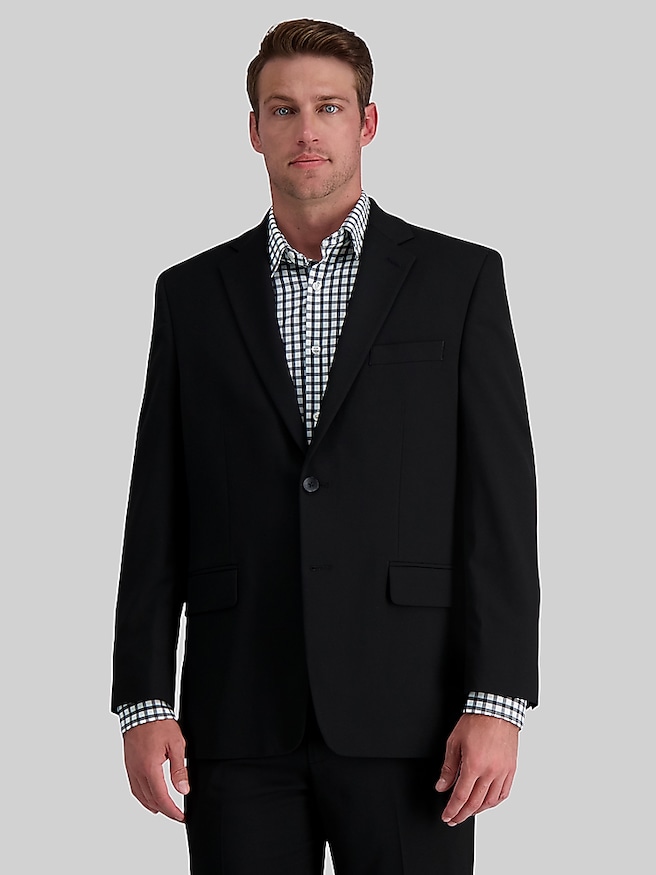
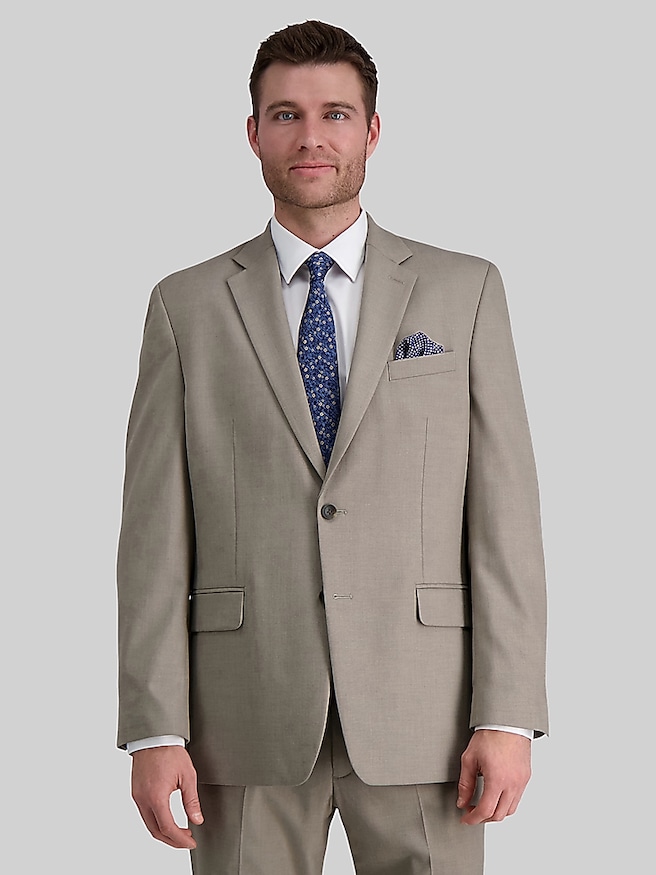
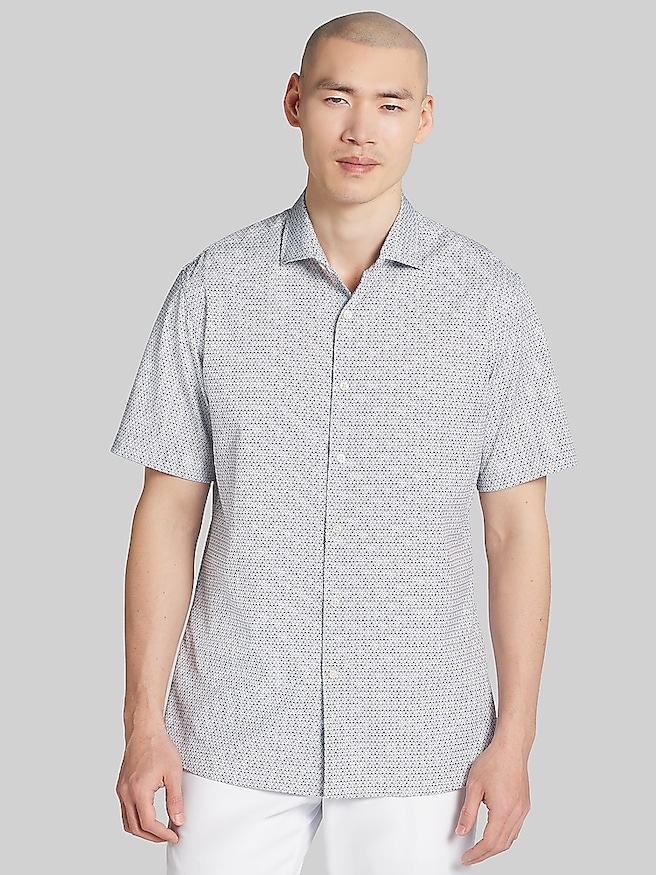
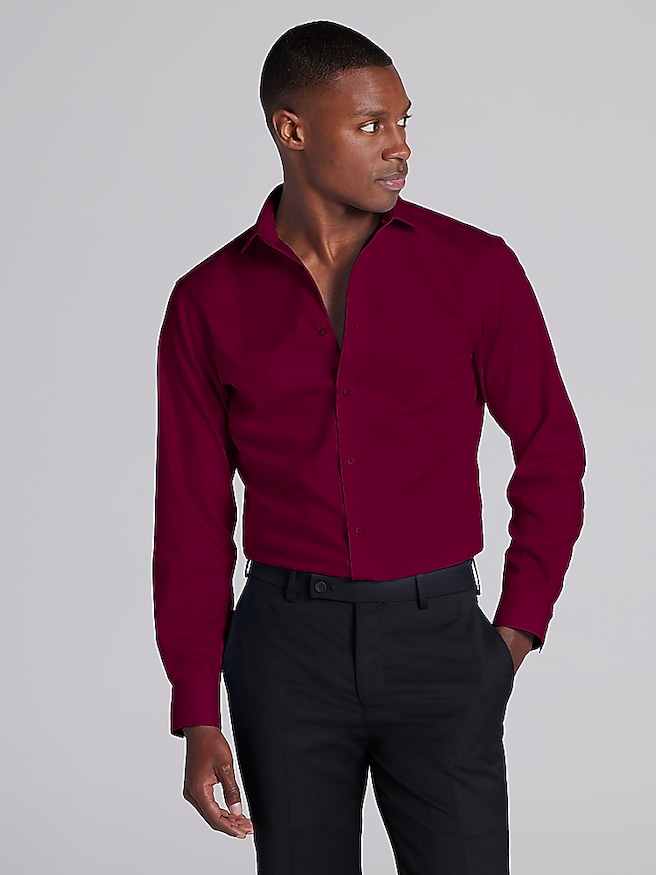
Modern man style combines clean tailoring, comfortable proportions, and versatile clothing that looks considered without feeling overworked. It draws from the structure of traditional menswear while leaving room for softer fabrics, less formal combinations, and individual preferences. A well-shaped jacket, neatly finished trousers, and a shirt with a balanced collar can create a polished impression without relying on bold patterns or elaborate details. The appeal is practical: clothing that makes sense for a presentation, a dinner reservation, or a gathering where the dress code falls somewhere between casual and formal. Navy, charcoal, gray, and earthy neutrals provide a useful foundation because they work together easily, while texture brings depth to combinations built around similar colors. A subtly textured jacket over a smooth knit, for example, has visual interest even when the palette stays restrained. Modern does not have to mean close-fitting from shoulder to ankle. The most successful proportions allow the fabric to fall cleanly, with enough room to sit, reach, and walk comfortably. Jacket shoulders should follow the natural shoulder line without collapsing or extending noticeably beyond it; sleeves and trouser hems help determine whether the overall silhouette feels intentional. A slightly tapered leg can look streamlined, while a straighter cut offers another clean option for someone who prefers more room. Fit names vary, making actual measurements and the way a garment moves more useful than a label alone. Clothing worn through a full workday needs to feel good at a desk as well as look sharp standing up. Shirts that pull across the chest, collars that feel restrictive, and trousers that strain when seated can interrupt an otherwise polished outfit. Thoughtful tailoring can refine sleeve length, waist shape, and hems, but the underlying cut should already suit the wearer. That combination of ease and precision gives contemporary menswear its lasting appeal, whether the finished look leans toward business attire, dressed-up casual clothing, or something comfortably between the two. It also leaves space for personal details, such as an open collar or a distinctive pair of frames, without making the outfit feel crowded.
Fabric plays an equally important role in how modern clothing looks, feels, and holds its shape. Wool is valued in tailored clothing for its drape and natural resilience, helping a jacket or pair of trousers retain a composed appearance through regular wear. Depending on the weave and construction, it can feel smooth and refined or have a more noticeable surface texture. Cotton offers a familiar hand and works across shirts, chinos, and less structured tailoring, though its tendency to crease varies with the fabric weight and finish. Linen brings distinctive texture and a naturally relaxed appearance; its creasing is part of its character rather than a sign of poor quality. Blended fabrics can combine qualities from several fibers, while a small amount of stretch may make movement easier in fitted garments. Stretch content alone, however, does not determine comfort. Cut, fabric recovery, lining, and construction all influence how clothing feels after hours of wear. Technical fabrics may offer features such as moisture management or wrinkle resistance, but those benefits depend on the garment and should be evaluated through its stated details. Durability also comes from less visible elements: secure stitching at stress points, neatly finished seams, firmly attached buttons, and pocket openings that lie flat rather than pulling away from the body. A softly constructed jacket may feel more relaxed, while additional internal structure can create a more defined chest and shoulder. Neither approach is automatically better; each serves a distinct look and level of formality. Care requirements matter, especially for clothing expected to earn frequent use. The care label remains the best reference for washing, drying, pressing, or professional cleaning. Appropriate hangers help support tailored shoulders, and knitwear generally benefits from folded storage that avoids stretching. Prompt attention to marks, occasional brushing where suitable, and time between wears can help preserve appearance. Good care protects more than color: it helps maintain the drape, surface, and shape that make a garment feel polished in the first place.
The usefulness of a modern wardrobe becomes clear in everyday situations. An office with a relaxed dress code may call for tailored trousers and a knit polo, while a client meeting can warrant a jacket and a more structured shirt. An evening celebration may suit a coordinated outfit with a crisp collar and understated accessories, without requiring the same level of formality as a black-tie invitation. For occasions that call for a sharper finish, Modern Dress Clothes For Men reflect the same emphasis on clean lines, balanced proportions, and purposeful details. Dress codes still set the boundaries; contemporary styling works best when it respects the occasion rather than treating every setting as interchangeable. Within those boundaries, small choices make clothing feel personal. A shirt collar that sits neatly beneath jacket lapels, trousers with an intentional break, and shoes with a shape that complements the leg opening can bring the whole outfit into focus. Accessories work most naturally when they support that balance. A textured tie can add interest to a smooth shirt, while a simple belt can provide a quiet finish without competing for attention. For someone building a professional wardrobe, versatile colors and compatible fabric textures make it easier to create several combinations from a focused selection. For someone whose routine is mostly casual, a few tailored elements can bring definition without requiring a complete change in personal style. Clothing and accessories can also make thoughtful gifts for a graduate, a partner marking a career milestone, or a family member who enjoys dressing well. Familiarity with the recipient’s measurements, preferred fit, care habits, and usual dress codes makes a gift more likely to become part of daily life. Ultimately, modern man style is less about following every new silhouette than finding clothing that supports the way someone lives. The result is a wardrobe with enough polish for important moments and enough comfort and character to feel natural through the rest of the day.