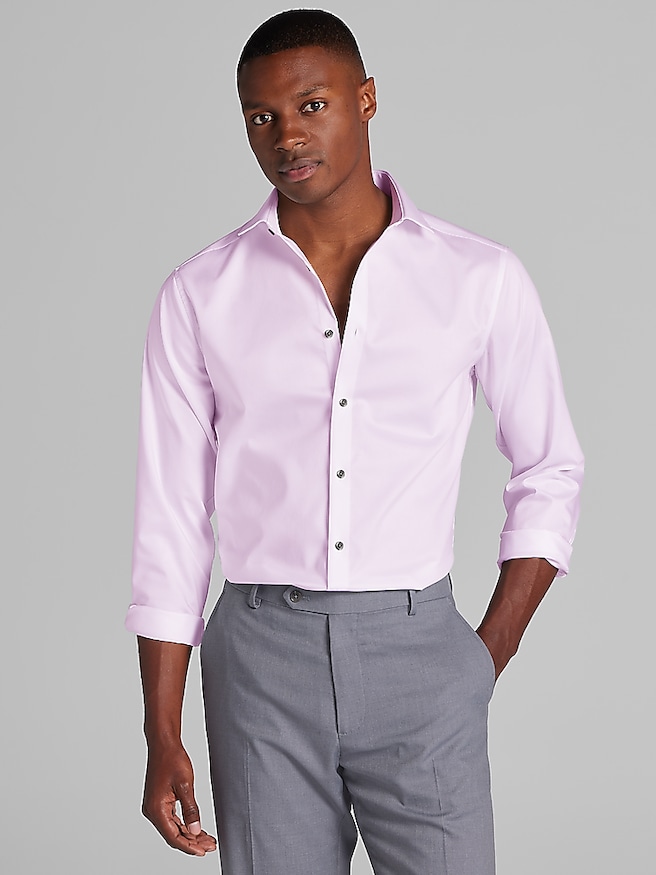
Men's XLT clothing typically means extra-large tall: clothing designed for an extra-large build with added length through the body and, on long-sleeve styles, the sleeves. It addresses a familiar fit problem for taller men whose shirts fit across the chest but stop short at the wrists or come untucked when reaching overhead. Compared with standard XL sizing, XLT generally provides taller proportions without requiring a move to a larger chest size simply to gain length. The exact measurements vary by garment and sizing system, so XLT is not tied to one universal height, weight, or body shape. A long torso, longer arms, and shoulder width can matter as much as overall height. For someone who needs extra-large proportions without additional body or sleeve length, Men's XL Clothing provides a useful point of comparison. Tall sizing and a roomy fit are separate considerations; an XLT label does not automatically mean slim, relaxed, or oversized. The cut still determines how closely a garment follows the chest, waist, and arms. On a shirt with conventional shoulder seams, those seams should sit near the shoulder edges rather than droop far down the upper arms. The chest should allow comfortable movement without pulling across buttons, while the body should have enough length for its intended use. A tucked shirt needs sufficient fabric to stay secure when sitting or bending, whereas an untucked style should look deliberate rather than hang excessively low. Sleeve length matters in motion, too: cuffs that reach the wrist while standing should not retreat far up the forearm when reaching toward a keyboard or steering wheel. Chest, waist, and sleeve measurements provide a more reliable starting point than height alone. For pants and tailored clothing, waist, inseam, jacket length, and other stated measurements remain important; an XLT designation on a top does not establish the right trouser size or suit proportions. These distinctions help separate genuinely useful extra length from excess fabric in places that do not need it.
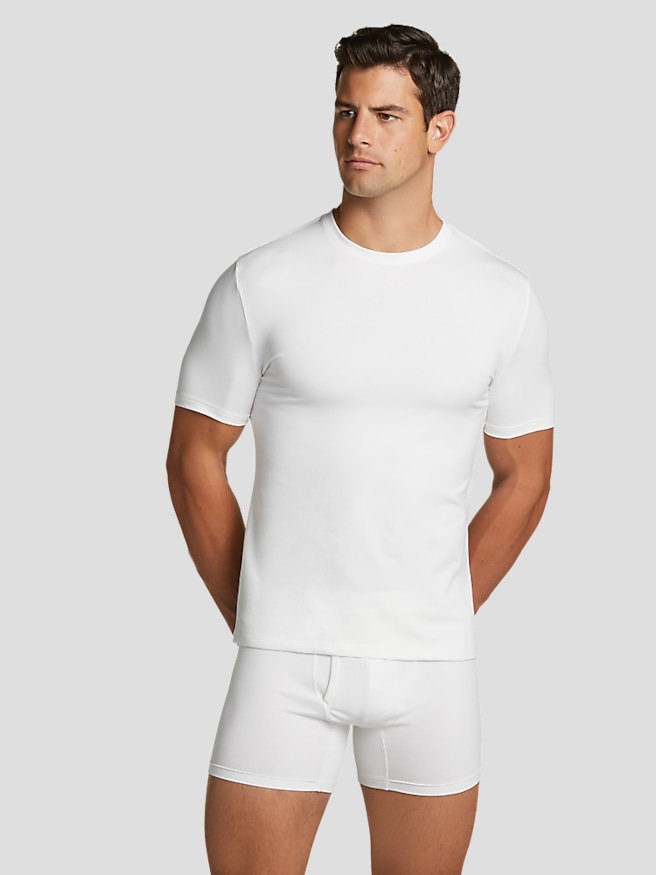
Fabric gives men's XLT clothing much of its everyday character, influencing how it drapes over a longer frame, moves through the shoulders, and holds its shape after repeated wear. Cotton offers a familiar soft feel, though its weight and construction can produce very distinct results. A lightweight cotton jersey has an easy drape, while a substantial knit tends to create a more structured outline. Woven cotton can look crisp and polished, making it useful when a neat collar and smooth front matter. Blended fabrics may combine that familiar feel with stretch, wrinkle resistance, or improved shape retention, depending on their composition. A small amount of elastane can make reaching, sitting, and bending more comfortable, but stretch should complement the correct size rather than compensate for tight shoulders or a strained chest. Wool and wool blends bring another option for more polished dressing, with drape and texture that work well alongside tailored trousers. Fabric thickness also affects layering: a smooth, lighter base layer sits more comfortably beneath another garment than bulky fabric that bunches around the elbows or waist. For tall proportions, durability includes keeping the length that made the fit work in the first place. Care instructions deserve attention because heat, agitation, and drying methods can affect shrinkage and shape. Machine-washable pieces should be cleaned according to their labels, and lower heat or air-drying may be appropriate when specified. Knits often benefit from reshaping and drying as directed rather than being stretched over a hanger while wet. Structured garments may call for professional cleaning, while washable woven shirts can benefit from prompt removal from the dryer and careful pressing. Secure buttons, even stitching, stable seams, and cuffs that recover their shape are useful signs of thoughtful construction. A longer garment still needs balanced proportions after washing; twisting side seams, stretched necklines, or shortened sleeves can undermine an otherwise comfortable fit. Consistent care helps preserve both the fabric's appearance and the coverage that tall sizing is intended to provide.
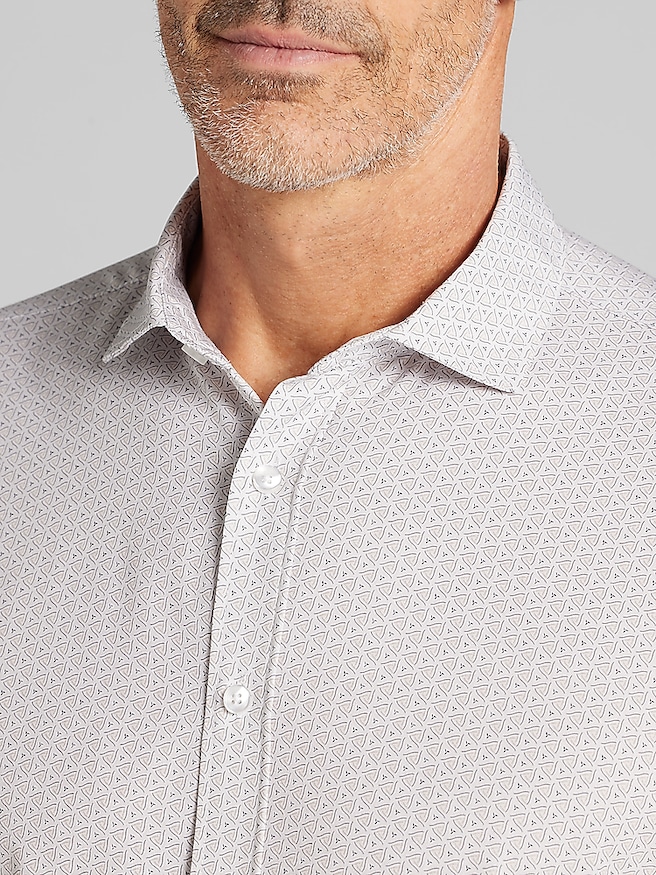
The appeal of XLT clothing is practical across an entire day, from getting dressed for the office to sitting through dinner or spending an afternoon with family. For desk-based work, a comfortable fit allows the shoulders and upper back to move without a shirt pulling taut every time the arms extend. For a role that involves standing, walking, or reaching, adequate torso length helps maintain coverage without constant adjustment. At a business meeting, celebration, or evening gathering, balanced sleeve and body lengths create a cleaner appearance than simply wearing a larger standard size. Casual dressing benefits from the same attention to proportion. An untucked hem should work with the rise of the pants, and a longer layer should not crowd the pockets or overwhelm the outline of the outfit. When layering, enough room through the upper arms and chest helps prevent fabric from binding, while compatible hem lengths keep the result looking intentional. Color and pattern offer room for personal preference without changing the underlying fit requirements. Solid colors make straightforward combinations, subtle textures add depth, and patterned fabrics can bring character to an otherwise simple outfit. None replaces comfortable shoulder placement, useful sleeve length, or a body length suited to the wearer. Men's XLT clothing can also make a thoughtful gift for someone who regularly struggles with short sleeves or hems, particularly when a well-fitting garment provides a reference. Confirming the recipient's usual size, preferred cut, and care preferences is more helpful than guessing from height. A person who favors easy machine care may value that convenience as much as the fabric's feel, while someone dressing for frequent professional occasions may prioritize a smooth finish and reliable collar shape. Across those needs, the strongest foundation is consistent: enough length where it is needed, room to move without unnecessary bulk, and materials suited to the way the clothing will actually be worn.