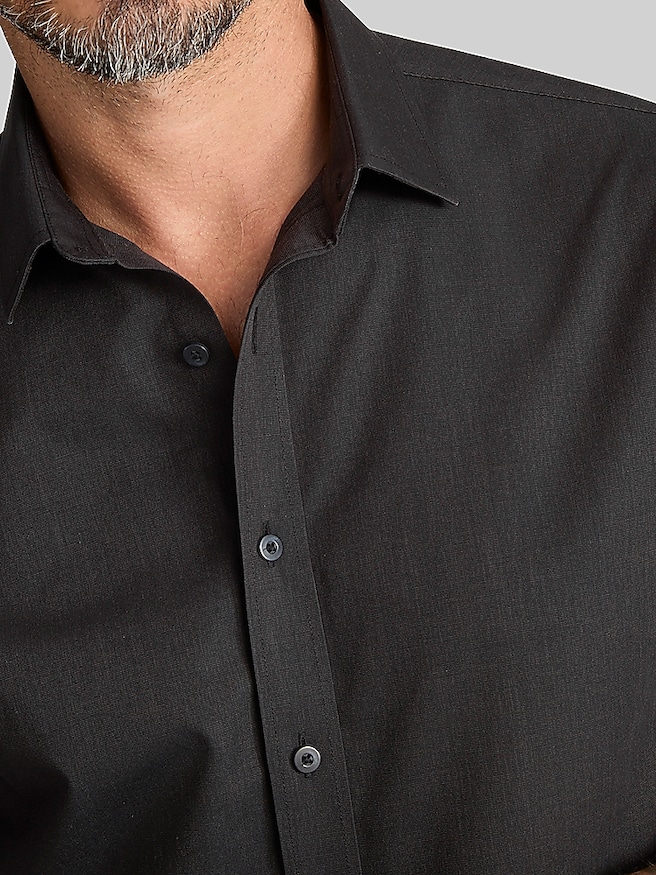
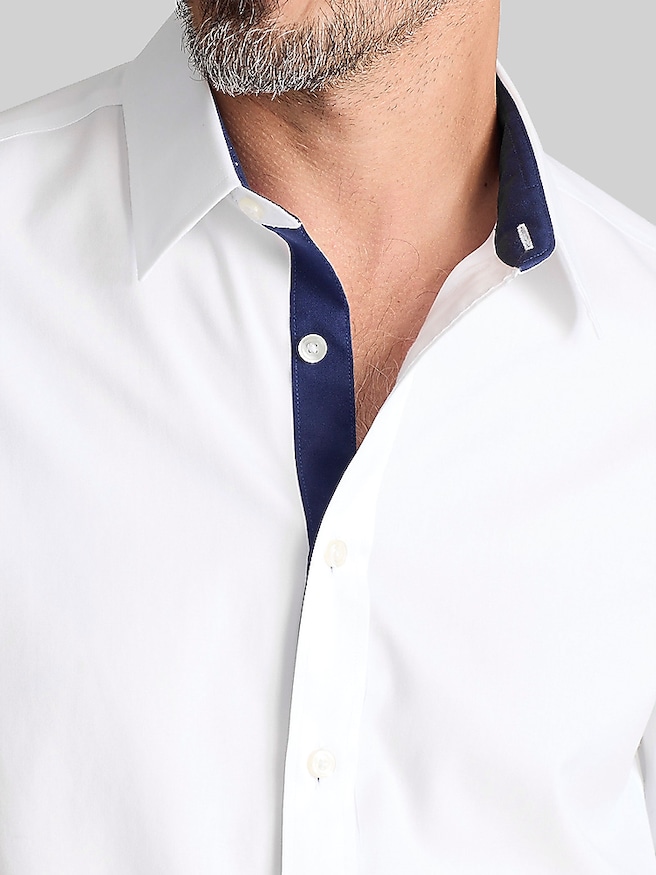
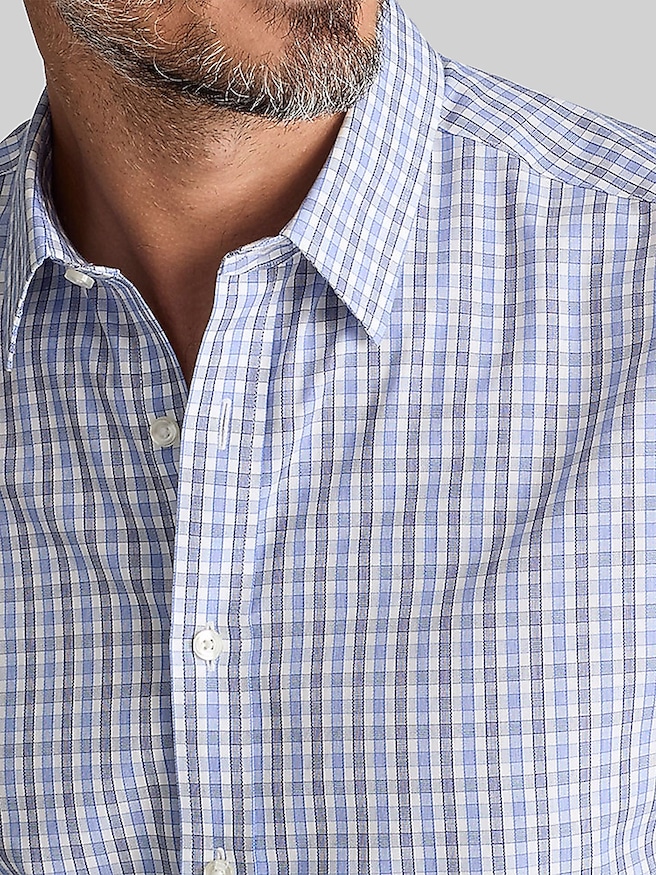
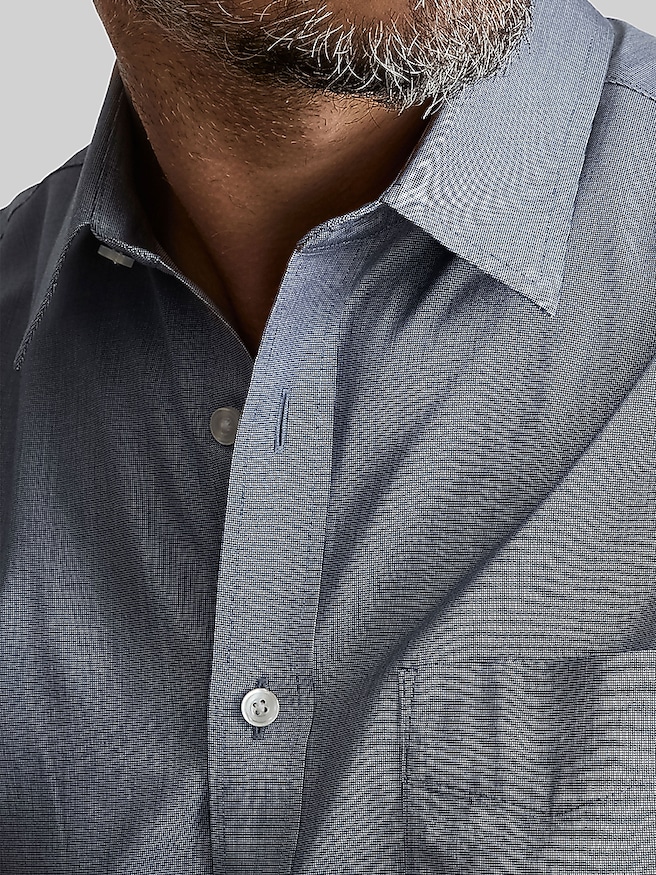
Men’s XL clothing brings everyday staples and dressed-up layers together in a size intended to provide more room through the body than a large, with proportions that vary by garment and cut. XL describes size, not a particular style: an extra-large shirt can have a trim, classic, or relaxed silhouette, while oversized clothing is deliberately shaped with added volume, longer lines, or dropped shoulders. That distinction matters when the goal is a clean fit rather than a baggy look. A well-proportioned XL wardrobe leaves enough space to sit comfortably, reach across a desk, and move through a busy day without pulling at the chest or bunching at the waist. For standard set-in sleeves, shoulder seams generally sit near the edge of the shoulder; a deliberately relaxed design may place them farther down the arm. Across the torso, fabric should fall smoothly instead of stretching between closures or collecting in deep folds. Sleeve and body length matter just as much as width, especially when a shirt needs to stay tucked through a commute or a jacket needs to cover a layer underneath. Men who wear XL are not all built alike. Broad shoulders, a fuller midsection, a long torso, and an athletic chest each affect how the same size looks and feels. Regular XL and XL tall also serve distinct needs, since tall sizing typically adds length rather than simply increasing overall volume. Measurements and garment-specific size charts provide a more useful reference than the size letter alone. Some dress clothing uses neck, sleeve, chest, waist, or inseam measurements instead of alpha sizing, so an XL in a casual top does not automatically translate into one universal tailored size. The strongest foundation is clothing that suits the wearer’s proportions and daily routine, whether that means a neat profile for the office, easy layers for travel, or comfortable pieces for time with family.
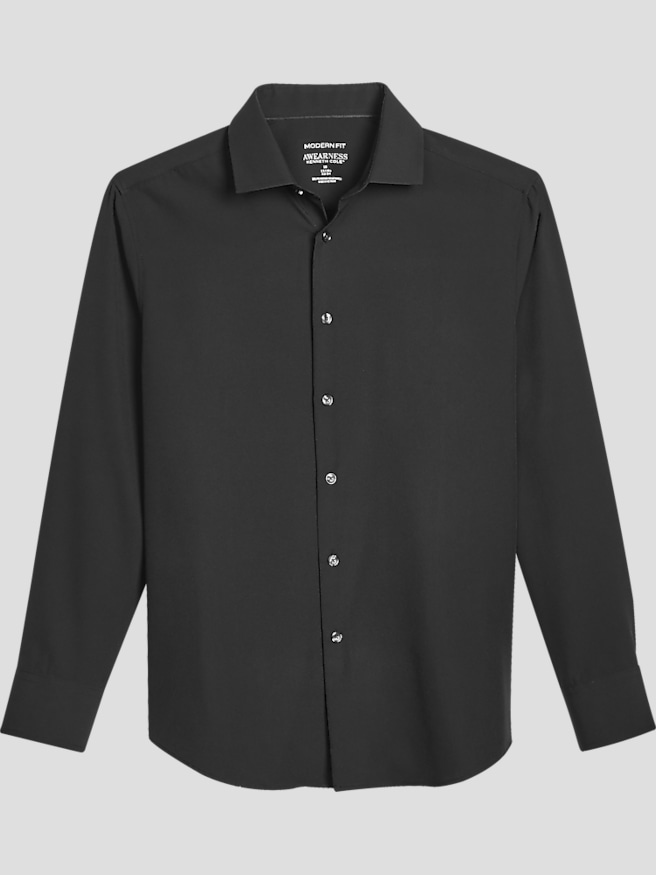
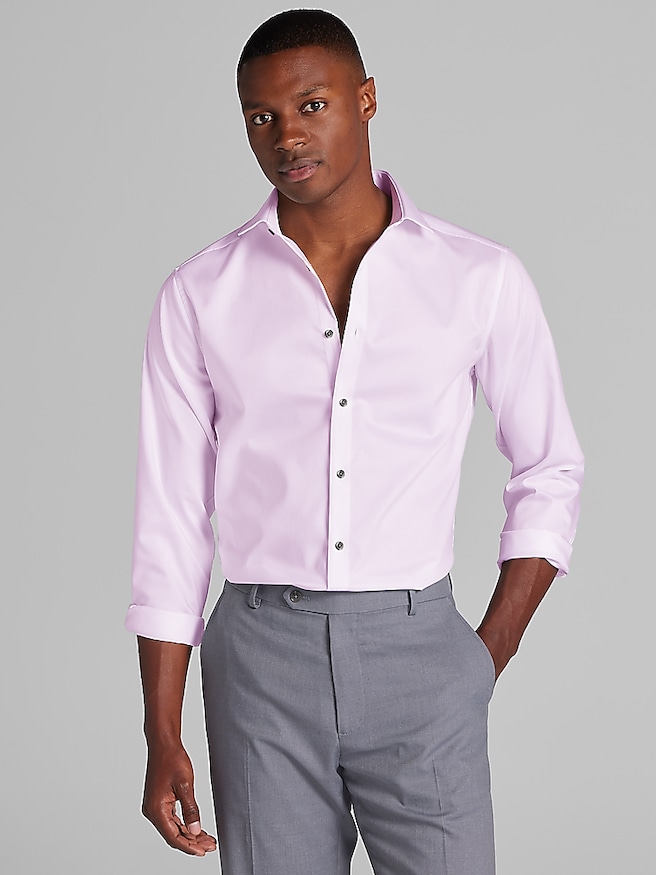
Fabric gives men’s extra-large clothing much of its character, from the dry, substantial feel of cotton twill to the softer drape of a fine knit. Cotton is a familiar choice for everyday wear because it feels comfortable against the skin and works across both casual and polished settings, though its weight and weave influence warmth, structure, and wrinkling. A lightweight woven fabric can sit neatly beneath a sweater, while a denser knit brings more coverage when worn on its own. Linen offers an airy feel and a naturally textured appearance, including the wrinkles that are part of its character; blended constructions can soften that effect or add structure. Wool can provide warmth and breathability without requiring a bulky silhouette, making it useful for layers that move between chilly sidewalks and heated rooms. Synthetic fibers may contribute strength, shape retention, or quicker drying, depending on the fabric construction. A small amount of stretch can make a fitted garment more forgiving across the shoulders and elbows, but stretch is not a substitute for adequate room. Fabric pulled tight at rest is likely to feel restrictive over a full day, even when it has some give. For a neckline that sits neatly beneath a sweater or stands on its own with tailored trousers, men’s XL button-up shirts connect relaxed everyday dressing with more polished occasions. Collar shape, cuff construction, and hem length influence that versatility: a longer curved hem is generally suited to tucking, while a shorter hem may work better worn out. Texture also changes the impression of an outfit. Smooth weaves tend to look crisper, brushed surfaces feel more casual, and subtle patterns can add depth without dominating the look. During the cooler months, these differences become especially useful, allowing an outfit to feel substantial through layered fabrics rather than excess bulk. A breathable base, a comfortable middle layer, and outerwear with sufficient shoulder room can help keep movement easy throughout the day.
The usefulness of an XL wardrobe shows up in ordinary moments: a collar that remains comfortable during a long meeting, sleeves that stay clear of the hands while driving, and a sweater that settles back into shape after an afternoon of wear. Clothing intended for frequent use benefits from secure stitching, neatly finished seams, stable hems, and closures that sit flat without strain. High-friction areas such as cuffs, elbows, underarms, and pocket edges often reveal wear first, so sound construction matters as much as the initial feel of the fabric. Heavier material is not automatically more durable; fiber quality, knit or weave density, finishing, and care all contribute to how a garment holds up. Care labels are the best reference for cleaning, since two pieces that look similar may require distinct treatment. Where machine washing is permitted, following the stated water temperature and drying instructions helps limit unnecessary shrinkage and surface wear. Excessive dryer heat can affect fit and shorten the life of stretch fibers. Knitwear often keeps its shape better when folded rather than suspended from the shoulders, and structured garments benefit from hangers that support their shape. Allowing clothing to dry fully before storage and addressing marks promptly according to the care instructions also supports longer wear. For everyday coordination, balanced proportions create a finished appearance without demanding a narrow silhouette. A relaxed XL top can work with straight-leg trousers, while a cleaner-fitting layer can sit comfortably under a roomier jacket. Color makes these combinations easier to repeat: neutral foundations accommodate textured layers, deeper tones, and restrained patterns for office days, dinners, and weekend plans. Men’s XL clothing can also make a practical gift for a partner, parent, sibling, or friend when the recipient’s usual measurements, preferred fit, and care habits are known. Familiar proportions and comfortable fabrics are often more useful than an unfamiliar cut. Across work, travel, gatherings, and quieter days at home, the lasting value of an XL wardrobe comes from fit that feels natural, materials suited to the setting, and construction that stands up to regular wear.