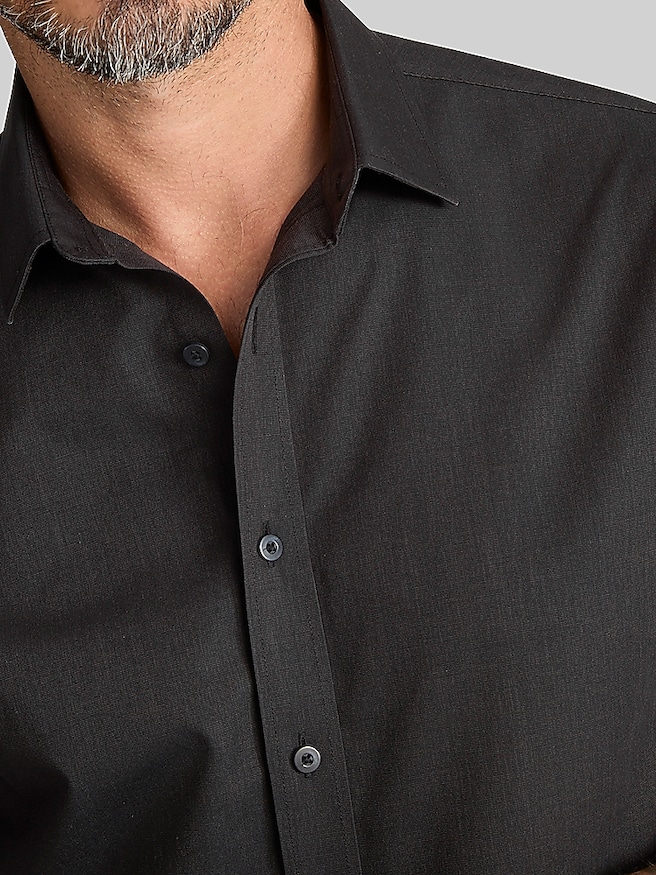
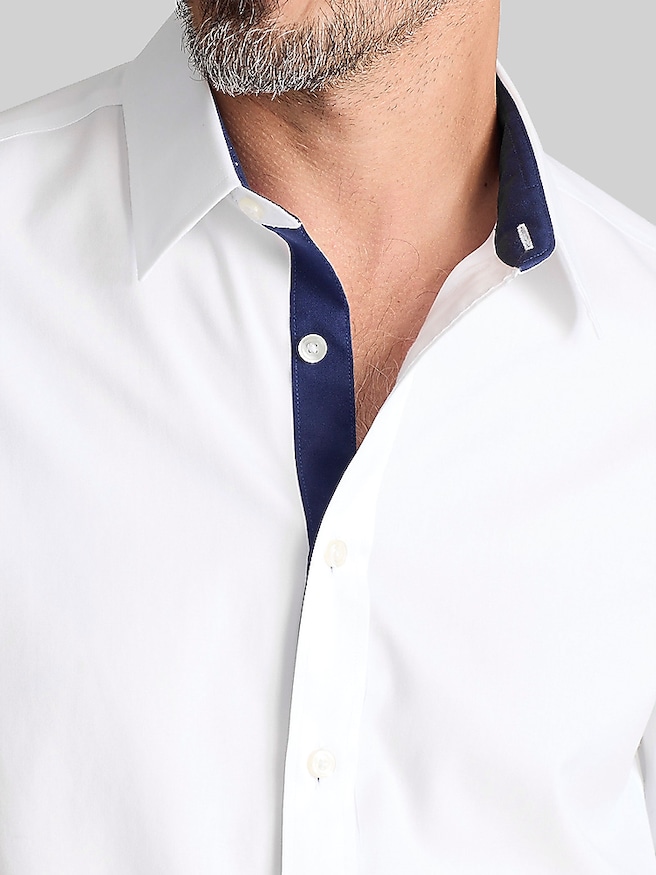
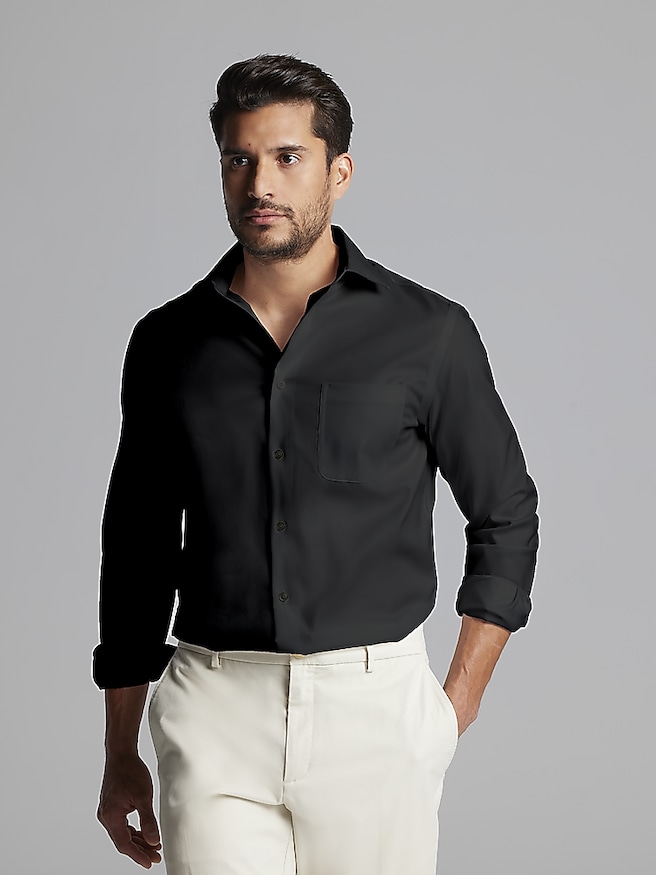
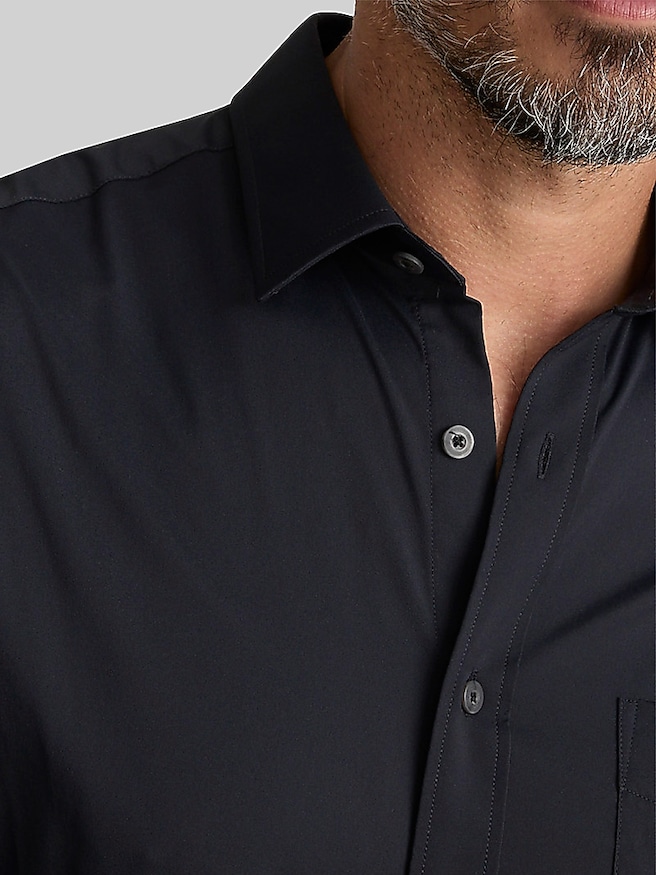
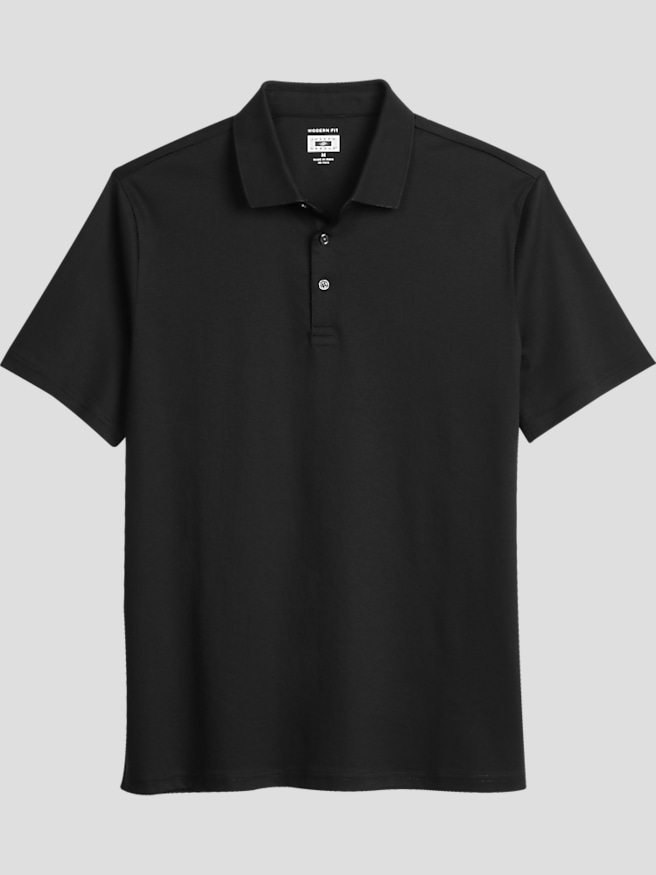
Men’s XL button-up shirts bring the structure of a collared shirt to everyday dressing, with options that feel at home behind a desk, across a dinner table, or beneath a favorite sweater. The extra-large designation describes size, not a single silhouette: an XL shirt can have a trim shape through the waist, a straight cut through the body, or a roomier profile suited to relaxed wear. That distinction matters for anyone who needs space across the chest and shoulders without excess fabric gathering at the waistband. XL measurements vary by maker and cut, so chest circumference, neck size, sleeve length, and the shirt’s size chart are more useful than the letter designation alone. A comfortable fit leaves enough room to sit, reach forward, and bend the elbows without the front buttons pulling or the back feeling tight. Shoulder seams generally sit near the outer edge of the shoulders, while long sleeves should reach the wrist without covering much of the hand. For a collar worn closed with a tie, enough room to slip a finger comfortably between the collar and neck helps prevent a constricted feel. Regular XL and tall XL are not interchangeable; a tall cut typically adds body and sleeve length rather than simply adding width. Someone with a longer torso may appreciate that extra coverage when reaching for an overhead shelf or keeping a shirt tucked throughout a workday. When more room is needed across the body instead of more length, XXL Men's Shirts offer another size category to consider alongside actual measurements. The most useful XL button-up shirts balance ease with shape, giving the wearer room to move while allowing the collar, placket, and cuffs to lie neatly. That balance can make the same shirt feel appropriate for a morning meeting and an evening gathering without requiring a complete change of clothes.
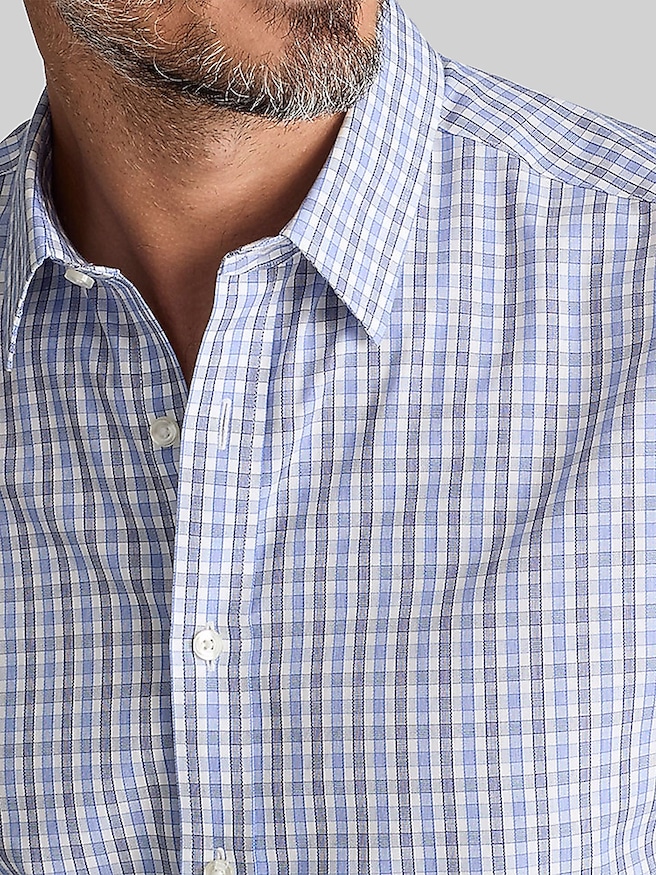
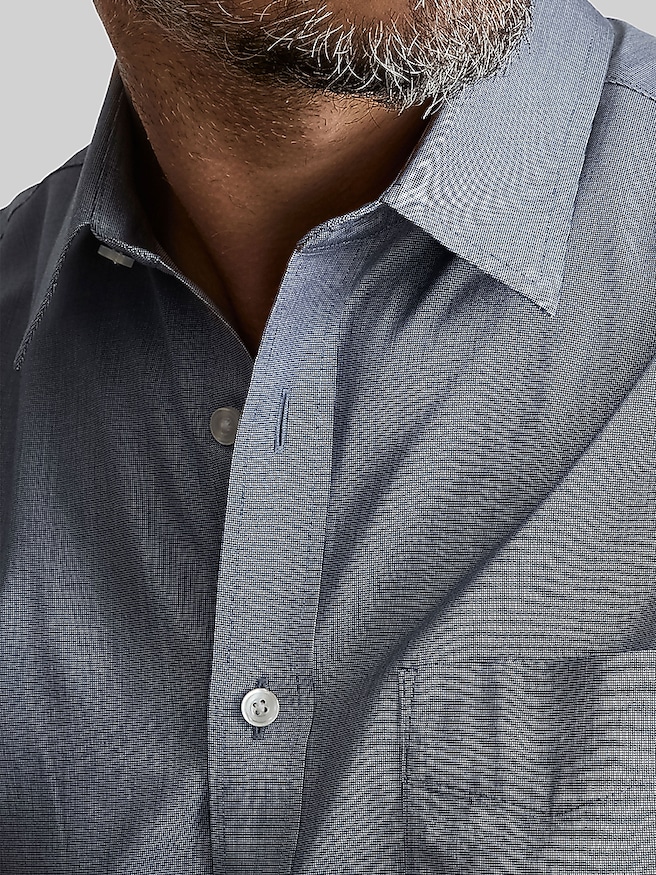
Fabric gives an XL button-up shirt much of its character, from the way it falls across the torso to how it feels after several hours of wear. Cotton is a familiar choice for its breathable feel, while cotton blends can add stretch, help reduce wrinkling, or support easier everyday care, depending on their composition and finish. Oxford cloth has a visible basket-weave texture and enough body to work naturally with chinos, dark denim, and casual jackets. Poplin generally feels smoother and lighter, making it useful beneath a tailored jacket when a clean surface and less bulk are priorities. Twill often has a soft drape and a subtle diagonal weave, while brushed flannel adds a cozy touch for cooler days. Linen and linen blends bring an airy texture and natural creasing that suit relaxed settings, including indoor gatherings where heavier fabrics may feel too warm. Medium-weight fabrics can be especially appealing when a shirt needs to hold its shape without feeling stiff, although fabric weight alone does not determine a flattering fit. A heavier cloth cannot correct tight shoulders, and a lightweight cloth can look polished when its proportions are right. Stretch can make reaching across a conference table or spending an afternoon in the car more comfortable, but it works best as added flexibility rather than a substitute for adequate room. Collar construction also changes the impression. A button-up shirt has a front button closure; a button-down collar specifically has collar points secured with small buttons. Those anchored points tend to stay tidy beneath a crewneck sweater, while an unbuttoned point or spread collar can create a clean frame beneath a jacket. Solid colors emphasize texture and tailoring, fine stripes introduce a restrained pattern, and checks or plaids bring a more casual mood. In an XL fit, pattern placement and scale are matters of personal preference, not rules tied to body size. A subtle check can feel understated at work, while a broader plaid pairs comfortably with sturdy trousers for a weekend lunch.
The intended use of a men’s XL button-up shirt helps determine which details earn their place in a regular rotation. For office days, a smooth fabric, a collar that sits neatly, and enough shirttail length to stay tucked can keep an outfit composed through commutes, presentations, and hours at a desk. With an untucked shirt, a shorter hem that falls around the middle of the fly often creates a balanced casual proportion, though torso length and personal preference influence the result. An overly long hem can overwhelm the outfit, while a hem that rises above the waistband during ordinary movement may leave too little coverage. During the cooler months, an XL long-sleeve button-up can serve as the comfortable middle layer between a lightweight undershirt and a cardigan, overshirt, or coat. The layers should move together without bunching at the upper arms or making the chest feel crowded. For dinners, family photographs, and casual celebrations, a crisp collar and well-kept cuffs add polish even when the shirt is paired with familiar jeans. These shirts can also make thoughtful gifts for a father, partner, brother, or friend when the recipient’s measurements and preferred cut are known; matching a well-fitting shirt is more dependable than guessing from height alone. Lasting wear depends on both construction and care. Even stitching, securely attached buttons, and neatly finished seams are useful signs of careful construction, especially around areas that receive repeated tension, such as cuffs and the front placket. The care label remains the best source for washing, drying, and ironing requirements because fibers, finishes, and trims respond to heat in distinct ways. Avoiding more heat than the label recommends can help limit shrinkage and unnecessary wear. Prompt attention to collar marks, gentle treatment of loose threads, and replacing a loosening button before it comes off can extend a shirt’s useful life. Hung with the collar settled and the fabric smoothed after laundering, an everyday button-up is easier to keep ready for its next outing. With the right dimensions, fabric, and finishing details, an XL shirt becomes a dependable part of dressing well without sacrificing comfort.