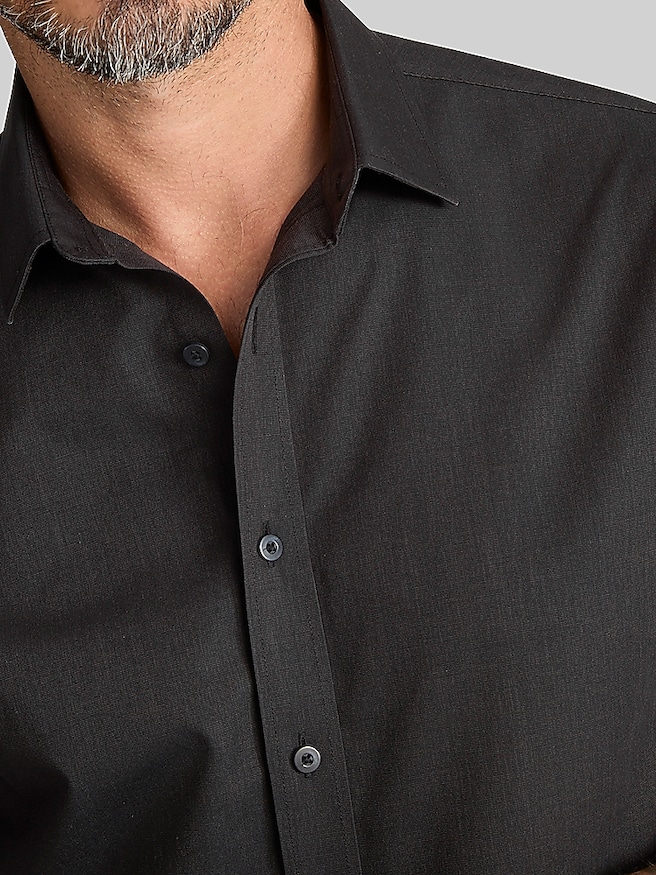
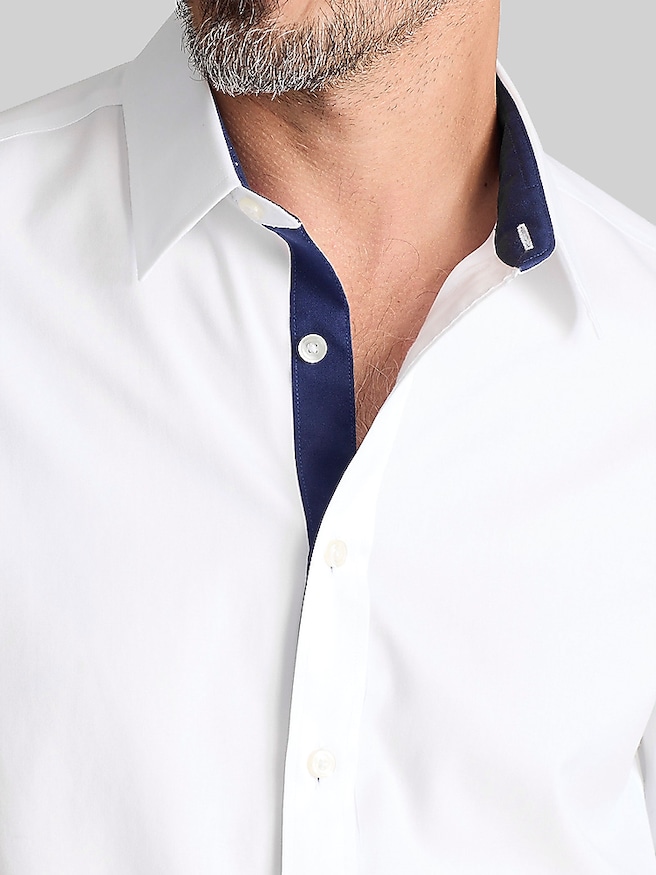
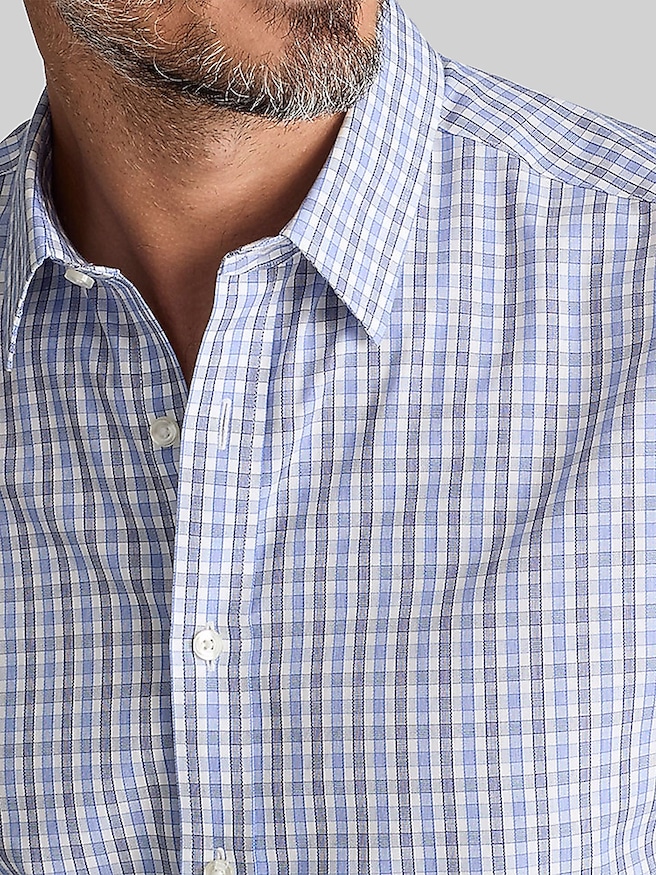
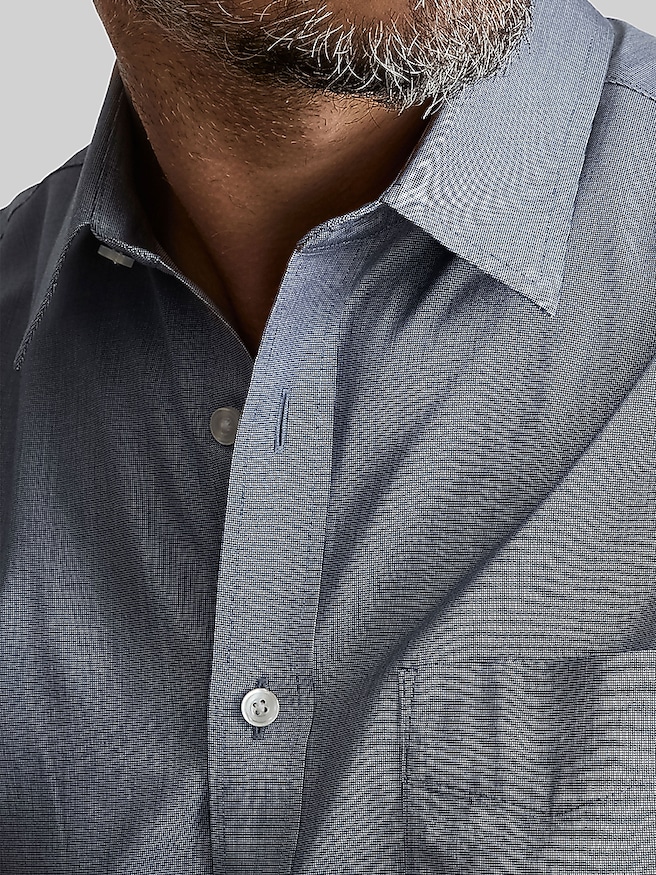
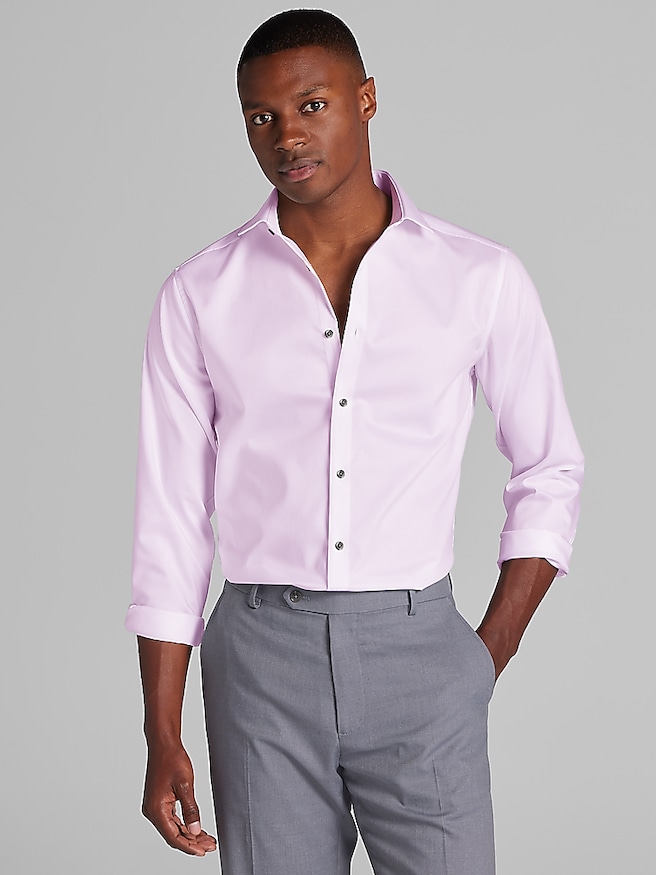
Men’s XXL clothing brings together everyday comfort, polished presentation, and room to move across casual and dressed-up wardrobes. XXL generally stands for extra extra large, but the label alone does not describe every part of a garment’s fit. Chest width, shoulder placement, sleeve length, and overall length can vary by cut and size chart, making measurements more useful than a familiar size tag alone. Standard XXL, big, and tall sizing are not interchangeable: tall cuts typically add length through the body and sleeves, while big sizing may offer proportions developed for a fuller chest, waist, or seat. A garment marked XXL is not automatically a tall fit, and XXL and 2XL should be compared against the applicable measurements rather than assumed to fit exactly alike. The most comfortable proportions leave space where it matters without creating unnecessary bulk elsewhere. On a shirt, shoulder seams should generally sit near the shoulder’s natural edge unless the design intentionally uses a dropped shoulder. Buttons should lie flat across the chest and midsection, with enough ease to sit at a desk, reach across a table, or drive comfortably. Sleeves need room through the upper arm without leaving cuffs hanging over the hands. Length matters just as much: a shirt intended to stay tucked needs enough fabric below the waistband to remain secure during ordinary movement, while an untucked style benefits from a hem that looks balanced against the pants. For a closer look at this part of the wardrobe, XXL Men's Shirts connects the broader size category with shirts for everyday and more polished outfits. Across men’s XXL clothing, a good fit follows the body without clinging or appearing oversized by default. That balance can make a familiar combination—a collared shirt and neatly fitting pants—feel more comfortable through a full day of meetings, errands, and dinner plans.
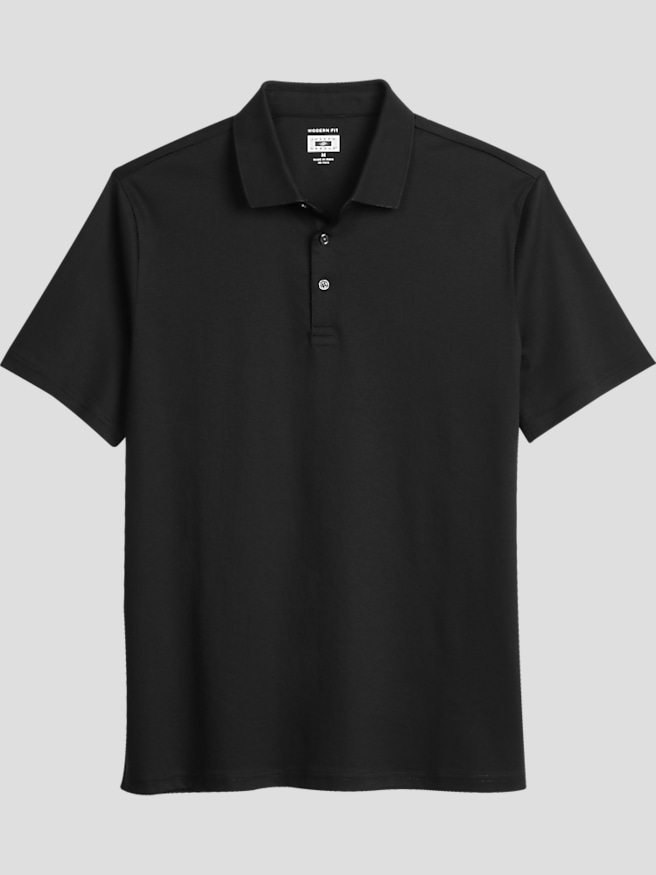
Fabric and construction shape how XXL clothing feels, drapes, and holds up to repeated wear. Cotton is a familiar choice for its softness and breathability, although the weave and weight influence the finished garment as much as the fiber itself. Cotton jersey has a flexible, relaxed feel suited to casual clothing, while an Oxford weave gives a shirt more texture and structure. Piqué adds a subtly raised surface often associated with polos, offering a middle ground between a smooth tee and a woven button-front shirt. Blends can bring together several useful qualities: polyester may improve wrinkle resistance and drying time, while a small amount of elastane can add stretch for reaching, bending, and sitting. Stretch supports movement, but it does not replace adequate room through the chest, waist, thighs, or seat. A garment that stays stretched tight at rest may need another size or cut. Knit structure also affects appearance, with finer knits often sitting smoothly beneath a jacket and more substantial textures adding definition when worn on their own. In tailored clothing, wool can provide drape and resilience, though the specific weave, lining, and construction determine the overall feel. Smooth seams, securely attached buttons, reinforced stress points, and fabric that recovers its shape after gentle stretching are useful signs of thoughtful construction. For pants, pockets should rest flat rather than flare open, and the waistband should sit comfortably without requiring a belt to hold excess fabric in place. A clean line through the seat and thigh helps trousers look composed while leaving enough room for a normal stride. Care requirements belong in the same conversation as comfort and appearance. Machine-washable garments can simplify a frequently worn wardrobe, while pieces requiring professional cleaning involve a separate maintenance routine. The care label remains the best reference for washing, drying, ironing, and storage because similar-looking fabrics can require distinct treatment. Following those directions helps preserve dimensions, surface texture, and color, especially when a comfortable fit depends on consistent sleeve and body length.
A useful XXL wardrobe reflects the places clothing will be worn, not just the size printed inside it. For an office with a relaxed dress code, a textured polo or button-front shirt paired with well-proportioned chinos can look finished without feeling overly formal. In a setting that calls for sharper presentation, a dress shirt and tailored trousers create a strong foundation, with a jacket adding structure when the occasion requires it. Suit jackets and many tailored pants use numerical measurements rather than XXL labels, so those categories require their own sizing checks. A casual XXL shirt size does not translate directly into a jacket’s chest size or a trouser waist measurement. For weekends, travel, and time at home, soft knits and easy-moving pants put comfort first while still benefiting from balanced lengths and a considered silhouette. Clothing that feels comfortable while standing should also work during a long meal or an extended car ride; ease across the back, a waistband that does not dig in, and hems that stay in place make a practical difference. Color and pattern offer plenty of room for personal preference. Solid shades create straightforward combinations, subtle textures add depth, and stripes or checks can bring character without needing an elaborate outfit. There is no requirement for XXL clothing to rely on dark colors or loose cuts. A clean shoulder line, an appropriate shirt length, and pants that hang smoothly often contribute more to a cohesive appearance than any rule about what a larger size should wear. For someone building a dependable rotation, coordinating colors and compatible levels of formality make individual garments easier to wear together. Clothing can also be a thoughtful birthday or graduation gift when the recipient’s measurements, preferred fit, and care habits are known; the size and cut of a garment already worn comfortably provide a helpful starting point. Between wears, attending to stains according to the care label, avoiding unnecessary heat, and storing garments appropriately can help maintain their appearance. Folded knitwear is less likely to stretch at the shoulders, while suitable hangers help structured pieces retain their shape. These everyday details support the purpose of men’s XXL clothing: a wardrobe that fits comfortably, looks intentional, and works for the routines and occasions that fill a life.