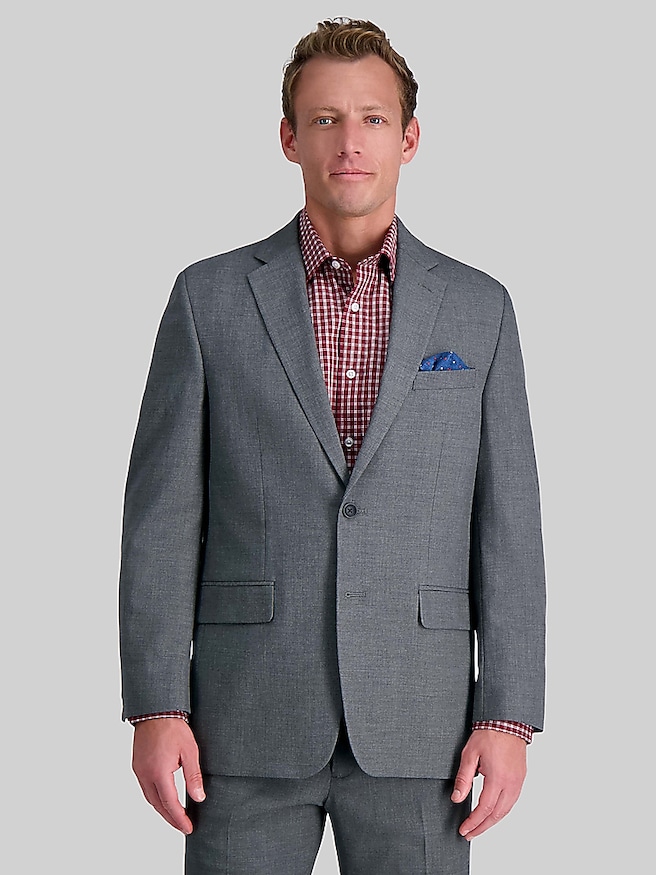
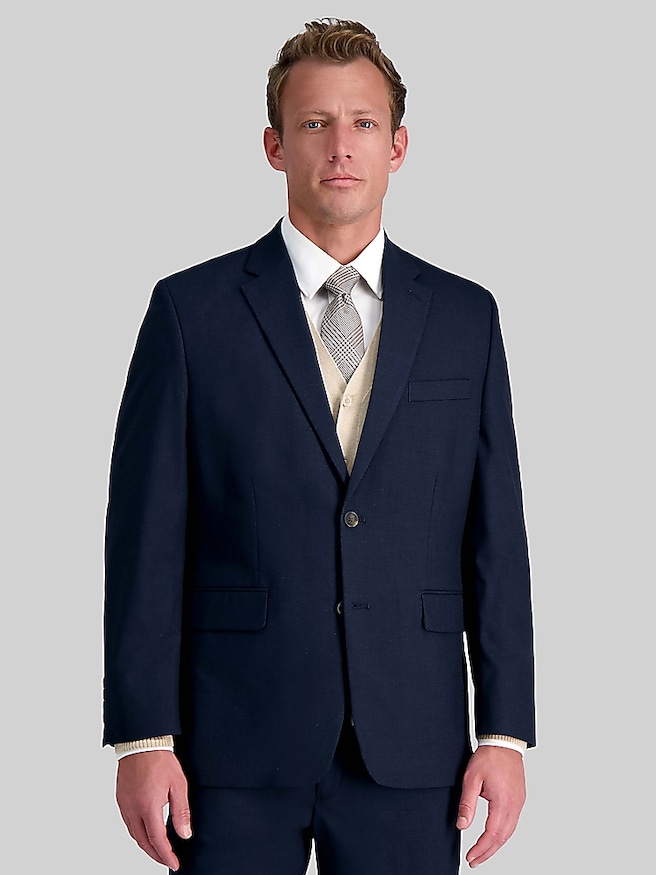
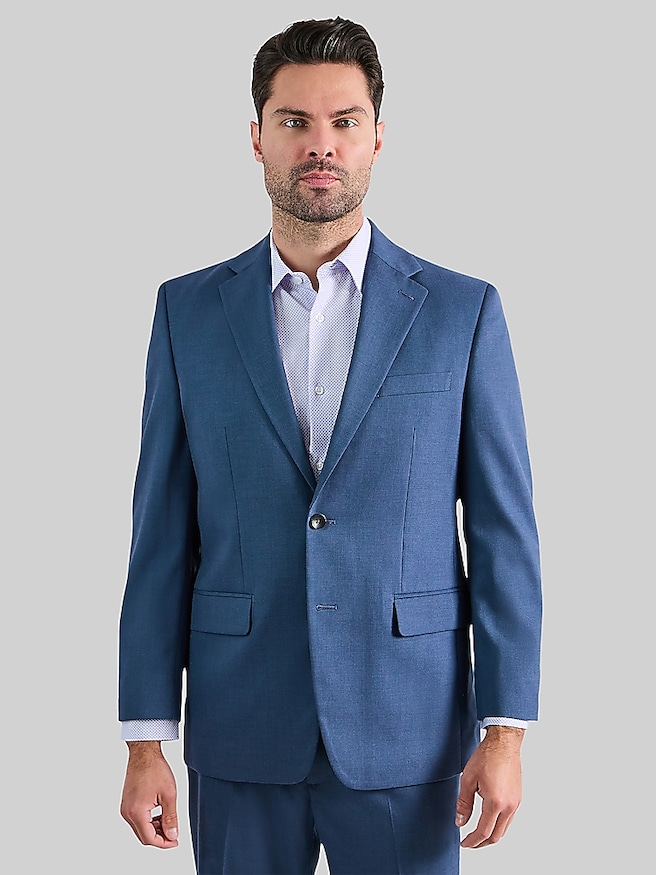
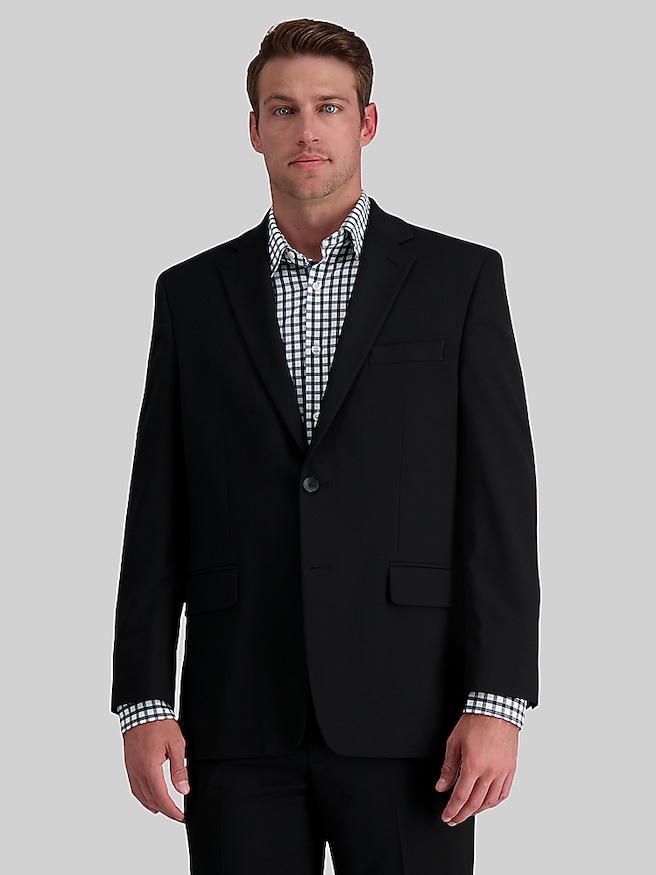
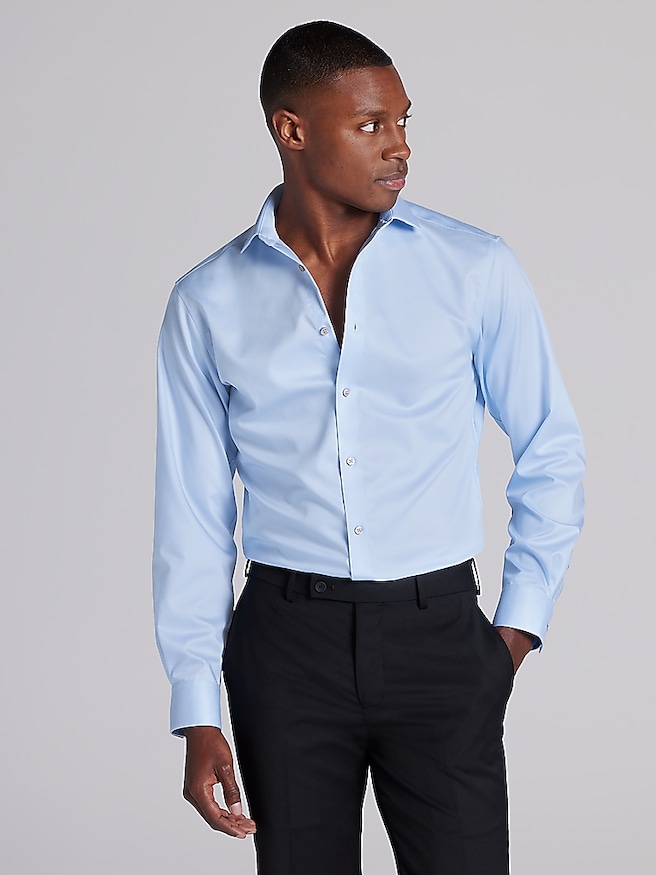
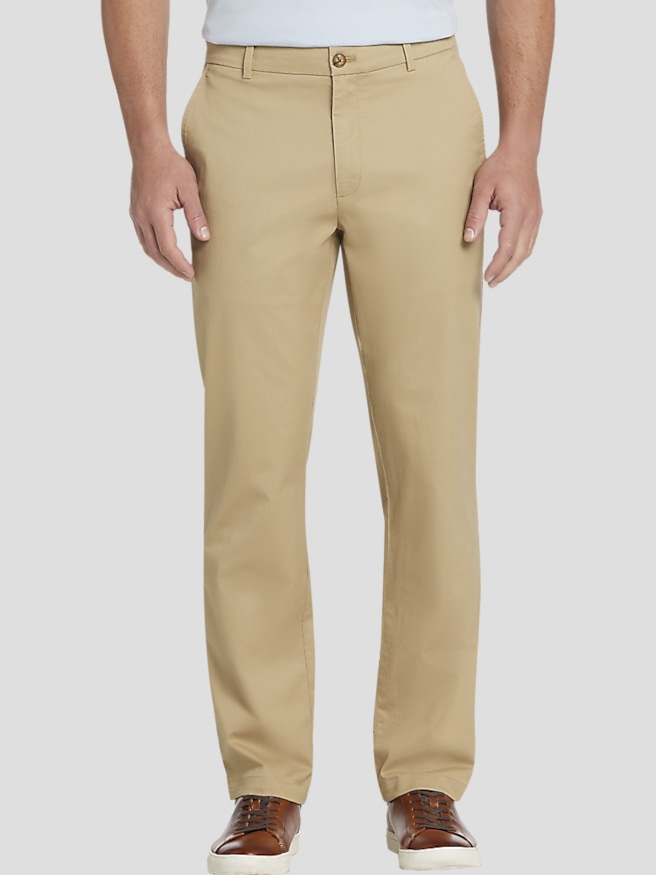
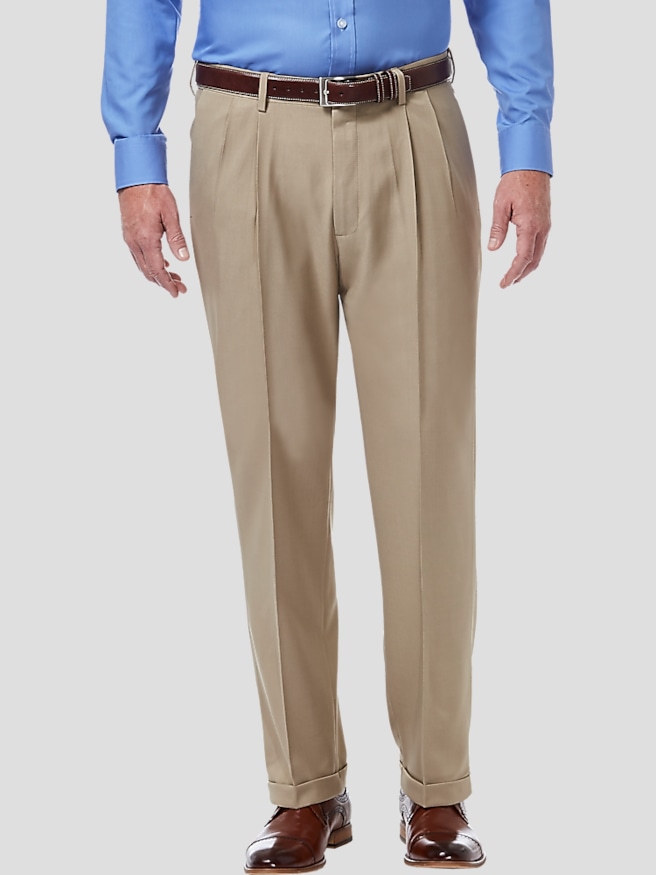
Men’s work-to-weekend outfits bring together the polish of office clothing and the comfort of casual wear, creating combinations that feel appropriate for a team meeting, dinner with friends, or a Saturday afternoon downtown. The foundation is versatile clothing with clean lines, comfortable fabrics, and enough structure to look intentional without feeling overly formal. Button-down shirts, polos, chinos, tailored trousers, dark denim, and unstructured jackets all have a role, depending on the workplace dress code and the plans that follow. In a business casual setting, a textured button-down with straight-leg chinos and leather loafers can look professional without the formality of a full suit. The same pants can take on a more relaxed character with a knit polo and simple sneakers. Navy, charcoal, olive, tan, and white make useful starting points because they combine easily, while subtle checks, narrow stripes, and textured knits add interest without making an outfit difficult to coordinate. A shirt with a tidy collar and a smooth placket helps maintain a finished appearance when a jacket comes off. Likewise, trousers with a clean front and restrained pocket detailing can bridge the space between dress pants and casual bottoms. This versatility is especially useful for people whose days include a commute, hours at a desk, and social plans without a stop at home. It also suits hybrid schedules, where clothing may need to work for both an on-camera conversation and an informal lunch. The goal is not to make every outfit fit every setting: a conservative office may still call for more formal tailoring, while denim or sneakers may be better reserved for personal time. Instead, work-to-weekend clothing offers a practical middle ground, with pieces that can move between compatible settings through small changes in footwear, layers, or styling rather than a complete change of clothes.
Fabric and fit determine how successfully that flexibility translates into everyday wear. Cotton shirting offers a familiar feel against the skin, and Oxford cloth has a visible basket-weave texture that pairs naturally with both tailored pants and denim. A smoother woven shirt generally reads as dressier, while brushed surfaces, slub textures, and more pronounced weaves lean casual. Cotton twill gives chinos their characteristic diagonal texture and makes them a useful choice for repeated wear. Wool and wool-blend trousers can provide a fluid drape and a refined finish, though their care requirements depend on the fabric and construction. Stretch blends may make sitting, walking, and bending more comfortable, but added stretch does not replace a good fit. Pants should sit securely at the waist without relying on a tightly cinched belt, with enough room through the seat and thighs to sit comfortably. A straight or gently tapered leg often works well across office and casual outfits because it creates a clean line without clinging. Shirt shoulder seams should sit near the natural shoulder, and the front should stay smooth rather than pulling between buttons. Hem length matters, too: a long, curved dress-shirt hem is designed to stay tucked, while a shorter hem can look more balanced worn untucked. Jackets that allow easy movement through the back and upper arms feel less restrictive during a full day, and softer construction can complement a polo or fine-gauge sweater without looking mismatched. Fabric weight and opacity also affect how clothing hangs, whether an undershirt shows, and how neatly layers sit together. For men who spend much of the day seated or moving between appointments, those details often matter more than an especially sharp appearance while standing still. Useful fit checks include reaching forward, sitting down, and placing a phone in a pocket; clothing should remain comfortable and keep its general shape through ordinary movement.
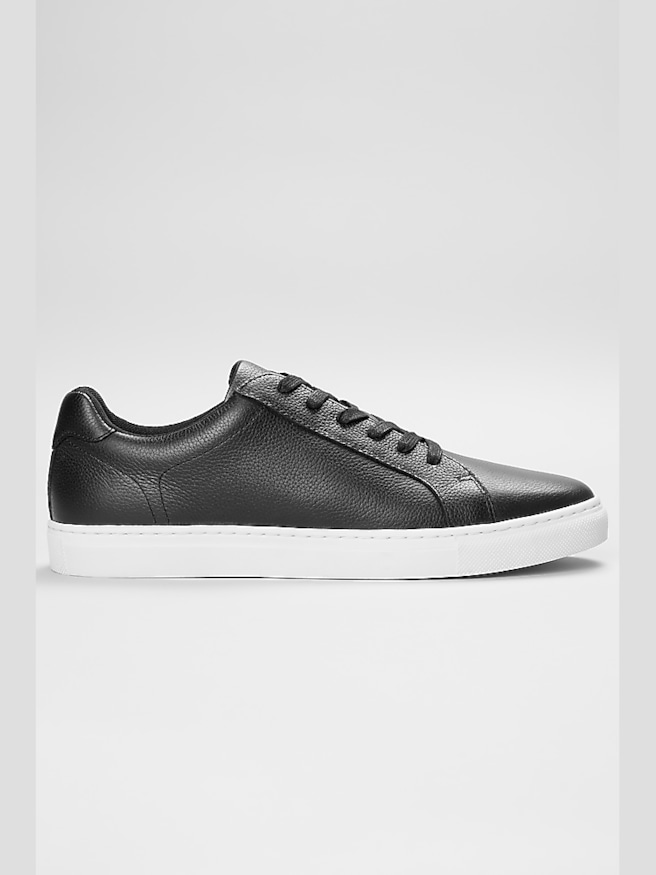
The most wearable combinations have a consistent level of polish from top to bottom. A softly tailored jacket, a solid polo, and chinos share an easy refinement, while a crisp shirt with dark, minimally distressed denim can work in an office that permits jeans. For dinner after work, removing a layer or opening a shirt collar may be all the adjustment needed. For less formal plans, a casual knit top or understated sneakers can shift the same foundation toward relaxation. Related weekend outfits emphasize that off-duty side, with combinations suited to brunch, casual gatherings, and time spent out with friends. Footwear has a noticeable influence on the overall impression: leather loafers can connect tailored and casual clothing, while streamlined sneakers feel more informal and depend on the setting. Coordinating a belt with the general color and finish of the shoes helps keep the outfit cohesive without requiring an exact match. Durability comes from both construction and maintenance, including secure stitching, neatly finished seams, sturdy pocket openings, and closures that operate smoothly. High-friction areas such as cuffs, collars, inner thighs, and pocket edges deserve attention because they often show wear first. Following the care label helps preserve fit, color, and surface texture; washable cotton, stretch blends, knitwear, and tailored fabrics may each need a separate approach. Excessive heat can contribute to shrinkage or affect elastic fibers, while overfilled drawers and crowded hangers can leave clothing creased before it is worn. Folding knits helps limit stretching at the shoulders, and hanging woven shirts and trousers neatly supports a more polished appearance with less last-minute effort. Prompt attention to stains and regular footwear care also help everyday clothing remain presentable over time. For a graduation gift, a new job, or a birthday, versatile clothing can be a thoughtful choice when the recipient’s measurements, preferred fit, and workplace expectations are known. Someone building a first professional wardrobe may value easy-to-coordinate colors, while an experienced commuter may prioritize freedom of movement and manageable care. Across those needs, the lasting appeal of men’s work-to-weekend clothing is straightforward: comfortable, well-proportioned pieces that look at home in more than one part of everyday life.