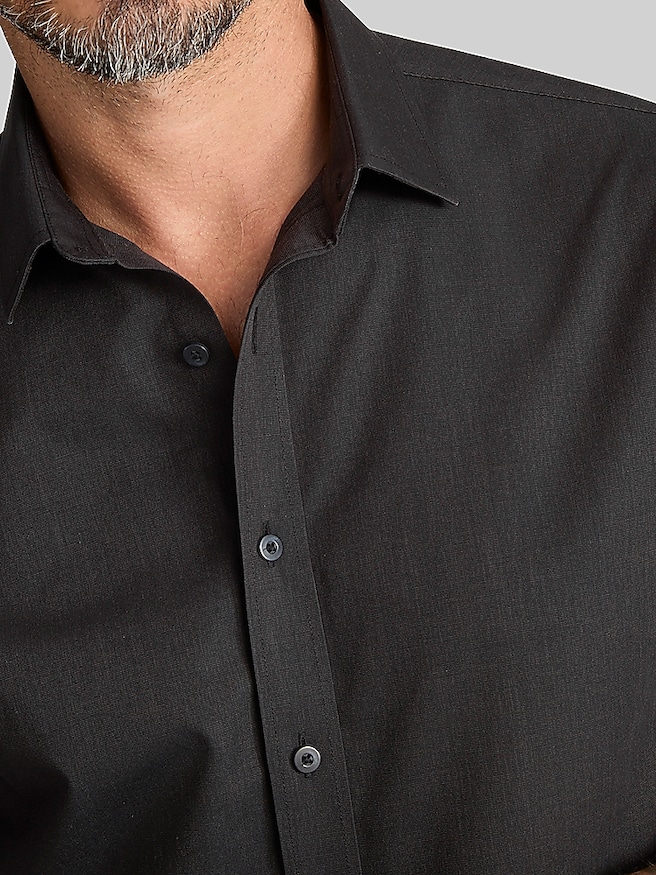
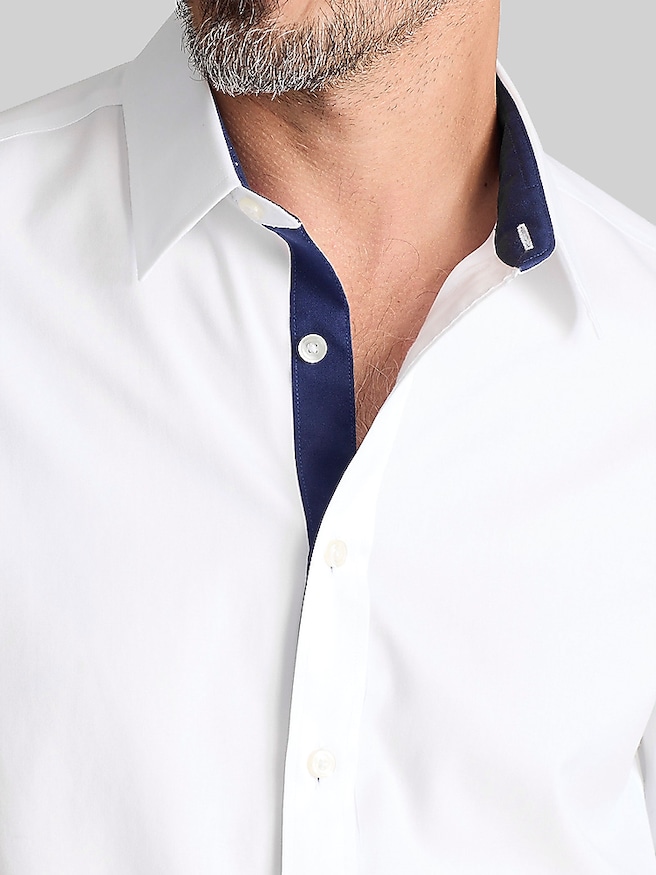
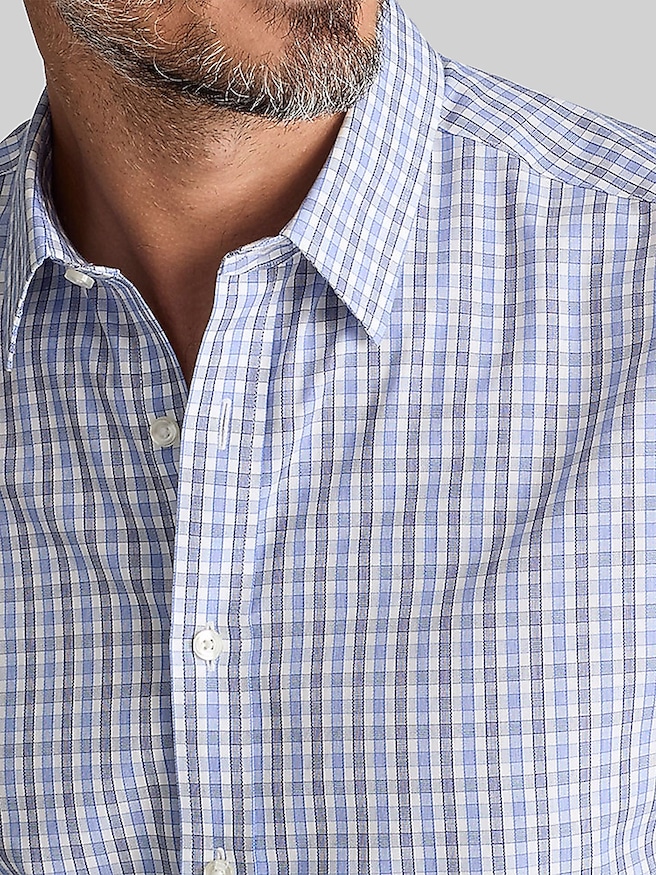
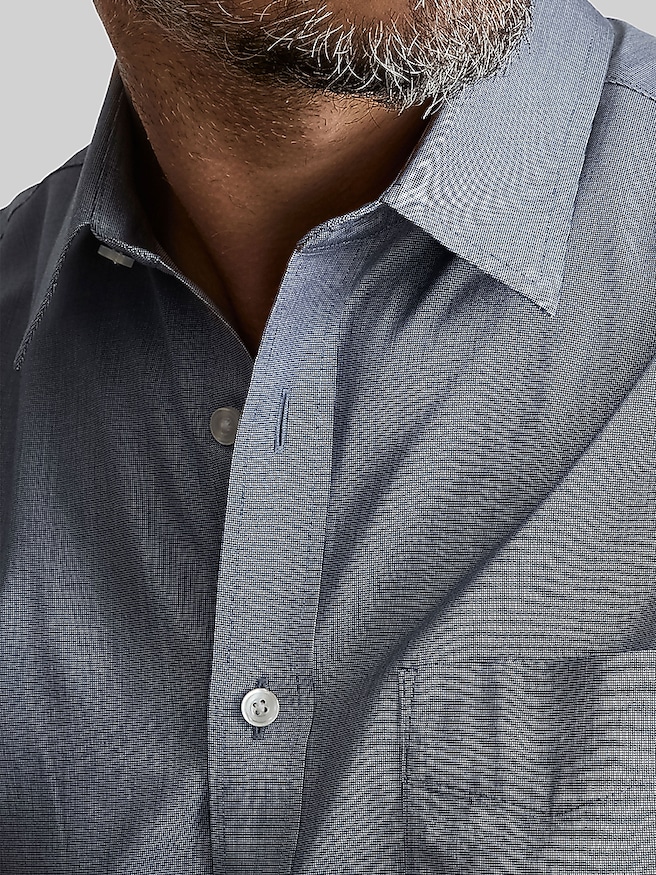
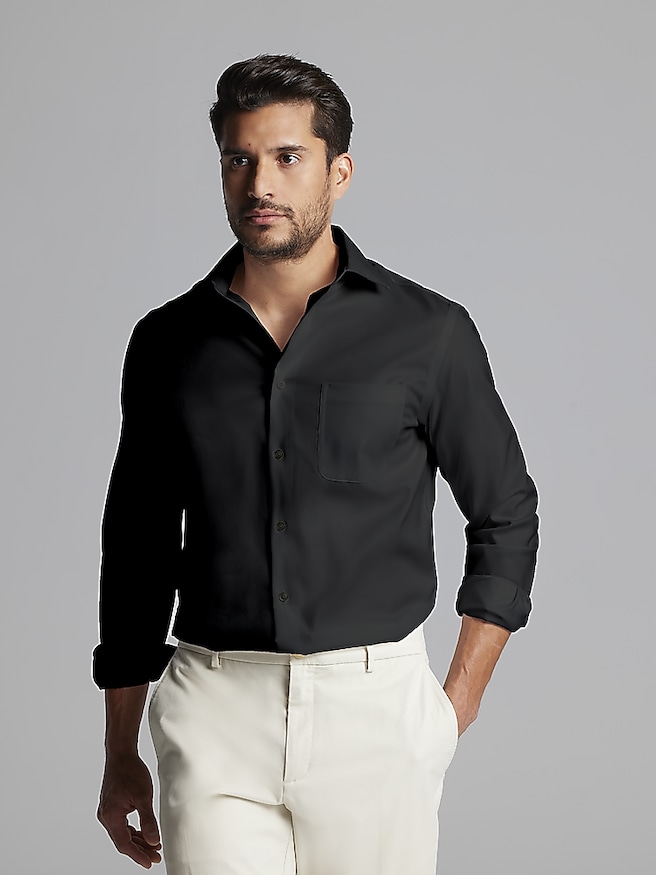
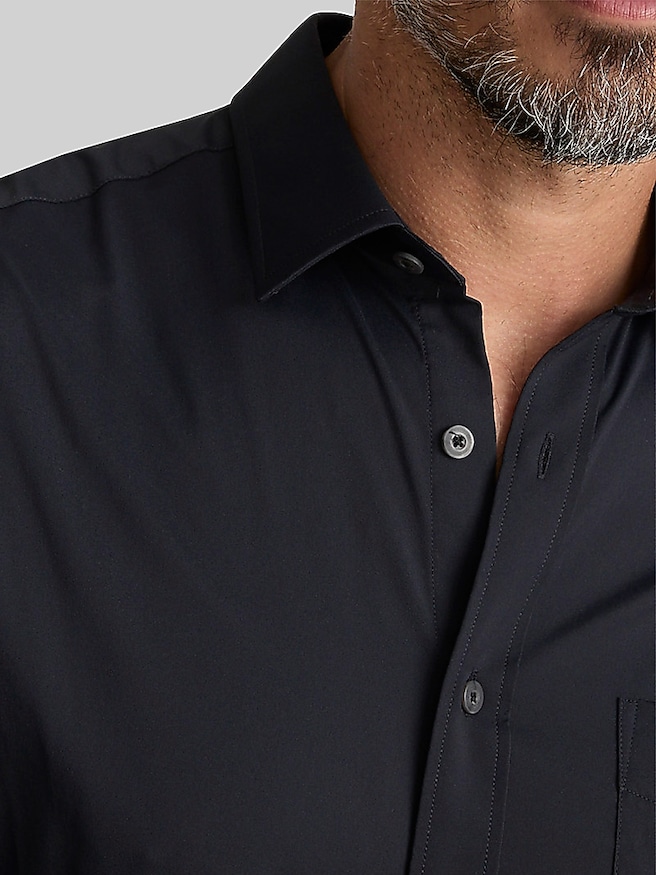
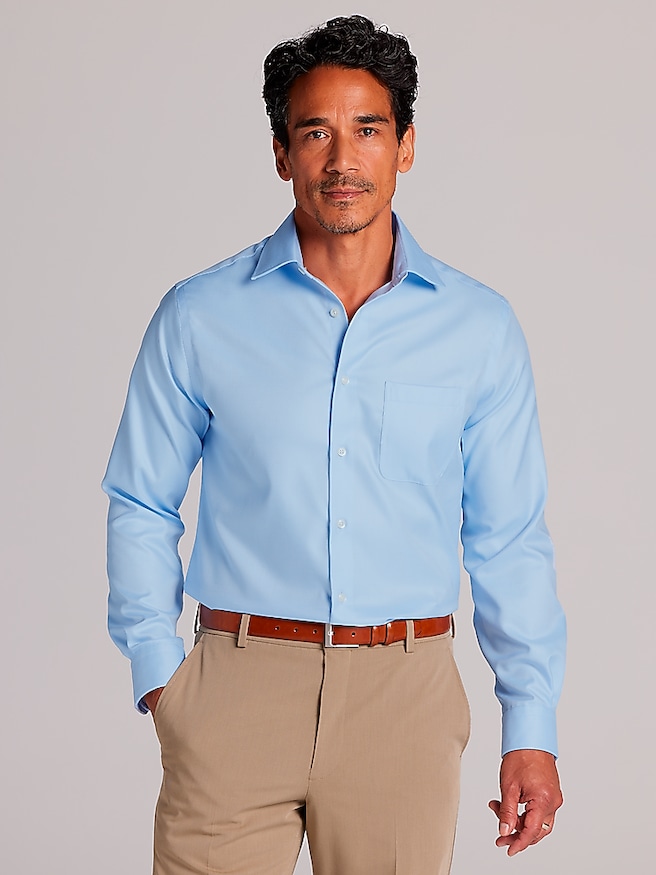
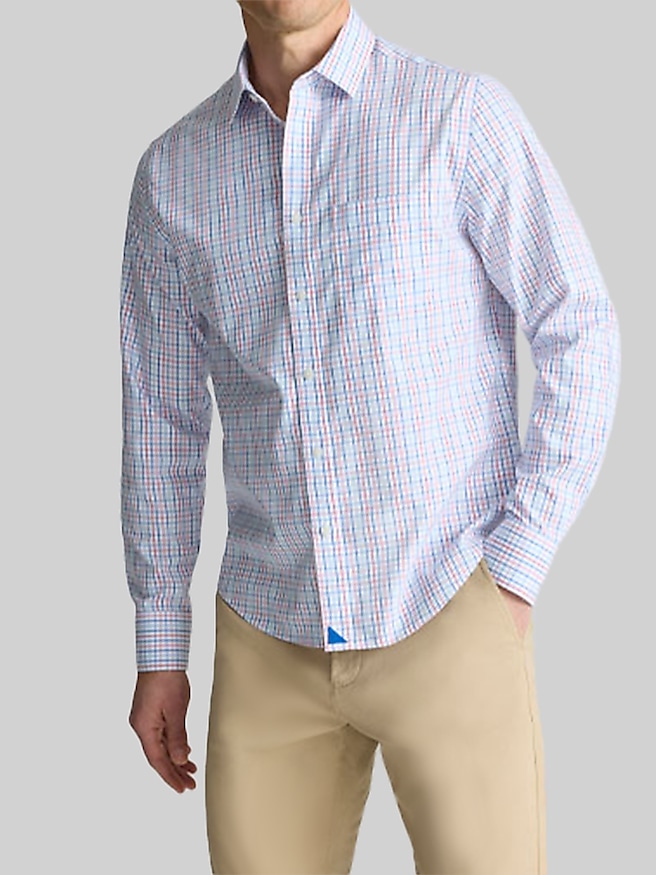
Men’s winter button-down shirts bring together the familiar structure of a collared shirt and fabrics with enough substance for cold-weather dressing. Brushed cotton, flannel, substantial twill, and corduroy are common choices, each with a distinct feel and purpose. Brushed cotton has a soft surface that feels comfortable against the skin, while flannel’s raised fibers help hold warm air close to the body. Flannel can be made from cotton, wool, or blends, so its fiber content matters just as much as its softness. Twill is recognizable by its diagonal weave and often has a sturdy, smooth drape that works well with chinos or wool trousers. Corduroy adds visible texture through its raised ribs, known as wales; fine-wale versions tend to look more understated, while wider ribs create a more rugged impression. Fabric weight is useful context, but a heavier shirt is not automatically the best choice for every setting. A midweight cotton shirt may be more comfortable for a commute followed by hours in a heated office, while a heavier flannel can serve as a casual outer layer for a brief walk in crisp air. Lined shirts add insulation and bulk, making them closer to an overshirt than a traditional shirt worn beneath a tailored jacket. Fleece and sherpa-style linings can feel especially cozy, though they also affect breathability and how easily another layer fits over the sleeves. None of these fabrics should be assumed to block wind or shed rain without a stated performance feature. For shoppers who favor breathable fibers and a familiar feel, men’s cotton button-down shirts offer another way to explore the category. The most useful winter shirt balances warmth with the way it will actually be worn: buttoned under a sweater, open over a T-shirt, or tucked neatly into trousers for an evening out. A button-down collar, specifically, has points that fasten to the shirt, helping keep the neckline tidy through those changes in styling.
Fit determines whether a winter button-down feels easy to wear or becomes bulky once the rest of an outfit is added. The shoulder seams should generally sit near the edge of the shoulders on a conventional shirt, with enough room across the upper back to reach forward without a tight pull. Buttons should lie flat rather than strain across the chest or stomach. A slim fit can create a clean line beneath a sweater or sport coat, but it still needs room for comfortable movement and any undershirt. A classic or relaxed fit provides more space through the body and can work well for casual layering, especially when the fabric has a thicker hand. An overshirt may be cut with additional room by design; choosing a larger size in a regular shirt can instead leave the collar, cuffs, and shoulder placement looking oversized. Sleeve length matters when layers are involved, too. Cuffs should finish around the wrist without covering much of the hand, and adjustable cuff buttons can help control excess fabric beneath a jacket sleeve. For tucked-in wear, a longer curved hem helps the shirt stay in place when sitting down or reaching overhead. A shorter hem with a straighter shape is often easier to wear untucked, provided it does not extend so far that it overwhelms the trousers. Color and pattern also influence where a shirt feels at home. A muted navy or charcoal solid can pair naturally with textured wool trousers, while a small check adds interest beneath a plain crewneck sweater. Larger plaids have a more casual character and work well with dark denim, sturdy chinos, and leather boots. A brushed shirt worn under an unstructured sport coat can suit a relaxed office, a dinner reservation, or a family gathering without looking overly formal. For a weekend spent moving between errands and indoor stops, a flannel over a simple knit shirt offers an easy layer to remove. Keeping the underlying pieces relatively smooth helps the shirt’s texture stand out without creating unnecessary bulk at the waist, elbows, or neckline.
Care and construction make a meaningful difference in how winter button-down shirts look after repeated wear. Secure buttons, tidy stitching, even seams, and well-finished buttonholes are practical details worth checking, particularly on shirts that will be worn often or layered over other clothing. A substantial fabric can be durable, but thickness alone does not guarantee longevity; fiber quality, weave, finishing, and laundering all play a role. The care label should always take priority, since a cotton flannel, a wool blend, and a lined overshirt may need very different treatment. When machine washing is permitted, cool water and a suitable gentle cycle can help limit unnecessary stress on the fabric. Excessive dryer heat may cause shrinkage or affect the finish, especially with cotton, so follow the recommended drying method and remove shirts promptly when appropriate. Smoothing the collar, placket, and cuffs before air-drying can reduce creasing, while a light press at the recommended temperature can restore a neater appearance to suitable fabrics. Corduroy needs particular attention because heavy pressing can flatten its pile; care instructions may call for working from the reverse side. Brushed surfaces can develop some pilling in areas of friction, such as beneath backpack straps or along the sides, and gentle treatment helps preserve their texture. Letting a shirt dry fully before putting it away also protects its feel and freshness. For frequent office wear, fabrics that press neatly and layer comfortably may be the priority. For casual use, softness, freedom of movement, and a forgiving pattern may matter more. Winter button-down shirts can also make thoughtful gifts for a partner, father, brother, or friend when the choice reflects the recipient’s routine rather than an imagined occasion. Checking the size and fit of a shirt they already enjoy is more useful than guessing from appearance. A familiar collar shape, a wearable color, and manageable care requirements help turn a gift into something that gets worn regularly, whether with weekday trousers or a favorite pair of jeans.