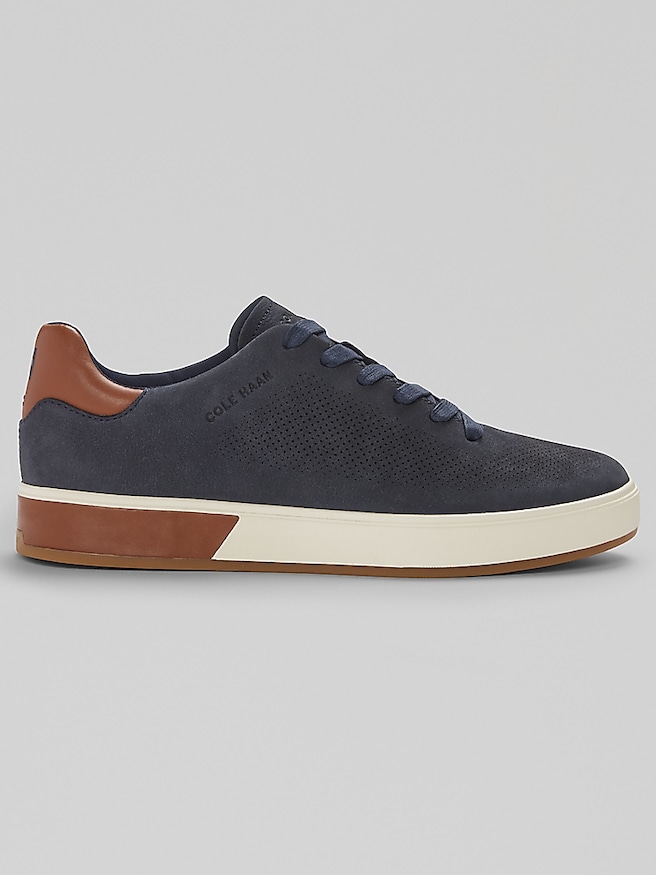
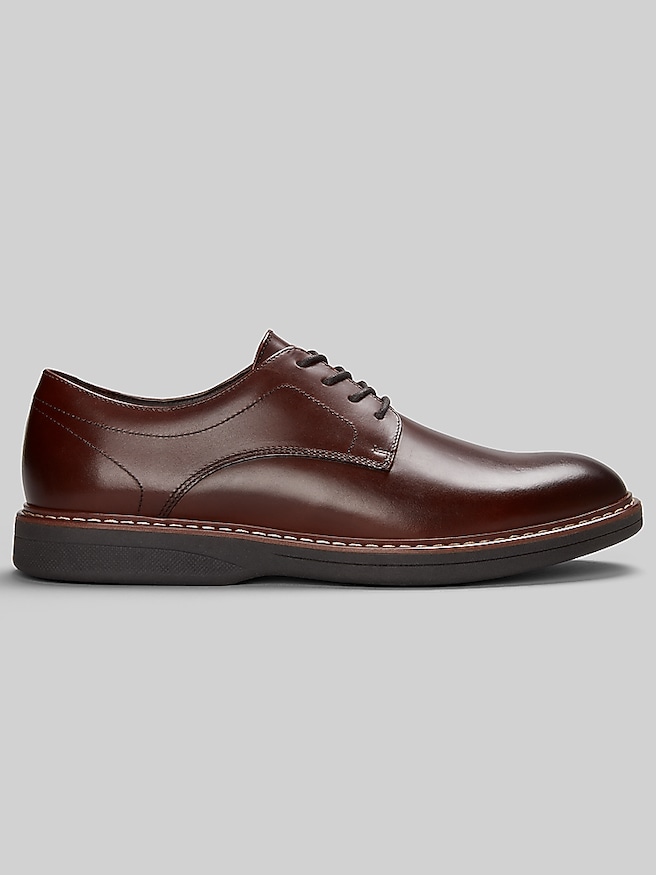
Men’s wide width sneakers provide extra room across the foot without requiring a longer shoe, making them a practical choice for men who find standard-width footwear restrictive. In men’s footwear, D generally denotes standard width, 2E commonly denotes wide, and 4E commonly denotes extra wide, although sizing conventions and the amount of space inside a shoe can vary by manufacturer and design. The distinction between D Width Sneakers and wide-width options is primarily about width and overall fit, not simply a larger size number. Moving up in length to gain room can leave too much space at the toes and allow the heel to slip, while the correct width can accommodate a broader forefoot at the appropriate length. A comfortable fit gives the toes room to rest naturally rather than pressing them together, with enough space above and beside them to avoid persistent rubbing. About a thumb’s width between the longest toe and the front of the shoe is a common starting point, but the shape of the toe box matters as much as that measurement. A rounded front may feel roomier than a tapered one, even when both shoes carry the same width designation. The heel should feel secure rather than loose, and the midfoot should feel held without pressure from the upper or laces. Adjustable lacing helps refine that balance, but loosening the laces cannot fully compensate for a shoe that is too narrow. Fit also depends on the socks typically worn and any inserts that need to sit inside the shoe. Removable footbeds can make room for compatible inserts, although their thickness may change how securely the heel sits. Feet can differ slightly in size and become fuller after hours of standing or walking, so comfort on both feet matters more than the width printed on the label. For someone whose shoes pinch along the outer edge during an afternoon of errands, that additional space can be a meaningful everyday improvement.
Materials and construction shape how wide-width sneakers feel through a full day of use. Textile and mesh uppers often provide flexibility and airflow, while leather can offer a more structured feel and a smooth surface that pairs easily with casual clothing. Suede brings a softer, textured appearance but generally needs more careful cleaning. Some designs combine materials, using flexible panels where the foot bends and sturdier overlays where additional structure is useful. Interior details deserve attention as well: a prominent seam near the little toe or a stiff edge around the ankle can affect comfort even when the overall width is appropriate. Underfoot, foam midsoles provide cushioning, but a soft feel is only one part of the experience. Firmer cushioning may feel more stable, while a thicker, softer midsole can create a plush step; neither approach is automatically better for every wearer. A broad base, a secure heel, and a forefoot that bends naturally can be especially useful for everyday walking. Rubber outsoles contribute traction and help protect areas that repeatedly meet the ground, though tread patterns and grip vary by design and surface. Wide width alone does not guarantee arch support, cushioning, or suitability for exercise. Sneakers intended for casual wear may be comfortable for commuting, shopping, and relaxed outings without having the construction needed for distance running or repeated side-to-side movements in a gym. Walking shoes often emphasize a smooth transition through each step, while training footwear may prioritize a stable platform for varied movements. The intended activity remains important alongside the fit. Someone moving between a desk and meeting rooms may prefer a streamlined sneaker with moderate cushioning, while someone spending hours on foot may place greater value on underfoot comfort and a secure, accommodating upper. For travel, a pair that feels comfortable across terminals, sidewalks, and long stretches of standing can earn its place in a suitcase, particularly when its appearance works with several outfits.
Wide-width sneakers can fit into an everyday wardrobe without looking oversized or overly athletic. Low-profile shapes, restrained stitching, and simple color combinations create a clean finish with chinos, straight-leg jeans, or casual trousers. More pronounced soles and textured uppers bring a sportier look that works naturally with joggers and relaxed weekend clothing. Proportion matters: a trouser hem that falls neatly above the shoe keeps the outline visible, while excessive fabric pooling around the ankle can make the whole outfit feel heavier. For workplaces that permit sneakers, a smooth upper and a well-kept sole can complement a polo, button-down shirt, or knit layer without suggesting that athletic footwear belongs in every dress setting. Keeping sneakers presentable also helps protect the materials that make them comfortable. Loose dirt is easier to remove before it settles into seams and textured surfaces. Many textile uppers respond well to gentle spot cleaning, smooth leather generally benefits from an appropriate cleaner, and suede usually calls for a dedicated brush and care products suited to its finish. The manufacturer’s care directions take precedence, especially when several materials appear on the same shoe. Machine washing is not suitable for every construction, and concentrated heat can affect adhesives, shape, and surface finishes. Air-drying away from direct heat is generally a gentler approach. Allowing shoes to dry fully between wears and alternating pairs when practical can help manage moisture and reduce repeated stress on the same materials. Durability depends on use as well as construction; uneven outsole wear, compressed cushioning, or a heel lining worn through can signal that a once-comfortable pair no longer fits or performs as it did. As a gift, wide-width sneakers are most thoughtful when the recipient’s usual length, preferred width, and daily activities are known. An existing well-fitting pair offers a useful reference, though size labels are not identical across designs. The strongest choice brings together the right amount of room, dependable comfort, and a style that feels natural in the recipient’s everyday routine.