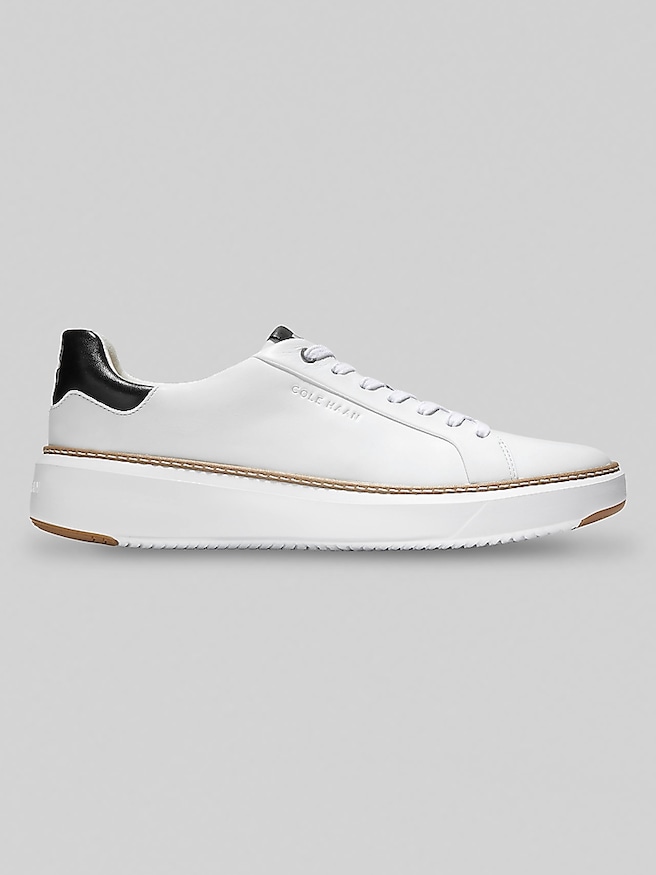
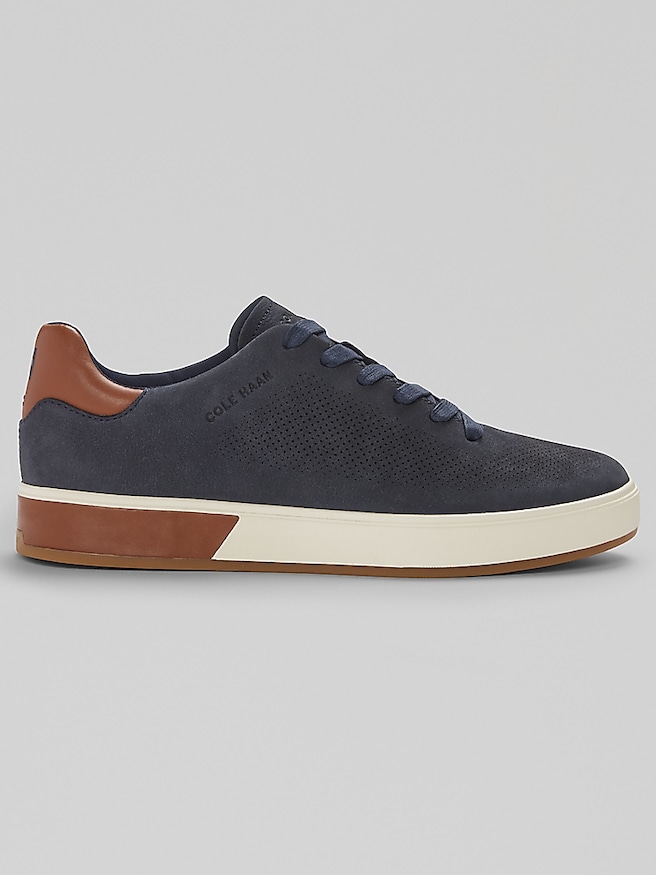
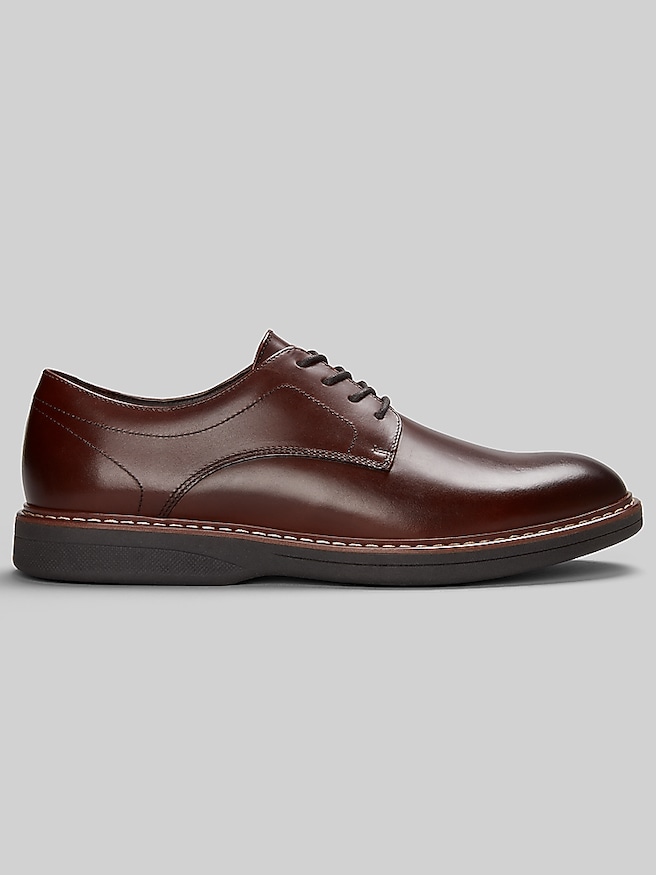
D width sneakers generally represent the standard width for men’s footwear in U.S. sizing, making them a familiar starting point for everyday shoes. The letter describes width rather than length, so a D designation alone does not tell the whole fit story. A sneaker’s shape, toe box, upper construction, and internal padding all influence how it feels on the foot. Two pairs marked with the same size and width can feel noticeably different: one may have a tapered front and close-fitting heel, while another offers a rounder toe and more room above the instep. A comfortable fit leaves space for the toes to move without letting the foot slide forward or the heel lift repeatedly with each step. The upper should feel secure across the middle of the foot, not stretched tight enough to create pressure along the sides. For someone moving between a commute, a desk, and errands on foot, that balance matters more than a width letter by itself. Socks also affect the fit; a thicker cushioned pair takes up more interior space than thin dress socks. Removable footbeds can be useful when an insert is part of an established footwear routine, although the replacement needs enough room to sit correctly without crowding the foot. When extra length seems necessary just to relieve pressure across the forefoot, a wider width may be a better match than sizing up. For someone whose usual length is 12 and who needs additional width, Men's Size 12 Wide Sneakers offers a relevant alternative to a standard D fit. Width labels are best considered alongside the overall shape of the shoe and the wearer’s established sizing preferences. Comfortable everyday sneakers should support natural movement from the first wear, rather than depend on prolonged stretching to make an overly narrow fit tolerable.
Materials give D width sneakers much of their character, from the smooth finish of leather to the softer texture of suede or the lightweight feel of textile uppers. Leather often works well in understated designs that bridge casual clothing and more polished outfits, while mesh and other breathable fabrics can suit long stretches of walking and everyday activity. Suede adds visual depth, particularly when the rest of an outfit is simple, but benefits from careful brushing and protection appropriate to the material. Mixed-material construction can combine structure around the heel with flexibility through the front of the shoe. Inside, lining texture, seams, and tongue padding contribute to comfort just as much as the outer finish. Underfoot, cushioning can soften the feel of pavement, while the outsole’s shape and tread influence flexibility and traction. A plush footbed is not automatically the best fit for every wearer; some prefer a firmer platform that feels steady under the heel. Intended use matters, too. Casual sneakers can be well suited to commuting, travel, and everyday walking, but a sporty appearance does not establish that a shoe is designed for running or demanding workouts. Durability depends on construction, frequency of wear, and care. Reinforcement around high-contact areas can help the upper withstand repeated movement, and securely attached soles are important where the shoe bends. Routine cleaning keeps small marks from becoming ingrained: loose dirt can usually be removed with a soft brush, while suitable leather surfaces may respond to a lightly damp cloth and a material-specific cleaner. Suede needs its own cleaning approach, and textile care should follow the manufacturer’s directions rather than assume machine washing is safe. Shoes that become damp should dry naturally away from direct heat. Letting sneakers air out between wears, loosening the laces before taking them off, and checking the outsole for uneven wear are small habits that help preserve their shape and condition. A tidy upper and an intact sole both contribute to a sneaker that continues to look appropriate beyond its first few outings.
The appeal of D width sneakers extends beyond comfort to the way they fit into an everyday wardrobe. Low-profile shapes with restrained detailing can sit neatly beneath straight-leg jeans, chinos, or casual trousers without drawing attention away from the outfit. A simple leather upper paired with an oxford shirt and an unstructured jacket creates a relaxed, composed look for a workplace where sneakers are permitted. More textured or athletic-looking designs feel at home with denim, knit shirts, and casual layers. Proportion makes a difference: a substantial sole can balance fuller trouser legs, while a slimmer profile often works well with a narrower hem. Pants that fall cleanly over the top of the shoe help avoid bunching around the ankle, and sock color can either blend into the trousers or add a subtle point of contrast. These are shoes for practical routines as much as finished outfits. A traveler navigating terminals, a student crossing campus, or someone spending a day between appointments may value secure lacing, comfortable cushioning, and a shape that remains easy to wear over several hours. For office use or social plans, clean uppers and restrained accents can make casual footwear feel considered rather than incidental, provided the setting’s dress expectations allow it. D width sneakers can also make a useful gift when the recipient’s size, preferred width, and everyday style are already known. A father who wears chinos most days may appreciate a different silhouette from a brother who favors jeans and athletic-inspired clothing, even if both wear the same width. Familiarity with the recipient’s usual fit is more useful than assuming that standard width suits everyone. Across these settings, the strongest choice is a sneaker whose materials, proportions, and construction match its intended role: comfortable enough for the daily route, easy to coordinate with frequently worn clothing, and straightforward to maintain with regular care.