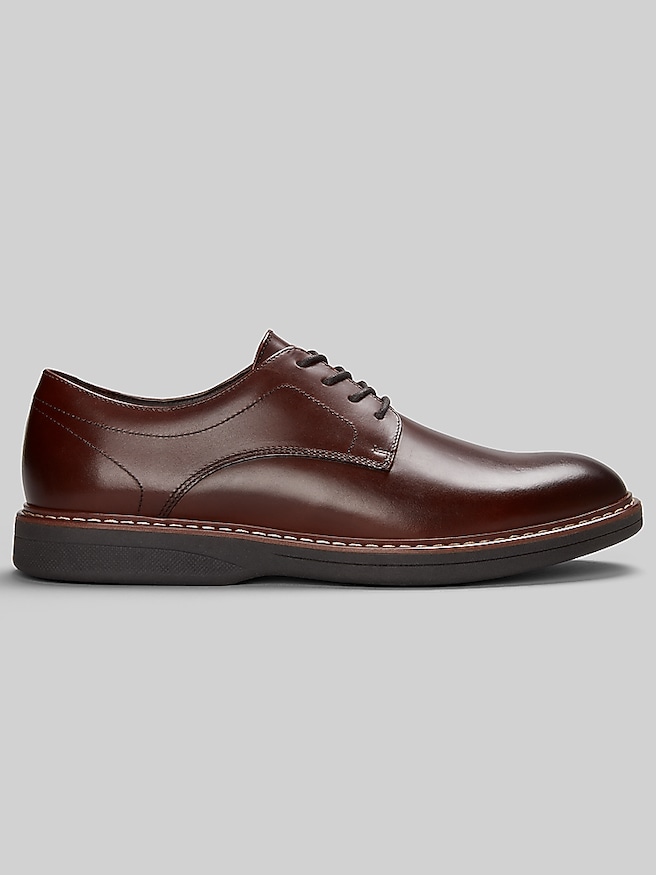
Men's size 12 wide sneakers combine a U.S. size 12 length with additional width compared with a standard-width shoe in the same size. That distinction matters when a shoe feels long enough but presses against the sides of the forefoot, squeezes the little toe, or pulls tightly across the ball of the foot. In men's footwear, 2E commonly indicates wide and 4E commonly indicates extra wide, although measurements and labeling vary by manufacturer. A wide fit is not simply a longer shoe, and moving up a full size to gain side-to-side space can leave excess length at the toe or allow the heel to shift. The most comfortable shape provides room for the toes to spread naturally while keeping the heel and midfoot secure. Toe-box shape, upper construction, and interior volume all contribute to that balance; two sneakers marked with the same size and width can still feel noticeably distinct. A rounded forefoot may feel less restrictive than a tapered one, while an adjustable lace closure can accommodate some variation across the top of the foot. Neither feature replaces the need for the correct width. Everyday socks also affect the feel, especially when thicker fabric takes up space around the toes and heel. For someone who spends the day moving between a desk, a lunch outing, and errands, a stable fit can be more useful than an especially soft first impression. Comfortable sneakers should not depend on a lengthy break-in period to relieve pinching or pressure. Enough room ahead of the longest toe, without excessive sliding, helps distinguish a suitable size from a shoe that merely feels spacious. These same fit considerations apply across the broader Men's Wide Width Sneakers category, with the size designation serving as a starting point rather than a guarantee that every silhouette will suit every foot. The right combination feels accommodating through the forefoot without becoming loose elsewhere.
Materials and construction help determine how men's size 12 wide sneakers feel throughout an ordinary day. Mesh uppers generally allow more airflow and flex easily as the foot bends, making them a practical consideration for frequent walking and casual wear. Knit fabrics can offer a flexible, socklike feel, though a stretchy upper does not necessarily provide the same structure as reinforced panels. Smooth leather creates a cleaner, more structured appearance that works naturally with chinos or dark denim. Suede adds texture and a softer visual finish, while synthetic materials vary in flexibility, weight, and ease of cleaning. Inside the shoe, smooth linings and thoughtfully placed seams can reduce friction, particularly around the heel and toe area. Underfoot, cushioning and support perform related but distinct jobs. Foam midsoles soften the sensation of contact with the ground, while the shape and firmness of the shoe influence how securely the foot sits over its base. The thickest sole is not automatically the most comfortable choice; a very soft platform may feel less steady to someone who prefers a firmer step. Rubber outsoles can add traction and protect high-contact areas from abrasion, although tread design and surface conditions affect grip. Reinforcement around the toe and heel can also help a sneaker hold its shape through repeated wear. Daily walking, commuting, and relaxed social plans typically call for a balance of flexibility, cushioning, and durability rather than a single standout feature. Sneakers intended for running, court sports, or gym training have activity-specific construction, so a casual silhouette should not be assumed to provide the same performance. For travel days involving terminal walks, extended sitting, and time on foot after arrival, secure lacing and a nonrestrictive forefoot are useful details. A removable footbed may offer flexibility for someone using an insert, provided the shoe has sufficient depth and still fits securely afterward. Width, depth, and cushioning work together, but none can fully compensate for an unsuitable overall shape.
The appeal of wide sneakers also extends to how easily they fit into a wardrobe. A streamlined leather silhouette can complement flat-front chinos, a knit polo, and an unstructured jacket in a workplace that permits casual footwear. A more athletic shape feels at home with joggers, straight-leg jeans, or casual shorts, while subtle colors make it easier to repeat the same pair across several outfits. The proportions matter as much as the color: a fuller sole often sits comfortably beneath a straight trouser leg, whereas a slimmer profile gives a more understated finish with tapered pants. Keeping the hem from bunching heavily over the shoe lets the sneaker's shape look intentional. Care helps preserve that appearance and supports longer wear. Loose dirt is easiest to remove before it settles into textured surfaces, and cleaning methods should follow the material-specific instructions supplied with the footwear. Mesh and fabric often benefit from gentle spot cleaning, smooth leather may need an appropriate cleaner and occasional conditioning, and suede requires tools designed for its raised nap. Soaking or machine washing can affect adhesives, finishes, and structure unless expressly permitted by the care instructions. Air-drying away from direct heat helps protect the materials, while giving worn shoes time to dry between outings keeps the interior more pleasant. Repeated wear eventually compresses cushioning and smooths tread, even when the uppers still look presentable; uneven wear or a newly unstable feel can signal that the shoe no longer performs as it once did. As a gift for a dad, brother, partner, or friend, size 12 wide sneakers are most thoughtful when both the recipient's length and width are known. A familiar shoe label can provide a useful reference, but preferences for toe room, cushioning, and overall shape still matter. Those details turn a practical footwear choice into something suited to the recipient's daily routine, whether that means a casual office, neighborhood walks, or weekends spent moving from one plan to the next.