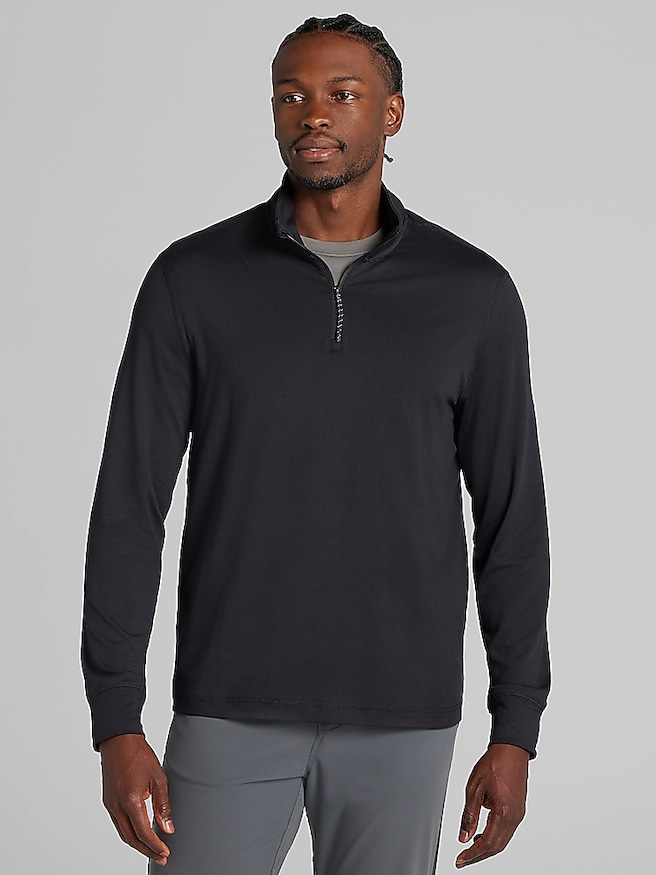
Warm tops are a practical foundation for dressing comfortably through cooler months, whether the day involves a brisk commute, an early morning walk, time outdoors, or a relaxed evening at home. This category includes soft long-sleeve layers, thermal-inspired tops, knit pullovers, quarter-zip styles, and other insulating essentials designed to add warmth without making an outfit feel bulky. The best choice depends on how the top will be worn and how much heat it needs to provide. A lightweight layer works well under a shirt or jacket when the temperature is mild, while a midweight top offers a useful balance for everyday wear indoors and outdoors. Heavier knits and substantial fleece-like fabrics are suited to colder conditions, especially when activity levels are low and the body needs more help retaining warmth. When building a versatile wardrobe, consider exploring Men's Tops for additional layering options that can be combined with warm essentials throughout the season. Fit matters just as much as fabric. A close-fitting base layer can sit smoothly beneath a button-down, sweater, or coat, while a relaxed silhouette leaves room for an undershirt and creates a more casual look. Look for sleeves that reach the wrist, a hem that stays comfortably tucked or covers the waistband, and enough ease through the shoulders to allow natural movement. A tall collar, mock neck, or quarter-zip opening can add coverage around the neck, while ribbed cuffs help keep cool air from entering at the wrists. Small construction details often make the biggest difference when a top is worn for hours at a time.
Fabric is another important consideration when choosing warm tops. Cotton is soft, familiar, and comfortable for everyday use, making it a natural choice for casual outfits and indoor layering. Waffle or textured knits can create small pockets of air that help hold warmth while adding visual interest beneath an overshirt or jacket. Polyester and other performance fibers are often valued for their light weight, quick-drying properties, and ability to move moisture away from the skin during active use. Merino wool is known for warmth without excessive bulk and can help regulate comfort when the day moves between a chilly exterior and heated indoor spaces. Blended fabrics bring together different benefits, such as the softness of cotton with the resilience or moisture management of synthetic fibers. Think about the setting before choosing a material: someone working outdoors may appreciate a layer that dries quickly and allows easy movement, while someone dressing for an office may prioritize a smooth surface that sits neatly beneath tailored clothing. Care instructions also deserve attention. Some warm tops can be machine washed and dried with minimal effort, while delicate fibers may require gentler handling. Choosing a fabric that fits the wearer’s routine makes it more likely to become a dependable favorite rather than an item reserved for occasional use. Color can shape versatility as well. Neutral shades such as black, navy, charcoal, gray, brown, and cream pair easily with denim, chinos, corduroy, and tailored trousers. A muted seasonal tone can add personality without making the top difficult to coordinate. For a polished layered outfit, keep the base layer relatively streamlined and let the outer piece provide structure. For casual days, a textured warm top can stand on its own with jeans and sturdy shoes.
Warm tops also make thoughtful gifts because they combine everyday usefulness with a personal sense of comfort. They can suit a father who spends cool mornings outdoors, a partner who prefers practical wardrobe staples, a son heading away to school, or a friend who enjoys weekend hikes and outdoor gatherings. A versatile color and familiar fit are sensible choices when exact preferences are unknown, while a more substantial knit or performance-oriented layer can reflect the recipient’s routine. If the top is intended as a gift, consider the person’s usual wardrobe, preferred neckline, and typical level of activity. Someone who layers beneath jackets may prefer a smooth, close-fitting style, while someone who wears warm tops alone may enjoy a roomier cut, visible texture, or a distinctive collar. For outdoor work, walking, travel, and winter recreation, prioritize freedom of movement, dependable coverage, and fabrics that remain comfortable when conditions change. For daily errands and casual social plans, softness, easy care, and simple coordination may matter most. Warm tops are especially useful during the transitional stretch when mornings feel crisp but afternoons are milder; they can be worn alone early in the day, then folded into a bag or layered beneath a jacket as temperatures shift. In colder conditions, they form the first step of a reliable system: a comfortable base, an insulating middle layer, and an outer piece that helps block wind or moisture. With the right combination of weight, fabric, fit, and style, a warm top becomes more than a seasonal extra. It is the layer reached for before a morning commute, packed for a weekend away, or kept near the door for those unexpectedly chilly moments when comfort matters most.