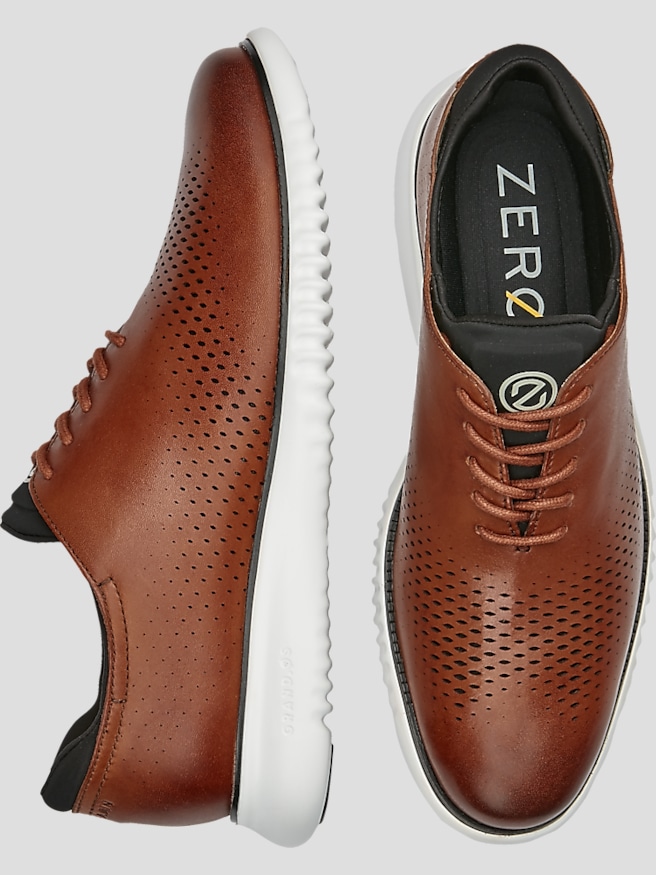
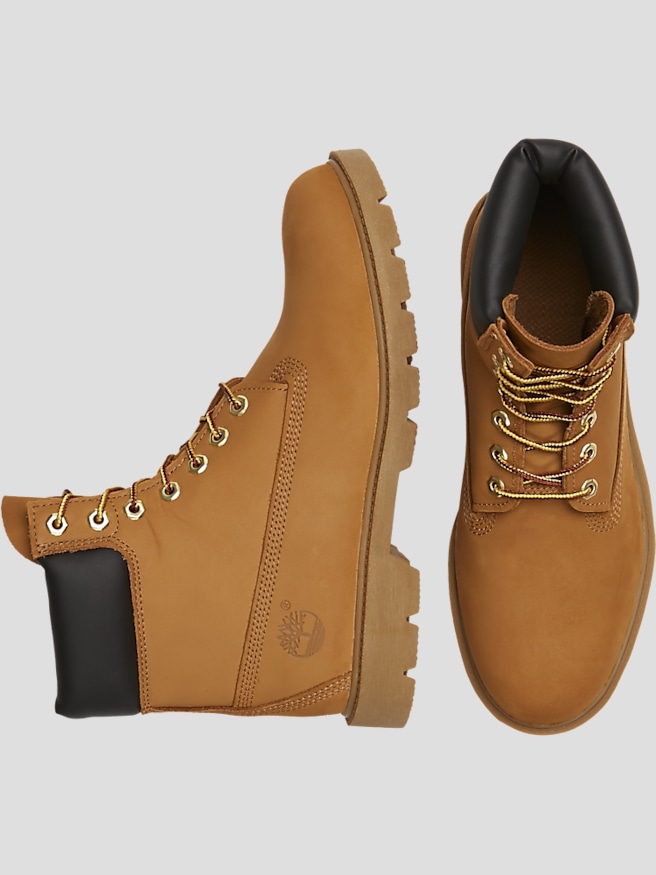
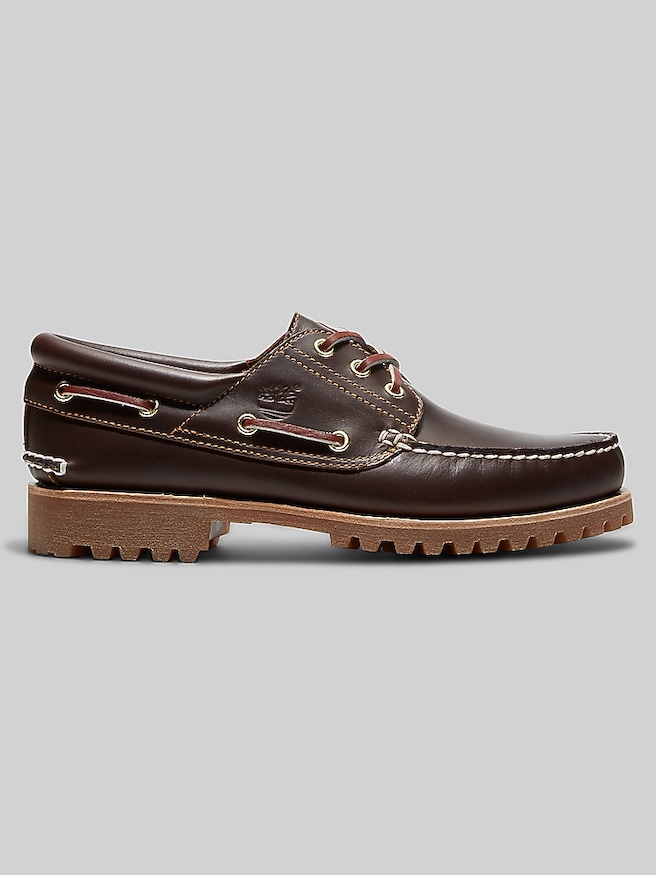
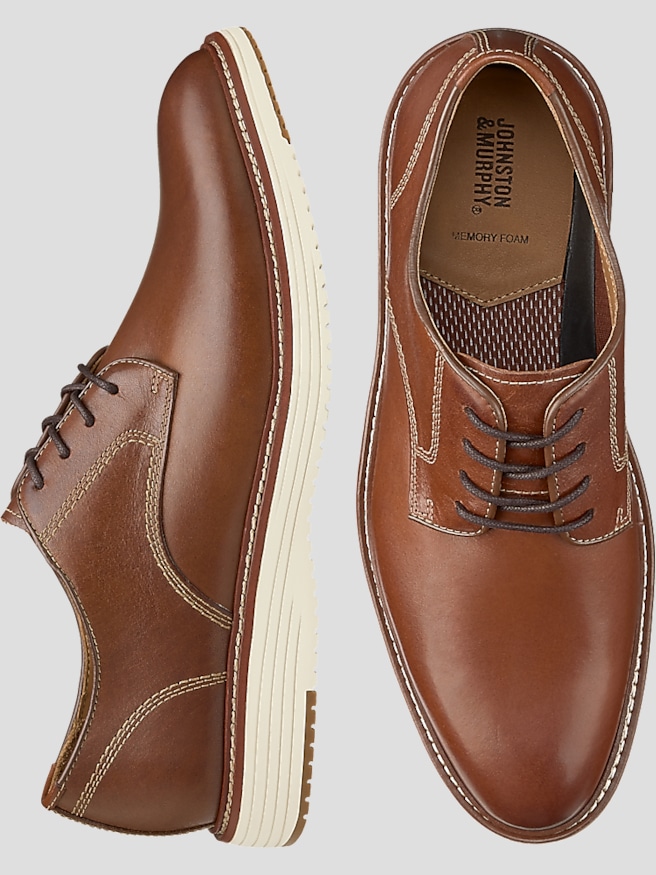
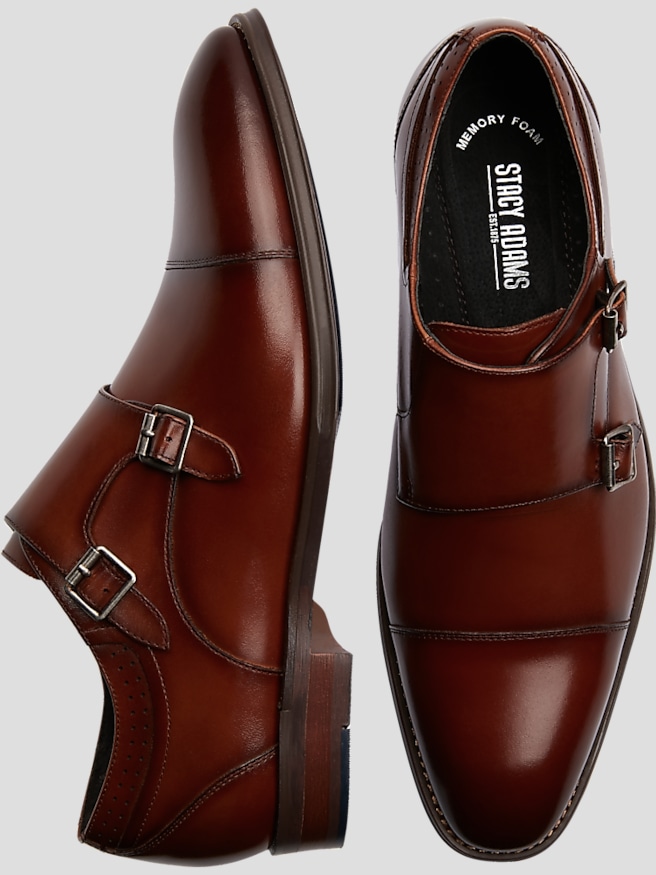
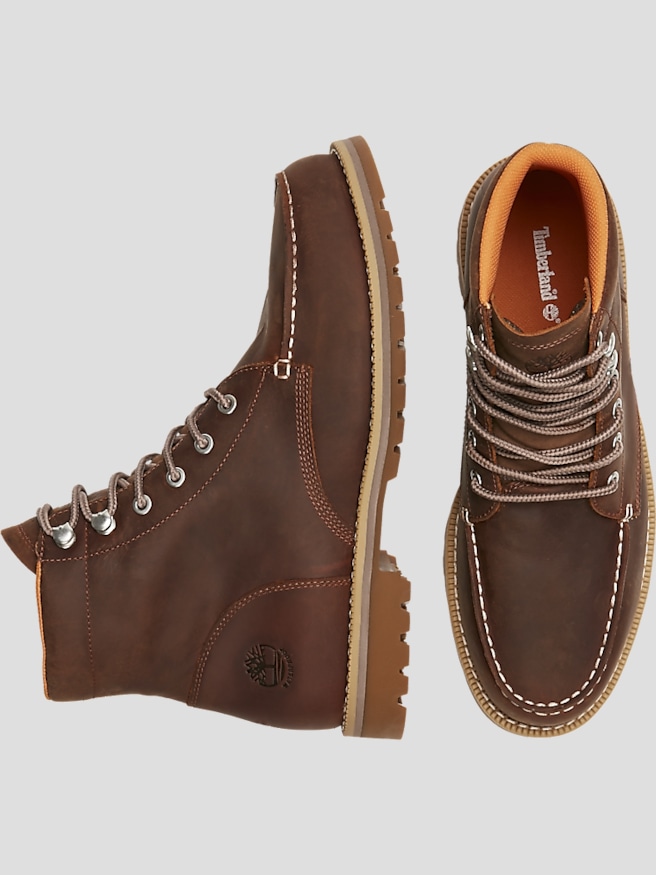
Men’s walking dress shoes bring together the polished appearance expected in a traditional dress shoe and the comfort features needed for commuting, travel, workdays, and long stretches on your feet. They are a practical choice for anyone who wants to move through the day without changing from formal footwear into sneakers. A well-designed pair may feature a leather or refined synthetic upper, a cushioned midsole, a flexible rubber or blended outsole, and a supportive footbed that helps soften the feel of each step. These details are especially useful when your day includes a train platform, a long hallway, a client meeting, and several blocks between appointments. The best styles retain the clean lines of an oxford, derby, loafer, or cap-toe shoe while adding comfort features commonly associated with athletic footwear, including shock absorption, lightweight construction, and natural flexibility. For a more detailed look at comfort-focused formal footwear, explore Mens Comfortable Dress Shoes. When comparing men’s walking dress shoes, start with the occasions and surfaces you encounter most often. Smooth leather uppers create a classic impression for offices, ceremonies, dinners, and professional travel, while subtle broguing or a textured finish can add visual interest without making the shoe feel too casual. A rounded or gently tapered toe generally offers a more relaxed fit than an aggressively pointed shape, and a roomy toe area allows the foot to spread naturally during extended walking. Pay attention to width options as well; a shoe that looks sophisticated but pinches across the forefoot can become uncomfortable quickly. Fit should feel secure at the heel, with enough room to flex the toes and no excessive slipping as you walk. Trying shoes on with the socks you expect to wear is a simple step that can make a noticeable difference, particularly when selecting footwear for cooler days or business travel.
The sole and interior construction deserve just as much attention as the upper. Cushioning materials such as EVA, PU foam, or other lightweight compounds can reduce the hard impact often associated with traditional leather soles, while rubber traction in the heel and forefoot helps provide confidence on polished floors, sidewalks, and damp pavement during the cooler months. A flexible outsole should bend naturally near the ball of the foot without folding awkwardly through the middle of the shoe. This balance lets the shoe support a comfortable walking stride while maintaining a dress-ready profile. A removable footbed can be useful for replacing a worn insole or accommodating a personal orthotic, and padded collars, soft linings, and moisture-managing fabrics can help reduce friction during a full day of wear. Breathable perforations or lightweight lining materials may be welcome when moving between heated interiors and brisk outdoor air, while a smooth, well-finished lining can make it easier to wear the shoes with fine dress socks. Consider the type of support you prefer before purchasing: some people look for a neutral, cushioned feel, while others appreciate structured arch support or a wider toe box. Those with persistent foot discomfort, prescribed orthotics, or specific fit needs should review the shoe’s construction carefully and consult a qualified medical professional when appropriate. Comfort also depends on a gradual break-in period. Wearing a new pair around the house or for shorter outings before committing to an all-day event can reveal pressure points early and give the leather or upper time to relax. During rainy or snowy conditions, use appropriate care products, allow damp footwear to dry naturally, and avoid placing shoes directly against a radiator or strong heat source.
Men’s walking dress shoes can serve a range of wardrobes and lifestyles. They work well for professionals who spend part of the day at a desk and part of it visiting customers, for travelers who need one versatile pair for airport terminals and evening meals, and for anyone attending a wedding, conference, graduation, or formal gathering where comfort matters as much as appearance. They can also be a thoughtful gift for a partner, parent, graduate, colleague, or frequent traveler, particularly when chosen with the recipient’s usual dress code and fit preferences in mind. A black pair offers dependable versatility with suits, charcoal trousers, and darker formalwear, while brown, cognac, or other warm tones can complement navy tailoring, chinos, and textured separates. Matching the shoe’s level of formality to the clothing keeps the overall look intentional: sleek uppers and restrained detailing suit more formal settings, while brogue accents, contrast soles, or softly grained finishes can work with business-casual outfits. For an everyday office wardrobe, consider how the shoes coordinate with belts, briefcases, and outer layers such as wool coats or lightweight jackets. For special events, look for a refined silhouette that will remain comfortable through photographs, conversation, and time spent standing. Rotation can extend the life of each pair, giving the upper and footbed time to recover between wears. Use a shoe tree when possible to help maintain the shape, brush away surface dust, and condition genuine leather according to the material’s needs. With the right fit, supportive construction, and versatile styling, men’s walking dress shoes make it easier to maintain a polished appearance from the first appointment of the day through the final walk home.