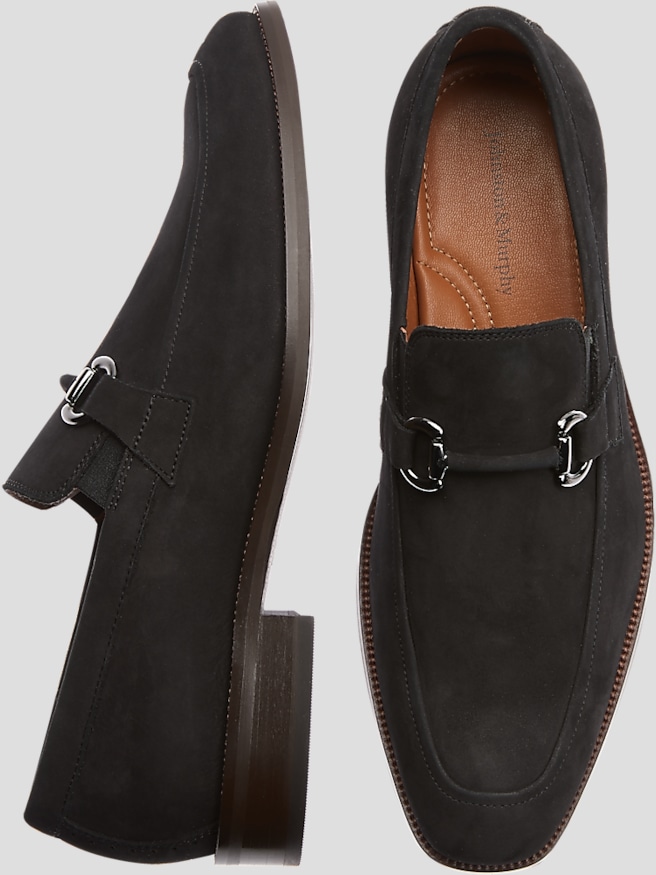
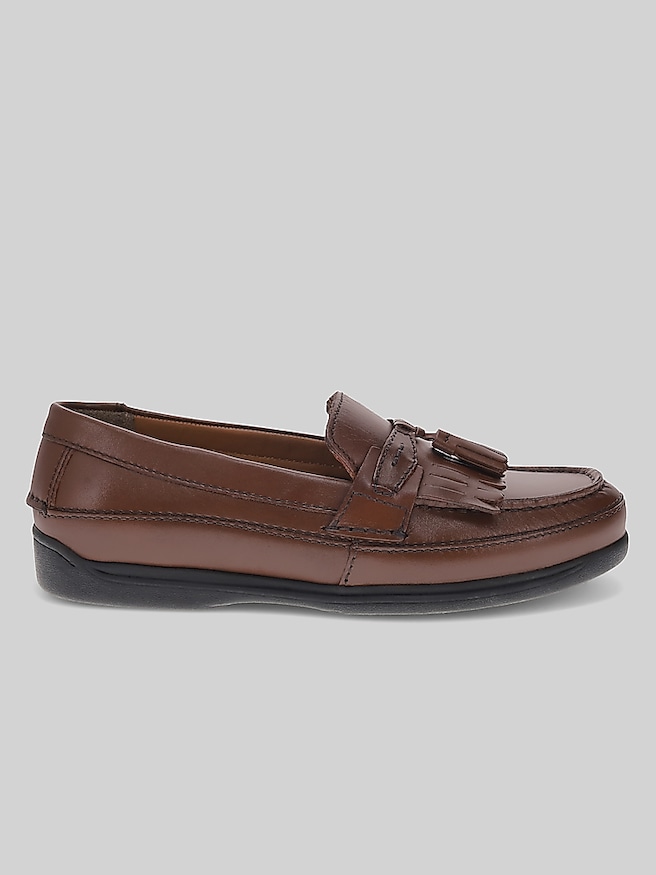
Men's summer suede loafers are slip-on shoes with a soft, napped leather upper and a relaxed appearance that works especially well with lightweight tailoring and casual separates. Suede has a matte texture rather than the shine of polished leather, giving even a neatly shaped loafer a less formal feel. That balance makes the category useful for outdoor dinners, vacation evenings, daytime celebrations, and offices where chinos and an open-collar shirt fit the dress code. A sand-colored pair beneath ivory linen trousers creates an easy, tonal combination; chocolate brown adds definition to pale blue pants; navy sits comfortably alongside stone chinos and a white cotton shirt. Taupe is another versatile shade, particularly when an outfit includes several muted colors. The shape and detailing influence the impression as much as the color. Penny loafers have a familiar strap across the instep, Venetian loafers keep the upper clean and uninterrupted, and tassel loafers add movement and a slightly dressier finish. A rounded toe generally feels more casual, while a gently tapered profile can sit neatly beneath tailored trousers without looking overly formal. Trouser length matters here: a clean hem with little or no break leaves the shoe's shape visible, whereas excess fabric can overwhelm a low-cut loafer. Tailored shorts also work with suede loafers when the rest of the outfit stays deliberate, such as a knit polo or a short-sleeve button-down with a tidy collar. For a summer wedding, suede may complement an unstructured suit when the invitation permits relaxed tailoring, but it is not a substitute for formal footwear at a black-tie event. The broader Mens Casual Summer Loafers category provides another way to explore this easygoing style, with suede standing out for its subtle texture and understated finish.
Material and construction determine how summer suede loafers feel beyond their appearance. Suede is leather with a raised nap, typically produced from the inner side of a hide, and its softness can help an upper flex with the foot. That does not mean every suede shoe feels equally light or breathable. The thickness of the leather, the lining, the footbed, and the sole all affect comfort. An unlined upper may feel especially supple, while a lined version can provide more structure and a smoother interior; either approach still needs a good fit. Because loafers have no laces to adjust, the instep should feel secure without pressure across the top of the foot. Toes need room to rest naturally, and the heel should stay comfortably seated rather than repeatedly lifting or rubbing. Suede can soften and ease somewhat with wear, but a shoe that pinches sharply or crowds the toes should not be expected to become the correct size. Trying loafers with the same socks intended for regular wear gives a more useful sense of fit than switching between thick socks and bare feet. Low-cut, no-show socks preserve the exposed-ankle look while providing a washable layer between the foot and the shoe; a heel grip on the sock can help keep it from slipping beneath the foot. Underneath, flexible rubber soles may suit everyday errands and casual outings, while leather soles tend to create a sleeker profile. Traction varies with the tread and surface, so a smooth sole deserves extra attention on polished floors or damp pavement. Cushioning can make standing more pleasant, but softness alone does not establish support or make a loafer suitable for all-day sightseeing. For a day that includes a long walk from the hotel, hours on foot, and dinner afterward, the shoe's fit and underfoot construction matter more than its relaxed appearance. A low profile is a styling feature, not a guarantee of walking comfort.
Suede rewards a little regular care, especially in light shades that show dust and marks more readily. Its raised fibers catch light from several directions, so small variations in shading are part of the material's character rather than necessarily a stain. A suede brush used gently on dry shoes can lift surface dust and restore the nap after wear. Dried dirt is generally easier to brush away than wet dirt, which can spread when rubbed. For a stubborn mark, a suede eraser or a cleaner specifically intended for suede is more appropriate than ordinary leather polish; polish and heavy creams can flatten or darken the surface. Any treatment should be tested in an inconspicuous area first, including a suede-compatible protective spray, since finishes and colors respond differently. Protection can help limit staining but does not make suede waterproof. Summer suede loafers are best suited to predominantly dry conditions, and an unexpected soaking calls for gentle blotting and air-drying away from direct heat. Alternating footwear gives the interior time to dry between outings, while properly sized shoe trees can help preserve the shape without stretching the upper. Storage matters, too: a breathable bag and a dry space away from strong sunlight help protect the nap and color. Durability depends on the quality of the upper, the construction, the sole, and the demands placed on the shoe. Frequent pavement walking wears soles differently from occasional dinners, and driving-style soles with small rubber sections may be less suited to heavy walking than a full outsole. For gifting, suede loafers make the most sense when the recipient's size, width, and preferred silhouette are already familiar. A dad who wears chinos to weekend lunches may appreciate a classic brown shape, while a recent graduate building a business-casual wardrobe may get more use from a streamlined neutral style. The lasting appeal is straightforward: soft texture, an uncluttered shape, and enough versatility to connect relaxed summer clothing with occasions that still call for looking put together.