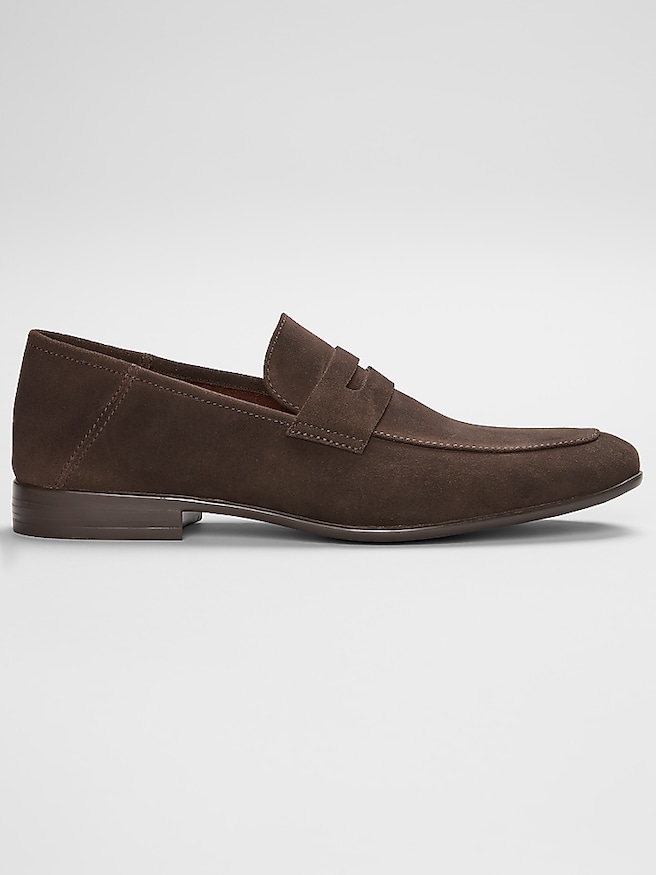
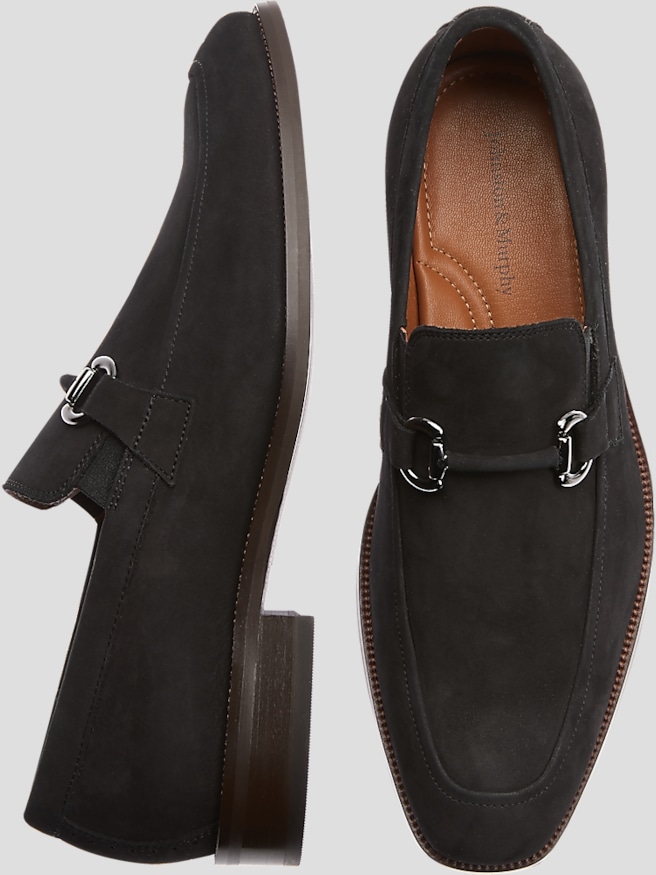
Men’s summer penny loafers bring the ease of slip-on footwear to outfits that call for something more polished than sneakers. Recognizable by the slotted strap across the instep, the penny loafer has roots in casual footwear but a shape that works comfortably with tailored clothing. For summer wear, useful features include supple uppers, a comfortable lining, and a sole that bends naturally beneath the ball of the foot. Suede and unlined leather are worth considering for their softness and flexibility, although breathability depends on the shoe’s full construction, not just its outer material. Medium brown, tan, and taupe complement light cotton and linen, while chocolate brown adds definition beneath cream trousers. Black creates a sharper contrast and suits outfits built around gray, navy, or crisp white. The silhouette matters as much as the color: a gently rounded toe and modest sole look relaxed without appearing bulky, while a sleeker profile fits more naturally beneath tailored trousers. With chinos and a tucked-in polo, penny loafers make sense for an office with a relaxed dress code or a dinner reservation after work. With linen trousers and an open-collar shirt, they offer an easy finish for a daytime celebration or an outdoor reception where the invitation permits less formal footwear. Tailored shorts can also work with penny loafers, especially when the shorts have a clean hem and the shoes have a softer, understated shape. Trouser hems should sit neatly above the shoe or meet it with little excess fabric; heavy bunching hides the strap and interrupts the clean line. For a broader look at relaxed slip-on styles, men’s casual summer loafers offer a related category to explore. Penny loafers remain distinctive within that group because their simple strap provides enough detail to anchor an outfit without buckles, tassels, or laces.
Materials and fit determine whether summer penny loafers feel as good at the end of an afternoon as they look at the start. Suede has a softly textured surface that pairs particularly well with linen’s irregular weave and the matte finish of cotton chinos. Smooth leather gives a cleaner, more structured impression and can generally be wiped down more easily after everyday wear. Neither material guarantees a lightweight or breathable shoe: thick linings, substantial padding, and heavy soles can change the feel considerably. Unlined construction reduces bulk and may allow the upper to conform more readily to the foot, while a partial or full lining can provide a smoother interior and additional structure. Check for seams that might rub near the toes or across the instep, particularly if low-cut socks are part of the outfit. Because penny loafers have no laces to adjust, the fit across the instep and around the heel deserves close attention. The strap area should hold the foot securely without pressing painfully, and the toes should have room to rest naturally rather than curl or overlap. A small amount of heel movement may occur with a stiff new sole, but repeated lifting, rubbing, or the need to grip with the toes suggests that the size or shape is not suitable. Leather may soften with wear, but shoes that pinch should not be purchased on the assumption that they will stretch enough. Trying them on with the intended socks and walking on a clean indoor surface helps reveal pressure points. No-show socks preserve an ankle-baring appearance while adding a washable layer between skin and shoe; a secure heel grip helps keep them from slipping underneath the foot. Lightweight crew socks are another option when more coverage suits the setting. For travel days or occasions involving extended standing, cushioning, a stable heel, and comfortable forefoot flexibility deserve priority over a particularly slim profile. A loafer suitable for dinner is not automatically the best choice for several miles of sightseeing.
Sole construction also influences where men’s summer penny loafers work best and how they hold up over time. Rubber soles can provide useful grip and cushioning, though performance varies with the compound and tread pattern. Leather soles offer a traditional appearance and a slim profile, but smooth surfaces may feel slippery, especially before the soles have seen some wear. Neither type should be assumed suitable for wet decks, slick paving, or other surfaces where dependable traction is essential. A thicker sole can make a loafer feel more substantial and casual, while a thin, close-trimmed edge emphasizes the shape of the upper. Durability comes from the combination of materials, construction, fit, and care rather than one feature alone. Even stitching, tidy joins, and a securely attached heel are useful details to examine. Some constructions allow resoling, but repair options should be confirmed rather than assumed. Regular care helps preserve both appearance and comfort. After wearing suede loafers, let them dry naturally before using a suede brush to lift surface dirt and restore the nap. Smooth leather benefits from gentle cleaning and occasional conditioning with a compatible product, following the maker’s instructions and testing first in an inconspicuous area. Protective treatments should be appropriate for the material; they may improve resistance to moisture or stains without making the shoe waterproof. If loafers become damp, keep them away from radiators and direct heat, and allow them to dry fully before wearing them again. Cedar shoe trees can help maintain the shape between wears, while rotating footwear gives the interior time to air out. A shoehorn protects the heel from being crushed during repeated slipping on and off. These practical details are especially valuable for someone who reaches for loafers throughout a summer workweek or packs them for a trip with dinners and social plans. As a gift for a graduate, partner, or parent, penny loafers are most useful when the recipient’s size, width, and preferred level of structure are known. A familiar neutral color and a shape that complements clothing already in the closet can make them an easy addition to everyday dressing.