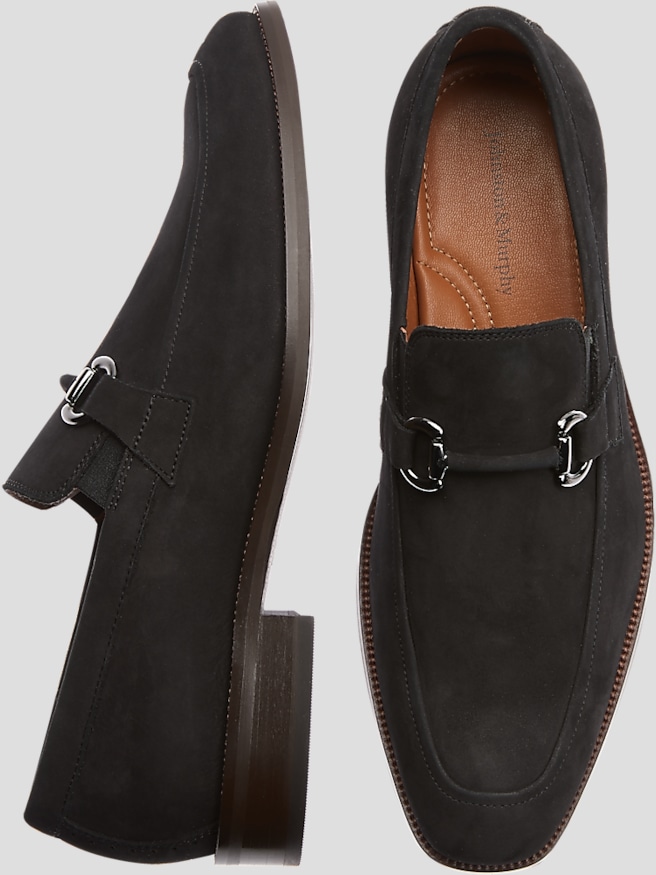
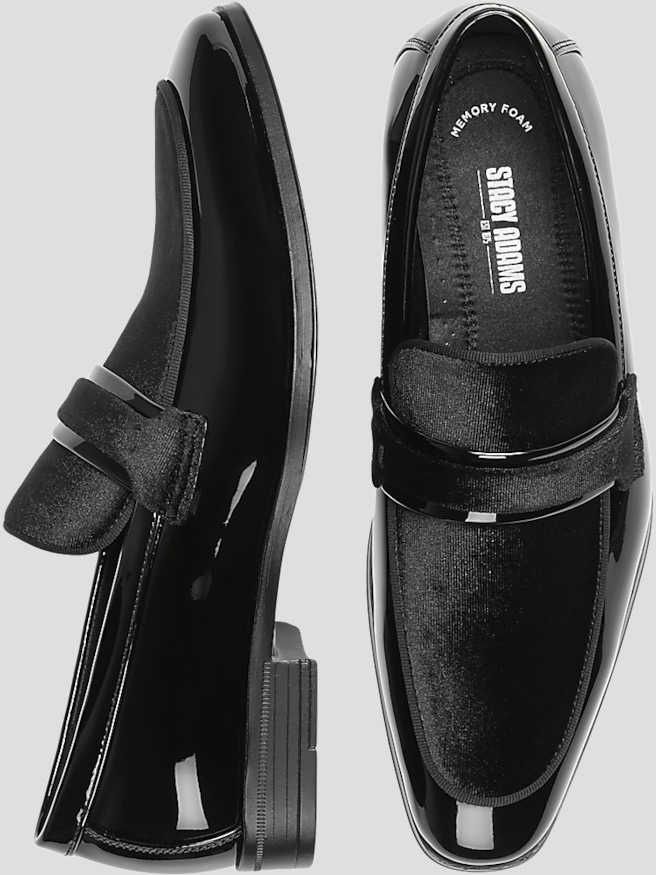
Men’s casual summer loafers bring the ease of a slip-on shoe to outfits that need more polish than sneakers and less formality than dress shoes. Their low profile, open ankle, and typically flexible construction make them a natural match for chinos, linen pants, and tailored shorts. For warm-weather wear, useful features include breathable uppers, a comfortable lining, secure heel fit, and a sole suited to the amount of walking planned. Unlined suede and lightweight canvas can feel less structured against the foot, while smooth leather offers a clean finish that works well for casual office settings and dinner reservations. Breathability depends on the entire shoe, however, not just its outer material; a thick lining or heavily padded upper can make even a lightweight-looking loafer feel substantial. Suede adds a soft, matte texture that complements the slub of linen and the crisp surface of cotton twill. The subtle nap also gives simple colors depth, whether the shade is sandy beige, warm brown, or muted olive. For a closer focus on that texture, Men's Summer Suede Loafers carry the same relaxed character into an especially versatile material. Canvas has a more laid-back appearance, well suited to an untucked button-down and shorts, while smooth leather can bridge the space between a knit polo and an unstructured jacket. Penny loafer styling keeps the upper relatively restrained; tassels add movement and a slightly dressier note. A moccasin-style toe seam gives the shoe a softer visual outline that fits comfortably into weekend wardrobes. Light, earthy colors emphasize the casual character of summer clothing, but navy and deeper brown can be easier to coordinate across several outfits. The most useful choice is often the one that repeats a color already present in a belt, pants, or favorite shirt without making every accessory look precisely matched.
Fit matters especially with loafers because there are no laces to adjust the hold across the foot. A comfortable pair should feel secure over the instep, leave room for the toes to rest naturally, and stay with the heel through a normal stride. A little movement can occur with some constructions, but persistent slipping, toe gripping, or rubbing is not a good foundation for all-day comfort. Trying loafers with the socks intended for regular wear gives a more accurate sense of fit than trying them barefoot and adding socks later. Low-cut, no-show loafer liners preserve the open-ankle look while absorbing some moisture and reducing direct friction against the lining. Their cut should sit below the shoe opening, and a secure heel helps keep the fabric from sliding underfoot. Thin socks can also make sense with trousers when a visible sock fits the outfit. Leather and suede may soften with wear, but that change should not be counted on to correct cramped toes or a painfully tight instep. Width, toe shape, and the height of the upper all affect comfort, so length alone does not tell the whole story. Underfoot construction is equally important. Cushioning softens the immediate feel of each step, while a supportive footbed and stable sole can matter more over a full afternoon. Flexible rubber soles often suit everyday pavement, though grip varies with tread pattern, surface, and moisture. Low-profile driving-style soles have a relaxed look and flexible feel, but extensive walking may call for more substantial coverage beneath the foot. A lunch near the waterfront, a casual workplace, and a day spent crossing a large vacation property place different demands on footwear. Loafers intended mainly for seated gatherings or short outings do not necessarily offer the same support as shoes built for prolonged walking. For travel, a versatile neutral color and a fit already tested on familiar walks are more useful than relying on an unfamiliar pair for a full itinerary.
The appeal of casual summer loafers is how easily they sharpen everyday combinations without making them look overdressed. Tan suede beside olive chinos feels relaxed but considered; navy canvas with stone-colored shorts has a simple, clean contrast. Brown leather works with a tucked-in polo and lightweight trousers when a restaurant or office calls for a little more structure. Pants with a clean hem and little excess fabric at the ankle let the shape of the loafer show, while shorts with a tailored silhouette balance its relatively refined upper. For a casual outdoor gathering, textured loafers can complement linen separates, provided the setting and dress expectations allow that level of informality. They can also make a thoughtful gift for someone who enjoys weekend entertaining, vacation travel, or polished casual clothing, especially when the recipient’s usual size, width, and preferred shoe shape are known. Keeping that easy appearance takes material-specific care. Suede benefits from a soft brush used on a dry surface to lift dust and restore the nap; a protector labeled for suede may help resist some stains but does not make the shoe waterproof. Testing any treatment on an inconspicuous area helps avoid an unexpected color change. Smooth leather generally needs gentle cleaning and occasional conditioning with a suitable product, while canvas care depends on the construction and manufacturer’s directions. Machine washing can damage adhesives, trims, or internal structure, even when the fabric itself seems washable. After wear, allowing loafers to dry naturally away from direct heat helps protect their shape and finish. Rotating pairs gives moisture time to dissipate, and appropriately sized shoe trees can help leather footwear retain its form without stretching the upper. Durability also depends on sound stitching, secure sole attachment, and using the shoes on surfaces appropriate to their construction. Checking heel wear and addressing loose seams early can prevent small issues from becoming larger ones. With a comfortable fit, practical sole, and material suited to everyday routines, summer loafers offer a relaxed finishing touch that still looks intentional from a morning coffee stop to an evening meal.