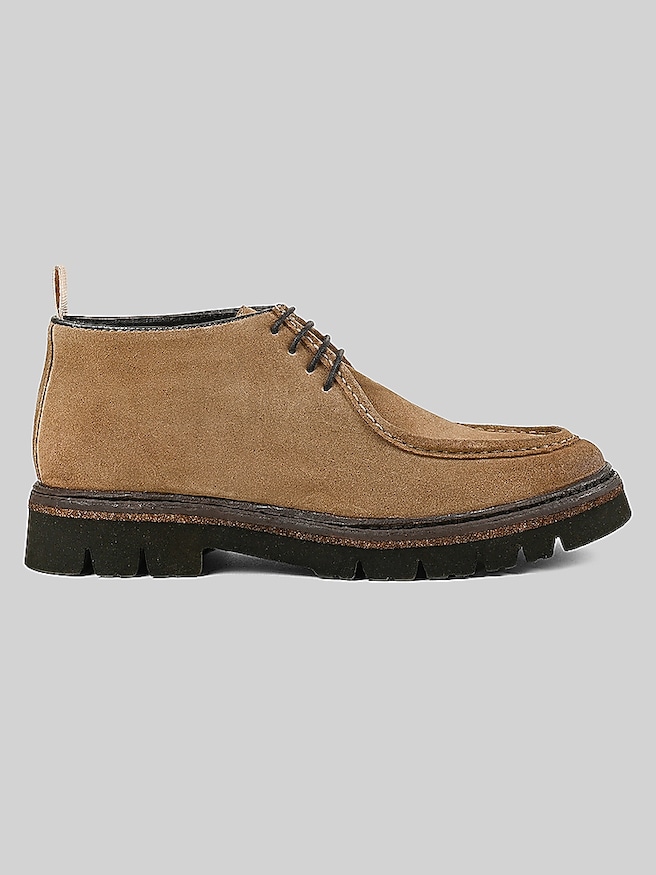
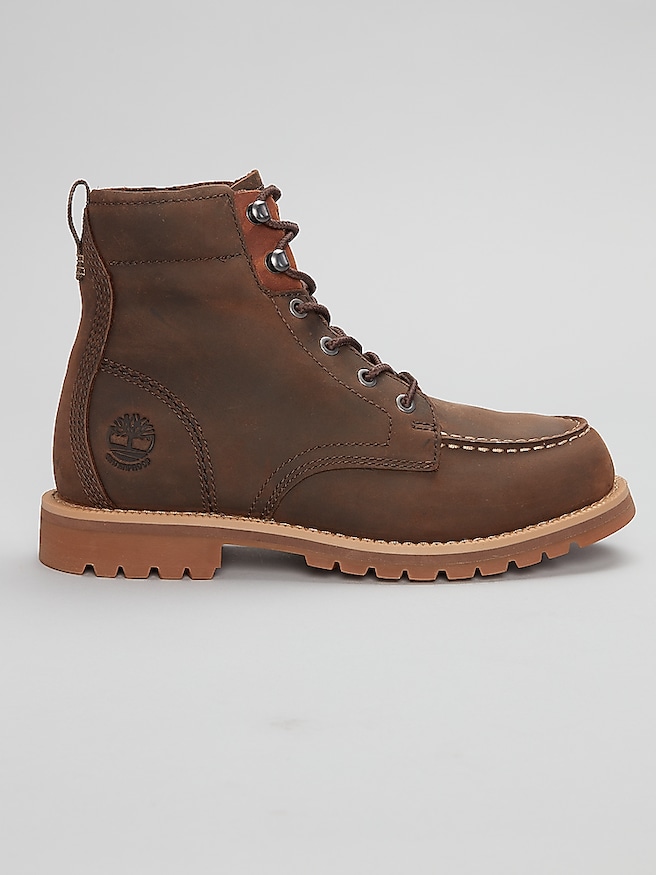
Men’s suede dress boots bring the shape of dress footwear together with the soft, brushed texture of suede, creating a finish that feels refined without looking overly formal. The defining feature is the nap: fine, raised fibers that give the leather its matte appearance and subtle variations in color as light moves across the surface. Unlike smooth leather, which often draws attention through its shine, suede adds depth through texture. That makes these boots a natural companion to tailored trousers, chinos, and dark denim, especially when an outfit calls for something more structured than sneakers but less traditional than polished lace-up shoes. Chelsea boots offer a streamlined profile with elastic side panels and a pull-on design, while chukka boots typically have a low ankle shaft and two or three pairs of eyelets. Other lace-up silhouettes provide more adjustment across the instep and can look equally refined when the toe, sole, and stitching stay understated. Shape matters as much as style name. A gently tapered or almond-shaped toe, a modest heel, and a relatively slim sole tend to create a dressier impression than a broad toe and a heavy tread. Dark brown, black, and deep gray suede generally read as more restrained, while tan and lighter brown shades emphasize the material’s texture and lend a more relaxed character. For an office outfit, dark brown suede boots can soften the contrast between navy trousers and a light blue shirt without taking attention away from the tailoring. For dinner, black suede boots with charcoal pants and a fine-gauge knit create a clean line with very little extra styling. The appeal is not limited to one dress code or age group: these boots suit anyone who prefers understated footwear with a little visual depth. Their place is usually between conventional dress shoes and casual boots, with the exact level of formality determined by the silhouette, construction, and clothing around them.
The most useful distinction when choosing suede dress boots is how they will fit into an ordinary day. A pair intended for a commute, several hours at a desk, and an evening reservation needs more than an attractive profile. There should be enough room for the toes to rest naturally, with a secure feel through the midfoot and no sharp pressure across the instep. Try boots with the type of socks that will actually be worn, since a change in sock thickness can noticeably affect the fit. Suede uppers may soften and conform with wear, but boots should not depend on stretching to correct cramped toes or a poor overall shape. Pull-on designs can allow a little heel movement at first; pronounced slipping or a foot that slides forward suggests the fit needs another look. Lace-up styles offer more control over volume, which can be helpful for someone whose feet do not feel equally secure in every pull-on boot. Linings, footbeds, and soles also influence comfort. Leather linings can help manage moisture inside the boot, while cushioning may soften the feel underfoot without necessarily providing substantial arch support. Leather outsoles offer a traditional appearance; rubber outsoles can add grip and flexibility, depending on their compound and tread. Neither material alone guarantees comfort or durability. For a closely related silhouette, Men's Suede Ankle Boots share the same emphasis on texture with proportions that work beneath many trouser cuts. The pant opening should fall over the shaft without catching, and a slight break can keep fabric from bunching above the boot. Slim does not have to mean tight: a straight or gently tapered trouser often gives the footwear a cleaner setting than a very narrow hem. With a casual suit or textured sport coat, understated suede can look intentional and balanced. For strict business-formal settings or black-tie occasions, traditional smooth-leather dress footwear is generally the more appropriate choice.
Suede rewards a little routine attention, and understanding the material makes its upkeep less intimidating. It is leather with a raised nap, often made from the underside of a hide or from a split layer, rather than a woven fabric with a fuzzy finish. The quality of the leather, the integrity of the seams, the sole attachment, and the way the boots are worn all contribute to their useful life. A neat, even surface is appealing, but small shifts in shade caused by the direction of the nap are normal. Regular brushing with a tool intended for suede helps lift flattened fibers and remove loose dust before it works into the surface. Light pressure is preferable to aggressive scrubbing, particularly around seams and edges. A suede eraser may help with localized dry marks; test any treatment in an inconspicuous area and follow the footwear manufacturer’s care instructions. Ordinary shoe polish and rich leather creams are not substitutes for suede care, since they can darken the surface or flatten its characteristic texture. A compatible protector may reduce absorption and staining, but it does not make every suede boot waterproof. If the leather becomes damp, let it dry naturally away from direct heat before brushing it. Persistent stains or oily marks are better assessed by a footwear-care professional than repeatedly treated with household remedies. Between wears, shoe trees can help preserve shape, and allowing the interior to dry fully supports comfort as well as longevity. Welted construction may permit resoling, although repair options depend on the complete design and a cobbler’s assessment. Even well-made boots benefit from rotation rather than continuous wear. As a gift, suede dress boots make the most sense when the recipient’s size, fit preferences, and usual dress code are known. Someone who regularly wears chinos and a sport coat may appreciate a versatile brown pair, while a wardrobe centered on dark tailoring may call for a quieter, darker finish. The strongest choice is one that complements familiar clothes, feels secure on the foot, and fits naturally into the wearer’s routine.