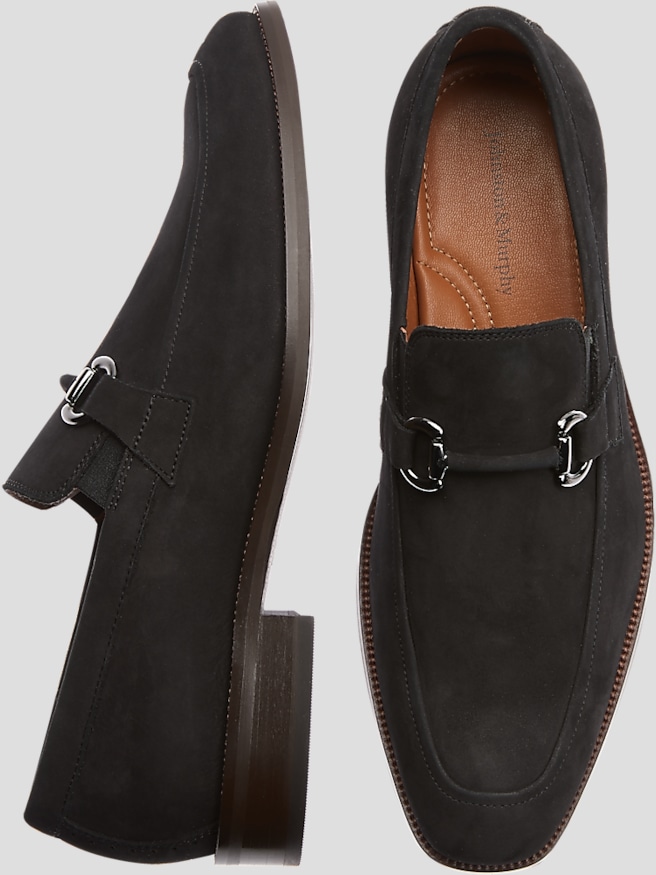
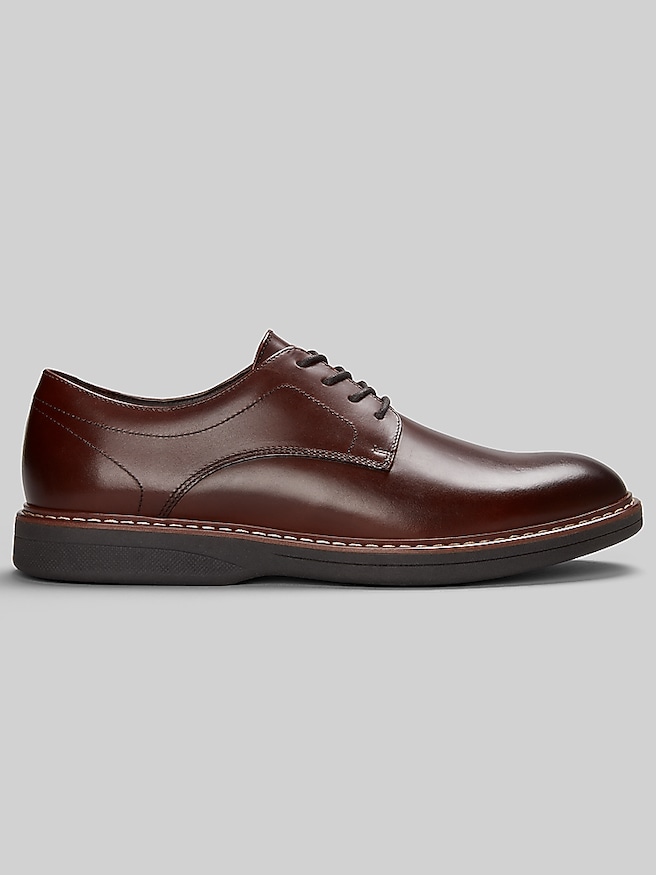
Men’s suede dress shoes bring the structure of traditional dress footwear together with a soft, textured finish that feels less formal than polished leather. Their defining feature is the nap: fine, raised fibers that give suede its velvety surface and subtle variations in color as the material catches the light. That texture adds depth to an outfit without relying on decorative stitching or a high shine, making suede a natural companion to tailored trousers, sport coats, chinos, and certain suits. The overall impression depends as much on the shape of the shoe as on the material. A slim suede oxford with closed lacing can look neat and understated beneath a tapered trouser hem, while a derby’s open lacing gives a similarly tailored outfit a more relaxed character. Loafers introduce an easy slip-on silhouette, and monk straps add a distinctive buckle detail without moving too far from classic dress-shoe styling. Color creates another useful distinction. Dark brown suede works comfortably with navy, charcoal, olive, and earth-toned tailoring; lighter brown shades create more contrast against dark trousers. Black suede has a quieter finish than black polished leather, though its texture still makes it a different choice for strictly formal occasions. For an office that favors a jacket without a tie, a dinner reservation, or a wedding with a dress code that allows some flexibility, suede can help an outfit look considered without appearing overly ceremonial. A navy suit with dark brown suede lace-ups, for example, has a softer visual balance than the same suit paired with glossy shoes. Suede is not an automatic substitute for traditional formal footwear, however. Black-tie events and particularly conservative professional settings may call for smooth leather or patent leather instead. Within everyday tailoring and dressy casual clothing, the appeal is straightforward: suede offers familiar dress-shoe shapes with a richer surface and a more approachable finish.
Comfort and construction matter just as much as appearance, especially when dress shoes need to carry someone from a morning meeting through an evening event. A good fit feels secure across the heel and midfoot while leaving enough space for the toes to rest naturally rather than press against the front or sides. The upper may soften with wear, but that does not make a shoe that pinches, compresses the toes, or slips noticeably at the heel a sound starting point. Width, instep height, and the shape of the last—the form around which a shoe is made—all influence how the same labeled size feels. A long, narrow toe can look elegant, yet a rounder or more generous shape may suit a broader foot better. Lace-up styles offer some adjustment across the instep, whereas loafers depend more closely on the relationship between the opening, heel, and foot. The socks intended for regular wear also affect the fit, so a pair worn with thin dress socks can feel different from one worn with a more substantial knit. Underfoot, leather soles tend to create a sleek profile, while rubber soles can add flexibility, cushioning, or grip, depending on their design. Neither material alone determines comfort; lining, insole structure, heel stability, and overall construction all contribute. Clean stitching, securely attached soles, and neatly finished edges are useful signs of thoughtful workmanship. Resolable construction can extend a shoe’s useful life when the upper remains in good condition, though repair options depend on how the shoe is built. For someone who prefers an ankle-height silhouette, men’s suede dress boots offer a related way to bring the same texture into tailored outfits. Whether low-cut or ankle-high, a balanced shape should sit cleanly beneath the trouser leg, with enough room at the hem to avoid catching awkwardly on the shoe. That relationship helps footwear feel like part of the outfit rather than an afterthought.
Suede rewards consistent, gentle care rather than the polishing routine used for smooth leather. Its raised surface can collect dust and develop flattened areas where the material rubs, so a dedicated suede brush helps lift the nap and remove loose debris. Brushing lightly, with attention to the direction of the fibers, preserves the texture more effectively than aggressive scrubbing. A suede eraser can help with some dry surface marks, while deeper stains may need a cleaner specifically formulated for suede or professional attention. Any cleaner or protective treatment should be checked against the material’s care instructions and tested discreetly first, since some formulas can alter the shade or finish. Traditional shoe polish, heavy conditioners, and oily products intended for smooth leather can darken suede or mat its fibers. If the material becomes damp during cleaning or through an accidental spill, gentle blotting and air-drying away from direct heat are preferable to rubbing or trying to speed the process with a hair dryer. Cedar shoe trees can help maintain the shape between wears, and allowing shoes to rest gives the lining time to release absorbed moisture. Storage also matters: a breathable shoe bag protects the nap from dust and friction without pressing the shoes tightly together. Over time, careful upkeep helps preserve the qualities that make suede appealing in the first place—the soft finish, dimensional color, and clean outline. Those qualities also make suede dress shoes a thoughtful gift for someone who already enjoys tailored clothing or is building a wardrobe for a new professional role. For a graduation or career milestone, a familiar size and a style close to the recipient’s usual footwear are more useful starting points than an unusually bold shape. A frequent loafer wearer may appreciate the same easy silhouette in suede, while someone who favors lace-ups may get more use from a classic derby. The most successful pair suits both the occasions ahead and the person wearing it, adding texture and character without sacrificing fit or practicality.