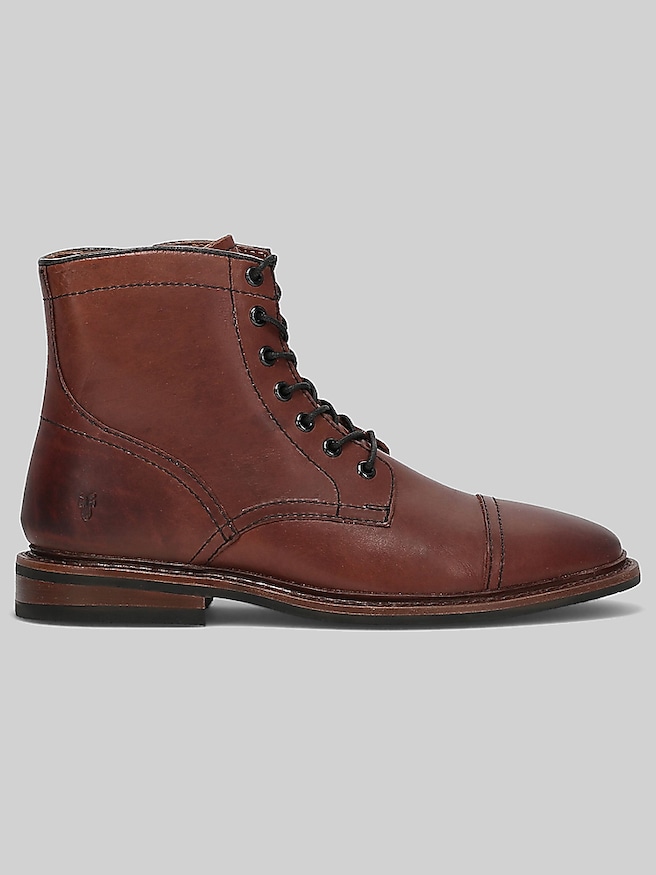
Men's suede ankle boots combine ankle-high coverage with the soft, brushed texture of napped leather, creating a look that sits comfortably between casual shoes and more structured dress boots. Their appeal comes partly from that contrast: the shape can be clean and tailored, while the surface adds depth without a glossy finish. Chelsea boots have elastic side panels and a slip-on design, usually with an uncluttered profile that works well beneath tapered trousers. Chukka boots typically feature open lacing with two or three pairs of eyelets, giving them a relaxed character and some adjustment across the instep. Other lace-up ankle boots provide more points of adjustment, while zip closures offer another way to keep the upper visually simple. The silhouette matters as much as the material. A gently tapered toe and a relatively slim sole tend to complement business-casual clothing; a rounder toe and a thicker sole feel more at home with denim and textured cotton pants. Suede also softens the transition between pieces that might otherwise feel too far apart in formality. Dark jeans, an Oxford shirt, and a blazer look considered without becoming stiff, while chinos and a knit polo take on a little more definition with an ankle boot underneath. For dinner or a relaxed office, a narrow trouser opening can fall neatly over the boot shaft, leaving a clean line from the knee down. Wider pants need enough length and structure to meet the boot naturally rather than bunch around it. These are generally shoes for everyday dressing, business-casual settings, and informal occasions rather than a substitute for traditional formal footwear. Their strongest role is making familiar clothes feel more deliberate, whether the outfit is built around a tucked-in shirt, a simple sweater, or a casual jacket. A restrained boot shape lets the suede's texture do much of the visual work.
Color, leather quality, and fit each influence how men's suede ankle boots become part of a wardrobe. Sand and taupe create a noticeable contrast against dark pants, while chocolate and tobacco shades provide a deeper foundation for navy, olive, cream, and denim. For an earthy palette, men's brown ankle boots complement both crisp cotton and more textured fabrics without requiring every accessory to match exactly. Black suede has a quieter finish than polished black leather and can work especially well with charcoal trousers or dark jeans. Genuine suede is leather with a raised nap, commonly created from the flesh side of a hide or a split layer; nubuck gets its fine texture from buffing the outer grain surface. Synthetic suede-look materials are distinct from leather suede and may have different care requirements. The nap naturally changes appearance as its fibers move, so a brushed area may look lighter or darker without indicating a color defect. Beyond the upper, the lining, insole, and outsole all contribute to how a boot feels through a full day. A smooth lining can reduce friction, cushioning can soften underfoot pressure, and the outsole's flexibility affects the way the foot rolls through a step. A suitable fit leaves room for the toes to lie naturally without sliding forward or pressing against the front. The ball of the foot should align with the boot's flex point, and the instep should feel supported rather than squeezed. Chelsea styles depend heavily on the relationship between foot shape, instep height, and the elastic panels because there are no laces to adjust. Chukkas allow some refinement through lacing, but tightening them cannot correct an overly wide heel or an unsuitable shape. Trying boots with the socks intended for everyday wear gives a more realistic sense of volume. Slight initial firmness can ease as leather flexes, but pinched toes, numbness, and pronounced heel movement are not useful signs of a good fit.
Durability depends on more than the suede surface. Sound stitching, secure sole attachment, a supportive heel counter, and an outsole suited to the intended use all matter. Rubber soles often suit frequent walking, although grip varies with the tread pattern and compound. Leather soles create a slimmer appearance and a distinctive underfoot feel, but smooth surfaces can provide less traction. Crepe soles have a soft, casual character and can collect dirt more visibly than some other sole materials. Welted construction may allow resoling, depending on the boot's design and condition; other construction methods have different repair possibilities. Regular care helps preserve both the texture and the shape. A suede brush lifts flattened fibers and removes loose surface dust, while a suede eraser can help with some dry marks when used gently. Any cleaner or protective treatment should be intended for the material and tested first in an inconspicuous area, since suede can darken or react unevenly. Conventional smooth-leather polish and heavy conditioning creams can flatten the nap or leave marks, so they are generally unsuitable unless the maker specifically recommends them. Blotting a spill promptly with a clean cloth is preferable to rubbing it deeper into the surface. Damp boots should dry naturally away from direct heat, with plain paper inside to help maintain their shape if needed. Once dry, gentle brushing can help restore the nap. Allowing a pair to rest between wears gives interior moisture time to dissipate, and properly fitted shoe trees can help maintain the upper without stretching it. Storage in a dry, ventilated space away from direct sunlight also protects the finish. For someone who regularly wears chinos, dark denim, or relaxed tailoring, suede ankle boots can be a thoughtful gift with a clear place in an existing wardrobe. Familiarity with the recipient's usual size, width, preferred colors, and favored boot shape makes that choice more personal. The most useful pair is one that feels natural with the clothes already worn and remains comfortable beyond the first few steps.