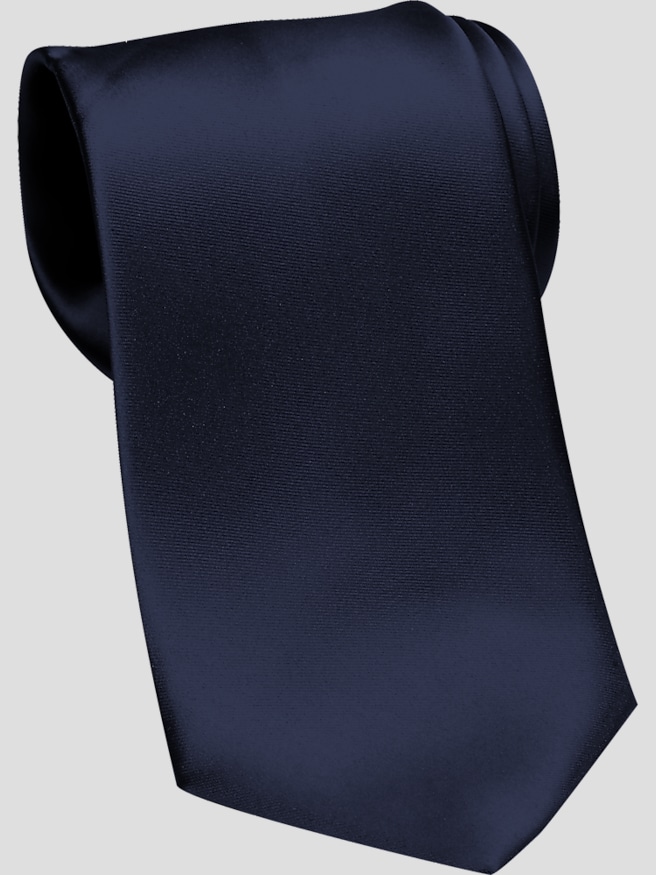
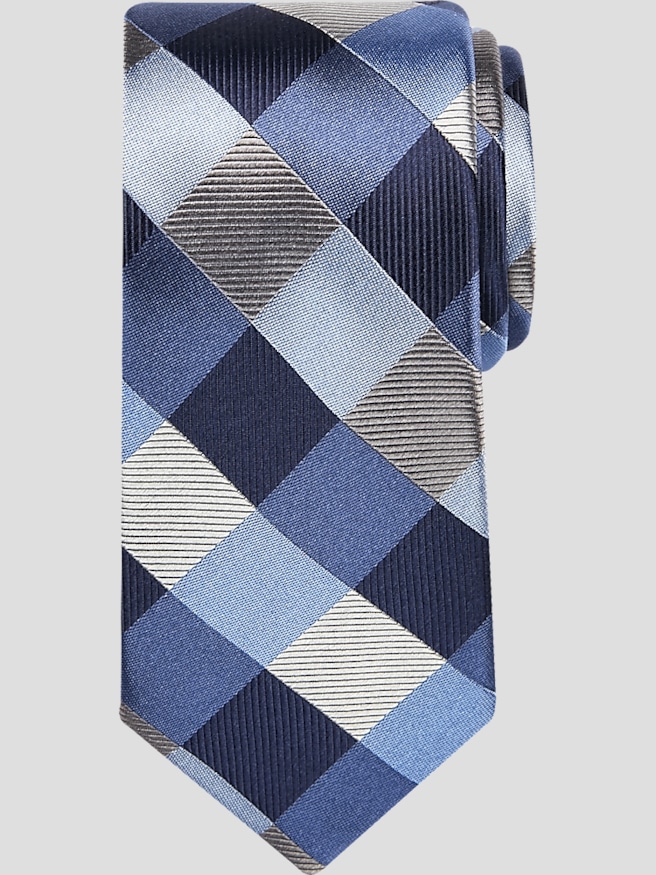
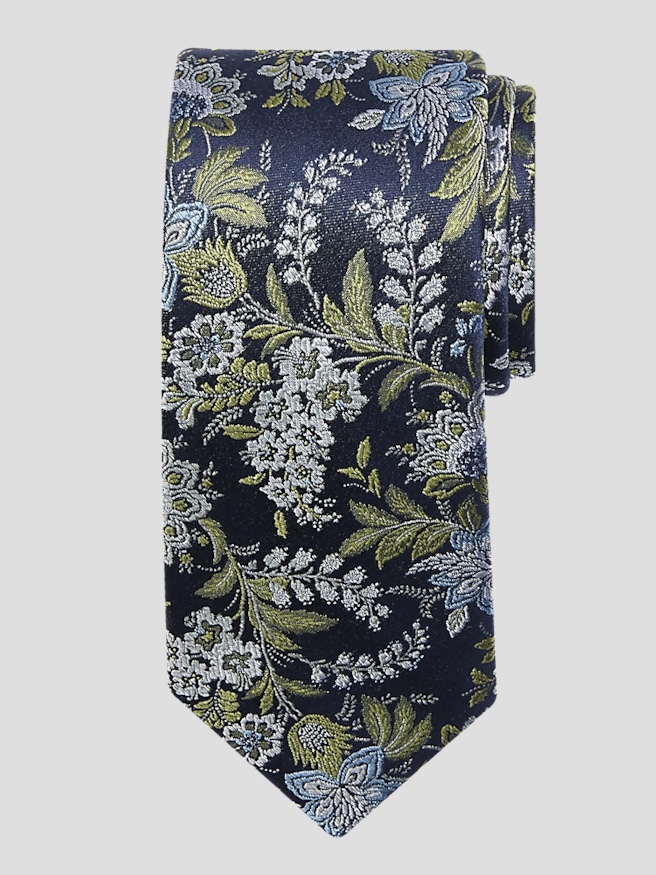
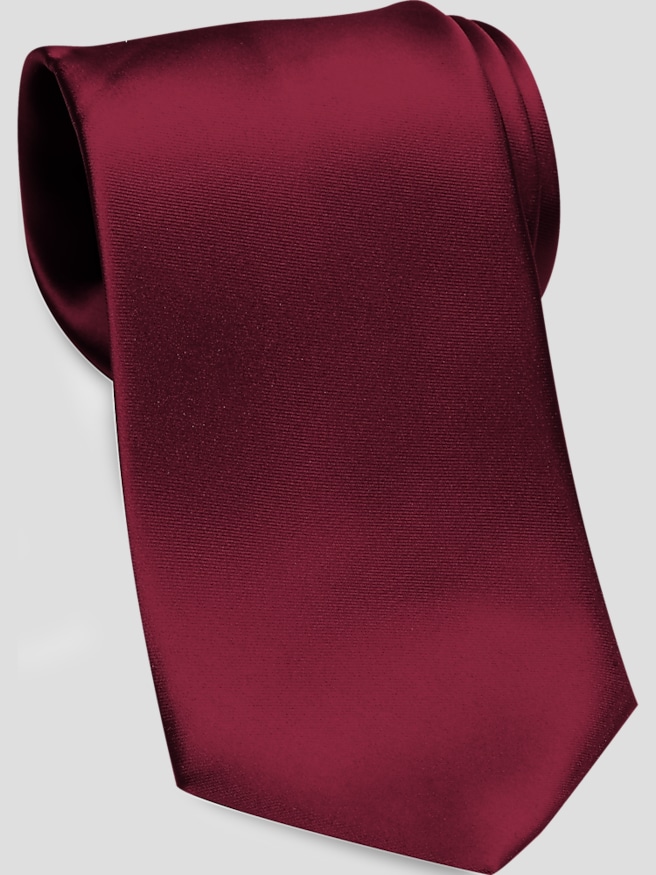
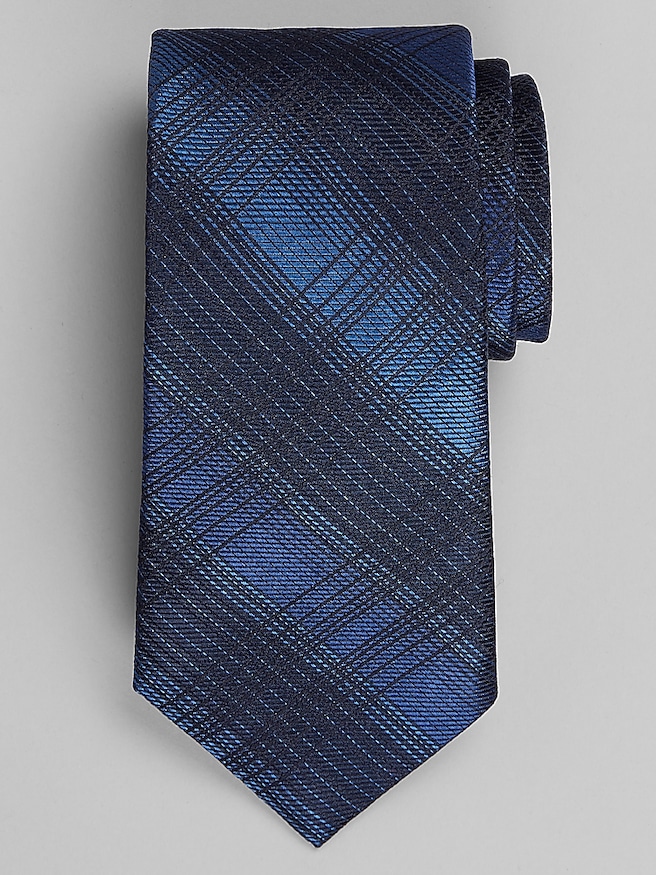
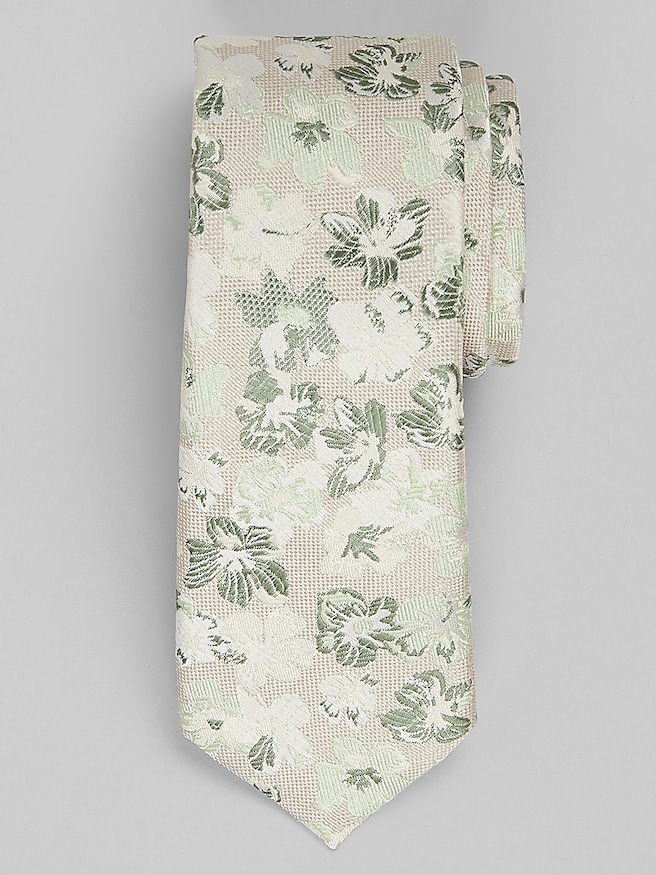
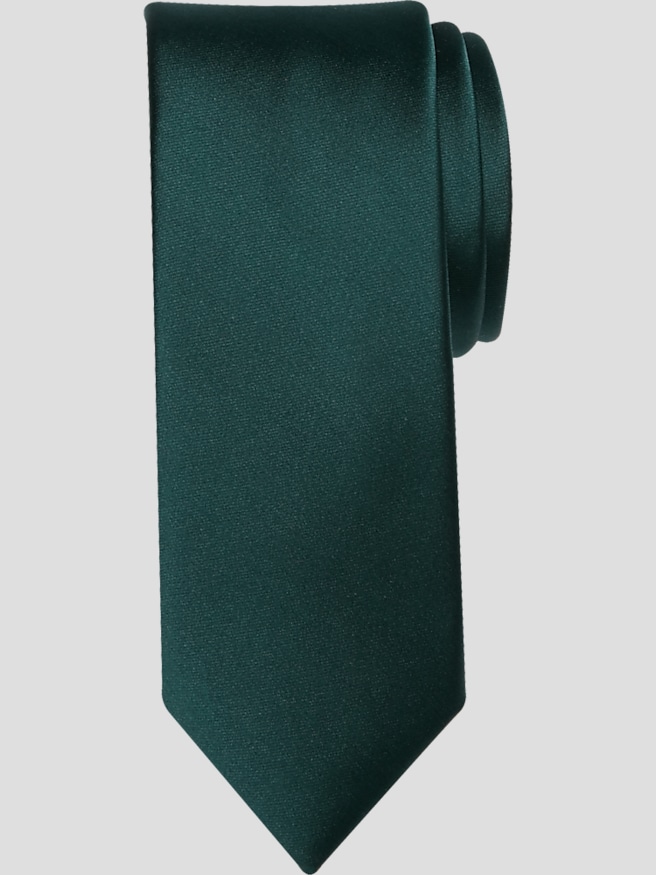
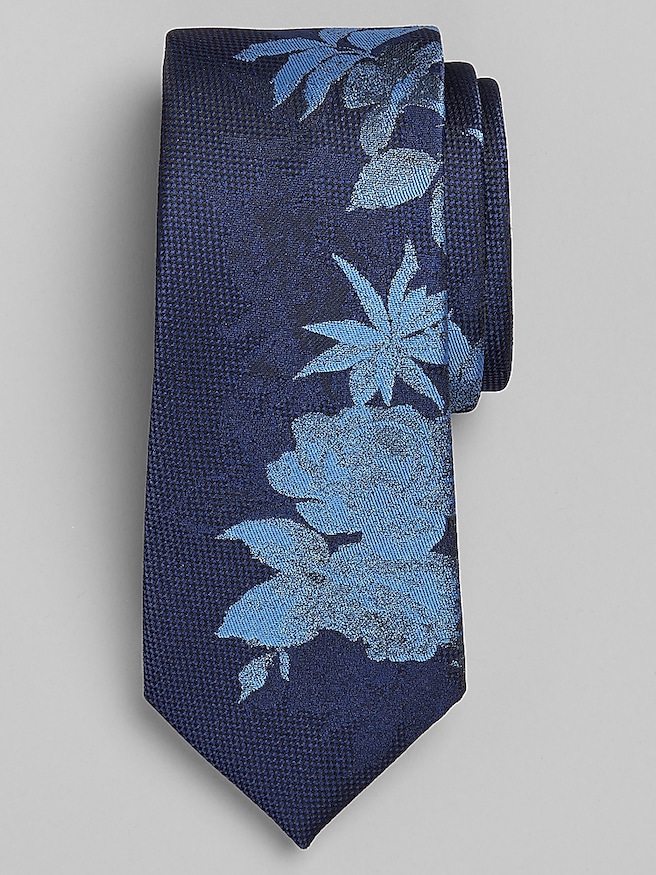
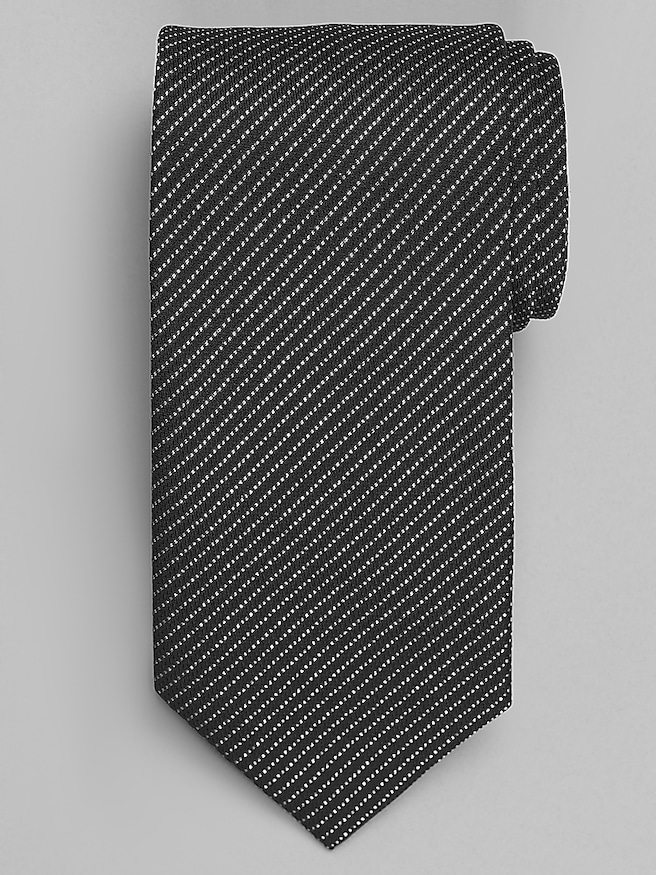
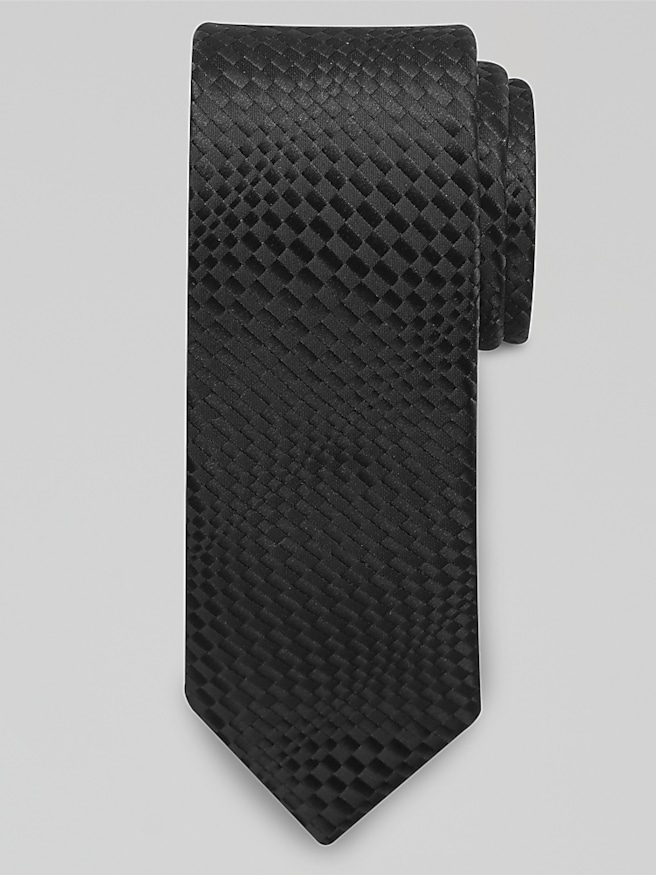
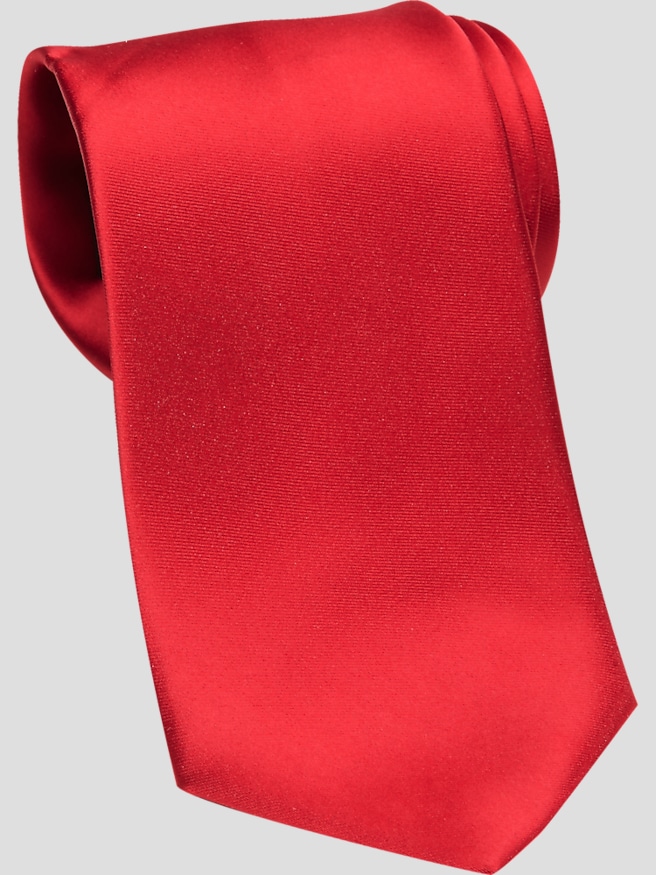
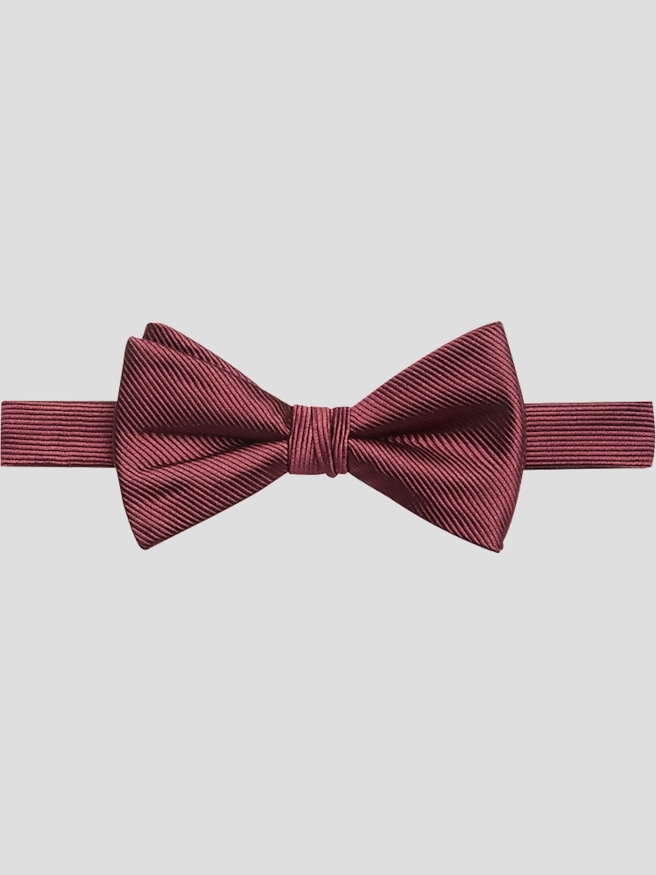
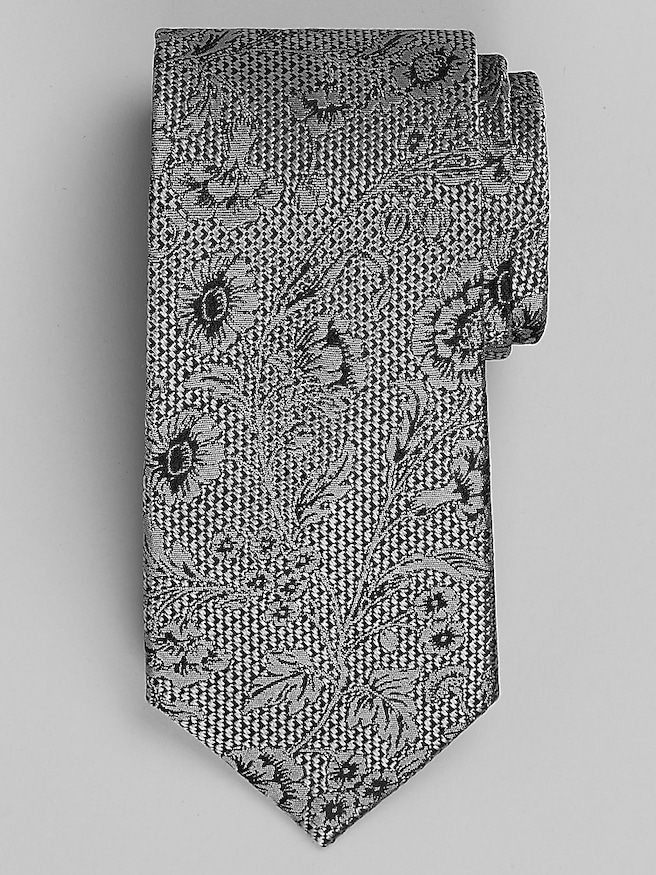
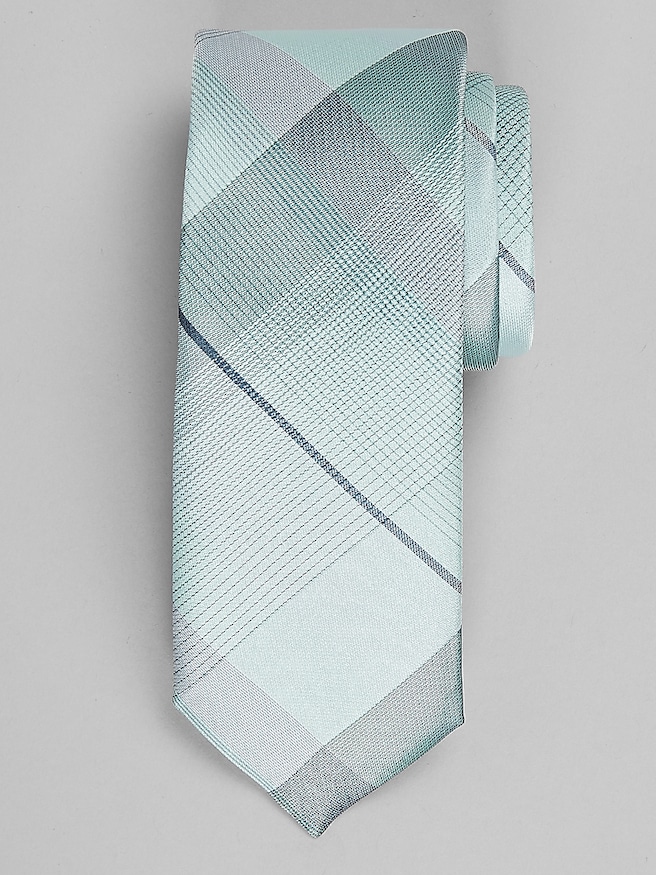
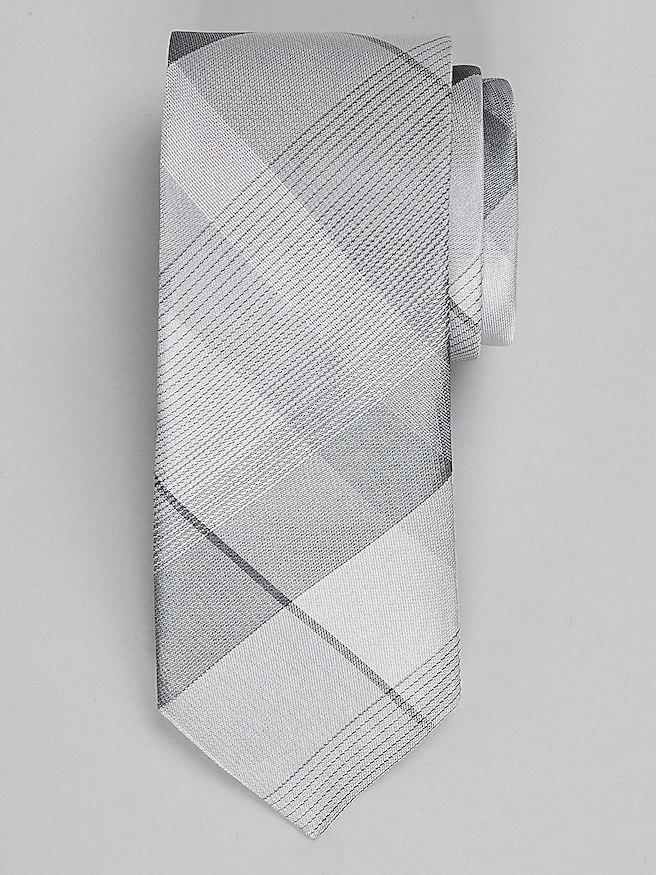
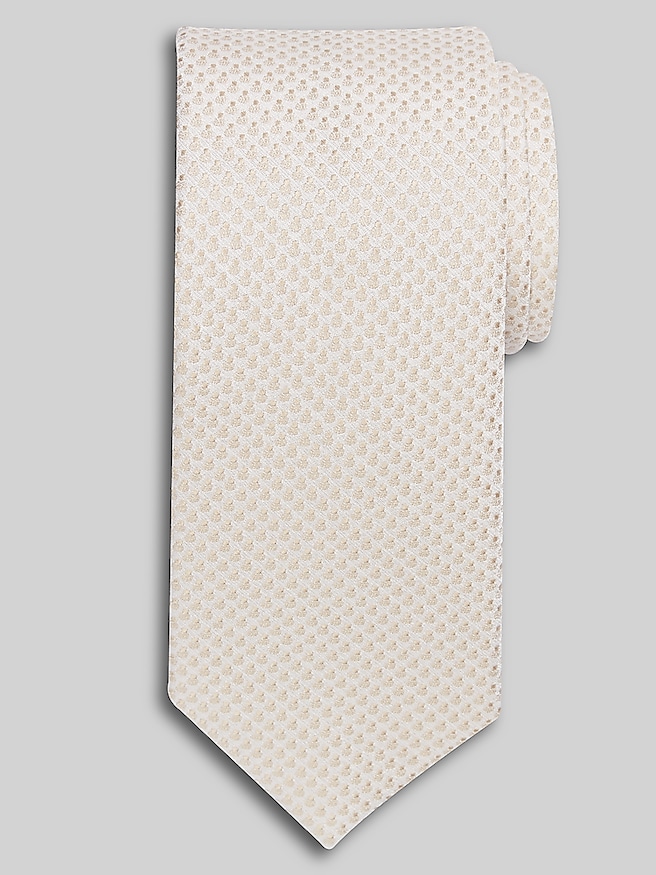
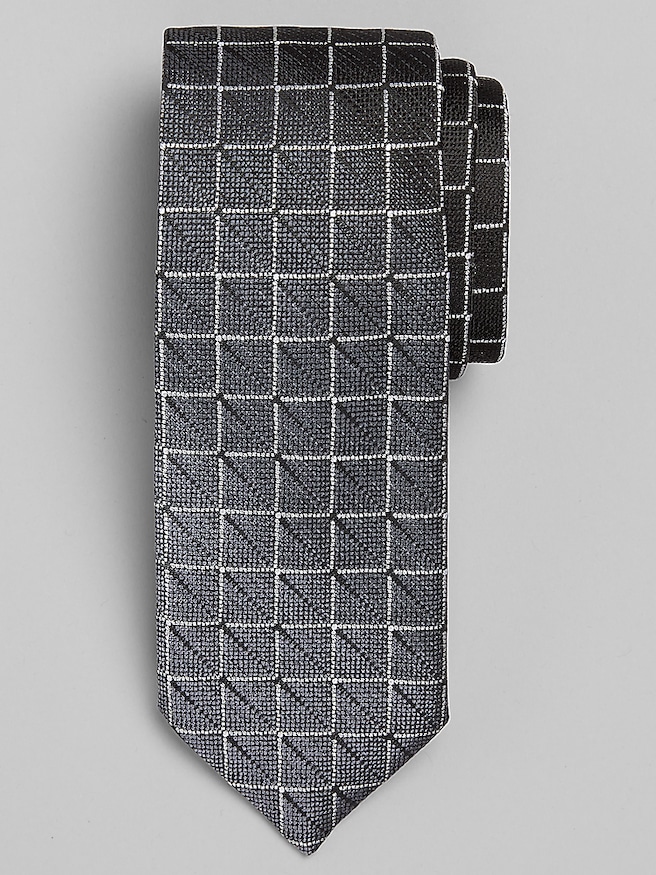
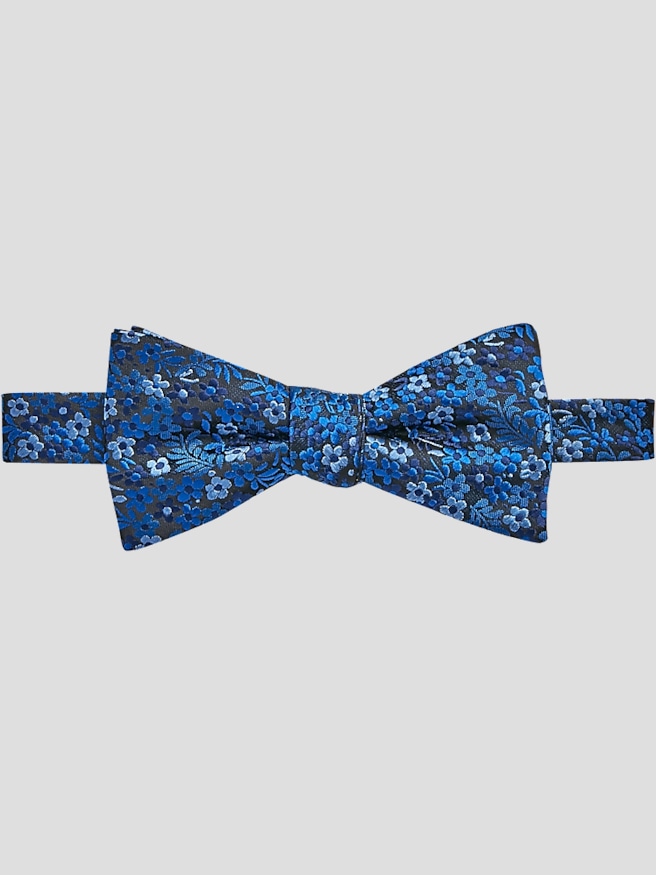
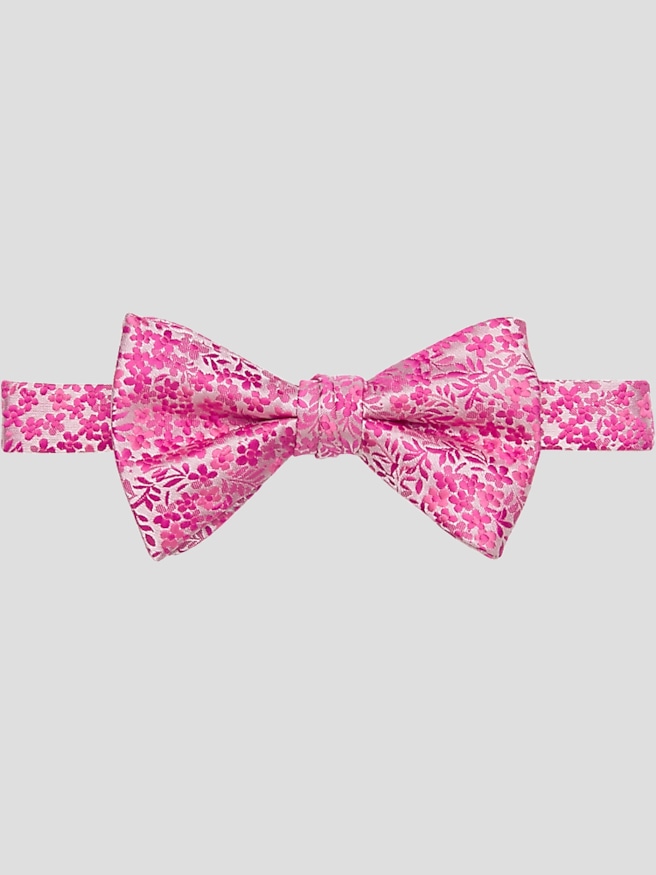
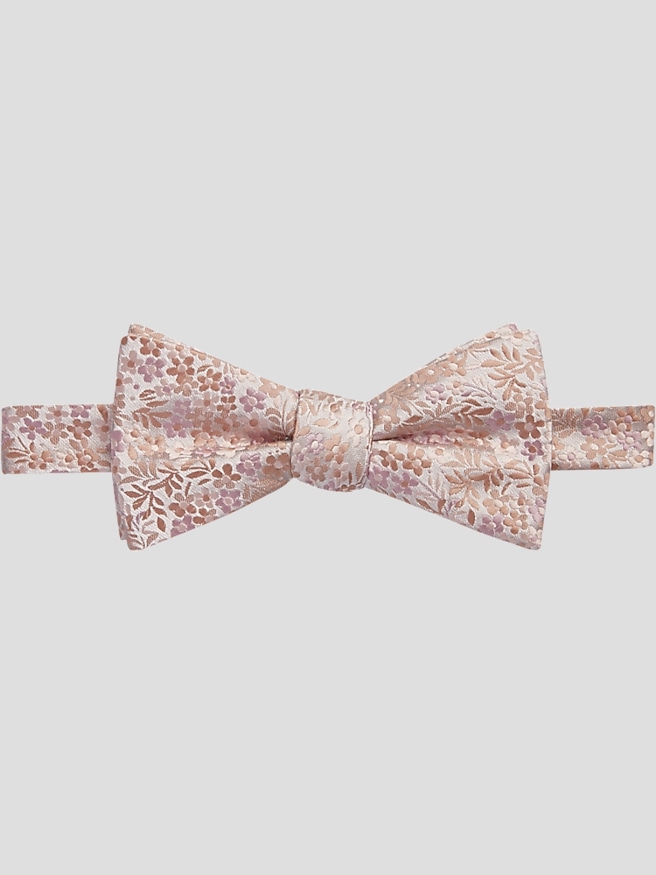
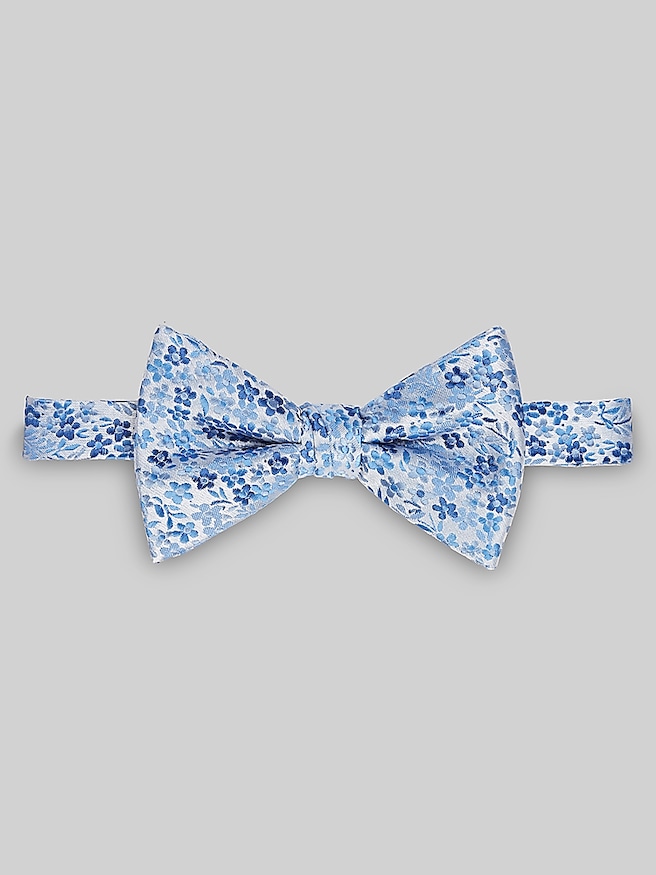
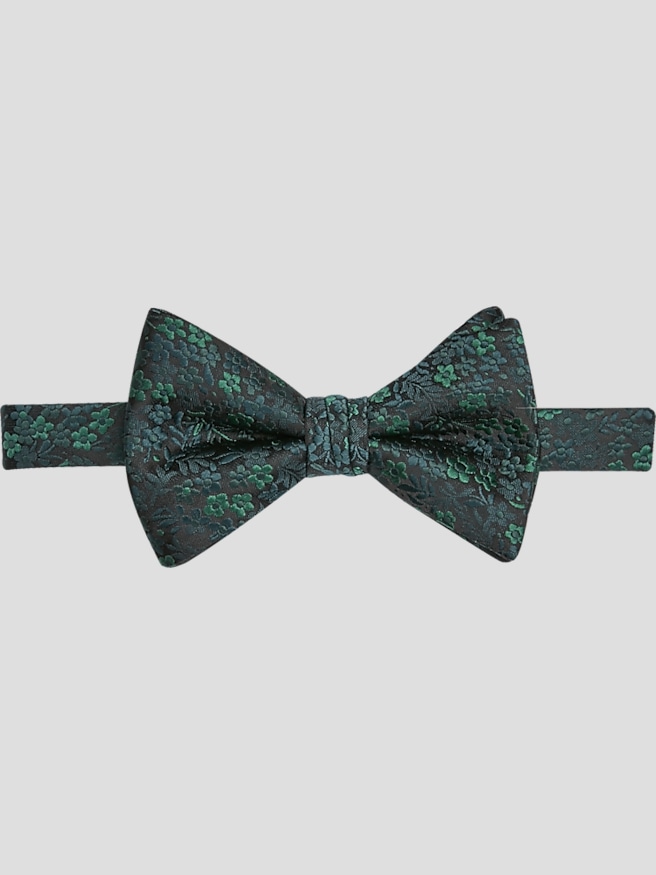
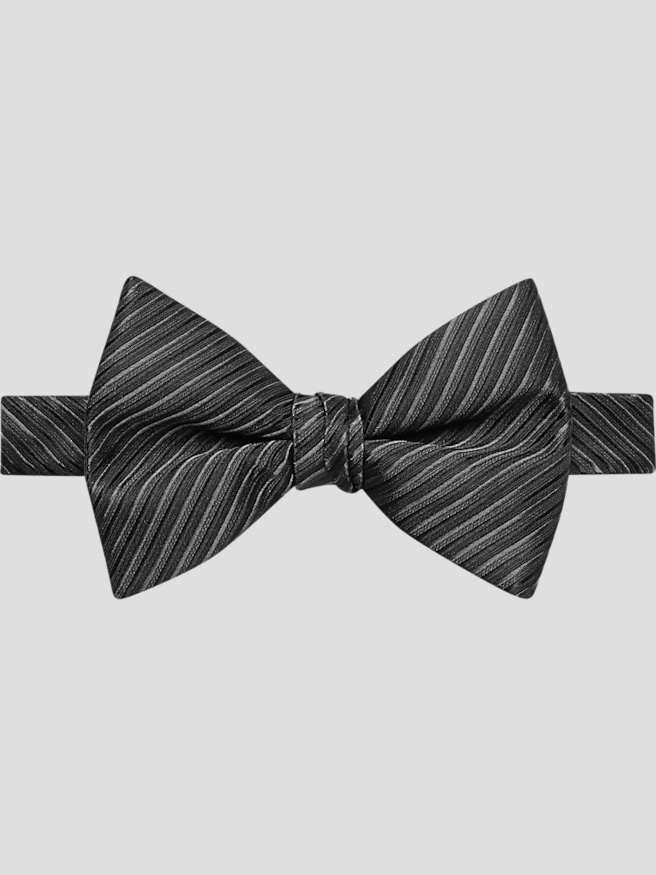
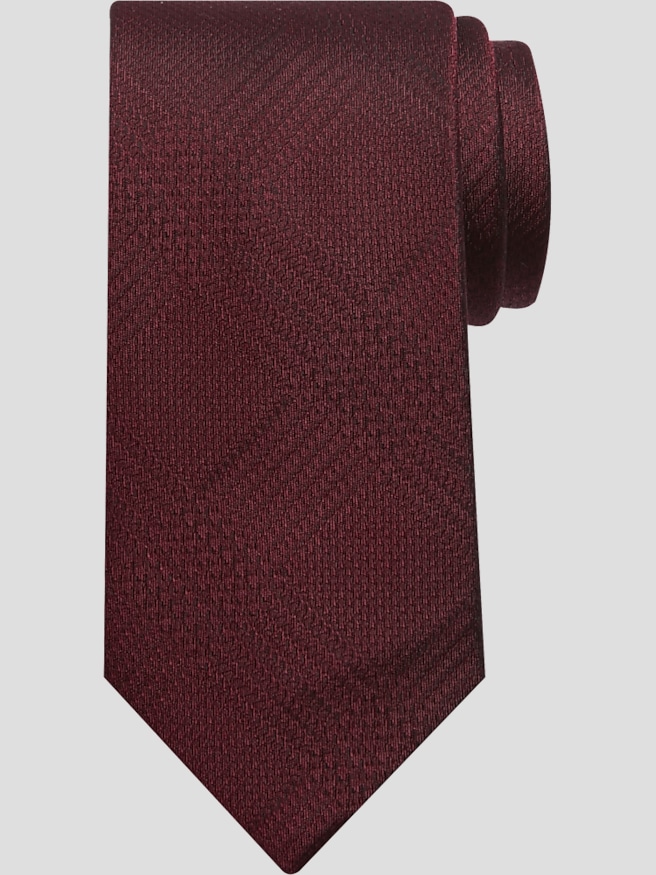
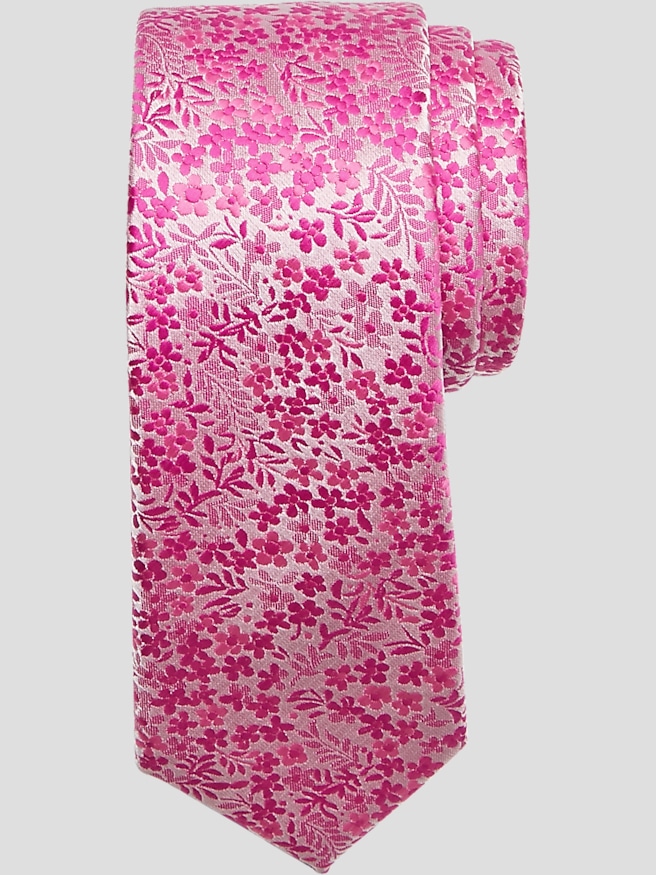
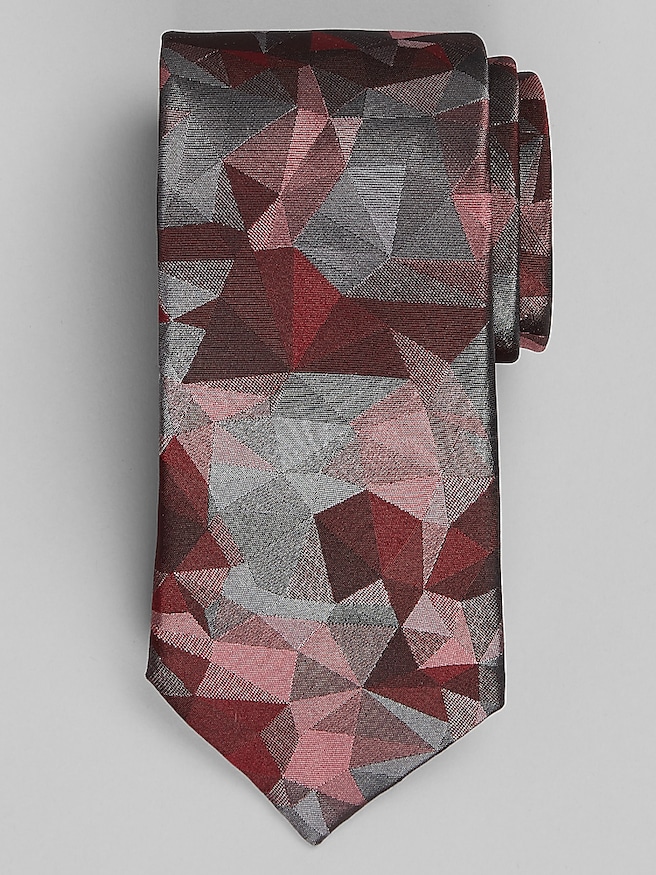
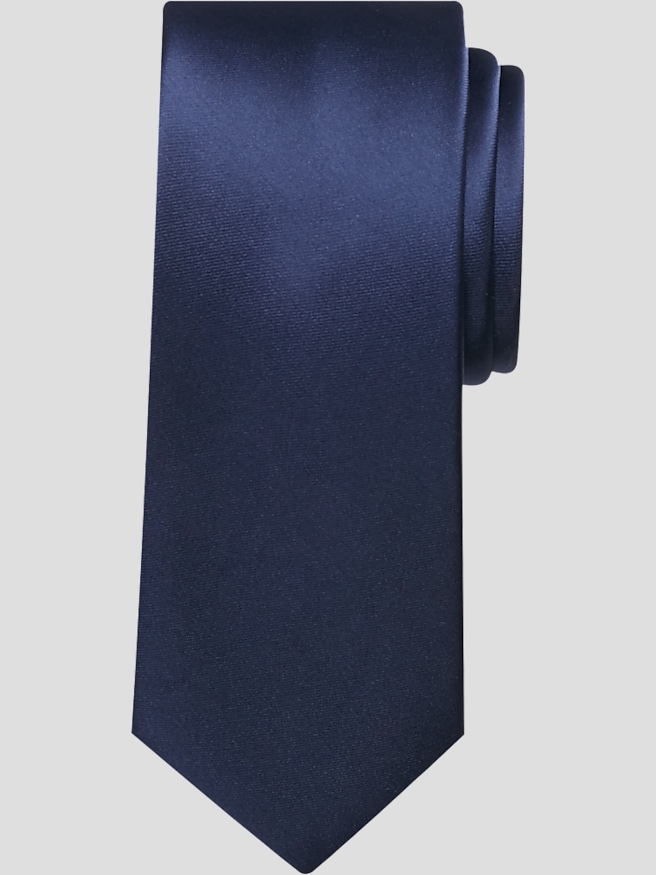
Men’s stylish ties bring polish, personality, and proportion to the rest of a wardrobe. A well-chosen tie can make a navy suit feel more distinctive, give a gray suit a sharper point of view, or add structure to a sport coat and tailored trousers. The most versatile options balance visual interest with easy coordination, making them suitable for business settings, weddings, celebrations, dinners, ceremonies, and other occasions that call for a considered appearance. Silk remains a dependable choice for formal and professional dressing because it has a smooth hand, a refined sheen, and enough weight to create a clean knot that holds its shape. Woven and jacquard silk ties add subtle depth through their texture or raised pattern, while repp and diagonal stripes lend a classic, quietly confident character to navy, charcoal, and gray tailoring. Micro-patterns, small geometric motifs, and understated foulards offer another way to add detail without overwhelming a shirt or jacket. For a more relaxed interpretation, textured knit ties bring dimension to blazers and sport coats; their often squared-off ends and tactile finish feel at home in smart-casual settings. Wool, cotton, and linen blends can introduce a softer, more seasonal texture as the weather changes, with wool lending warmth and visual richness during cooler months and lighter blends creating an easygoing feel as the weather warms. A tie is also a thoughtful gift for a graduate beginning a professional wardrobe, a member of a wedding party, a father, partner, or friend who appreciates useful accessories with plenty of room for personal style. For someone building a collection, a versatile solid or restrained pattern is a reliable starting point; for someone who already owns the essentials, a textured weave, distinctive color, or unusual pattern can add a fresh dimension without requiring an entirely new wardrobe.
Proportion is one of the most important details when selecting stylish men’s ties. Classic widths around 3 to 3.25 inches generally pair well with traditional suits, broader lapels, and timeless tailoring, creating a balanced line from the jacket to the tie. Slim widths around 2.5 to 2.75 inches complement modern-fit suits, narrower lapels, and trimmer silhouettes. The goal is not to follow a rigid rule, but to keep the width of the tie in conversation with the jacket and the wearer’s build. A broader lapel paired with an especially narrow tie can look unbalanced, while a wide tie on a very sleek jacket may feel heavy. Length matters as well: after tying, the tip of the tie should typically reach the waistband or the top of the belt buckle, giving the outfit a finished appearance. A four-in-hand knot works especially well for many everyday looks and creates a slightly asymmetrical shape, while a half-Windsor or Windsor can provide a fuller, more formal knot when the collar and occasion call for it. Collar shape, shirt pattern, and jacket color should also work together. A spread collar can accommodate a fuller knot, while a narrow collar often looks cleaner with a more compact knot. When the shirt is patterned, a solid or subtly textured tie can keep the outfit composed. When the shirt is solid, a restrained stripe, micro-pattern, or woven texture can add depth. Matching does not mean making every element identical; repeating a color found in the shirt, jacket, pocket square, or shoes is usually enough to create visual connection. Deep blue, burgundy, forest, brown, charcoal, and muted earth tones can move naturally across different settings, while brighter shades and higher-contrast patterns can bring energy to celebratory dressing.
Fabric, finish, and care help determine how often a tie can be worn and where it will feel most appropriate. Smooth silk works beautifully with business suits and formal tailoring, especially when a crisp shirt and polished leather shoes are part of the outfit. Textured silk, wool, cotton, and linen blends can soften the formality of a jacket and add dimension to seasonal dressing without looking careless. During the transition from warmer to cooler weather, these textures make it easier to adapt familiar suits and sport coats for changing conditions. A tie with a little visual weight can sit neatly against a heavier shirt or jacket, while a lighter fabric may be more comfortable with an unstructured blazer. Before purchasing, consider the wardrobe the tie will join, the colors already in rotation, the wearer’s preferred fit, and the settings in which it will be used. Someone who spends most days in traditional office attire may value classic silk, subtle stripes, and small-scale patterns, while someone who dresses primarily in separates may get more use from knits, textured weaves, and relaxed color combinations. For formal events, look for a refined surface, balanced proportions, and a pattern that supports rather than competes with the suit. For a gift, neutral colors and adaptable patterns are generally easy to wear, while a more distinctive texture or color can be meaningful when it reflects the recipient’s personality. It is worth checking the tie after each wear and allowing it to rest before wearing it again, then loosening the knot carefully rather than pulling it out. Store ties hanging or loosely rolled, away from excess moisture and direct sunlight, and address spills promptly according to the care instructions. Those small habits help preserve the drape and finish that make a tie look sharp. Explore Men's Fine Ties to find polished options that can bring a final, personal touch to professional wardrobes, special-event attire, and everyday tailored looks.