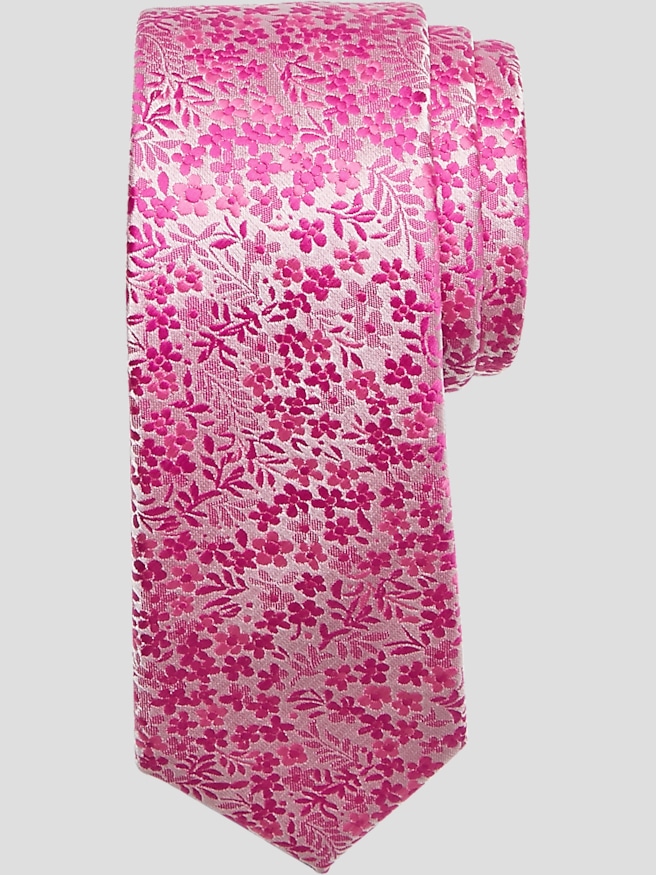
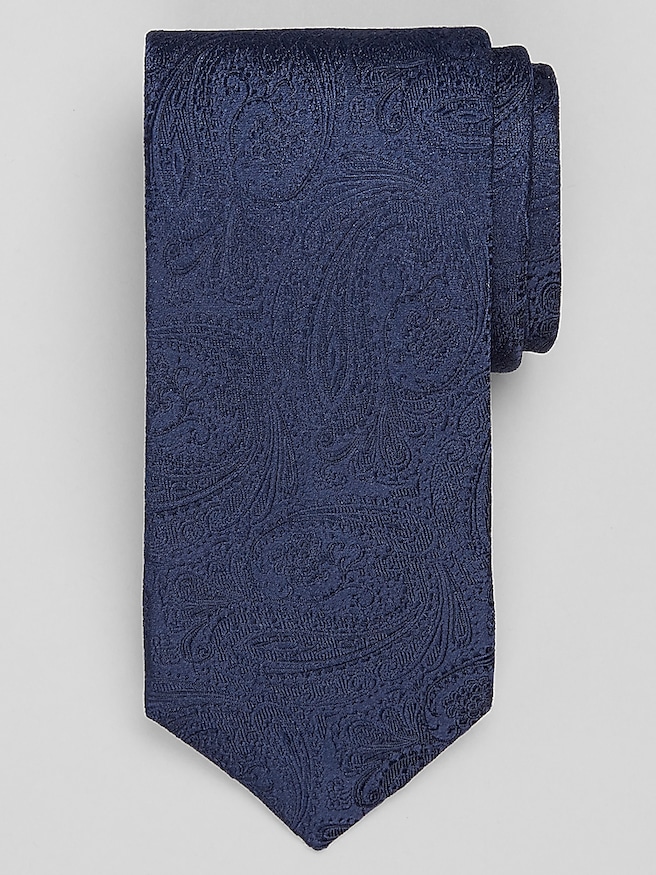
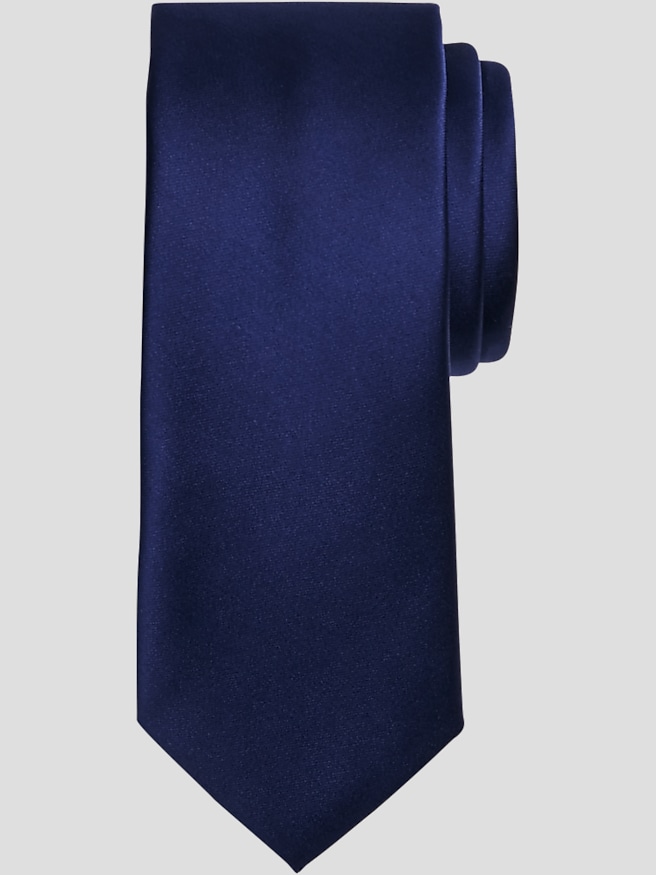
Men's fine ties give tailored clothing a finishing touch that is visible without being overwhelming. A deep navy tie against a crisp white shirt can make a charcoal suit feel composed and purposeful; a burgundy silk tie can bring warmth and depth to the same outfit. The distinction between an ordinary necktie and a fine tie often comes down to fabric, construction, and how comfortably those elements work together. Silk is a classic choice because it combines a pleasing drape with color richness and a surface that can range from softly lustrous to distinctly textured. Silk jacquard incorporates the design into the weave, creating patterns with dimension, while printed silk allows for intricate motifs and clear detail on a typically smoother surface. Neither approach is automatically better; each creates its own effect. Wool ties have a more matte appearance and a substantial hand, making them a natural complement to textured tailoring. Cashmere and cashmere blends can add softness, while linen brings a visible weave and a less polished character suited to relaxed dress combinations. Blended fabrics balance qualities such as texture, resilience, and drape, so fiber content is only part of the picture. A fine tie should also have neatly finished edges, secure stitching, and a balanced shape that allows the wide blade to hang cleanly. In many ties, the interlining provides body and helps the fabric form a knot without collapsing or becoming excessively bulky. Good construction supports repeated wear, but an elaborate pattern or a glossy finish alone does not establish quality. The most satisfying neckwear feels considered from end to end: the fabric suits the intended occasion, the knot looks proportionate, and the blade falls smoothly against the shirt. For business meetings, wedding celebrations, formal dinners, and milestone photographs, those details help a tie look like part of the outfit rather than an addition made at the last minute.
Proportion is central to the way a fine tie looks when worn. Tie width generally works best in relation to jacket lapels, shirt collar, and the wearer's frame, rather than as an isolated measurement. A narrower blade can sit comfortably with trim lapels, while a fuller blade often balances broader tailoring. Length matters just as much: with the knot comfortably secured at the collar, the tip of a traditional necktie typically reaches around the top of the belt buckle or trouser waistband. Height, torso length, and knot size all influence that result, which is why the same tie can sit differently on two people. A four-in-hand knot has a slightly asymmetric shape that works well with many point collars, while a half-Windsor creates a more balanced triangle that can complement a moderately spread collar. Thicker fabrics naturally produce fuller knots, so fabric weight and collar space belong in the same conversation. Color and pattern then establish the mood. Navy, charcoal, burgundy, and muted green can anchor a versatile dress wardrobe, while silver or a restrained tonal pattern can complement celebratory tailoring without competing with it. Small geometric motifs and subtle dots add detail that remains understated from across a conference table. Stripes create a stronger visual line, and paisley brings curves and movement to an otherwise straightforward shirt-and-suit combination. When a shirt already has a noticeable check or stripe, a solid or quiet textured tie gives the eye a place to rest. If patterns are combined, varying their scale helps keep the outfit from looking crowded. For more expressive pattern and decorative detail, Men's Fancy Ties explores the statement-making side of dress neckwear. Intended use still sets the boundaries: an interview may favor a restrained finish, a wedding guest outfit can accommodate more personality, and a formal dress code may call for a bow tie rather than a long necktie. A tie can also echo a pocket square through color without duplicating its exact pattern, creating a coordinated look that feels less rigid.
With thoughtful care, fine ties can remain useful through years of presentations, celebrations, and everyday dress. Their longevity depends not only on the fabric but also on what happens after each wear. Leaving a tie knotted puts repeated pressure on the same section of cloth, which can encourage creasing and strain. Gently reversing the tying process is kinder to the fabric than pulling the narrow end through a tightened knot. Once untied, a tie benefits from time to relax before its next outing. Many woven ties can be stored hanging smoothly or loosely rolled, while knitted ties are often better kept flat or rolled to avoid stretching; the care label should always take precedence. Crowding ties into a drawer or catching them beneath heavier accessories can leave folds that interrupt an otherwise clean drape. Stains deserve particular caution because rubbing can spread a mark or disturb the surface, especially on silk. Cleaning methods vary by fiber, dye, and construction, and a qualified cleaner can assess delicate fabrics when the care label calls for professional treatment. Direct heat and aggressive pressing can flatten texture or damage the finish, so removing a crease is not simply a matter of treating a tie like a cotton shirt. These practical details matter for someone who wears neckwear several times a week as well as for someone who keeps a tie for important occasions. Fine ties also make thoughtful gifts for fathers, partners, graduates, mentors, and colleagues whose wardrobes include tailored clothing. The most personal choice often reflects something familiar: a favorite color, the scale of patterns already worn, or the suits and shirts that receive regular use. A graduate preparing for interviews may appreciate a versatile, understated design, while an experienced dresser may enjoy richer texture or a distinctive motif. For the recipient, usefulness and character can coexist. A carefully chosen tie becomes part of the wardrobe's rhythm, bringing a recognizable detail to occasions where looking polished helps the wearer feel prepared.