Men’s spring summer transition outfits are built around flexibility: the ability to add a layer during a cool morning, remove it when the afternoon warms up, and still look polished from one part of the day to the next. This kind of dressing works especially well when temperatures shift between indoor and outdoor settings, during travel, or throughout the stretch of weather that moves from cooler conditions toward brighter, warmer days. The most dependable approach starts with lightweight layers and breathable fabrics. A plain crew-neck shirt under a cotton or linen-blend overshirt creates an easy foundation for casual plans, while a fine-gauge knit polo brings a little more texture and refinement without the weight of a traditional sweater. An unlined jacket, casual blazer, or lightweight Harrington-style layer can complete the outfit when there is a breeze, and each piece can be folded over an arm or placed in a bag once the day heats up. When choosing between layers, pay attention to fabric weight, sleeve construction, and ease of movement. Natural fibers and breathable blends can help air circulate, while a relaxed but not oversized cut leaves enough room for comfortable layering. Neutral shades such as white, cream, stone, navy, olive, tan, and soft gray make outfit planning simple because they work together across a broad wardrobe. A lighter palette also gives transitional outfits an airy appearance, even when a jacket or long-sleeve layer is still necessary. For more inspiration when building a warm-weather wardrobe, explore Spring Outfit For Men for additional ideas that can carry naturally into changing conditions.
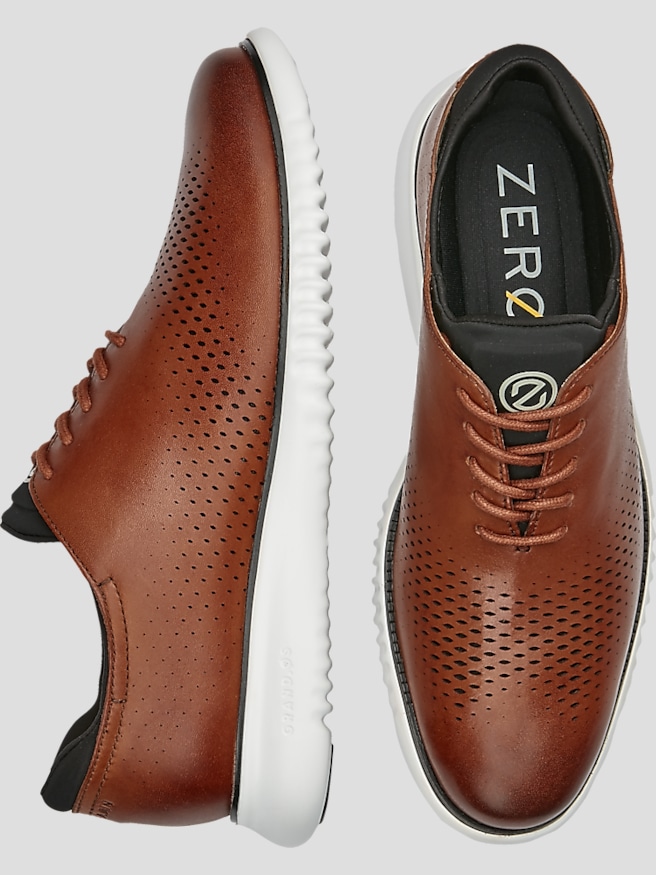
The lower half of a transitional outfit deserves the same attention as the top layers. Heavy winter fabrics can feel uncomfortable once the weather turns mild, while very lightweight shorts may not suit every setting or cooler morning. Chinos, cotton trousers, linen blends, and relaxed tailored pants offer a useful middle ground. Look for breathable construction, a comfortable waistband, and a leg shape that allows you to sit, walk, and move easily. Straight and relaxed fits pair naturally with casual shirts and overshirts, while a cleaner tapered silhouette can support a smart-casual office outfit or dinner look. Stone, beige, khaki, olive, navy, and muted blue are easy colors to coordinate, though a subtle stripe or small-scale pattern can add personality without making the outfit difficult to wear. Cuffing or rolling the hem may work with casual footwear, but the finished length should still look intentional rather than improvised. Footwear also helps establish the tone. Low-profile sneakers keep an outfit relaxed and practical for walking, loafers add a refined finish to trousers or tailored separates, and suede or leather lace-up styles can bridge the gap between casual and dressed-up settings. Socks should not be overlooked; lightweight pairs in neutral tones create a clean transition between trouser hem and shoe, while a small contrast can bring energy to an otherwise understated outfit. These recommendations are useful for men refreshing a wardrobe, packing for a trip, preparing for a workplace with a relaxed dress code, or selecting a practical gift for a partner, family member, graduate, or friend. Versatile clothing is particularly helpful as a gift because it can be worn in several combinations rather than being reserved for one occasion. A well-chosen layer, comfortable trouser, or polished casual shirt can become part of a weekly rotation for commuting, weekend errands, outdoor gatherings, and evenings when the temperature drops.
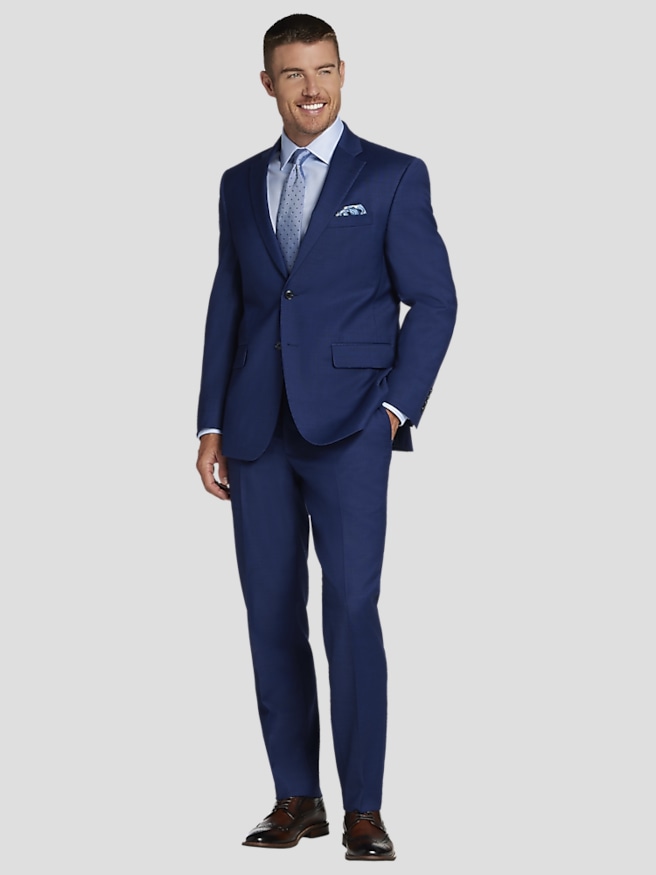
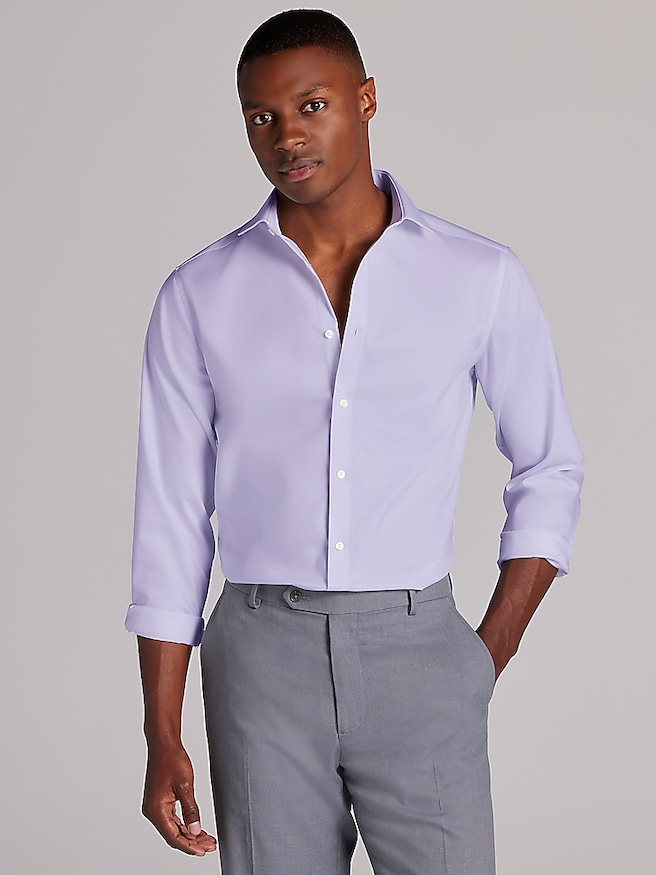
A strong men’s spring summer transition outfit should adapt to the setting as easily as it adapts to the weather. For a casual day, pair a neutral short-sleeve shirt with relaxed chinos, clean sneakers, and a lightweight overshirt that can be removed when the sun is high. For an office or smart-casual environment, combine a breathable button-down or knit polo with tailored trousers and an unstructured blazer, finishing with loafers or understated lace-up shoes. When plans extend from daytime into the evening, choose layers in complementary colors so the outfit remains cohesive even after one piece comes off. A cotton-linen shirt with sleeves rolled neatly at the forearm can feel comfortable during the warmer part of the day, then work beneath a casual jacket once the air cools. Small details make these outfits feel considered: a collar that sits flat, trousers with a clean break, sleeves that can be pushed up without losing their shape, and shoes suited to the amount of walking involved. Before purchasing, consider the climate where the clothing will be worn, the amount of care the fabric requires, and whether the item works with at least three pieces already in the closet. Travelers may value wrinkle resistance, packability, and colors that can be worn repeatedly without looking identical. Men dressing for social events may prefer textured fabrics and elevated finishing details, while anyone building a practical everyday wardrobe may get the most use from simple layers that coordinate across casual and polished outfits. During cooler months, these same pieces can remain useful beneath heavier outerwear, helping extend their wear beyond the warmest part of the year. The result is a collection of adaptable outfits that feel comfortable in changing temperatures, look appropriate across a range of occasions, and make getting dressed easier whenever the day begins cool and ends warm.