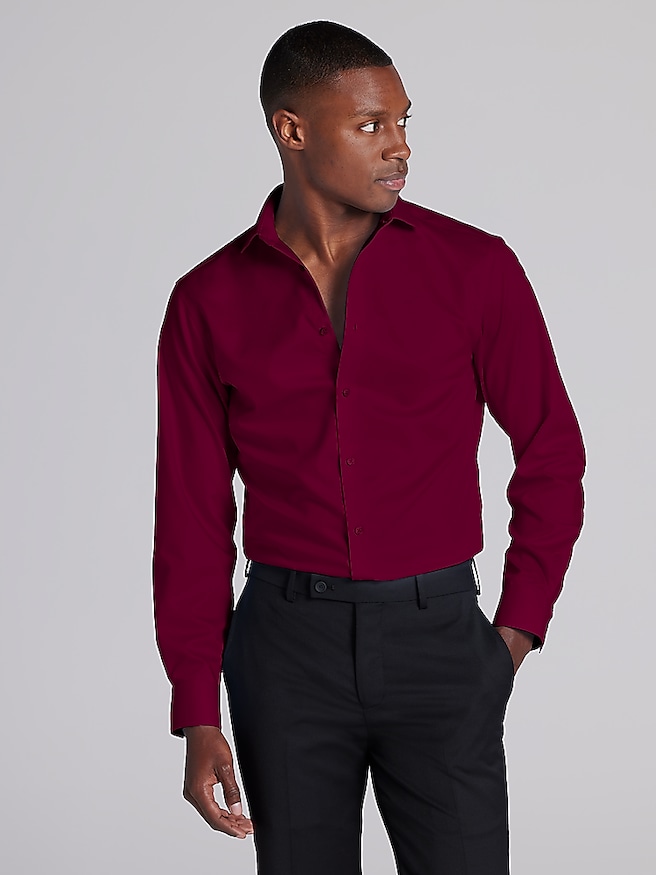
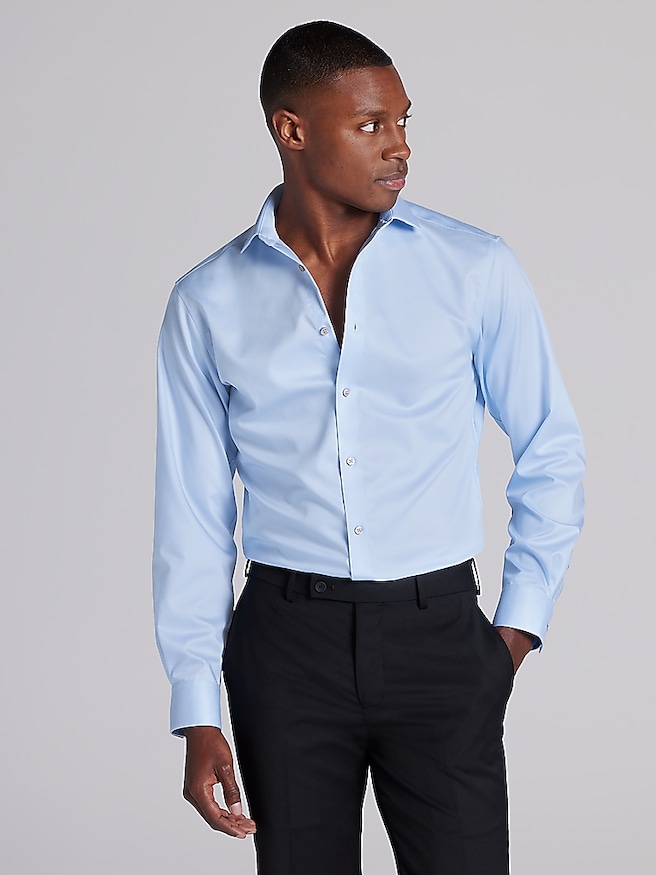
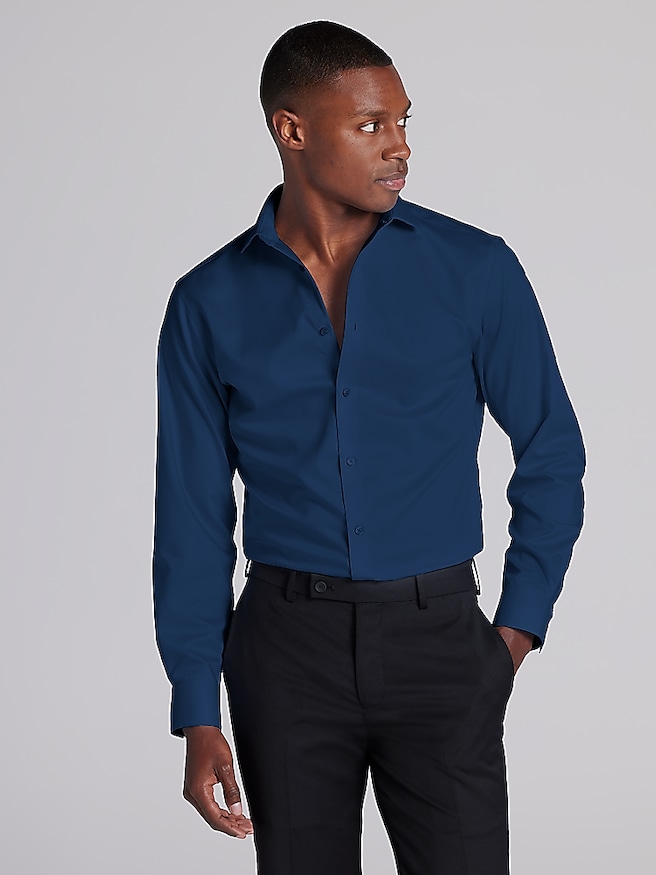
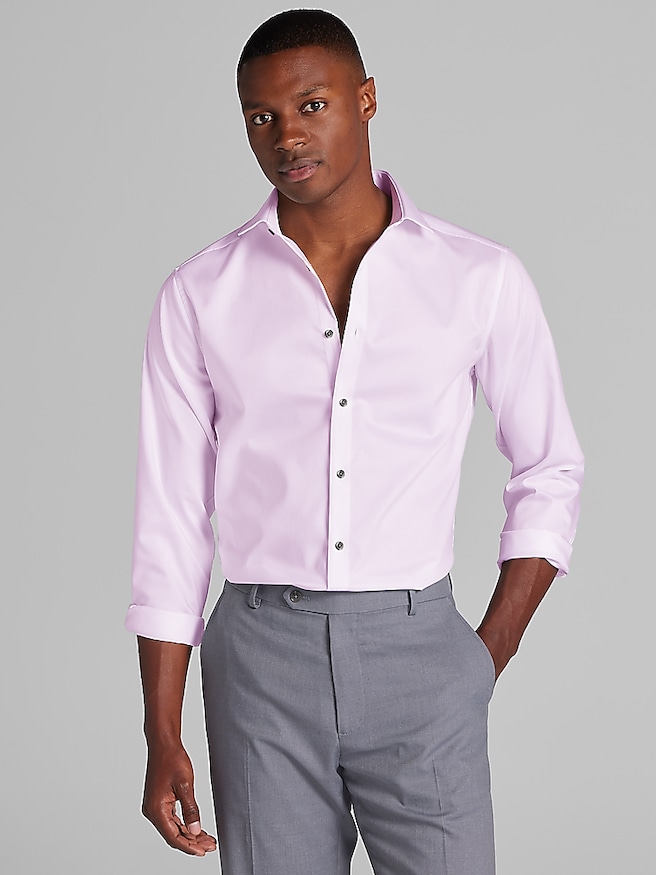
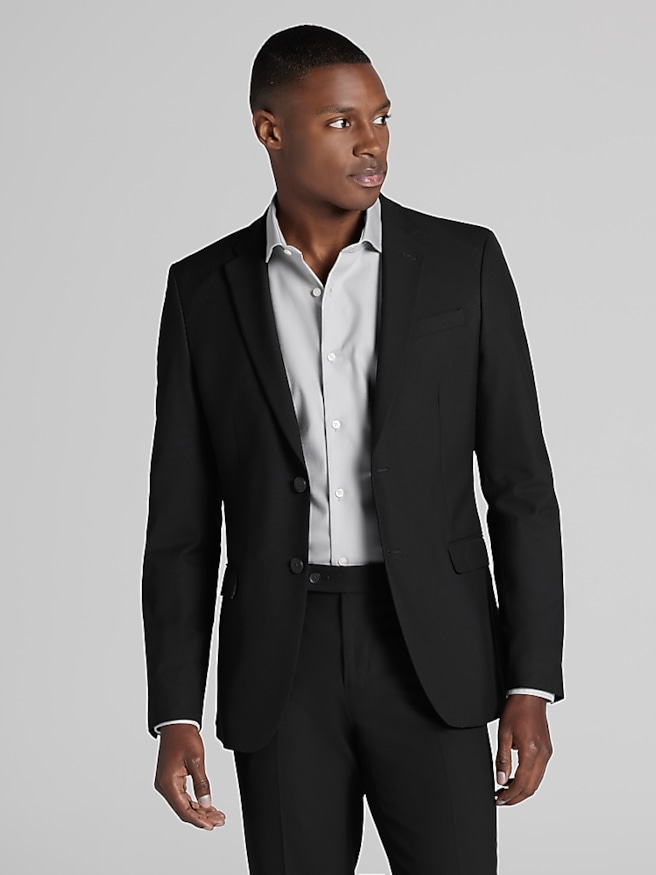
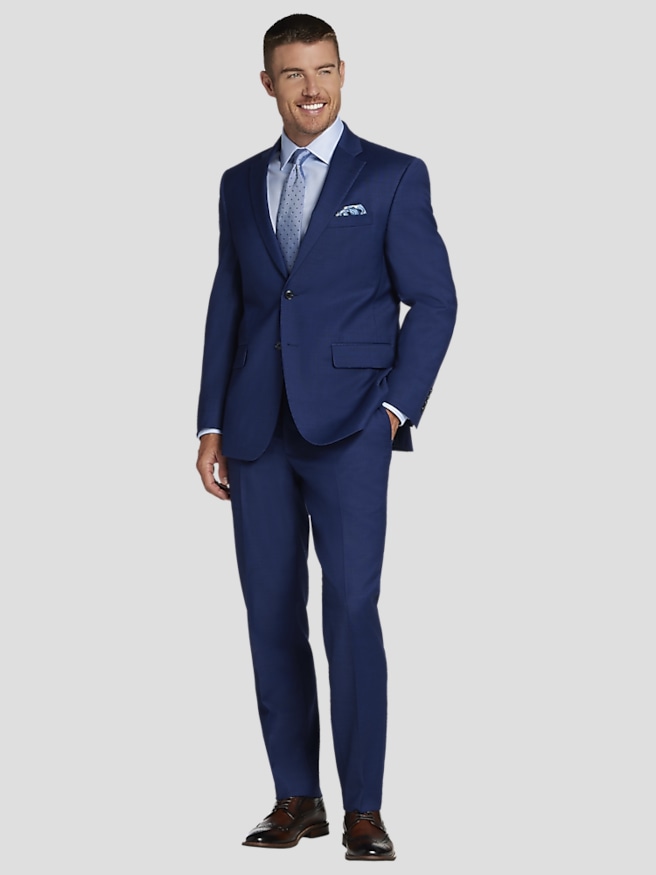
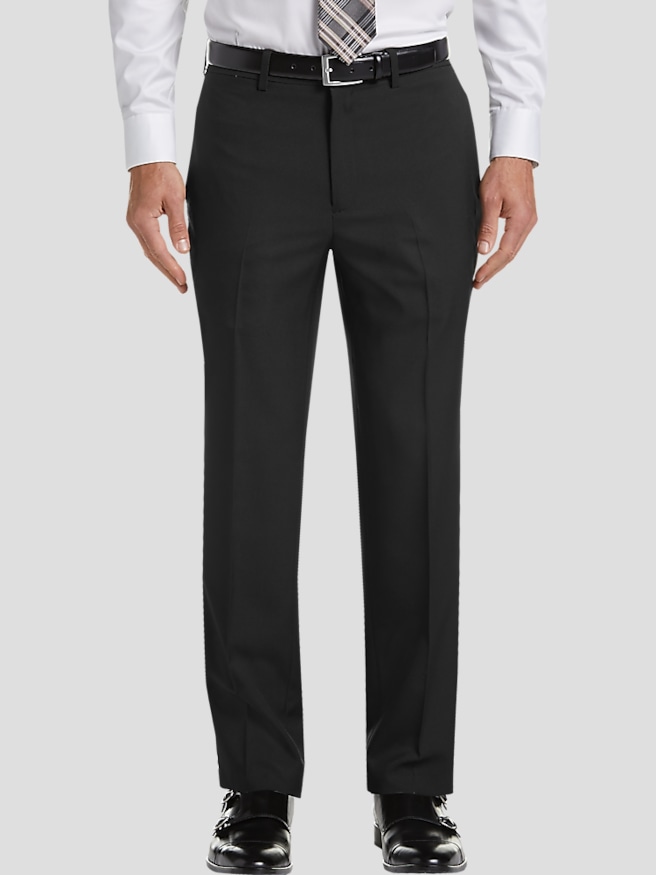
A spring outfit for men has to balance a polished appearance with the ease of getting through a full day. A morning commute, an afternoon meeting, and dinner on an outdoor patio can call for slightly different levels of coverage without requiring a complete change of clothes. That is where breathable fabrics, comfortable proportions, and layers that look good together make a meaningful difference. Spring clothing often feels most versatile when it starts with a restrained palette: navy, stone, light gray, olive, and soft blue create plenty of room for mixing textures without making an outfit look busy. Lighter shades bring freshness to familiar tailoring, while deeper colors give the overall look definition. A pale neutral beside navy, for example, can feel crisp enough for the office and relaxed enough for a weekend lunch. Color is only part of that balance, though. A subtle woven texture can add interest to a simple combination, and a smooth finish can make the same general silhouette feel more refined. The intended setting helps determine how much structure makes sense. Business casual environments often suit clean lines with a little softness, while a wedding reception or graduation celebration may call for a more tailored appearance. Off-duty clothing can have a looser feel without looking oversized or unfinished. The strongest spring combinations also account for movement: sitting through a presentation, climbing stairs to a commuter platform, or spending several hours at a gathering should not mean constantly adjusting a waistband or pulling at a shoulder seam. Versatility comes from those practical details as much as from appearance. Clothing that works comfortably across several settings is easier to wear repeatedly, particularly when the colors and proportions fit naturally with an existing wardrobe. Rather than depending on bold seasonal details, an appealing spring wardrobe can feel fresh through lighter textures, thoughtful contrast, and a silhouette that looks intentional from the first appointment to the last stop of the day.
Fabric choice shapes how spring clothing feels, drapes, and holds up to regular wear. Cotton is familiar for its softness and breathability, although its weight and weave can make it feel either crisp and structured or relaxed and supple. Linen has an airy character and a distinctive surface that develops visible creasing with wear; those wrinkles are part of its casual appeal rather than necessarily a sign that the outfit needs attention. Linen blends can preserve some of that texture while changing the drape and care requirements, depending on the fibers involved. Lightweight wool can provide a smooth, refined finish for tailoring, with natural resilience that helps clothing recover between wears. Fabrics with added stretch may offer useful flexibility through a long seated workday, but stretch should complement a suitable fit rather than compensate for clothing that is too tight. A comfortable shoulder line, enough room through the chest, and a waistband that sits securely without digging in are stronger foundations. Trousers should allow natural movement through the seat and thighs, with a length that looks deliberate alongside the intended footwear. For layered outfits, a little room matters: an outer layer should lie comfortably over the clothing beneath it without pulling across the upper back or bunching at the arms. Lining and construction deserve attention as well, since a lightweight outer fabric can still feel substantial when paired with a full lining. Durability involves more than fabric thickness. Even stitching, neatly finished seams, secure fastenings, and appropriate reinforcement at frequently stressed areas all contribute to clothing that stands up to repeated use. Care needs should fit the wearer's routine. The care label is the best starting point for washing, drying, pressing, or professional cleaning, because similar-looking fabrics can require different treatment. Prompt attention to spots, airing clothing after wear, and suitable storage can help maintain its appearance. Structured pieces generally benefit from supportive hangers, while knits often keep their shape better when folded. These quiet maintenance habits help preserve the fit and finish that make an outfit enjoyable to wear.
Spring occasions give this clothing a broad range of uses, from everyday office dressing to celebrations that deserve a little extra thought. For a daytime graduation, comfort might mean breathable material and enough ease to sit through the ceremony before standing for photographs. At a garden wedding, a lighter texture can feel appropriate to the setting, while the invitation's dress code still determines the required level of formality. A work event that continues into an evening reception calls for a combination with enough definition to look polished on its own, even after an outer layer comes off. Minimal styling can be especially effective in these situations because it allows fit, fabric, and proportion to carry the look. A narrow range of complementary colors creates continuity, and a single textural contrast can provide interest without competing with the occasion. For a more streamlined expression of occasion dressing, the Modern Minimal Spring Summer Formal Outfit For Men theme connects that restrained approach with a formal setting. Across both casual and dressier spring outfits, footwear and finishing details work best when they share a similar level of refinement. A neat trouser hem and well-maintained shoes often do more for the overall impression than adding another accessory. These considerations are useful for anyone building a first professional wardrobe, refining an established rotation, or choosing clothing for a milestone celebration. Spring clothing can also be a thoughtful gift for a graduate, a partner, or a family member preparing for a new role, particularly when the recipient's sizing, preferred fit, and care habits are already familiar. Someone who values simple maintenance may appreciate different fabrics from someone comfortable with regular professional cleaning. Personal comfort matters just as much as the occasion: a good outfit should feel recognizable to the person wearing it, not like a costume chosen for a photograph. The lasting appeal of spring dressing lies in that combination of ease and intention—breathable materials, balanced proportions, adaptable colors, and details that continue to look considered through an ordinary day or an important celebration.