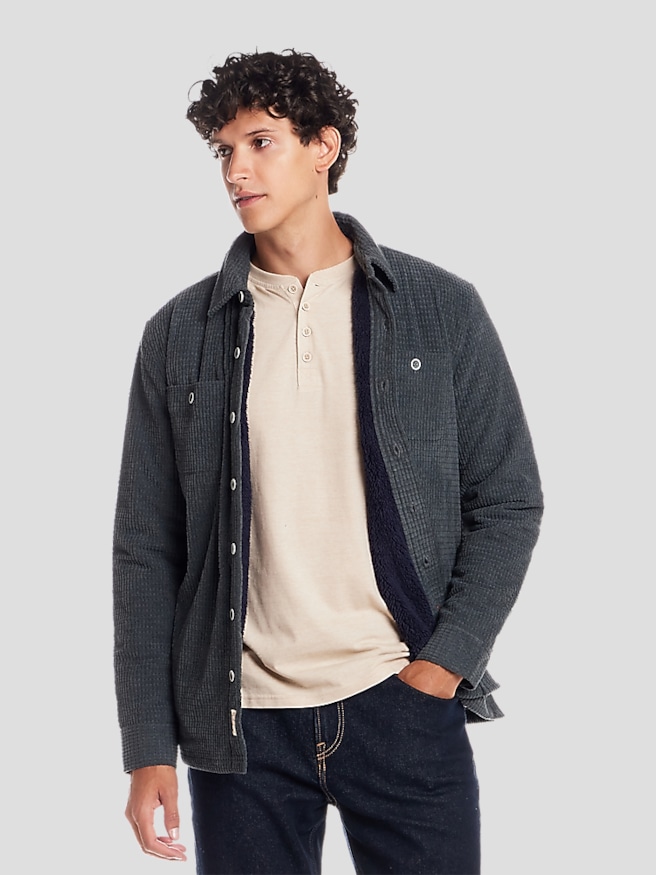
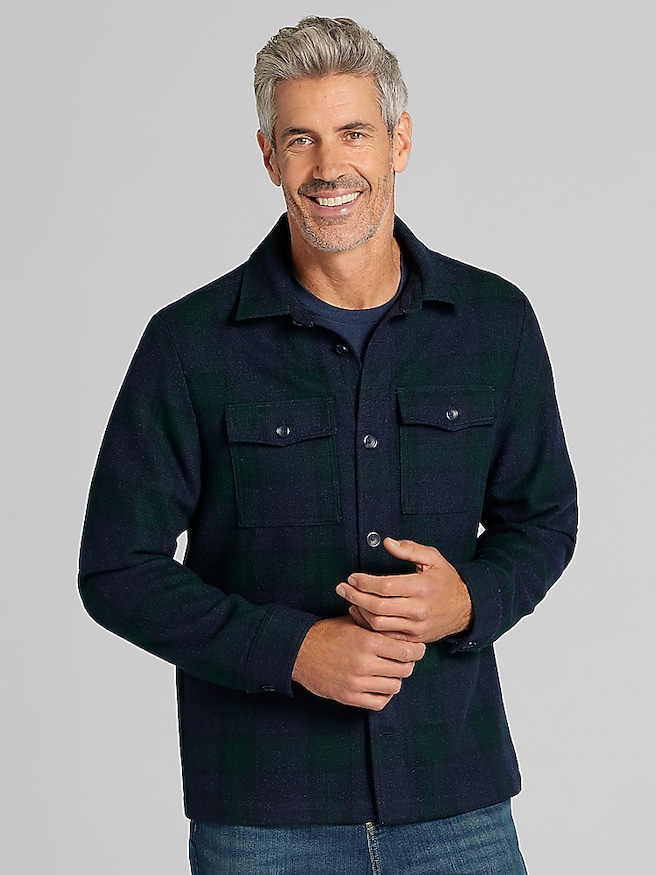
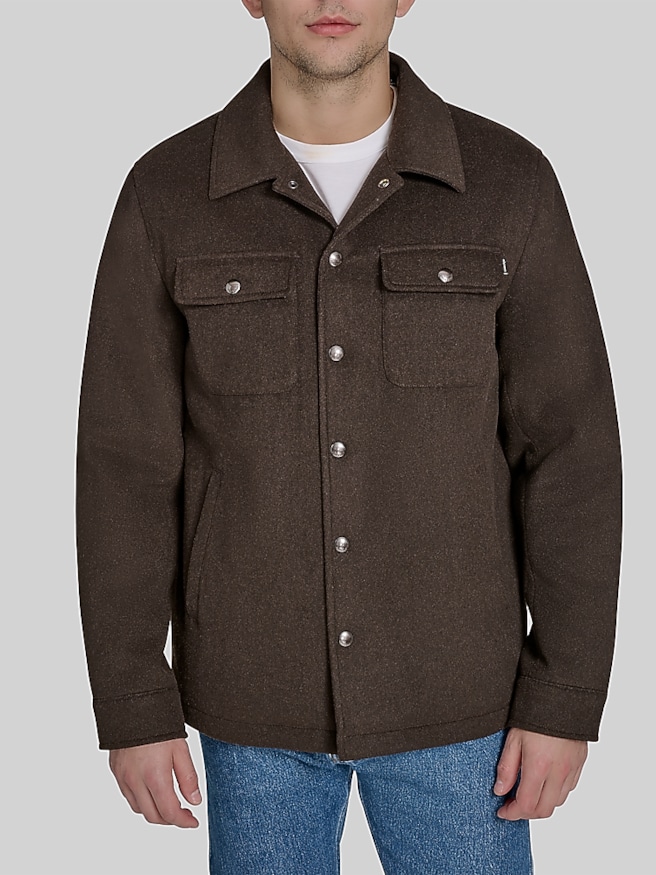
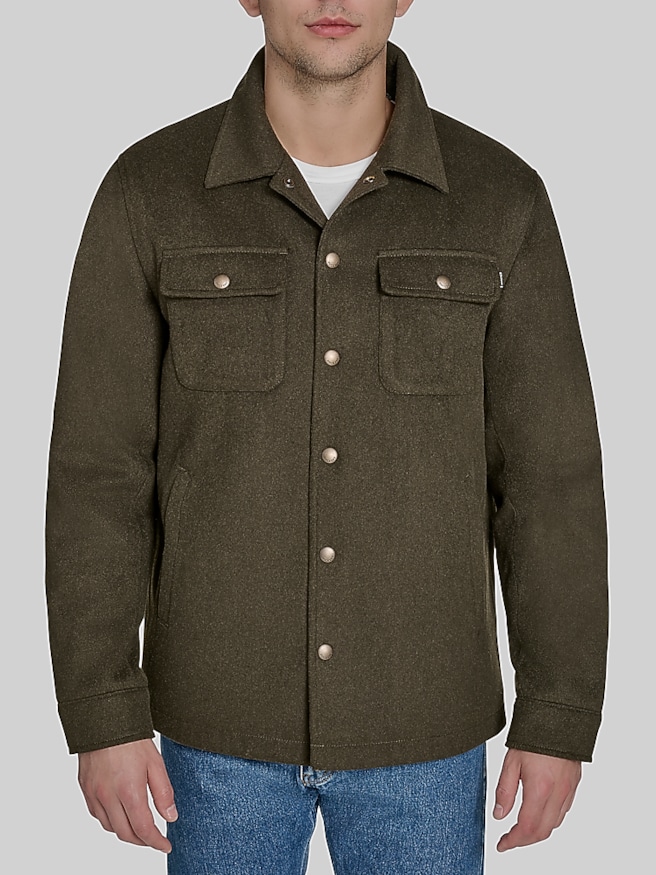
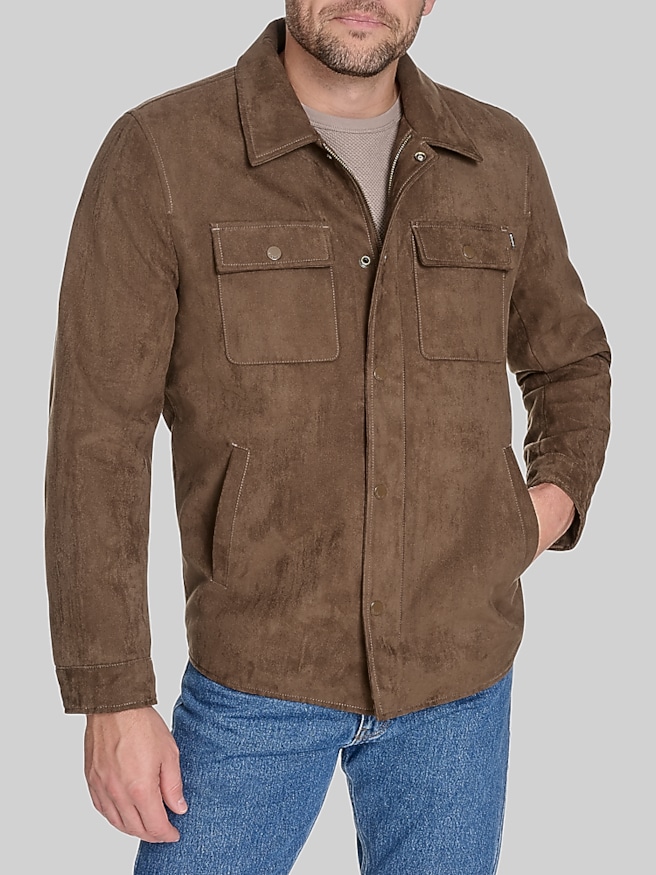
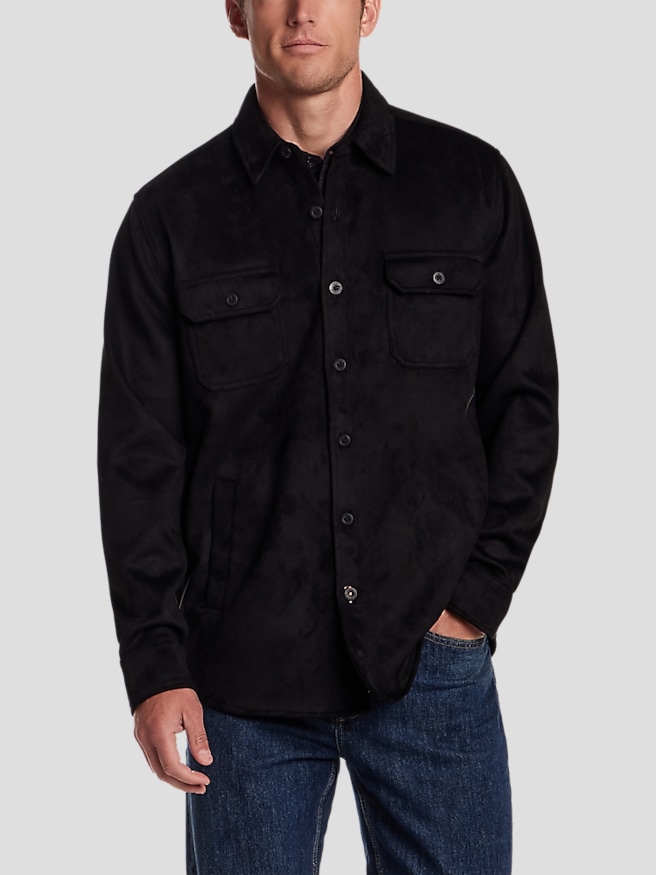
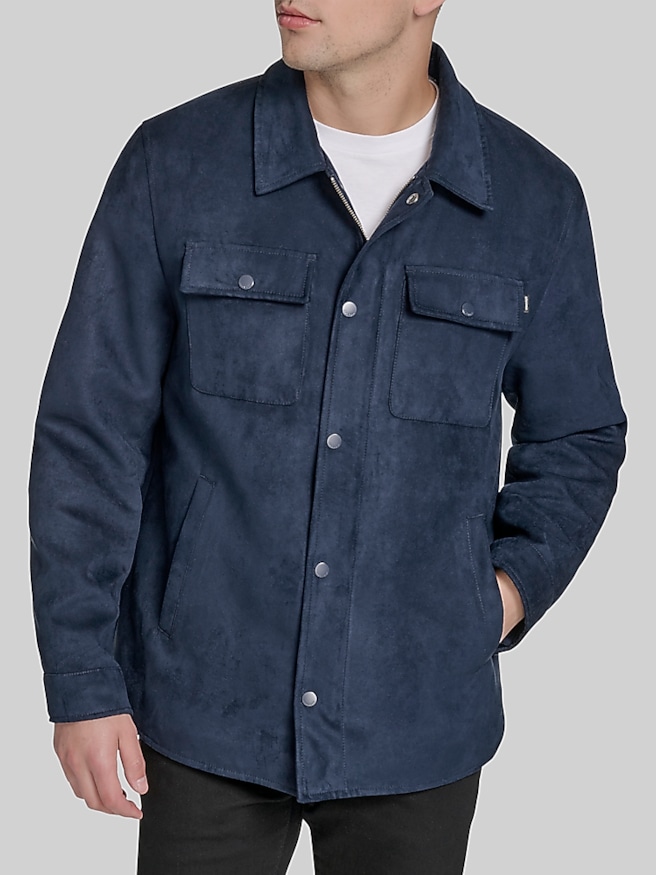
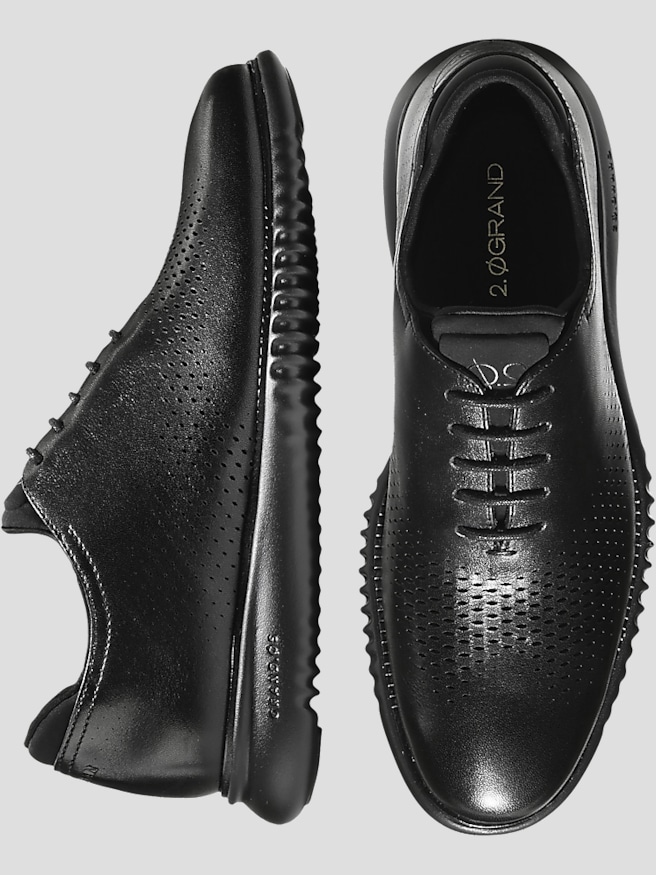
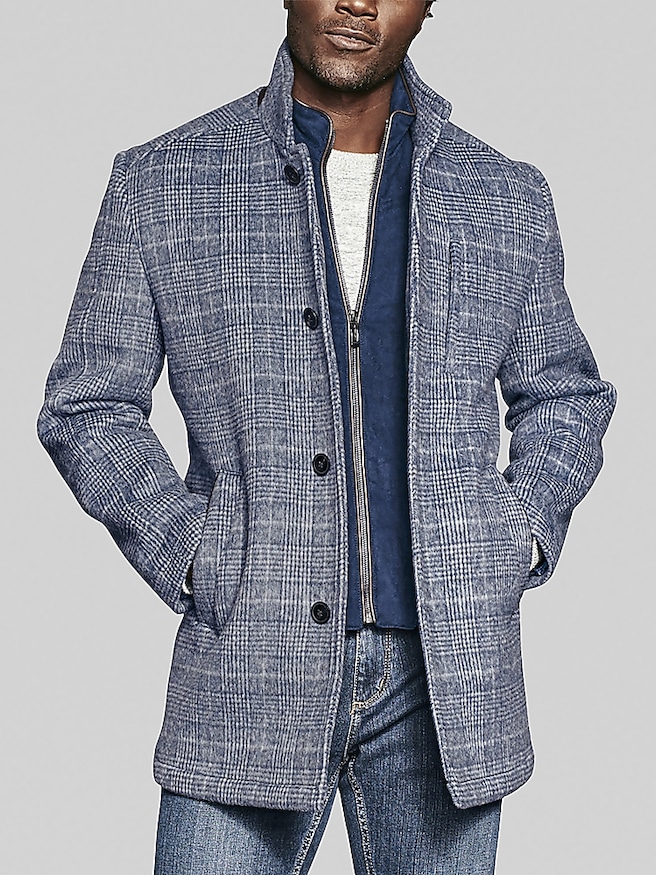
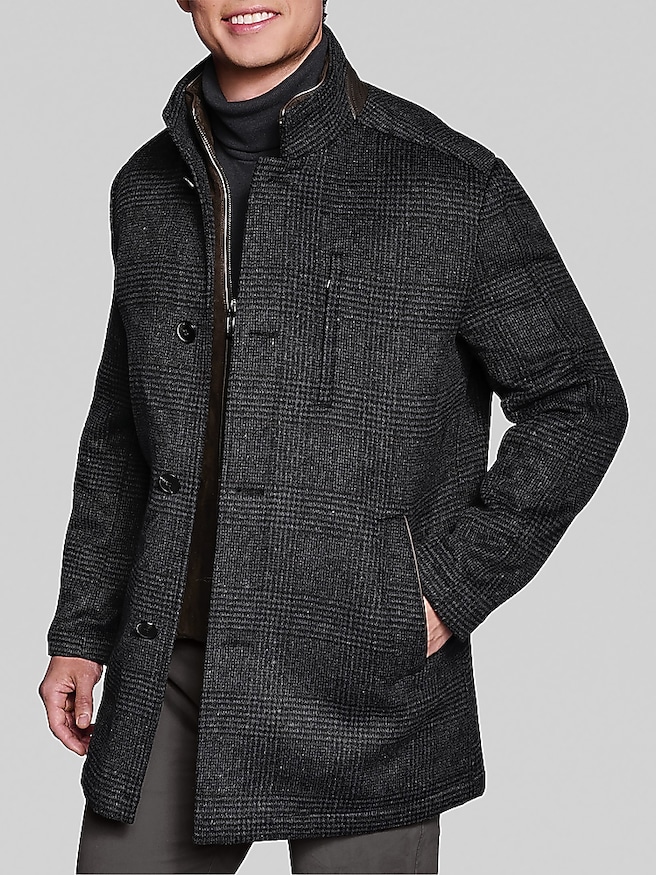
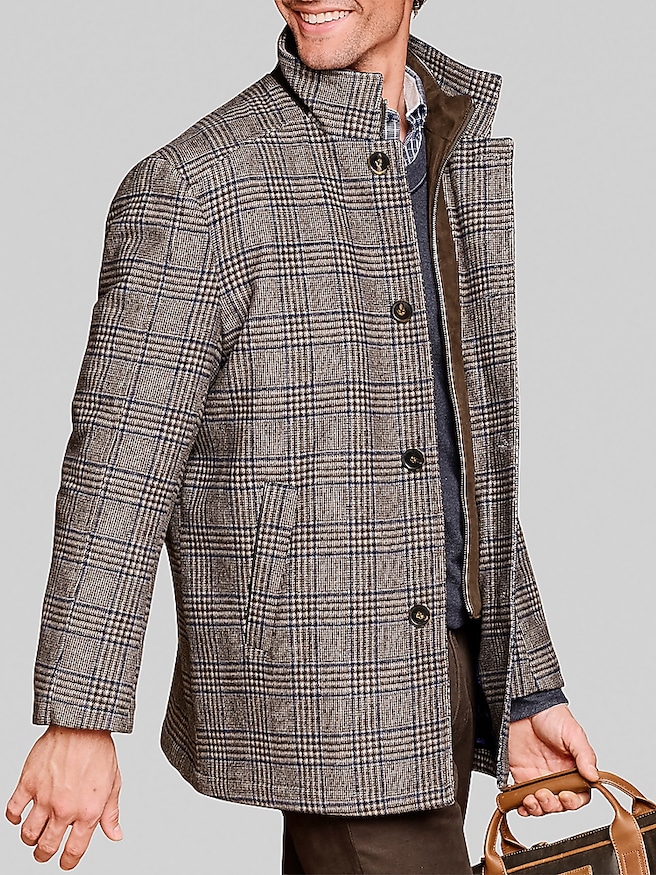
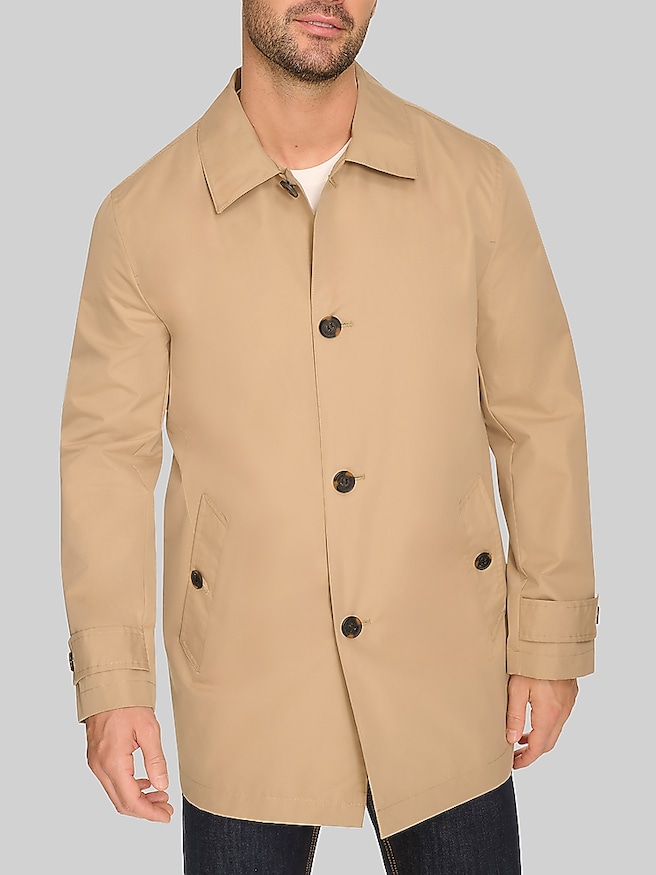
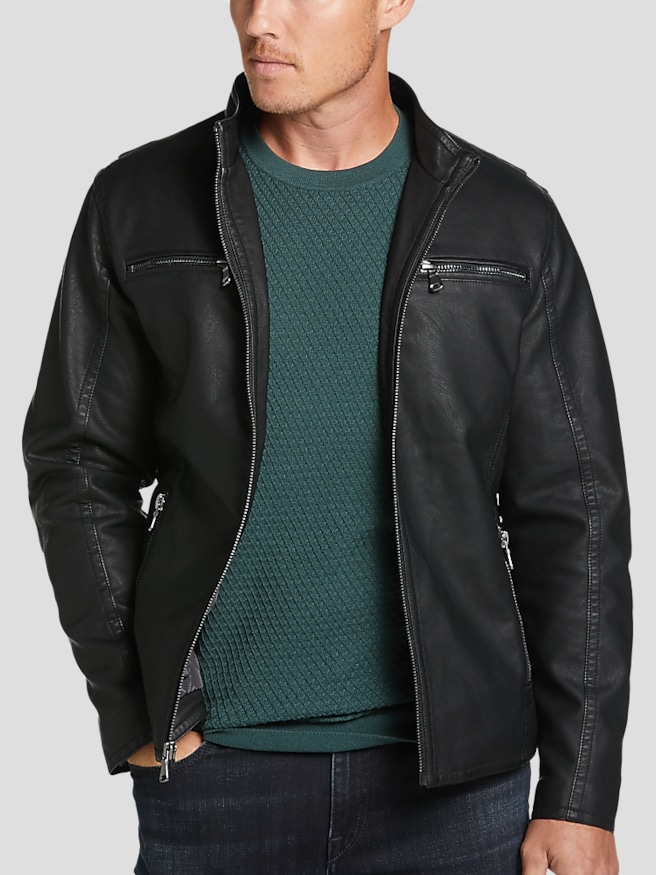
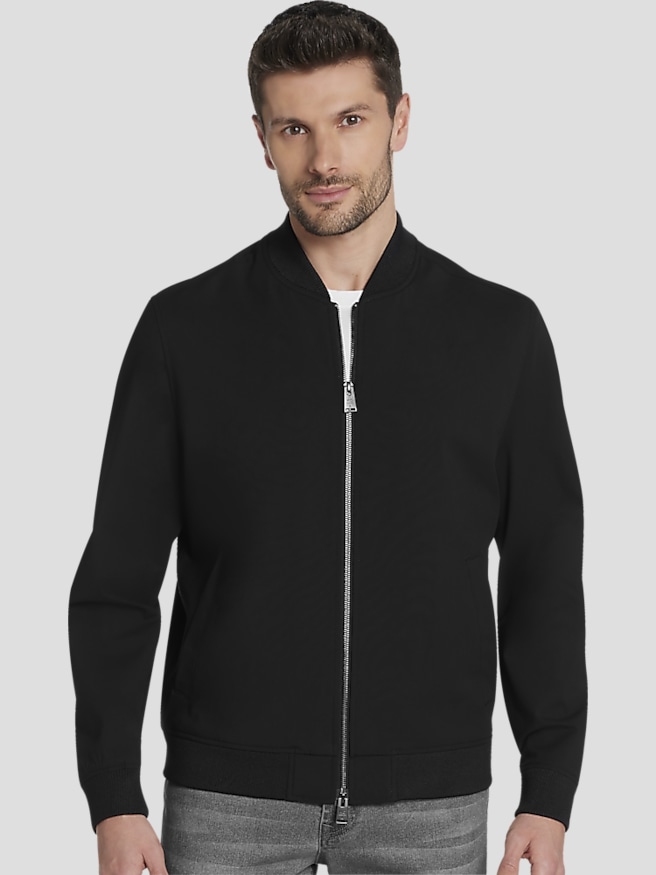
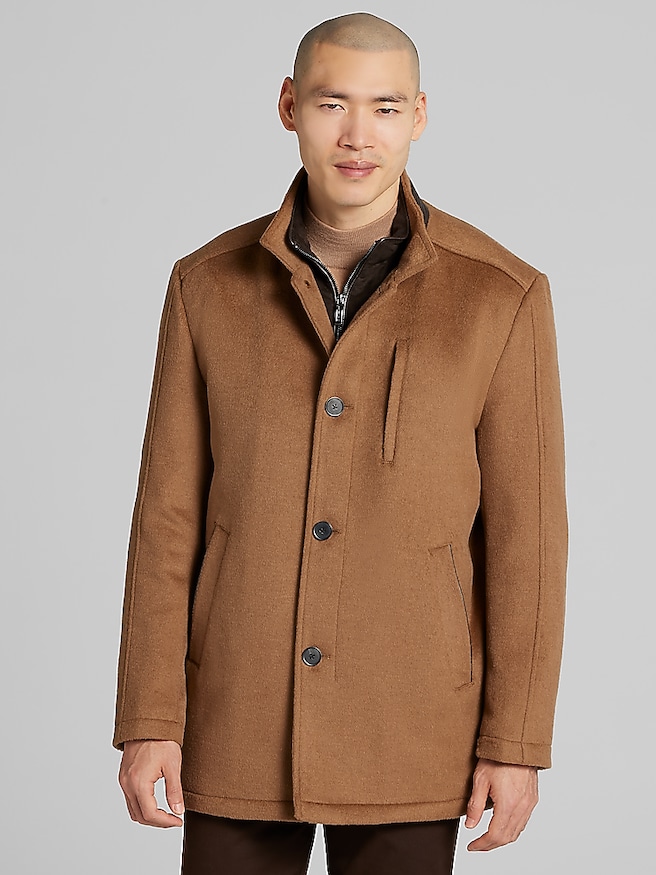
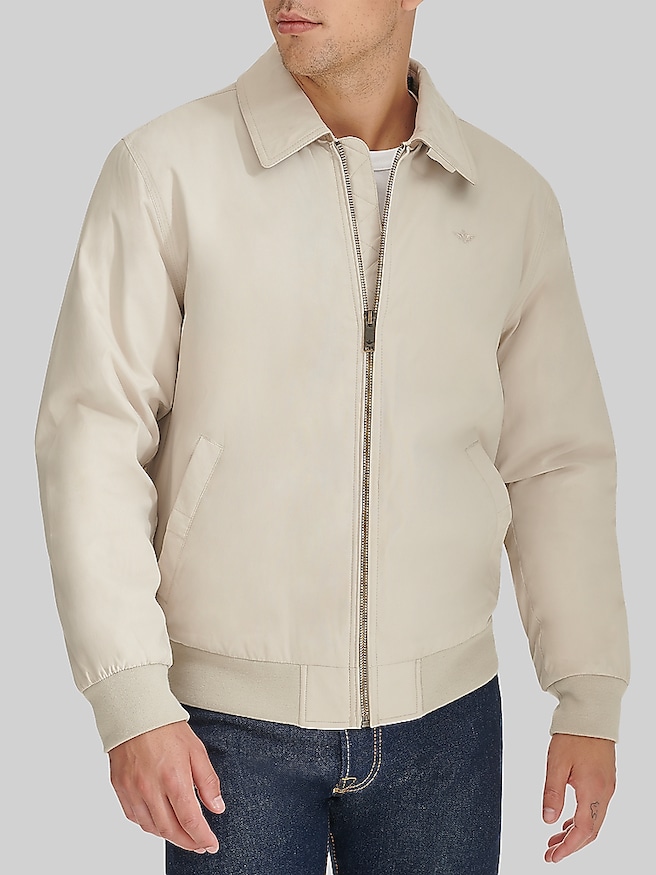
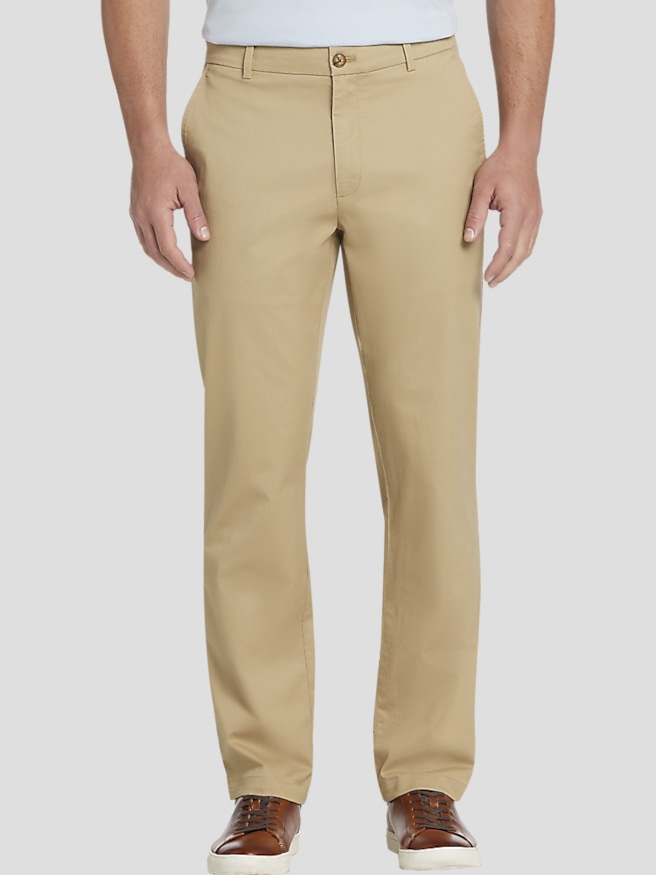
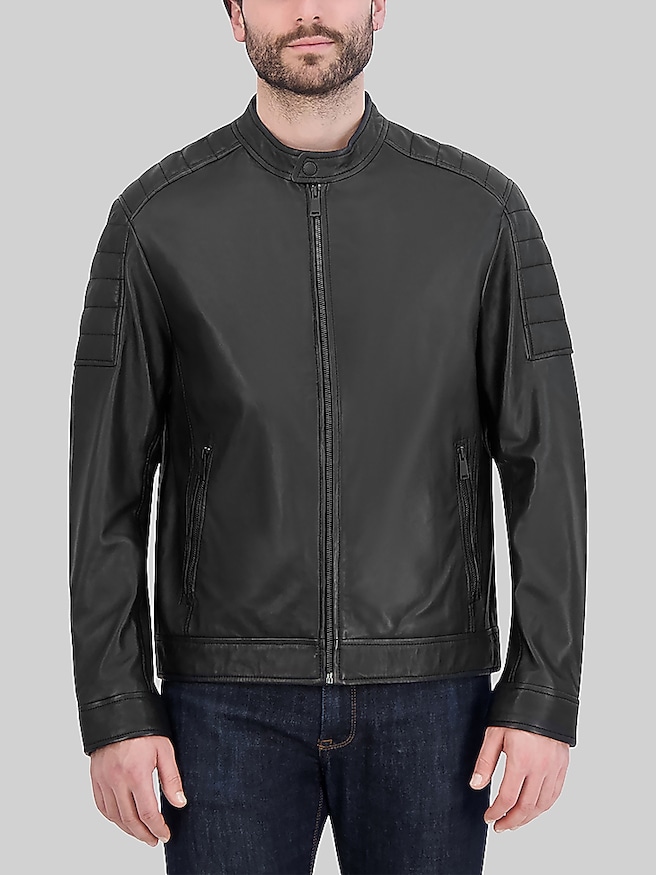
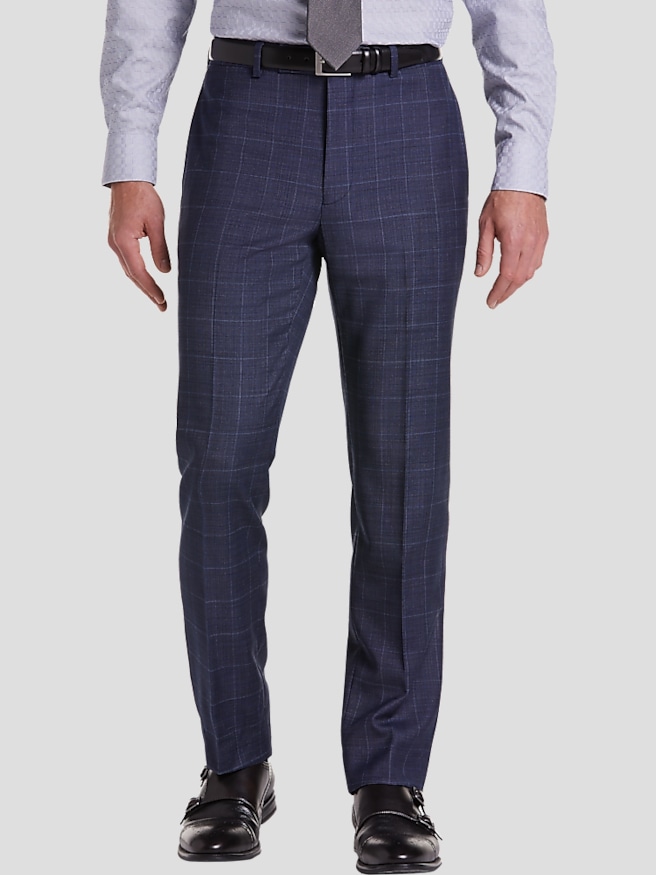
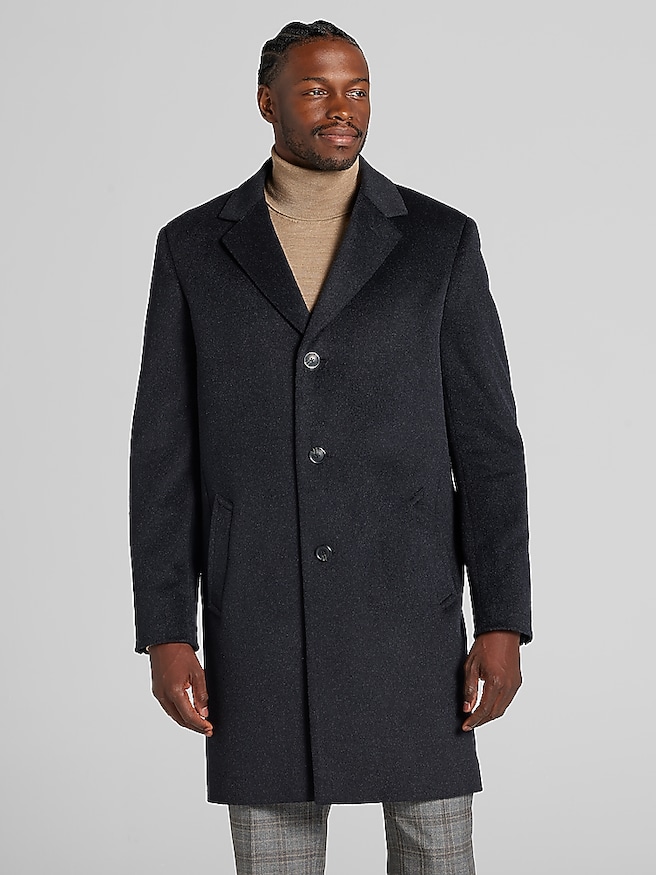
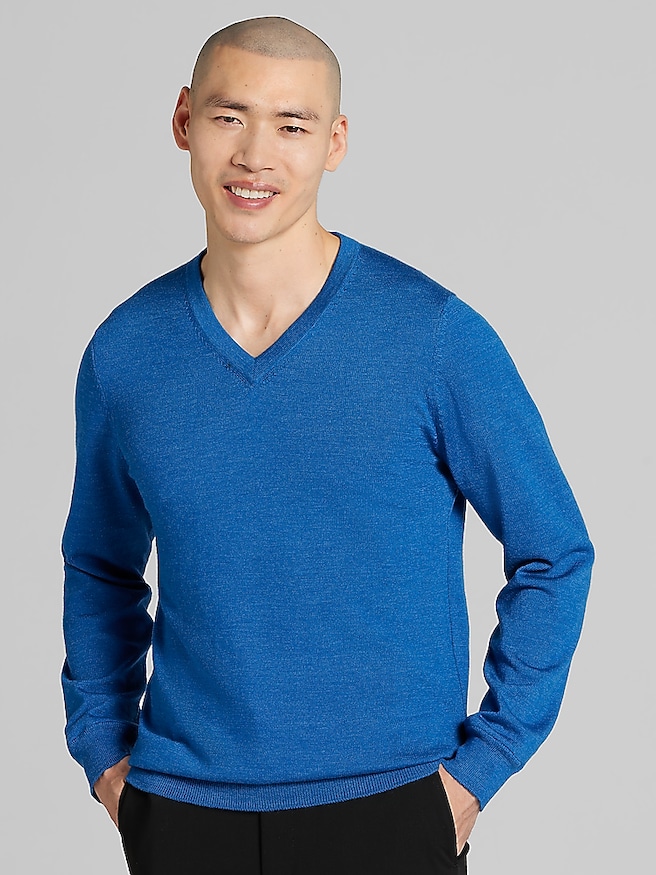
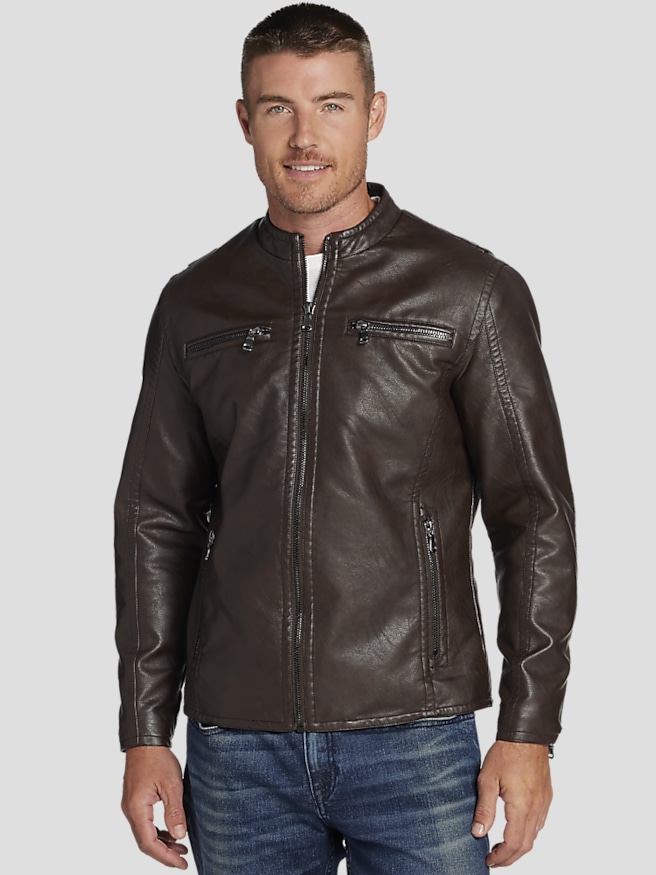
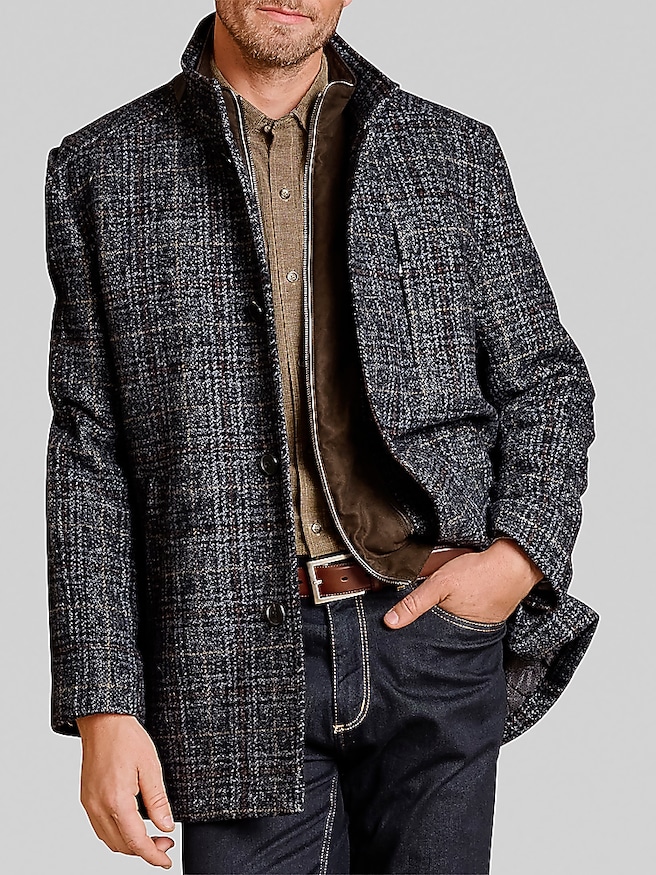
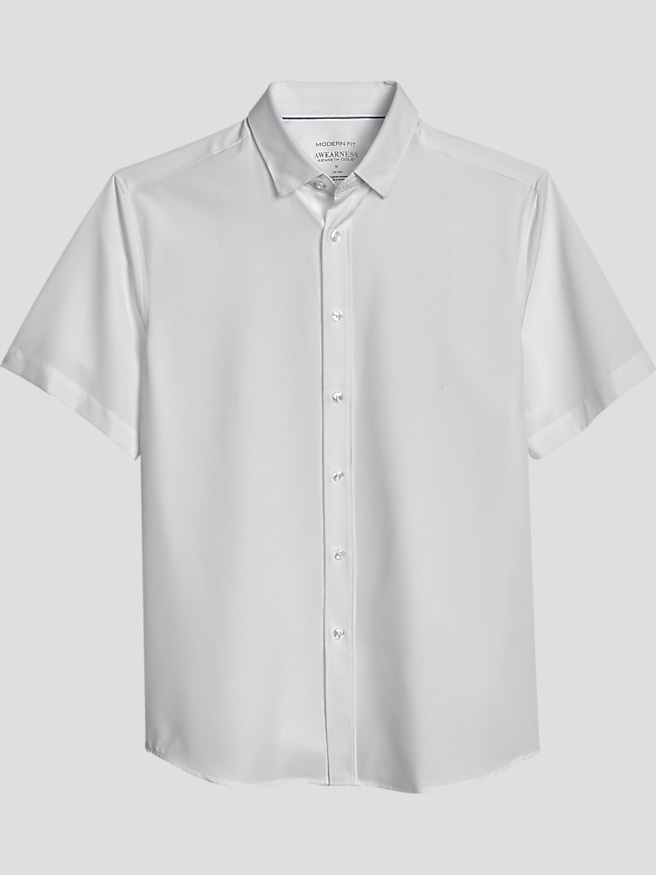
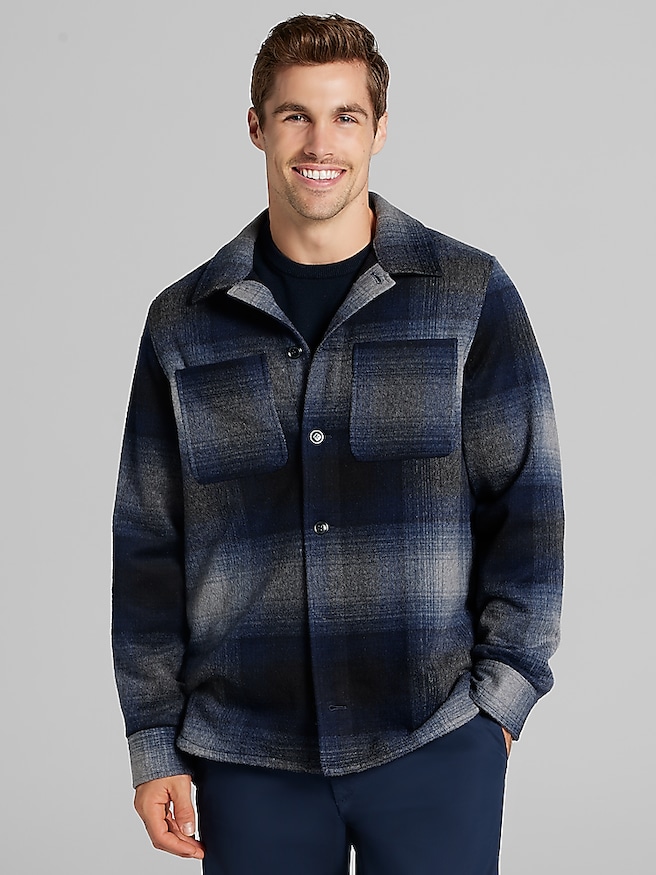
The best fabrics for fall and winter transitional outfits include wool, flannel, cotton blends, and lightweight knits. These materials provide warmth without excessive bulk and allow for easy layering. Wool-blend outerwear and flannel shirts are especially popular for their insulation and breathability, while cotton blends offer comfort and versatility for day-to-day wear.
Effective layering starts with a moisture-wicking base layer, followed by a mid-layer such as a sweater or flannel shirt, and finished with an outer layer like a jacket or vest. Choose pieces that can be easily removed or added as temperatures fluctuate throughout the day. Mixing textures and weights helps maintain comfort and style while adapting to changing weather.
Yes, many fall and winter transition outfits are designed for versatility and can be easily dressed up or down. Pairing tailored pants and a button-down shirt with a sweater or blazer works well in business environments, while swapping in jeans or chinos with a casual jacket creates a relaxed look for weekends or evenings out.
Accessories such as scarves, beanies, gloves, and leather belts add both function and style to transitional outfits. Scarves and beanies provide extra warmth on colder days, while leather belts and boots complete the look with a polished touch. Choosing accessories in neutral or earthy tones ensures they coordinate easily with a variety of outfits.
Proper care involves following the garment’s care instructions, usually found on the label. Wool and knit items often benefit from gentle washing or dry cleaning, while cotton and flannel pieces can typically be machine washed. Storing clothing in a cool, dry place and using cedar blocks or sachets can help protect against moths and keep items fresh between wears.