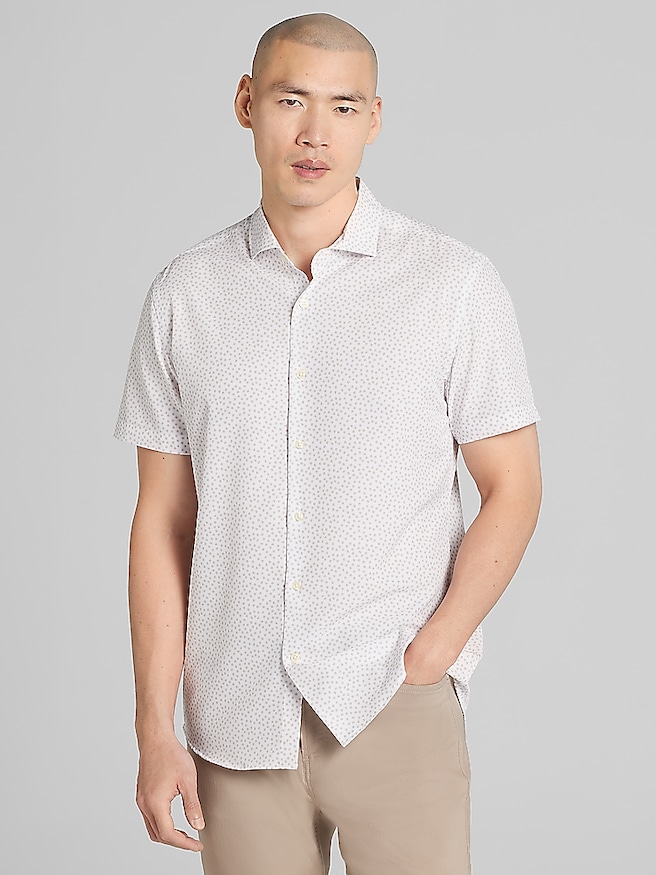
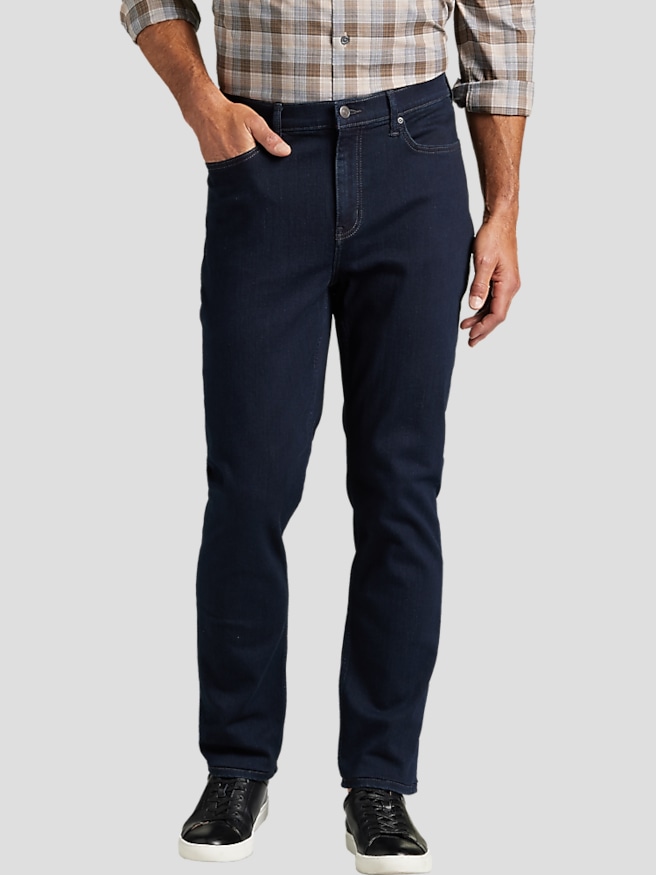
Men’s slim fit cotton shirts combine the familiar softness of cotton with a closer, more defined silhouette through the chest, waist, and sleeves. Compared with a traditional fit, a slim fit generally leaves less excess fabric around the torso, creating a cleaner line whether the shirt is tucked into dress pants or worn with chinos. The shape is tailored rather than tight: a well-fitting shirt should allow comfortable movement without pulling across the buttons or bunching beneath a jacket. Cotton gives this category much of its everyday appeal. The natural fiber absorbs moisture, allows air to circulate, and feels comfortable against the skin, while the fabric’s weave influences its texture, weight, and finish. Cotton poplin typically has a smooth, closely woven surface that works well with polished outfits. Oxford cloth has a more noticeable basket-weave texture and often brings a relaxed character to button-down shirts. Cotton twill has subtle diagonal ribs and can offer a soft drape with a substantial feel, depending on the fabric’s weight and construction. These distinctions matter as much as color when choosing between a shirt for client meetings and one for dinner with friends. A crisp white or light blue cotton dress shirt provides a restrained foundation for a suit, while a textured solid, fine stripe, or small check can add interest without dominating an outfit. Pure cotton and cotton blends also have distinct qualities. A shirt labeled 100% cotton contains no added stretch fiber, although its weave and construction still affect how it moves. Cotton blended with elastane can provide added give; other blends may influence wrinkle resistance, drying time, or durability. The fabric composition and care label are more useful than appearance alone for understanding those differences. Within the broader category of Men's Slim Fit Shirts, cotton styles suit shoppers who value a familiar fabric feel along with a streamlined shape for work, social plans, and everyday dressing.
The strongest feature of a slim fit shirt is proportion, not simply a smaller size. Shoulder seams should sit close to the outer edge of the shoulders, and the body should skim the torso without stretching across the chest when seated. Enough room through the upper back makes a noticeable difference during ordinary movements, from reaching across a desk to putting on a jacket. Sleeves with less excess fabric can sit neatly beneath a blazer, but the upper arms and elbows still need space to bend comfortably. For a dress shirt worn with a tie, the collar should close without feeling restrictive, and the cuffs should rest near the wrist rather than sliding far onto the hand. Sizing varies by maker and style, so a slim fit label describes an intended silhouette rather than a universal set of measurements. Some cotton shirts use neck and sleeve measurements, while others use letter sizing; checking the relevant size chart helps clarify how each is cut. Hem shape and length also influence the finished look. A longer shirttail provides fabric to keep a shirt tucked during sitting and reaching, while a shorter hem designed for untucked wear can look balanced over jeans or casual pants. Collar and cuff details help set the level of formality. A spread or point collar can frame a tie neatly, while a button-down collar keeps its points secured and often feels at home in less formal settings. Simple button cuffs are practical for regular wear; French cuffs require cuff links and create a dressier effect. For an office presentation, a smooth cotton shirt tucked into tailored trousers keeps the silhouette composed even after the jacket comes off. For a restaurant reservation or an informal gathering, an open collar and a textured cotton weave can soften the same slim shape. The result depends on the whole outfit: trouser proportions, footwear, and a shirt’s length all contribute to whether the look feels polished or relaxed.
Cotton shirts can become dependable wardrobe staples when the fabric, construction, and care routine match how often they are worn. Durability is not determined by thickness alone. Even stitching, securely attached buttons, neatly finished seams, and reinforcement at stress points all contribute to how a shirt handles repeated wear. A finer cotton fabric may feel smooth and refined, while a more substantial weave may offer the texture and structure preferred for frequent casual use. Neither automatically performs better in every setting. Wrinkling is also part of cotton’s character, though the weave, finish, and any blended fibers can change how readily creases appear. Wrinkle-resistant treatments may reduce maintenance, but they do not guarantee a perfectly pressed appearance after washing or a long day of sitting. Care instructions should take priority over general assumptions about cotton. Some shirts are machine washable, while others have specific requirements related to finishes, trims, or construction. Excessive dryer heat can contribute to shrinkage, and overdrying can leave creases harder to remove. When permitted by the label, prompt removal from the dryer, gentle reshaping, and hanging can help preserve the shirt’s outline. Ironing at the recommended setting, often while the fabric is slightly damp, can restore a crisp collar, smooth placket, and tidy cuffs. Attention to the inside collar and cuffs during laundering helps address areas that receive frequent skin contact. Rotating shirts between wears also gives each piece time for appropriate cleaning and care rather than relying on the same one for every occasion. For someone building a professional wardrobe, a few versatile colors and restrained patterns can support many combinations without making each outfit feel identical. Cotton slim fit shirts can also be thoughtful gifts for a graduate starting a job, a partner refreshing everyday clothing, or someone who prefers a closer cut beneath tailoring. Accurate neck, chest, and sleeve measurements are especially helpful for gifting, along with a sense of whether the recipient usually dresses with a tie, an open collar, or an untucked hem. A shirt that fits both the body and the daily routine is more likely to become a familiar favorite.