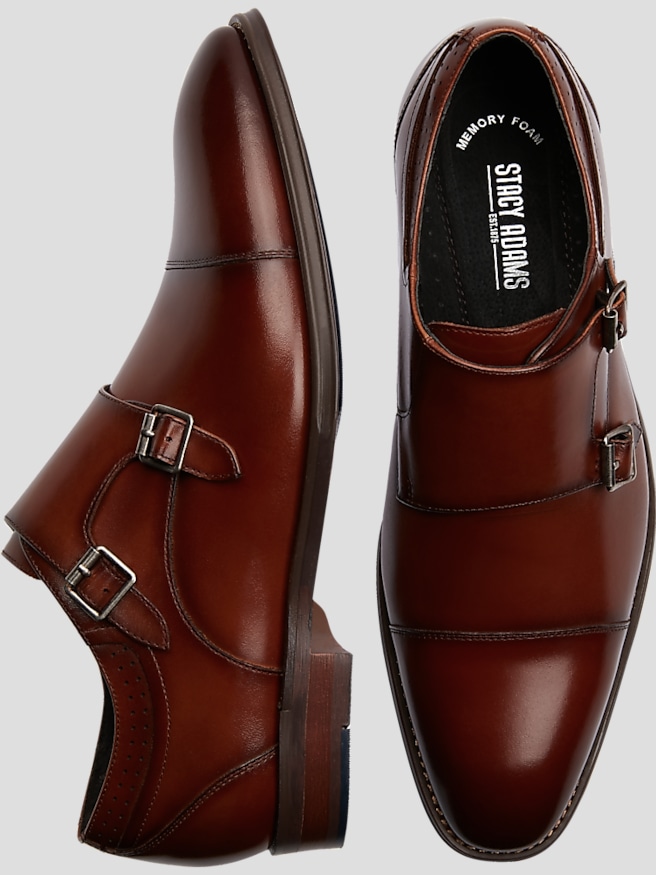
Men's size 8.5 shoes pair a familiar U.S. shoe size with a wide range of uses, from polished office dressing to relaxed evenings out. In U.S. men's sizing, 8.5 falls between sizes 8 and 9, but the number alone does not describe width, toe shape, or how securely a shoe holds the heel. Those details matter whether the occasion calls for a lace-up dress shoe, a slip-on loafer, or a clean-lined casual sneaker. An Oxford's closed lacing creates a streamlined appearance alongside a suit, while a derby's open lacing allows more adjustment across the top of the foot. Loafers offer an easy transition between tailored trousers and chinos, especially when their proportions stay simple and the finish complements the rest of the outfit. Casual sneakers bring a more relaxed feel to jeans, knit shirts, and unstructured jackets without requiring bulky athletic styling. Color also influences how a pair fits into an existing wardrobe. Black leather creates a crisp foundation for dark tailoring; brown shades work naturally with navy, gray, and earth tones; and suede introduces a softer texture that suits less formal combinations. For a presentation followed by dinner, a restrained silhouette can feel appropriate in both settings. For a wedding guest, the invitation's dress code and the formality of the suit help establish the right level of polish. A tuxedo generally calls for more formal footwear than an everyday business outfit. Shape deserves attention, too: an elongated toe gives a different impression than a rounded one, even when both shoes carry the same size label. The most useful choice is footwear that suits the wearer's regular activities, fits comfortably, and complements clothing already in rotation, rather than a pair that looks appealing but rarely leaves the closet.
Fit gives men's size 8.5 footwear its practical value, and a half size should never substitute for the right width. A foot can need more space across the ball without needing additional length, just as a narrow heel can slip inside a shoe that otherwise has enough room at the front. The widest part of the foot should align comfortably with the widest part of the shoe, with enough toe room to avoid crowding while standing and walking. Toes should not press against the front, and the heel should feel secure without pinching. A little movement can occur in some slip-on constructions, but repeated lifting or rubbing may indicate a mismatch in shape or volume. The last, the form around which a shoe is built, helps explain why two pairs labeled 8.5 can feel noticeably different. A tapered dress shoe, a rounded loafer, and a padded sneaker may distribute space differently around the same foot. Sock thickness and any regularly worn inserts also affect the fit, so an accurate assessment reflects how the footwear will actually be worn. Dress socks can create a different feel from cushioned casual socks, particularly across the instep. For someone comparing adjacent sizes, Men's Size 9 Shoes offers a neighboring size to consider, though moving up does not automatically solve pressure caused by an unsuitable width or toe shape. Both feet deserve attention because one may be slightly larger, and comfort should be assessed while walking rather than only while seated. Leather can soften with wear, but a painful fit is not a reliable starting point. A long ceremony, a day of meetings, or several blocks between appointments makes these small fit details more noticeable. Secure footing, comfortable flex at the forefoot, and an upper that holds without squeezing all contribute to footwear that feels suited to the day instead of distracting from it.
Materials and construction shape how size 8.5 shoes look, feel, and hold up over repeated wear. Smooth leather offers a polished surface that can develop character with proper care, while suede has a textured nap that calls for a different cleaning approach. Fabric and synthetic uppers vary in flexibility, breathability, and maintenance requirements, making the material description more useful than appearance alone. Inside the shoe, lining, cushioning, and the placement of seams influence comfort during extended wear. Underfoot, a rubber outsole can provide flexibility and traction, while a leather outsole creates a traditional dress profile; grip still depends on the sole's design and the surface beneath it. Construction matters as well. Some stitched constructions may allow resoling when the upper remains sound, while other designs are not intended for that type of repair. Durability also reflects how the footwear is used and cared for. Repeated scraping at the toe, stepping on the heel to remove a shoe, or wearing the same pair continuously can shorten its useful life. A shoehorn helps protect the heel structure, and shoe trees can help leather footwear retain its shape between wears. Dust and grit are best removed before they work into creases, with leather conditioner or polish used according to the material and the maker's directions. Suede generally benefits from a suitable brush rather than the products used for smooth leather. Shoes should dry naturally away from direct heat, and removable insoles, when present, can be taken out to air separately. These habits support a neat appearance for work, celebrations, and everyday plans without demanding an elaborate routine. Men's size 8.5 shoes can also be a thoughtful gift for a graduate starting a professional wardrobe, a partner updating dress essentials, or someone preparing for an important occasion. Knowing the recipient's usual width, preferred shapes, and everyday dress habits makes the gift more personal than relying on the size number alone.