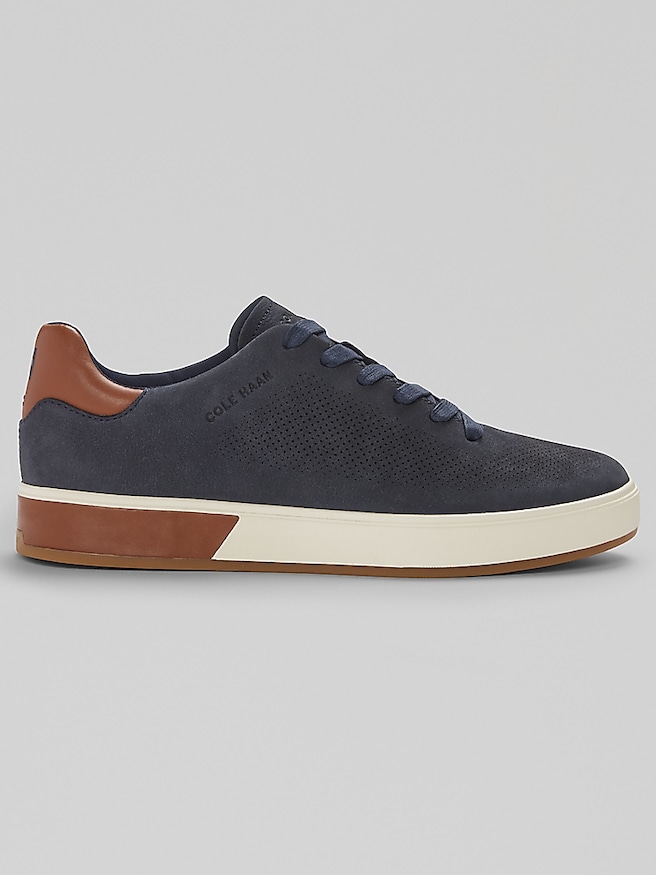
Men’s US size 8 shoes commonly correspond to a European size 41 and a foot length of approximately 10 inches, though conversions vary by manufacturer and shoe design. That measurement refers to the foot, not the length of the shoe’s outsole, and the most useful reference is the sizing chart for the footwear being considered. A comfortable pair of size 8 shoes should accommodate both foot length and width without squeezing the toes or letting the heel slide excessively. In US men’s footwear, D typically indicates a medium width, while markings such as 2E generally indicate a wider fit; width conventions can differ, so the number alone does not tell the whole story. The shape of the last—the form around which a shoe is built—also affects how the same size feels across different silhouettes. A tapered dress shoe may feel closer through the forefoot than a rounded casual style, even when both carry the same size label. Measuring both feet while standing helps account for small differences between them, with the larger foot usually determining the better fit. Trying shoes later in the day, with the socks intended for regular wear, gives a more realistic sense of comfort. There should generally be about three-eighths to one-half inch of space beyond the longest toe, although elongated dress-shoe shapes can have additional space at the tip by design. Just as important, the widest part of the foot should sit comfortably within the widest part of the shoe, and the shoe should bend near the ball of the foot rather than press into the toes. A secure heel, a supported midfoot, and room to move the toes matter more than an exact number on a label. Leather may soften with wear, but a painful pinch or cramped toe box is not something to count on a break-in period to solve.
Materials and construction give men’s size 8 shoes much of their character, from the clean surface of polished leather to the softer texture of suede. Smooth leather works naturally with tailored trousers and suits, and its appearance can be maintained with appropriate cleaning, conditioning, and polishing. Full-grain leather retains its natural surface and can develop a distinctive patina, while other leather finishes may create a more uniform look. Suede has a relaxed depth that pairs well with chinos, denim, and less structured tailoring, though its raised nap calls for different care than smooth leather. Textile and synthetic uppers can offer lighter weight or simpler maintenance, depending on their construction, while linings influence how the interior feels against the foot. Breathability, flexibility, and cushioning depend on the complete shoe rather than a single material claim. Underfoot, leather soles often provide a traditional dress-shoe profile, while rubber soles can add flexibility, grip, and a more cushioned feel. Neither choice guarantees comfort on its own; sole thickness, tread, heel shape, and the fit of the upper all contribute. For a workday that includes a commute, time at a desk, and several stretches of walking, a stable heel and comfortable forefoot can matter as much as a polished finish. For weddings, presentations, or formal dinners, a streamlined silhouette helps keep the overall outfit balanced. Closed-lacing oxfords have a neat, traditional appearance, while open-lacing derbies allow more adjustment across the instep. Loafers offer a slip-on shape that can look refined or relaxed depending on the leather, sole, and detailing. Black footwear creates a crisp foundation for many formal outfits, while brown tones can bring warmth and contrast to navy, gray, and earth-toned clothing. The right choice reflects the dress expectations of the occasion and the amount of standing or walking the day involves, without treating appearance and comfort as competing priorities.
Long-term durability comes from the combination of suitable materials, sound construction, proper fit, and consistent care. Even stitching, securely attached soles, smooth interior seams, and well-finished edges are useful details to examine because they affect how shoes feel and hold together through repeated wear. Some stitched constructions can be resoled, but repair options depend on the design and condition of the footwear rather than on appearance alone. Rotating between pairs allows interiors to dry fully between wears, which helps limit lingering moisture and gives materials time to recover. Cedar shoe trees can help absorb moisture and maintain the shape of suitable leather shoes, especially across the vamp where creases naturally develop. A shoehorn protects the heel counter from being crushed when slipping shoes on, and loosening laces before removing lace-up footwear reduces unnecessary strain around the opening. For smooth leather, removing surface dirt before applying an appropriate conditioner or polish helps preserve the finish; any care product should first be tested in an inconspicuous area. Suede benefits from a dedicated brush and products intended for its surface, rather than standard leather cream. Shoes that become damp should dry naturally away from direct heat, which can stiffen or damage some materials. These small habits support a neat appearance for everyday office wear, milestone celebrations, and occasions when a freshly pressed outfit deserves equally well-kept footwear. Size 8 shoes can also make a thoughtful gift for a partner, father, graduate, or friend when the recipient’s fit preferences are already known. Checking the size and width of a frequently worn pair is a useful starting point, but differences in shape and construction still matter. Someone who spends hours on their feet may value cushioning and flexibility, while someone dressing for interviews or formal events may favor a restrained profile and an easy-to-maintain finish. Matching those practical preferences to the intended use gives the footwear a meaningful place in an existing wardrobe.