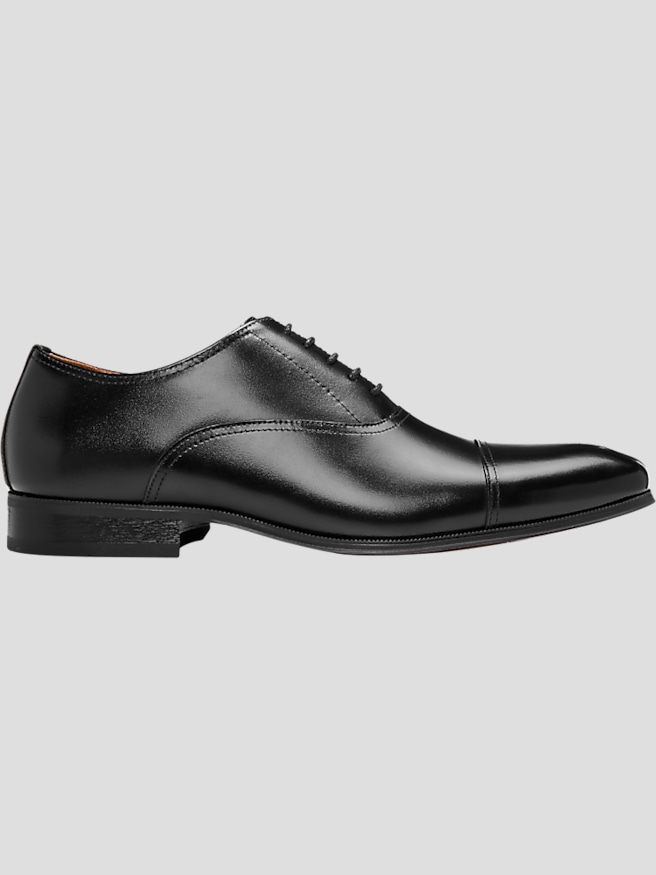
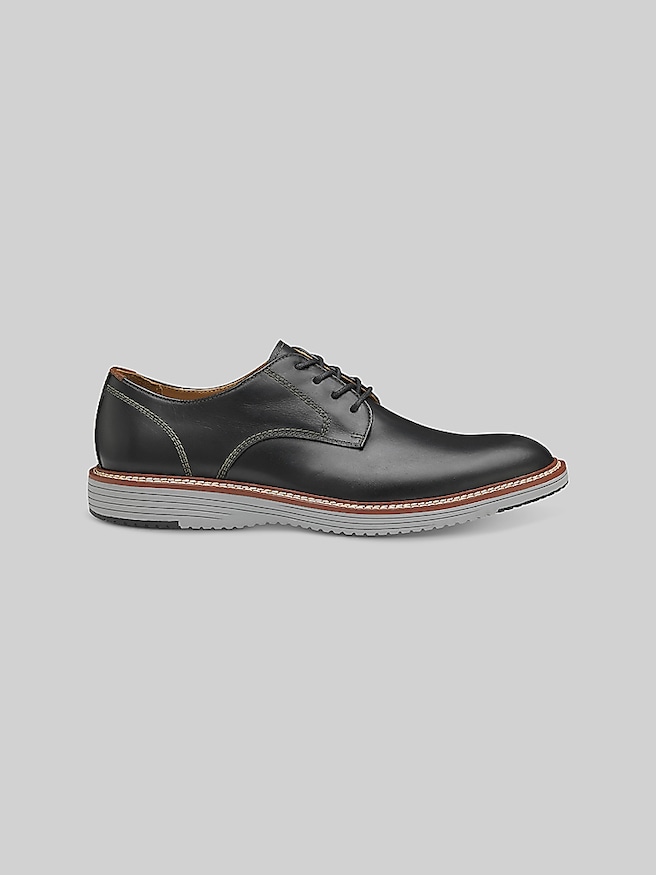
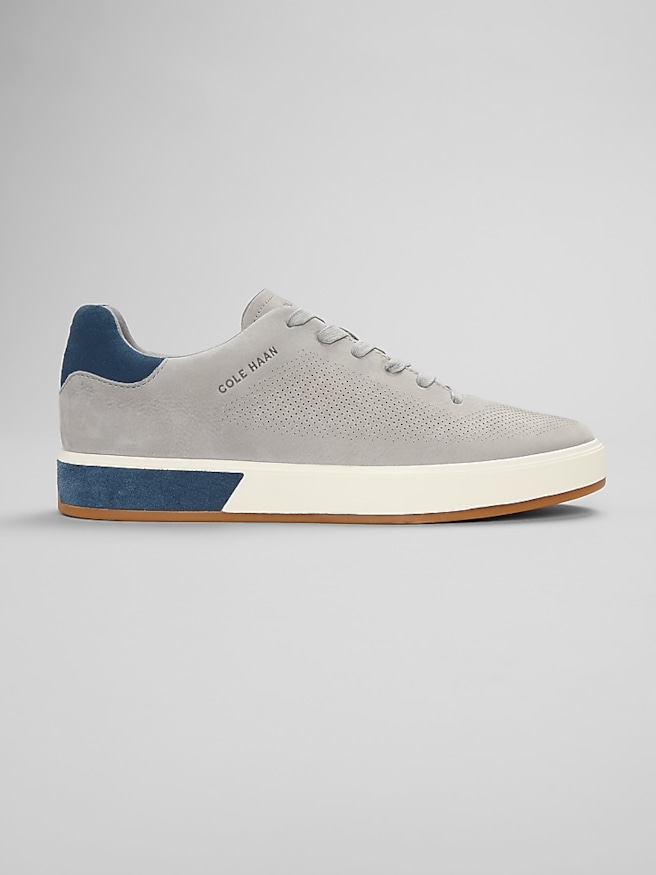
Men's size 9 shoes include dress and casual footwear suited to office days, wedding celebrations, dinner plans, and everyday wear. The size identifies the length category, while the shoe's shape, width, materials, and construction determine how it feels and functions. For tailored clothing, oxfords offer a streamlined profile, with closed lacing that creates a neat finish beneath suit trousers. Derby shoes have open lacing that can allow more adjustment across the top of the foot, making them useful when a little flexibility through the instep matters. Loafers bring a less structured look to chinos, dress pants, and relaxed tailoring, while understated sneakers work with denim and casual outfits where formal footwear would feel out of place. Boots offer another silhouette, particularly with straight-leg denim or trousers that leave enough room around the opening. Color and surface texture influence the overall effect: smooth black leather reads more formal, brown leather adds warmth, and suede gives an outfit a softer, more relaxed appearance. A simple toe can move easily between occasions, while decorative perforations and visible stitching add detail without requiring a bold color. Leather uppers can gradually conform to the foot, though the lining and construction affect how much give to expect. Suede has a distinctive nap that benefits from careful handling, and synthetic materials vary in breathability, flexibility, and cleaning needs. Underfoot, leather soles provide a traditional dress-shoe appearance, while rubber soles can offer flexibility and grip depending on their compound and tread. Neither material alone guarantees comfort or durability. The way the upper meets the sole, the quality of the lining, and the support beneath the foot all contribute to how a pair performs through repeated wear. For someone moving from a morning presentation to an evening reception, those less visible details can matter as much as the polished appearance. A shoe that sits neatly beneath a trouser hem should also feel comfortable when standing, walking, and taking the stairs.
A U.S. men's size 9 is a useful starting point, not a guarantee that every shoe will fit identically. International conversions often place it around UK size 8 and EU size 42–43, but the maker's size chart should determine the conversion for a particular style. Width markings also need attention: D commonly indicates a standard men's width, while 2E often indicates a wide fit, although labeling can vary. The last, or foot-shaped form used to build a shoe, affects the toe shape, heel hold, and space across the instep. A narrow, elongated dress shoe can therefore feel quite distinct from a rounded casual shoe carrying the same size number. Good fit leaves room for the toes to rest naturally without pressing against the front or squeezing together at the sides. The heel should feel secure without painful rubbing, and the shoe should flex near the ball of the foot rather than forcing an awkward bend through the arch. A pointed toe may extend beyond the foot as part of its design; that extra length does not necessarily mean the shoe is too large. Measuring both feet helps account for small size differences, and the larger foot generally sets the fit requirement. Trying shoes later in the day can also provide a more realistic sense of comfort after normal walking and standing. The socks intended for the shoes matter, too: thin dress socks and cushioned casual socks take up different amounts of space. Any orthotic or removable insert needs room without crowding the toes or lifting the heel excessively. Leather may soften with wear, but a break-in period should not be expected to correct sharp pressure or inadequate length. A measurement that falls a full size above 9 points instead to Men's Size 10 Shoes; a foot that needs more space across the forefoot may simply need a wider size 9.
The intended use helps distinguish a dependable everyday pair from footwear reserved for dressier occasions. Long stretches on hard floors make cushioning, stable heel support, and a flexible forefoot especially relevant, while formal events place more emphasis on a clean silhouette and a well-kept finish. Someone who walks several blocks between appointments may value a textured rubber outsole, but tread alone should not be taken as proof of slip resistance. Likewise, a substantial-looking upper does not automatically indicate water resistance or specialized protection. Care should follow the material and the manufacturer's directions rather than a single routine for every shoe. Smooth leather generally benefits from removing surface dirt, conditioning when appropriate, and using a compatible polish or cream to maintain its appearance. Suede calls for a suitable brush and material-specific treatment instead of conventional leather polish. Casual fabric uppers may allow gentle spot cleaning, but machine washing is appropriate only when the care instructions permit it. After wear, loosening the laces before taking shoes off reduces strain around the heel and eyelets. A shoehorn can help preserve the heel's shape, and properly sized shoe trees can support the uppers between wears. Allowing shoes to dry naturally, away from direct heat, helps protect materials and adhesives; alternating pairs gives interiors time to air out. Checking worn heel edges, thinning soles, and loose stitching can reveal when maintenance is needed before damage becomes more extensive. Some constructions allow professional resoling, though that depends on how the shoe is made. Men's size 9 shoes can also make a thoughtful gift for a graduate, a new professional, or someone marking a personal milestone, provided the recipient's size, width, and preferred style are known. Familiarity with how that person dresses is useful: sleek lace-ups complement regular suit wear, while loafers or simple casual shoes may see more use with chinos and denim. The strongest choice fits both the foot and the routine, with materials and construction suited to the occasions ahead.