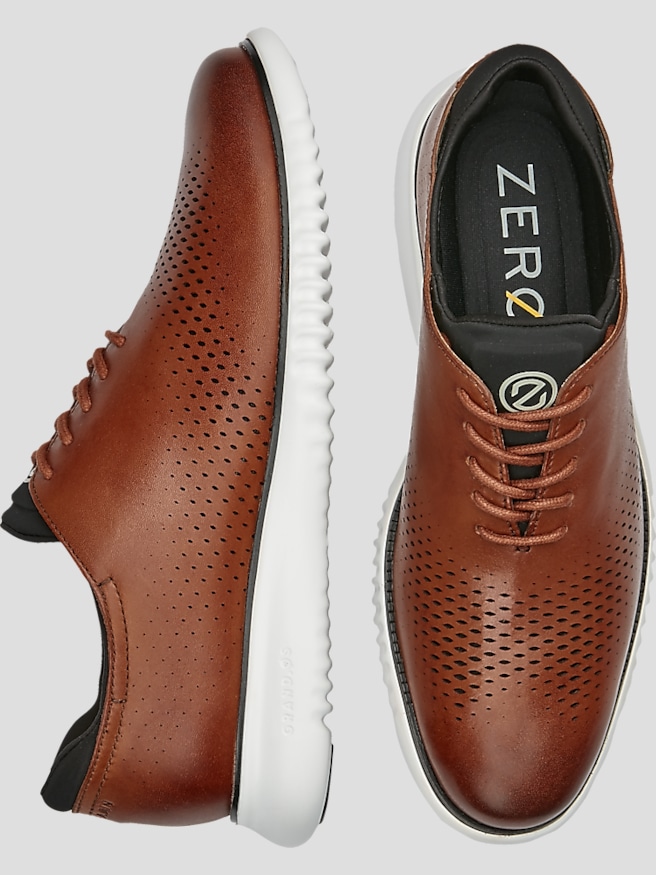
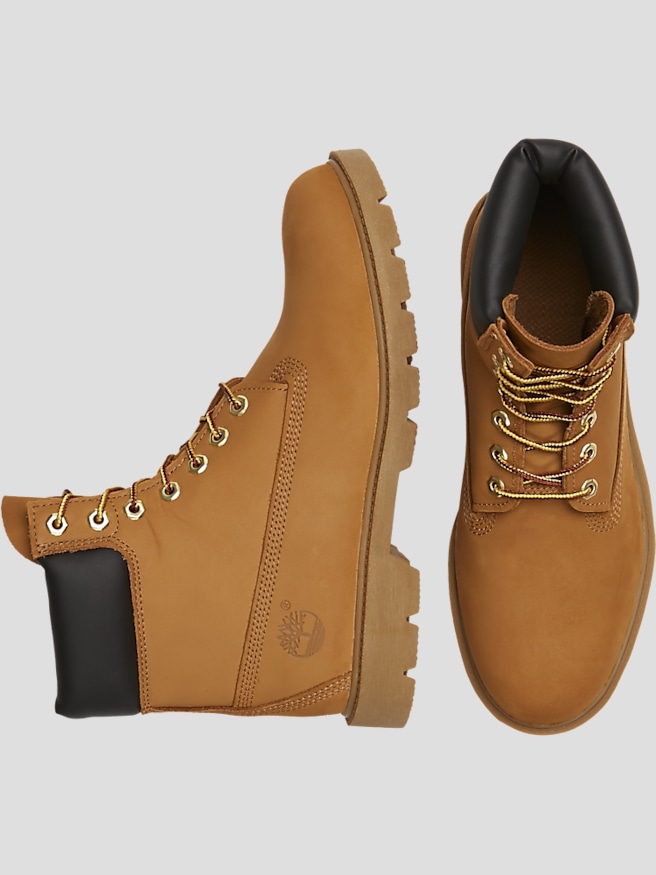
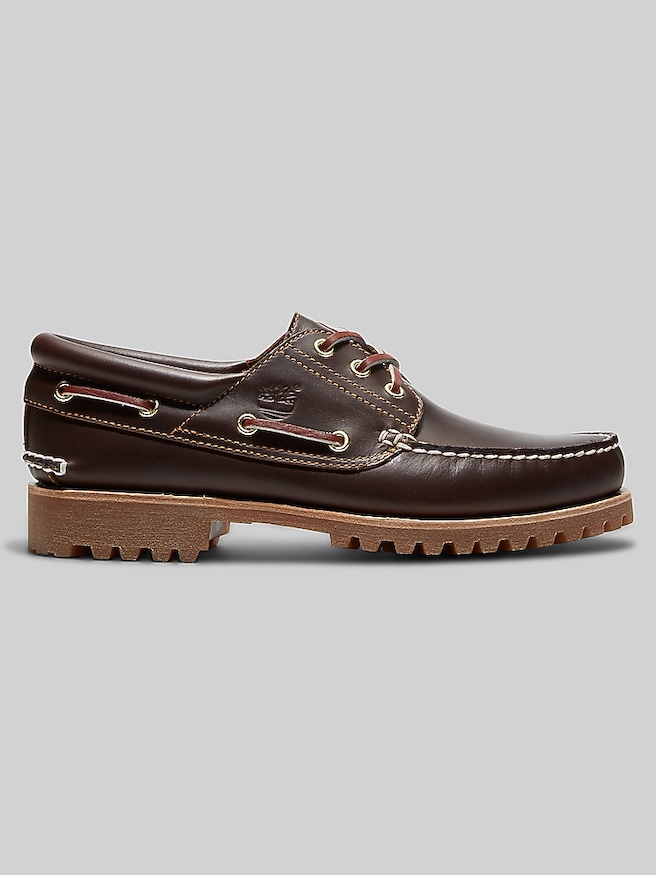
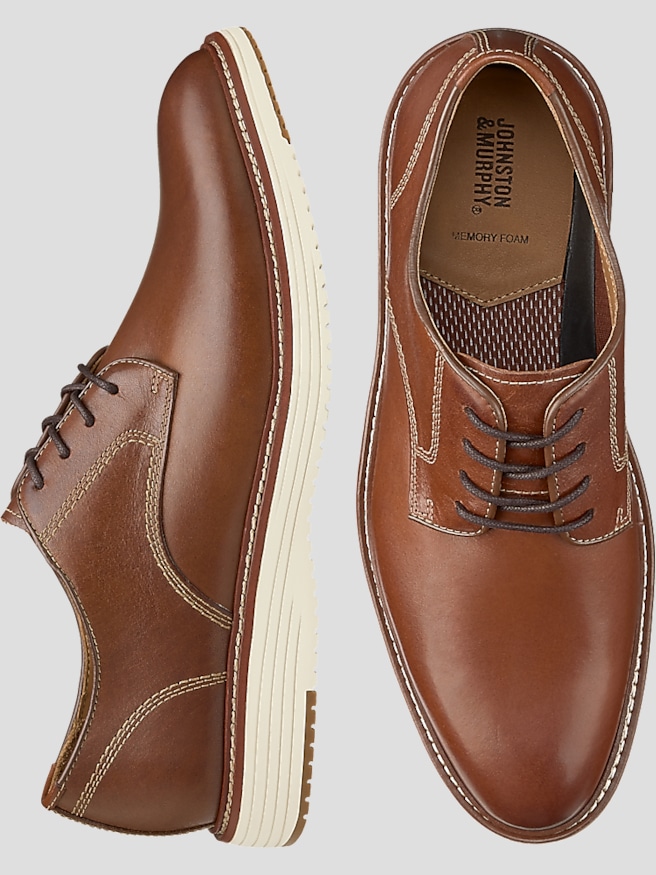
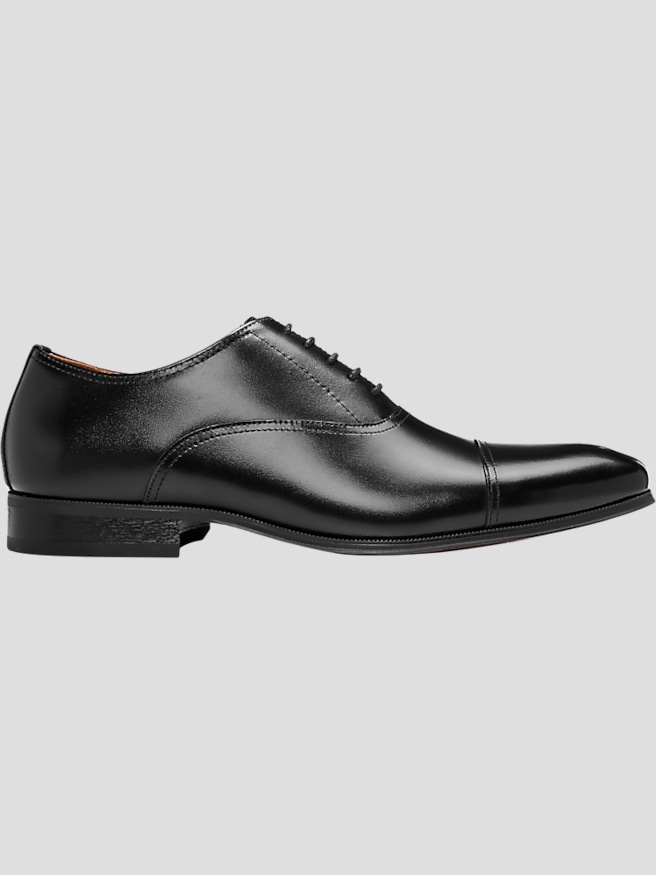
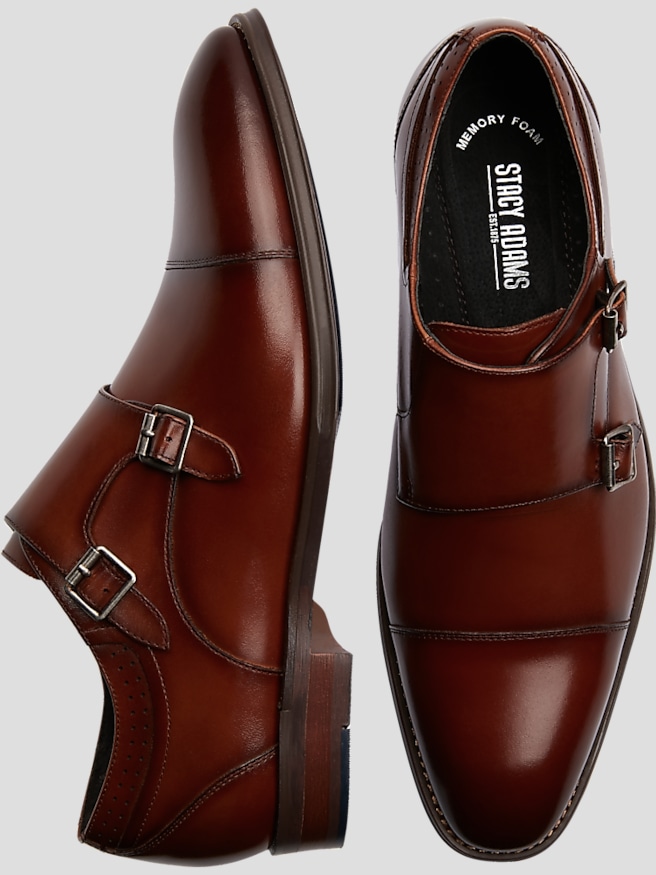
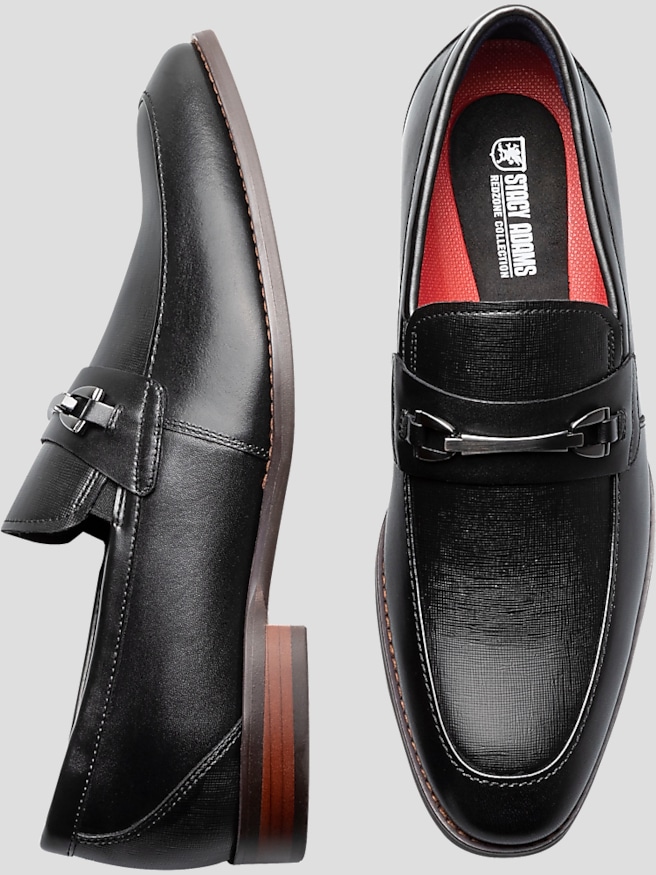
Men’s size 9 dress shoes bring a finished look to tailored clothing, whether the occasion calls for a crisp business suit, dress pants and a sport coat, or a tuxedo. The right pair balances the shape and finish of the upper with the level of formality in the outfit. Oxfords have closed lacing, with the lace-bearing sections attached beneath the front of the upper, creating a neat profile that works especially well with suits. Derby shoes use open lacing, which gives the upper a slightly more relaxed appearance and allows more adjustment across the instep. Loafers offer a slip-on alternative for office outfits, dinners, and celebrations where a traditional lace-up is not required. For a dark, understated option, men’s size 9 black loafers pair naturally with gray trousers, navy tailoring, and coordinated separates. Toe treatments add another layer of character: a plain toe keeps the silhouette uncluttered, a cap toe adds a defined seam, and a wingtip introduces decorative lines and perforations. Those perforations, known as broguing, generally give a shoe a less formal character than an otherwise comparable unadorned style. Black smooth leather is a dependable match for charcoal suits and more formal business attire, while dark brown leather complements navy, medium gray, and earth-toned outfits. Lighter brown shades create greater contrast and tend to suit less formal combinations. For black-tie occasions, patent leather or highly polished black dress shoes are traditional choices, with the event’s dress code guiding the final decision. Shape matters alongside color: a softly rounded or almond-shaped toe provides a balanced profile, while an elongated toe creates a more pronounced line beneath the trouser hem. A low-profile sole keeps the emphasis on the tailoring; a thicker sole gives the shoe a more substantial appearance. Matching the overall dressiness of the shoes to the clothing usually produces a more cohesive result than coordinating color alone.
Fit is the most important consideration when choosing size 9 men’s dress shoes, because the size label is only a starting point. A U.S. men’s size 9 does not guarantee the same internal dimensions across every shoe. The last, or form used to shape the shoe, affects the toe box, heel, instep, and overall volume. Width designations also matter: D commonly indicates a medium men’s width, while wider options may use E, EE, or other markings depending on the maker. A shoe should hold the heel securely without digging into it, leave the toes free from compression, and allow the ball of the foot to sit near the shoe’s natural flex point. Extra space beyond the toes can be normal in a longer dress-shoe silhouette; sliding forward or gripping with the toes to keep the shoe on is not. Trying shoes with the dress socks intended for regular wear gives a more useful sense of fit than trying them with thick athletic socks. Checking both feet and accommodating the larger one helps prevent pressure that may become noticeable during a full day. Laces provide adjustment, while loafers depend more heavily on the shape of the upper and a secure instep fit. Leather may soften with wear, but a break-in period should not be expected to correct cramped toes or an excessively narrow forefoot. Materials influence that experience, too. Full-grain leather retains the hide’s natural grain and can develop a rich patina with proper care. Suede has a softly textured surface that works well with less formal tailoring, while patent leather provides a glossy finish suited to formal dressing. Synthetic uppers vary in flexibility and breathability, so the material description deserves attention. Inside the shoe, smooth linings, cushioning, and supportive footbeds can make a meaningful difference during presentations, ceremonies, or long stretches of standing. A removable footbed may be helpful for someone who uses an orthotic, provided the shoe has enough depth to accommodate it without crowding the foot.
Construction and care help determine how men’s size 9 dress shoes perform beyond the first few wears. Leather soles offer a traditional appearance and can feel sleek under tailored trousers, while rubber soles often provide additional cushioning and traction, depending on the tread and compound. Lightweight foam components can reduce weight and soften the feel underfoot, though a heavily athletic-looking sole may be less suitable for strict formal dress. Welted construction can make resoling possible, and some other stitched constructions can also be repaired; the design and condition of the individual shoe determine what a cobbler can do. Glued construction is common as well, but repair options may be more limited. Neat stitching, securely attached soles, and reinforced areas around the heel and lacing are useful details to inspect. For routine care, smooth leather benefits from removing surface dirt with a soft brush or cloth, followed by an appropriate conditioner when needed and polish suited to the finish. Conditioning helps keep leather supple, while polish refreshes color and adds shine. Suede needs a dedicated brush and products intended for its textured surface rather than conventional leather cream. Patent leather requires gentle cleaning with a compatible product to protect its glossy coating. Letting shoes air out between wears and using properly sized shoe trees can help manage moisture and maintain shape. A shoehorn protects the heel counter from being crushed when slipping shoes on, and loosening laces before removal reduces unnecessary stress on the upper. Checking heel wear and sole edges periodically allows small problems to be addressed before they affect stability or damage surrounding materials. These habits are especially useful for someone who wears dress shoes throughout the workweek or regularly attends client meetings and formal events. As a gift for a graduate, a new professional, or someone preparing for an important celebration, dress shoes are most successful when the recipient’s size, width, and preferred style are known. A familiar size 9 fit, an appropriate level of formality, and manageable care requirements make the pair easier to work into an established wardrobe.