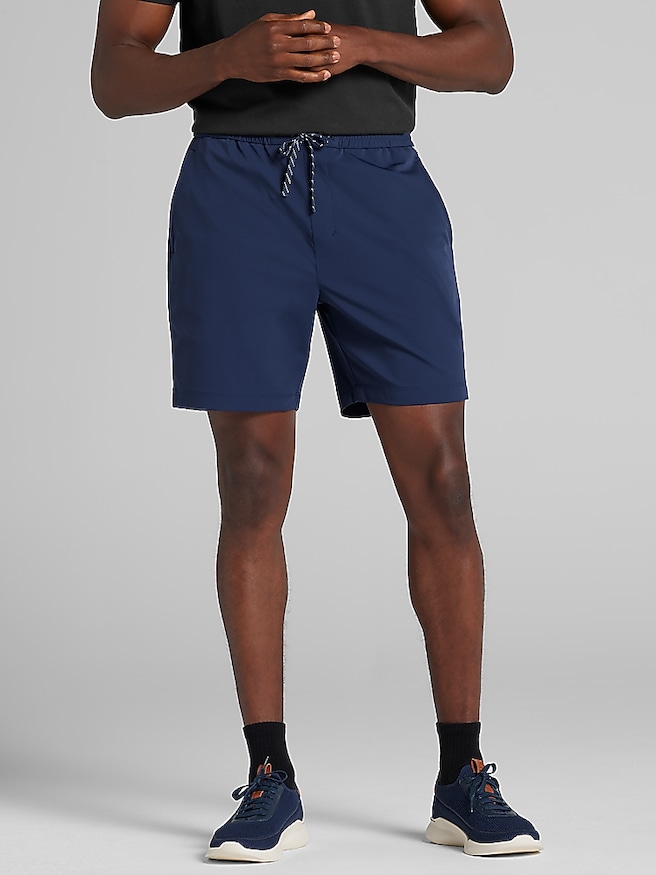
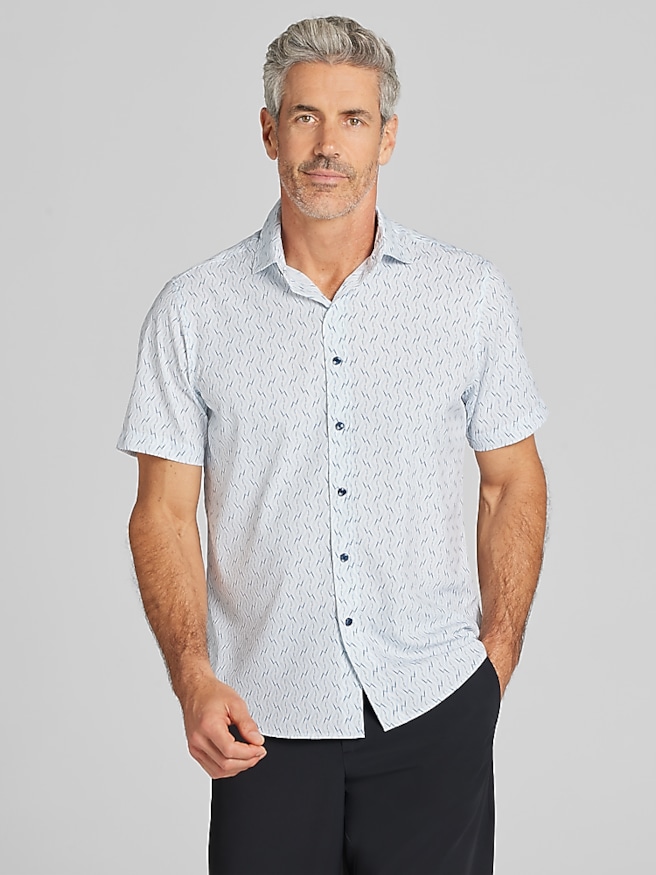
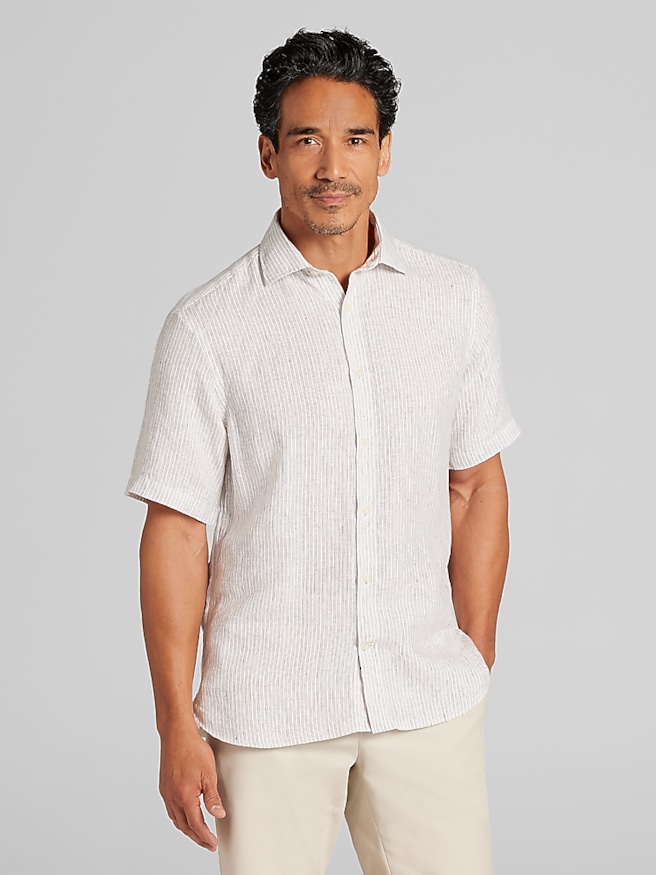
Men’s resort wear brings together the ease of vacation clothing and the polish of a thoughtfully put-together outfit. Its defining features are breathable fabrics, comfortable silhouettes, and details that feel appropriate beyond the beach or pool. A relaxed collar, a neatly finished hem, or a softly tailored waistband can make casual clothing look intentional without making it feel formal. This balance suits the rhythm of a resort stay: breakfast on a terrace, an afternoon exploring nearby shops, and dinner in an open-air restaurant may call for several levels of dress within a single day. Resort clothing often includes lightweight shirts, polos, shorts, and trousers that coordinate easily, with swimwear reserved for settings where it belongs. Camp collars create an open neckline and a laid-back shape, while a conventional shirt collar offers a slightly sharper finish for evening plans. Knit textures add depth without relying on a bold pattern, and woven fabrics can provide a crisp surface with less cling. Color helps establish the mood, too. White, stone, navy, and muted earth tones make a useful foundation, while botanical prints, narrow stripes, and richer accent colors bring personality to a compact travel wardrobe. A patterned shirt feels balanced beside solid trousers; a textured polo needs little embellishment beyond a clean hem and well-proportioned shorts. Resort wear also works for honeymoons, cruises, destination celebrations, and weekends that move between casual activities and more polished surroundings. It is not a substitute for formal attire when an invitation specifies a suit or tuxedo, and a resort’s evening dress requirements may call for long pants or closed-toe footwear. Within those boundaries, the appeal is flexibility: clothing that feels natural beside a courtyard fountain but still looks considered across a dinner table. The most useful pieces support that range without excessive bulk, complicated layering, or details that restrict movement when sitting, walking, or spending several hours away from the room.
Fabric and fit shape how resort wear performs after the first few minutes of wear. Linen is valued for its airy feel and characteristic texture, with natural creasing that contributes to a relaxed appearance rather than a rigid finish. Cotton can feel soft and familiar against the skin, though its weight and construction matter: a lightweight woven cotton shirt behaves quite differently from a dense jersey knit. Cotton-linen blends can combine some of linen’s texture with cotton’s softness, but the exact feel depends on the blend and weave. Seersucker’s puckered surface limits how much fabric lies directly against the skin, while piqué and other textured knits bring subtle visual interest to polos. Fabrics with added stretch can make seated travel and long walks more comfortable, provided the garment still has enough room through the body. Moisture management, quick drying, and wrinkle resistance are separate characteristics, so a fiber name alone does not confirm all three; those qualities should be supported by the garment’s stated features. Fit deserves the same attention as composition. Shoulder seams should sit comfortably, sleeves should allow easy arm movement, and a shirt worn untucked should end at a length that looks deliberate rather than oversized. A little space through the torso encourages airflow, but excess fabric can bunch beneath a light jacket or overwhelm a shorter frame. Trousers need room through the seat and thigh, with a waistband that remains comfortable through a leisurely meal. Shorts look balanced when their length and leg opening suit the wearer’s proportions, rather than following a single fixed rule. Lighter colors and loosely woven fabrics may reveal pocket bags or underlayers, making opacity worth considering alongside breathability. These details matter for travelers who want clothing that photographs well, feels comfortable in humid destinations, and remains presentable after the walk from the lobby to dinner. They also make resort clothing a thoughtful gift for someone planning a getaway, especially when the recipient’s usual size, preferred fit, and comfort with color or prints are already known.
A cohesive resort wardrobe depends less on the number of garments than on how naturally they work together. Repeating a few complementary colors lets the same trousers support a crisp daytime shirt and a textured evening polo, while a restrained pattern can become the focal point without requiring extra accessories. Proportion keeps these combinations grounded: an easy-fitting shirt pairs well with a clean, straight trouser line, and a more streamlined top can balance shorts with a relaxed leg. Footwear completes the setting as much as the outfit. Sandals For Resort Wear can complement casual daytime clothing where open-toe styles are appropriate, while evening venues may require a more enclosed option. Secure fit, comfortable straps, and soles suited to the intended surface matter when a short stroll turns into an afternoon on foot. Clothing care is equally important to keeping a vacation wardrobe useful beyond one trip. The sewn-in care label should determine washing, drying, and ironing methods, particularly for blends, textured knits, and garments with special finishes. Prompt attention to sunscreen marks and food spills helps prevent stains from settling, while swimwear generally benefits from rinsing after exposure to salt or chlorinated water, followed by care according to its label. Thorough drying before packing helps avoid musty odors, and repeated high heat can be hard on elastic components and some fibers. Linen may need a light press or appropriate steaming for a smoother finish, although a softly rumpled look is part of its character. Knits often benefit from folding for storage rather than hanging for long periods, especially when their weight could stretch the shoulders. Durability shows up in secure buttons, even stitching, neatly finished seams, and fabric that suits the activity—not simply in a heavier material. Lightweight clothing intended for dinners and relaxed sightseeing has a distinct purpose from clothing designed for swimming or strenuous activity. With that purpose in mind, men’s resort wear offers an enduring balance of comfort, texture, and understated polish, making it easy to dress with care while leaving room for the unhurried pace of a getaway.