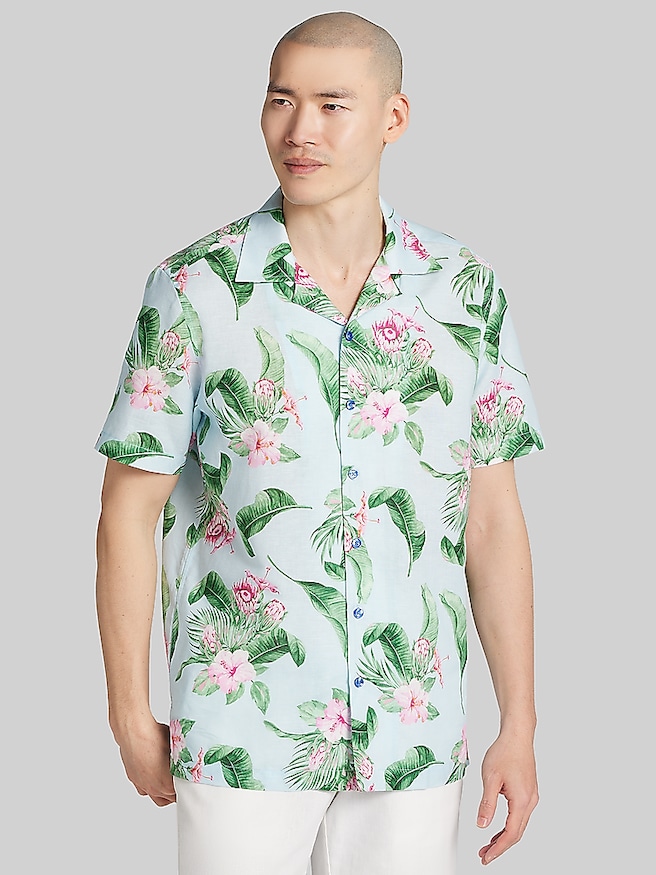
Men’s resort wear outfits combine relaxed shirts, comfortable shorts or trousers, and easygoing footwear for vacations, cruises, poolside afternoons, and dinners away from home. The look sits between beachwear and everyday casual clothing: more considered than a swimsuit and an old T-shirt, but less structured than traditional business attire. Lightweight fabrics, room to move, and pieces that work together give resort clothing its practical appeal. Linen has a distinctive, slightly irregular texture and an airy feel, with natural creasing that suits an informal setting. Cotton offers familiar softness and comes in everything from smooth woven shirting to textured piqué polos. Cotton-linen blends bring those qualities together, although their feel and wrinkle behavior depend on the fabric’s composition and construction. Seersucker’s puckered surface creates texture without relying on a bold print, while open-knit shirts offer another way to add visual interest. Fabric weight matters as much as fiber content; a loosely woven shirt feels noticeably different from a dense knit made with the same fiber. Camp collar shirts are especially associated with resort dressing because their flat, open collars look natural without a tie. Polos provide a slightly neater neckline, and simple crewneck T-shirts make useful foundations for casual combinations. A relaxed fit should still look intentional. Shoulder seams generally sit near the shoulder’s edge, sleeves allow comfortable arm movement, and the body has enough ease to sit without pulling across the chest or waist. Shirts worn untucked usually look most balanced when the hem does not overwhelm the shorts or trousers beneath them. For travelers who prefer a closer silhouette, a trim cut can preserve clean lines without becoming restrictive. These details help distinguish comfortable vacation clothing from clothing that simply runs large. The result is an outfit that feels appropriate at an outdoor breakfast table, on a walk through town, or beside the water, without requiring a complete change for every stop.
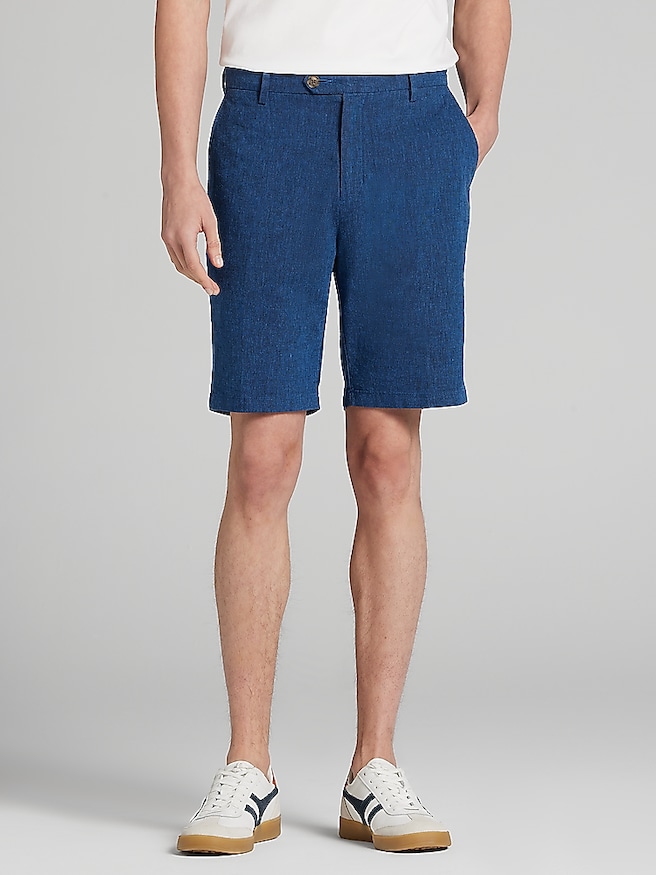
A coordinated resort wardrobe relies less on matching everything exactly than on keeping proportions, colors, and textures compatible. An ivory linen shirt with navy shorts feels understated, while an olive polo and stone-colored trousers offer a similarly versatile combination. Blue, white, tan, and muted green work well together, leaving room for a patterned shirt or a richer accent color. A palm motif, geometric print, or broad stripe usually stands out most clearly against a simple bottom. For casual daytime dressing, Mens Resort Wear Shorts complement open-collar shirts, polos, and uncomplicated tees. Shorts with a clean front and restrained pocket detailing tend to look neater than bulky cargo silhouettes, especially when paired with loafers or streamlined sneakers. Inseam length changes the overall proportions: a shorter hem exposes more leg, while a longer one provides more coverage. The most comfortable choice also depends on the rise, thigh room, and leg opening, not just the number on the tag. A waistband should feel secure when standing and remain comfortable during a seated meal. Drawstring and elastic-waist designs can offer flexibility, while a tailored waistband creates a more structured appearance. Lightweight trousers become useful when an itinerary includes restaurant dinners or venues that do not permit shorts. A straight or gently tapered leg leaves room for movement without excess fabric gathering at the ankle. Resort dress codes vary, so a collared shirt and full-length trousers can be practical additions even to a beach-focused suitcase. Swim trunks serve a separate purpose, with details such as drainage and fabric designed for time in the water; they are not automatically substitutes for casual shorts at a dining table. Footwear completes the distinction between poolside and dinner dressing. Sandals suit informal settings, while loafers and clean sneakers offer more coverage for sightseeing or casual meals. A woven belt can add texture, but an outfit does not need multiple accessories to feel finished. One patterned garment or a distinctive knit is often enough.
Comfort over several days of travel also depends on construction, care, and how clothing responds to repeated wear. Neatly finished seams, securely attached buttons, and reinforced pocket openings are useful details in garments that will be packed, unpacked, and worn throughout a trip. Lightweight does not necessarily mean fragile, but loosely woven fabrics and open knits can catch on rough surfaces, jewelry, or bag hardware. Stretch can make sitting and walking easier, although the amount of give and recovery varies by fabric. Care labels provide the most reliable direction for washing, drying, ironing, and steaming. Some linen and cotton clothing can be machine washed, while other garments require gentler treatment or professional cleaning because of their construction or finish. Excessive dryer heat may contribute to shrinkage, and knit shirts can lose their shape when hung wet. Laying suitable knits flat to dry helps support their weight. Linen’s soft creases are part of its character; a sharply pressed finish is an option rather than a requirement for every casual outfit. Following exposure to chlorine or salt water, swimwear generally benefits from a fresh-water rinse, followed by laundering and drying according to its label. Damp clothing should be fully dry before being packed away. Sunscreen, food, and drink marks are easier to address when noticed promptly, using a treatment appropriate to the fabric rather than aggressive scrubbing. For a compact suitcase, a small group of compatible colors allows shirts and bottoms to work in several combinations. Separate shoes from clothing, avoid overfilling the bag, and give structured collars enough room to retain their shape. Resort clothing can also make a thoughtful gift for someone planning a honeymoon, an anniversary trip, a cruise, or a destination wedding getaway. Familiar sizes, preferred fits, and the recipient’s usual colors are more dependable starting points than guessing at a new style. Whether chosen for a trip or relaxed time closer to home, well-fitting resort wear balances ease of movement with an appearance that suits the setting.