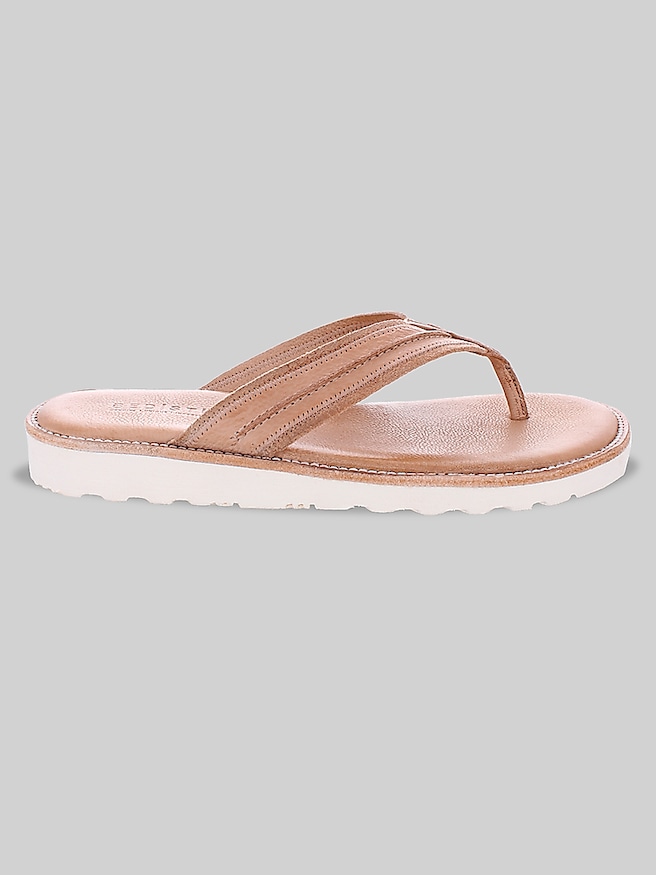
Sandals for resort wear bring together the ease of open footwear and the considered details that make a vacation outfit feel complete. The most useful choices suit the setting: water-resistant materials for time near the pool, secure straps and cushioned footbeds for casual walking, and refined leather or subtle woven textures for relaxed dining where open footwear is welcome. A pair worn between a guest room and a pool chair has a different job from one worn through a courtyard, along a waterfront promenade, and into an outdoor café. That distinction matters more than decoration alone. Simple slides are convenient for short trips and lounging, while sandals with adjustable straps or a back strap can offer a more secure fit for longer stretches on foot. Leather uppers lend structure and a polished appearance, making them a natural complement to linen trousers, tailored shorts, or a casually cuffed chino. Smooth leather tends to look understated; pebbled finishes and woven details add texture without requiring a bold pattern elsewhere in the outfit. Textile straps can provide flexibility and a relaxed look, though their drying time and care needs vary by construction. Raffia and similar natural fibers add visual interest but should not be assumed suitable for repeated splashing or immersion. For poolside use, materials specifically described as water-friendly are a more practical match than untreated leather or suede. Black, brown, tan, and muted neutral shades work easily with a compact travel wardrobe, especially when the sandal color echoes a belt, bag, or another small accessory. A clean silhouette can move comfortably from a leisurely breakfast to an informal dinner, but resort dress codes still take priority; some dining rooms require closed-toe shoes regardless of how polished a sandal appears. The aim is footwear that belongs with the outfit and supports the activities on the itinerary, rather than a single pair expected to handle every setting equally well.
Comfort in resort sandals starts with how the foot sits on the sole, not simply how soft the cushioning feels at first touch. The heel and toes should stay within the edges of the footbed, with enough space to avoid overhang but not so much that the foot slides around. Straps should hold the foot without pinching across the instep, rubbing the little toe, or leaving pressure at the ankle. Adjustable closures can be especially helpful when one foot is slightly wider than the other or the fit changes after several hours of walking. A contoured footbed may feel supportive for some wearers, but its raised areas need to align comfortably with the foot; an arch shape that presses in the wrong place is not an improvement. Cushioning should soften contact with hard surfaces while still feeling stable underfoot. Very soft soles can feel pleasant beside a lounge chair yet offer less steadiness during a longer walk over paving stones. Outsole texture also deserves attention. Rubber and other traction-focused compounds can help provide grip, but performance depends on the tread, surface, and conditions, and no sandal should be treated as slip-proof on wet tile. For routes that include stairs, uneven paths, or frequent changes of direction, a back strap can reduce the need to grip with the toes to keep the sandal in place. Toe-post designs should feel smooth between the toes from the outset, without a thick seam or rigid edge that becomes irritating after a few minutes. Trying footwear on both feet and walking on a clean indoor surface can reveal heel movement, strap friction, and awkward flex points before a trip. Sandals should bend where the foot naturally flexes rather than forcing an uncomfortable stride. For travelers who value simple slip-on construction, Easy Wear Sandals reflects the same emphasis on uncomplicated dressing, with fit and intended use still central to the choice. A lightweight design can make packing easier, but saving space is less useful if the sole or straps cannot comfortably support the planned day.
Materials and construction shape how resort sandals wear over time, particularly when a trip involves repeated walks, pool visits, and packing between destinations. Neat stitching, smoothly finished strap edges, secure attachment points, and an evenly bonded sole are useful details to examine. Leather can soften with wear and develop character, but it needs care suited to its finish and should not be expected to tolerate the same exposure as a sandal designed for water. Suede calls for its own cleaning tools and benefits from avoiding wet areas. Molded synthetic designs are often straightforward to wipe clean, although care instructions should confirm whether rinsing is appropriate and whether any components need special attention. After contact with sand, removing loose grit from straps and footbeds helps keep abrasive particles from rubbing against the skin or working into seams. If the manufacturer permits rinsing after exposure to pool water or salt water, a gentle rinse followed by thorough air-drying can help remove residue. Direct heat can damage adhesives, distort some materials, and dry out leather, so a radiator or hair dryer is not a shortcut worth taking. Leather conditioner should be compatible with the material and finish, tested discreetly, and kept off surfaces where it might affect grip. Before packing, sandals should be clean and fully dry; a separate footwear bag helps protect clothing from the soles without trapping moisture in damp uppers. Keeping heavily textured soles away from delicate knitwear also prevents snags inside a suitcase. With sensible care, a well-matched pair can become a dependable part of a travel wardrobe rather than footwear reserved for a single getaway. Resort sandals can also make a thoughtful gift for a partner, father, friend, or frequent traveler when size, preferred strap style, and usual activities are known. Someone who spends most of a trip reading beside the pool may appreciate easy entry and a water-friendly finish, while someone who explores the property on foot may place greater value on secure fastening and stable cushioning. Those everyday habits give the choice its purpose: sandals that feel appropriate at breakfast, comfortable along the path back to the room, and easy to coordinate without overcomplicating the suitcase.