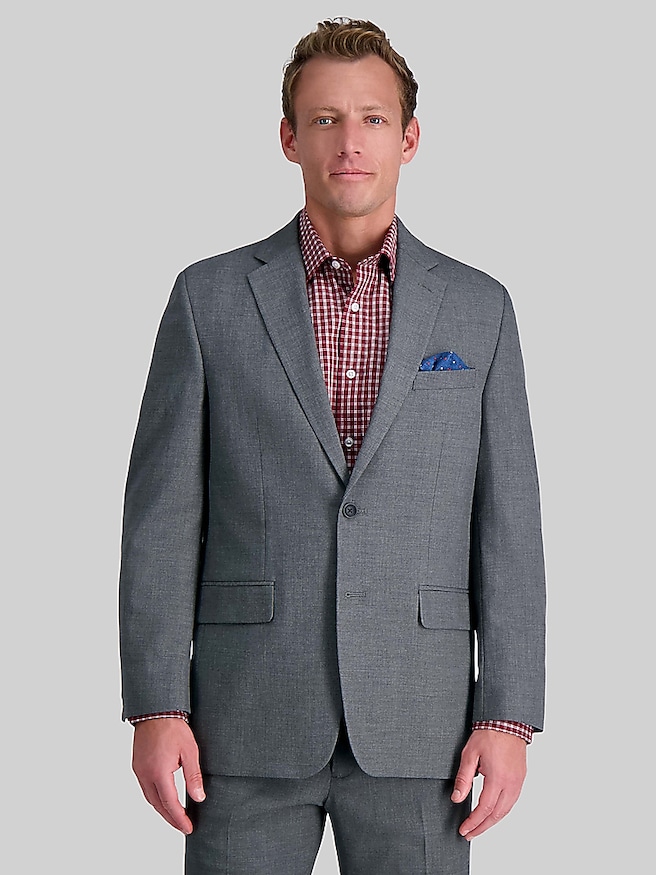
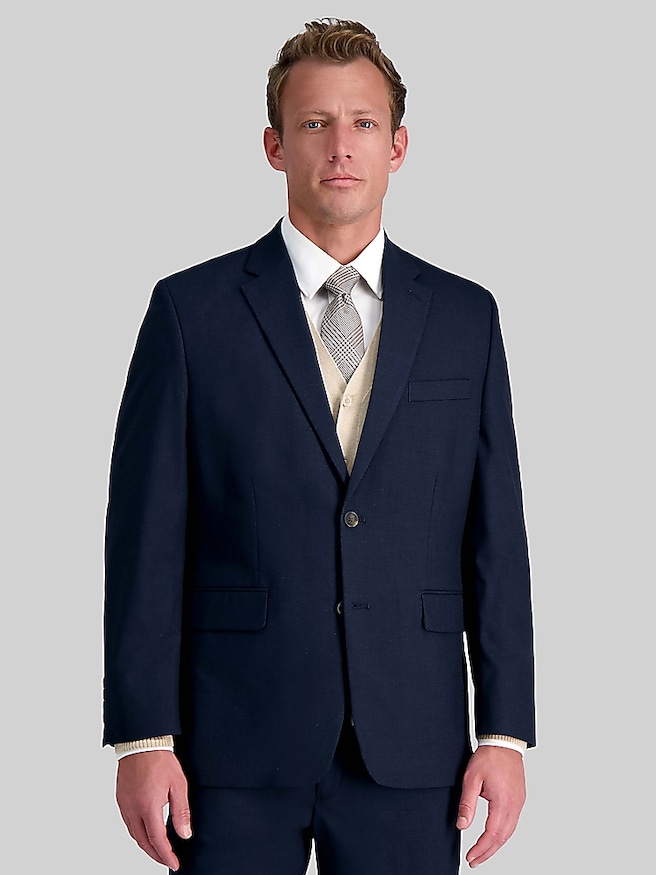
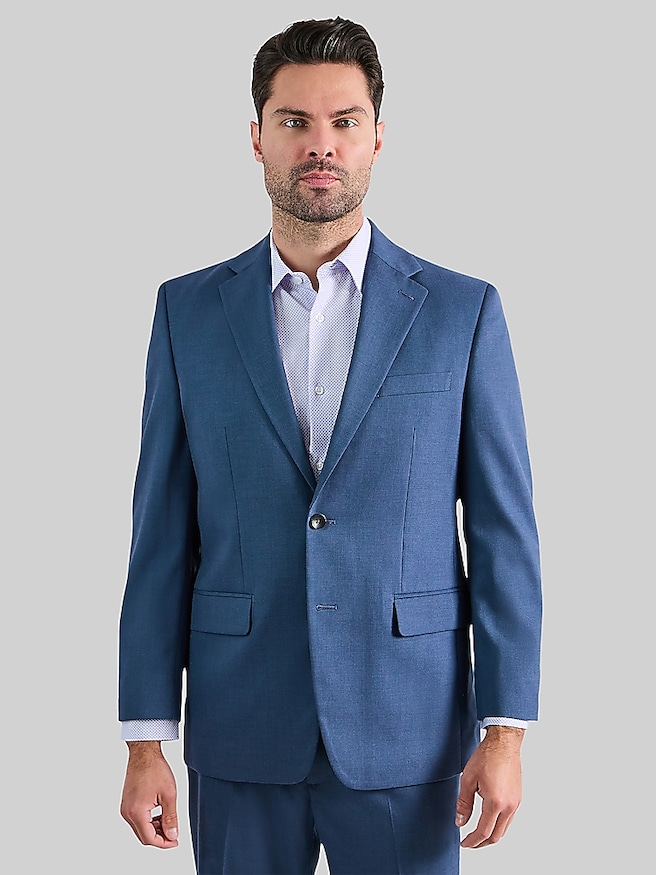
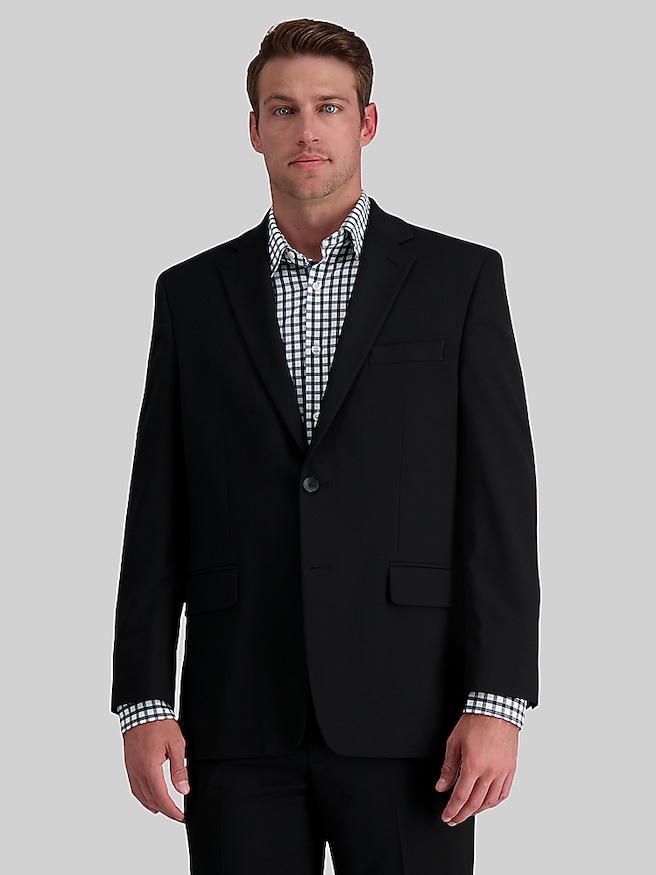
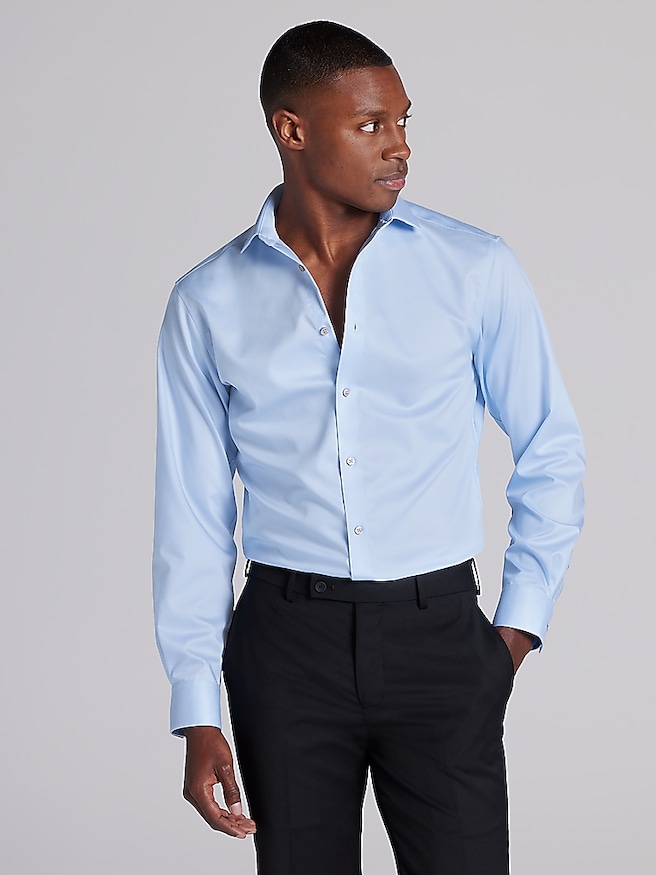
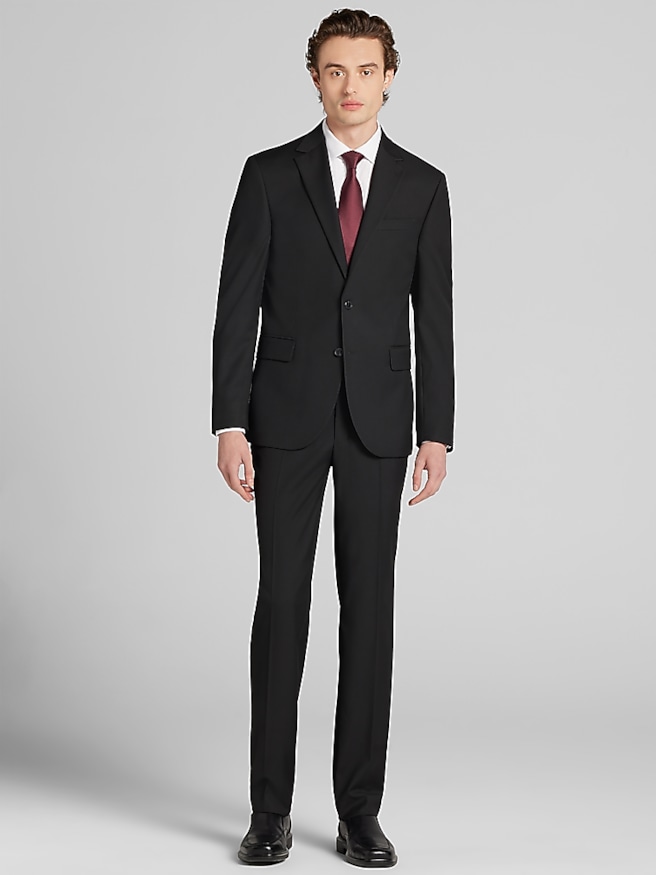
Men’s professional daily workwear brings together tailored clothing, comfortable fabrics, and versatile colors for a polished appearance throughout the workday. The foundation is a coordinated wardrobe of suits, blazers, dress shirts, trousers, and chinos that reflects the expectations of the workplace without making every morning an exercise in matching. In a formal corporate setting, a navy or charcoal suit with a white or light blue shirt creates a composed look for client meetings, presentations, and everyday responsibilities. In a business casual office, tailored pants and a button-down shirt can provide the same sense of intention without a matching jacket. An unstructured blazer adds definition when a conversation moves from a desk to a conference room, while a fine-gauge knit offers another option where the dress code allows it. These categories work best together when their proportions and level of formality are consistent: neatly pressed trousers complement a smooth dress shirt, while chinos sit comfortably alongside an Oxford cloth button-down. Navy, gray, white, light blue, and khaki make a practical starting palette because they combine readily, leaving room for subtle stripes, small checks, and textured fabrics. A restrained pattern can add interest on a video call without competing with a tie or jacket, and a solid shirt provides an uncomplicated background for more textured tailoring. The broader range of Men’s Office Wear reflects these overlapping needs, from traditional business attire to less formal office clothing. Professional workwear in this context is intended for office and business environments, rather than tasks requiring protective equipment or specialized safety apparel. For someone starting a first office role, returning to an in-person workplace, or stepping into a client-facing position, the most useful wardrobe is one that supports the actual schedule. Clothing should look appropriate at a morning check-in, remain comfortable through hours at a desk, and still feel put together at a working lunch. Repeatable combinations make that consistency easier, especially when jackets, shirts, and pants can serve more than one outfit.
Fabric and construction shape how daily work clothes feel, move, and hold their appearance through repeated use. Wool suiting is valued for its drape and natural resilience, giving jackets and dress trousers a defined silhouette without requiring a rigid feel. Worsted wool typically has a smooth finish suited to traditional business settings, while more visible texture can make separate jackets feel less formal. Cotton dress shirts offer a familiar feel against the skin, with the weave influencing both appearance and upkeep. Poplin tends to look smooth and crisp; twill has a subtle diagonal texture and often a softer drape; Oxford cloth has a more pronounced basket weave that works especially well in business casual outfits. Cotton chinos provide a less formal alternative to dress trousers, and blends with stretch can make seated work, commuting, and movement between meetings more comfortable. Fabric content alone does not tell the whole story, though. Weight, weave, lining, and garment construction also affect how a piece wears. Performance fabrics may offer stretch, moisture management, or wrinkle resistance, but those benefits depend on the garment’s stated features and should not be assumed across an entire category. Fit is equally important. A jacket’s shoulder seam should sit near the natural shoulder, with enough room across the back to reach forward without pronounced pulling. The front should close cleanly rather than forming tight creases around the button, and sleeves should leave a modest amount of shirt cuff visible. A dress shirt needs room through the chest and waist without excess fabric bunching above the waistband. Its collar should feel comfortable when fastened, particularly for workdays that call for a tie. Trousers should sit securely at the intended waist position and allow comfortable movement through the seat and thighs. A slim silhouette can look sharp without gripping the legs, while a classic fit can offer more room without appearing oversized. The trouser hem should meet the shoe deliberately, whether the preferred finish is a slight break or a cleaner line. Fit names vary, so measurements and the way clothing behaves while sitting matter more than the label alone.
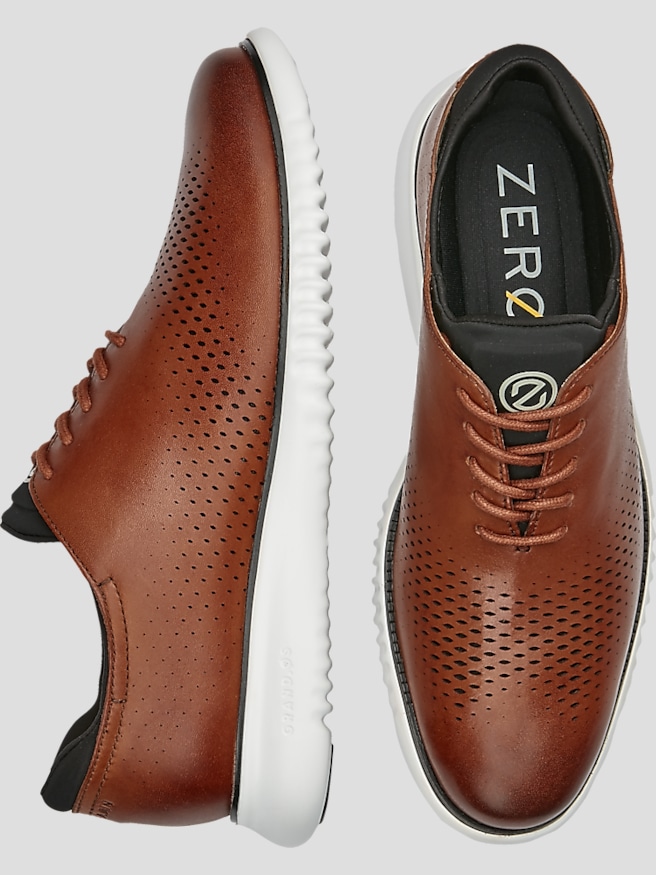
Daily use also makes care requirements and durability central to a dependable professional wardrobe. A shirt that looks crisp on a hanger may demand more attention than a busy routine can accommodate, so the care label deserves as much consideration as the fabric description. Machine-washable clothing can simplify upkeep when laundering instructions are followed, while some tailored garments require professional cleaning. Non-iron and wrinkle-resistant finishes may reduce routine pressing, but they do not eliminate the need for appropriate washing, drying, and storage. Removing washable shirts promptly from the dryer, where tumble drying is permitted, and hanging them neatly helps limit deep creases. Jackets benefit from shaped hangers that support the shoulders, and trousers maintain a neater line when hung without crowding. Between wears, allowing garments to air out and addressing marks promptly according to the care instructions can help keep clothing presentable without unnecessary cleaning. Rotating frequently worn pieces also gives fabrics time to recover and reduces concentrated wear. Durable construction shows up in details such as even stitching, secure buttons, neatly finished seams, and pockets that lie flat rather than pulling at their corners. High-contact areas, including cuffs, collars, trouser seats, and pocket openings, deserve particular attention in clothing intended for regular office use. Footwear and accessories complete that same practical picture. Leather lace-up shoes generally suit more traditional business attire, while loafers can work with tailored separates where workplace expectations permit. Comfortable support and a secure fit matter on days spent walking between buildings or standing through presentations. A belt in a compatible leather tone and socks that coordinate with the trousers keep the overall appearance cohesive. Professional clothing can also make a thoughtful gift for a graduate or someone beginning a new role, provided the recipient’s measurements, fit preferences, and workplace dress code are known. The lasting value of daily workwear lies in dependable repetition: shirts that sit smoothly under jackets, pants that remain comfortable after a long meeting, and coordinated pieces that look considered without needing constant adjustment.