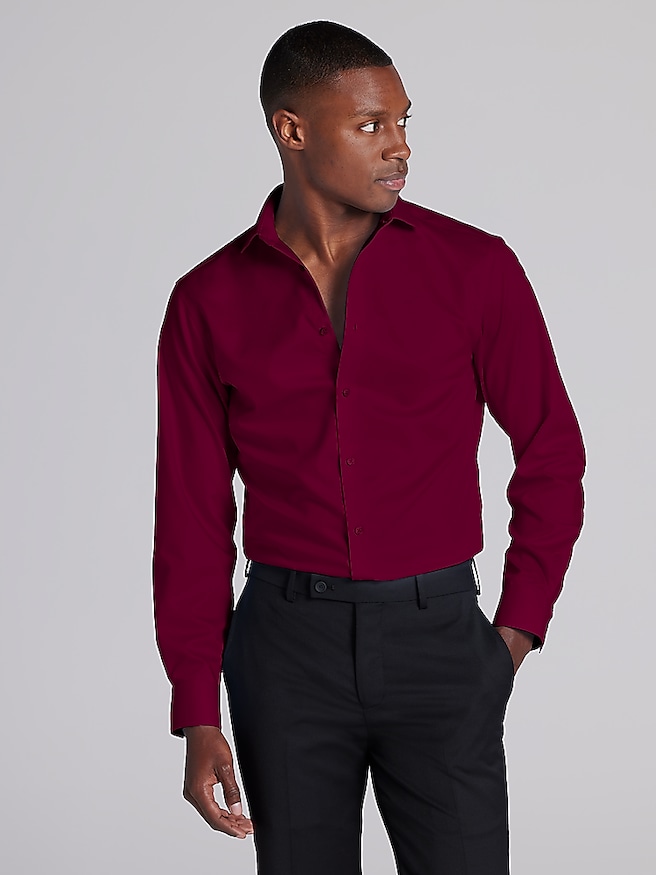
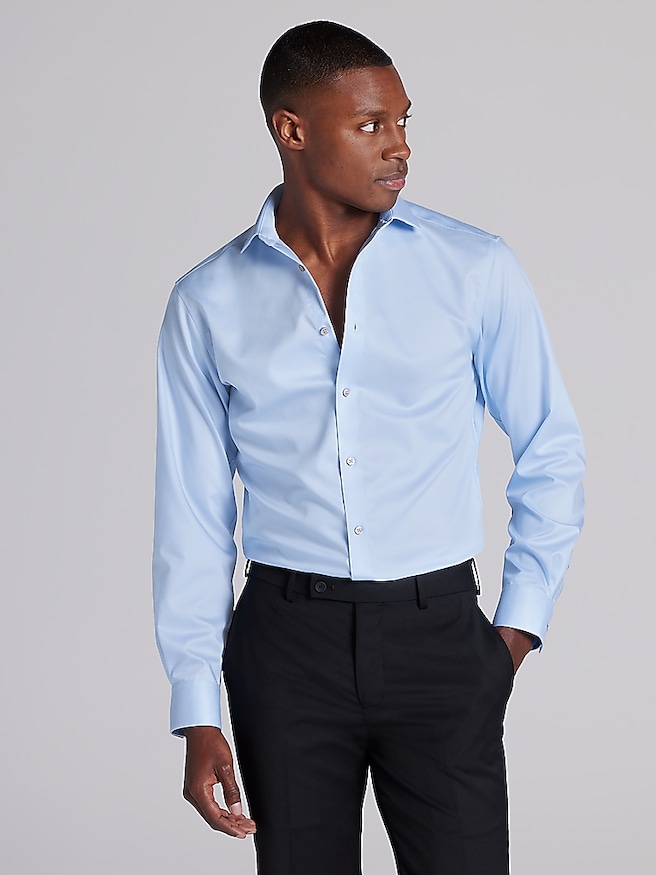
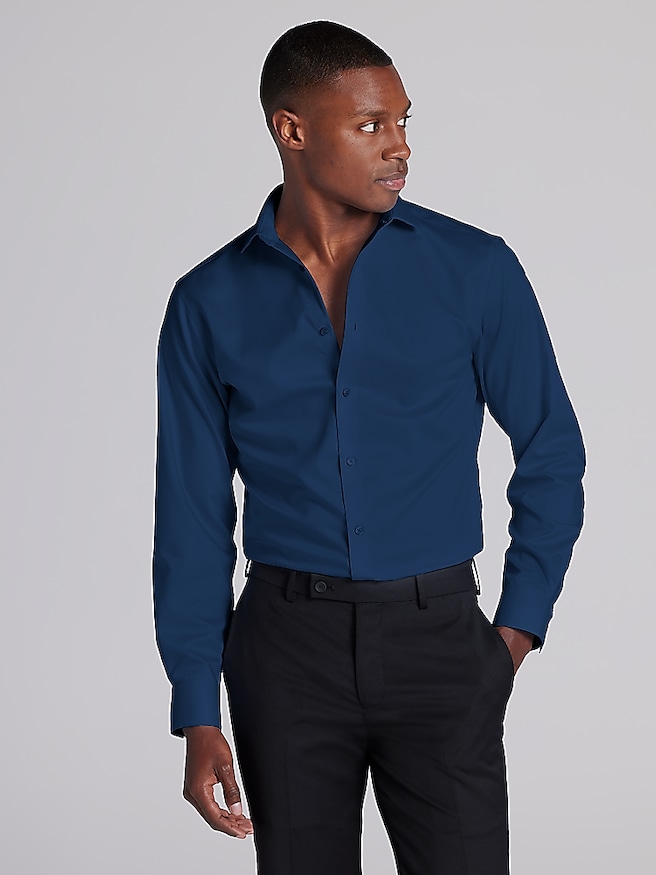
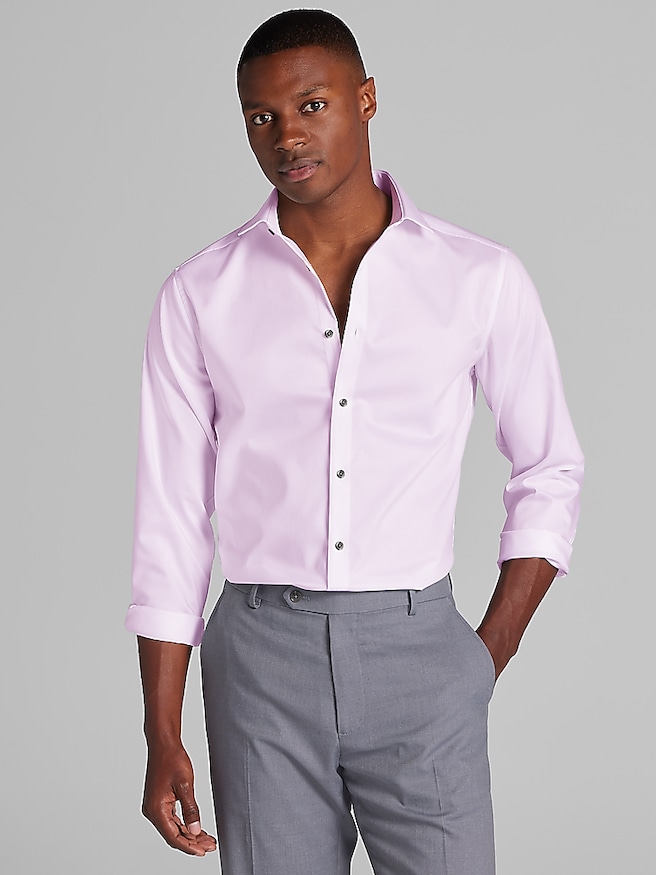
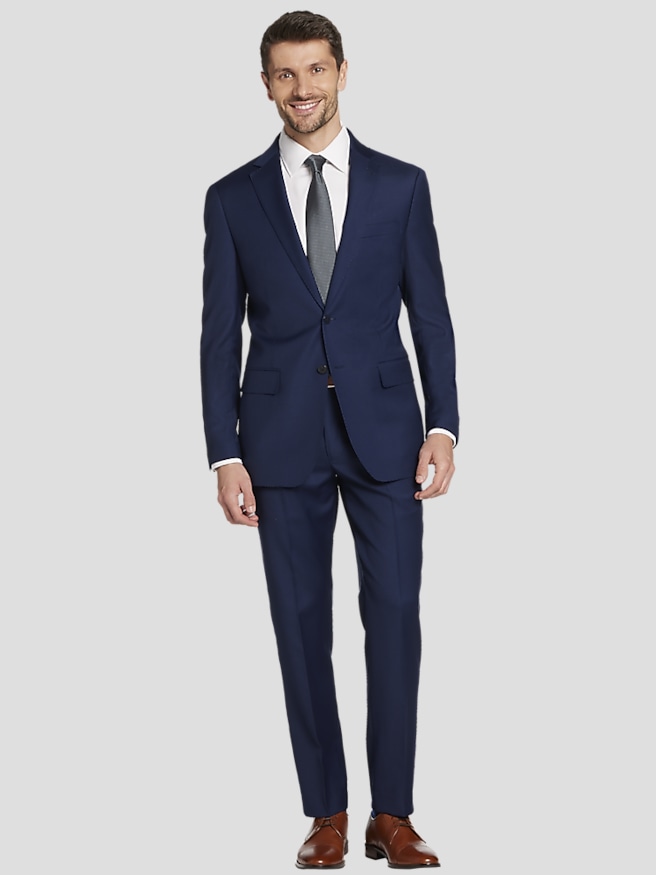
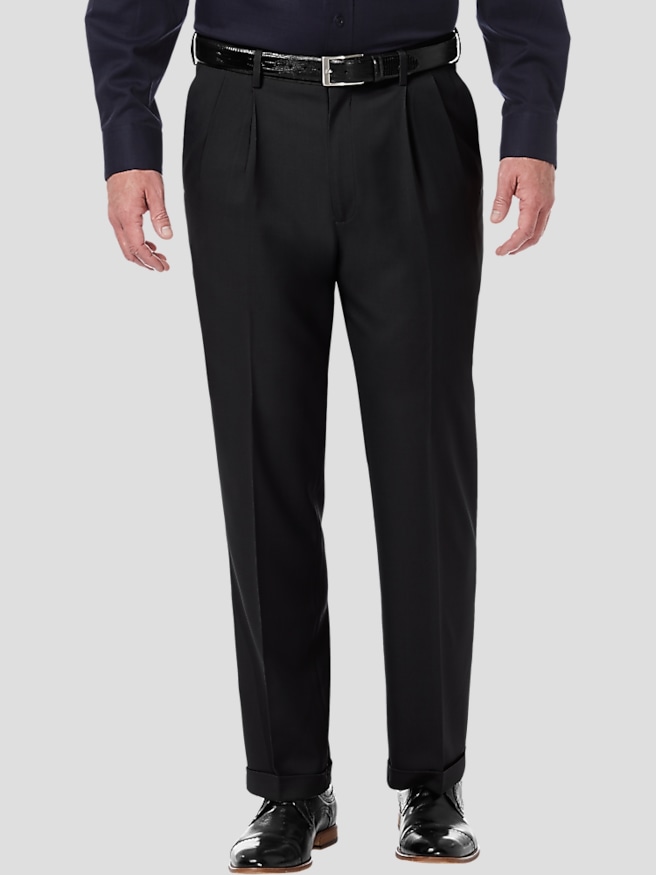
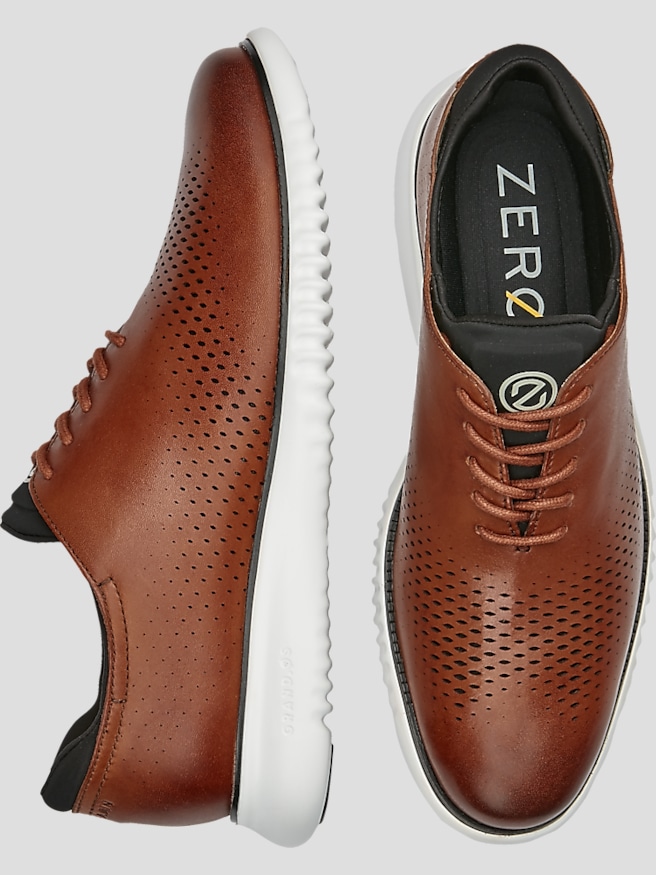
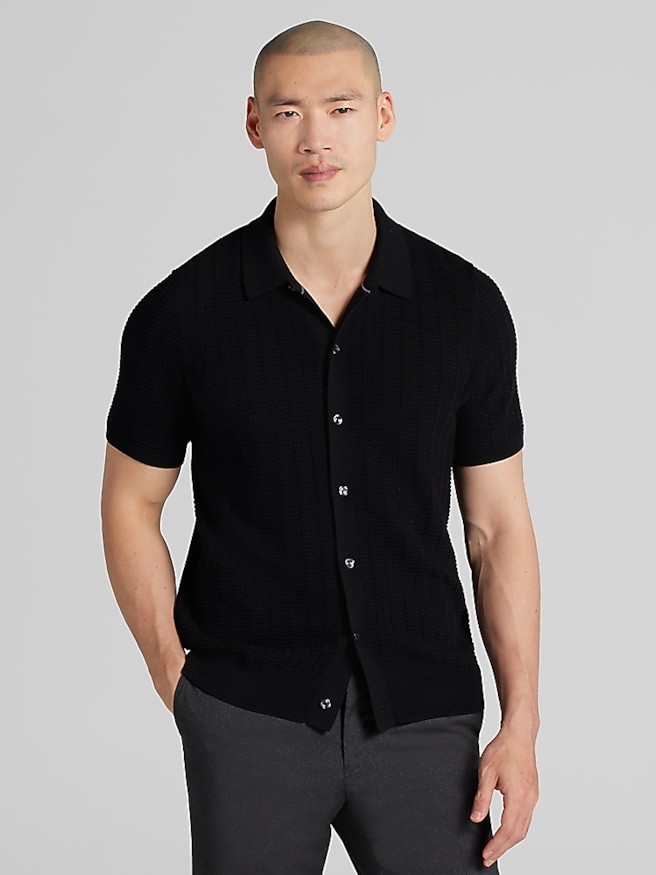
A men’s professional casual daily outfit brings together the polish of office clothing and the comfort needed for a full working day. A collared shirt or fine-gauge knit, well-fitting chinos or tailored trousers, and neat leather shoes create a dependable foundation, with a soft sport coat adding definition when the setting calls for it. The overall effect is composed without feeling ceremonial: a collar that sits cleanly beneath a jacket, trousers that hang smoothly, and colors that work together without demanding attention. These clothes suit the space between a traditional suit and a weekend wardrobe, whether the day includes a morning commute, desk work, a team presentation, or dinner after leaving the office. Professional casual and business casual often overlap, but the appropriate balance depends on the workplace. An open-collar shirt with pressed trousers may feel natural in a client-facing office, while a knit polo and chinos can work in a more relaxed creative setting. Clean, understated sneakers belong only where the dress code permits them; loafers, lace-up leather shoes, and streamlined boots offer a more polished finish. Navy, charcoal, soft blue, cream, and muted olive make daily combinations easier because they sit comfortably alongside one another. Subtle stripes, small checks, and textured solids bring variety without overwhelming the outfit. A pale blue shirt against charcoal trousers looks clear and professional on a video call, while a navy knit with stone chinos has an easy contrast that carries beyond office hours. Rather than depending on bold details, professional casual clothing gets much of its character from proportion, surface texture, and condition. A smooth collar, clean cuffs, and shoes free of scuffs can matter as much as the combination itself. For occasions that require a more structured appearance, Men's Modern Professional Formal Outfits provides a dressier point of reference, while everyday professional casual dressing leaves more room for softer construction and comfortable layers.
Fabric and fit shape how professional casual clothing feels from the first train ride to the last meeting. Cotton Oxford cloth has a lightly textured surface and enough body to give a button-down shirt a substantial appearance, while smoother cotton weaves tend to look sharper beneath a jacket. Cotton piqué adds quiet texture to a polo, and fine-gauge knitwear creates a cleaner outline than bulky stitching when worn under a sport coat. Wool trousers can provide a fluid drape and useful temperature regulation, especially during the cooler months, although warmth and breathability depend on fabric weight and construction. Cotton twill offers a familiar balance of structure and softness for chinos. Blended fabrics may add stretch, improve shape retention, or simplify care, but those qualities vary by garment rather than following automatically from a fiber name. A small amount of stretch can be welcome when climbing stairs, sitting through a long presentation, or carrying a laptop bag across town. The best fit for daily use allows those movements without pulling at shirt buttons, tightening across the thighs, or forcing a waistband to dig in while seated. Shoulder seams should sit near the natural shoulder, sleeves should allow comfortable bending, and a shirt worn tucked should have enough length to stay in place. Slim, straight, and more relaxed cuts can all look professional when their proportions suit the wearer. Trousers need room through the seat and thigh, with a leg opening that works with the footwear rather than bunching heavily over it. A soft jacket should rest cleanly across the upper back and close without pronounced strain. Layering adds another consideration: a shirt, lightweight sweater, and jacket need enough shared space to move comfortably together. As temperatures drop, a fine knit beneath an unstructured sport coat provides adaptable coverage for chilly sidewalks and heated offices. Texture keeps these restrained combinations interesting, with brushed fabric, softly grained leather, and a smooth shirt offering contrast without relying on conspicuous patterns.
Clothing intended for frequent office wear also benefits from practical construction and manageable care requirements. Secure buttons, even seams, well-finished pocket openings, and fabric that recovers after movement are useful details in garments expected to handle repeated wear. Areas that meet constant friction, including elbows, trouser seats, cuffs, and pocket edges, deserve particular attention over time. Durability is not simply a matter of choosing the heaviest cloth; fabric quality, construction, fit, and care all affect how well clothing holds its shape and appearance. Garments under constant tension may show stress sooner, while pieces that fit comfortably can move with the body instead of resisting it. Care labels remain the clearest reference for washing, drying, pressing, and professional cleaning. Washable cotton and easy-care blends may suit a busy weekly routine, while certain wool garments and structured jackets require more specialized attention. Appropriate heat settings help protect fabric surfaces, and knitwear generally benefits from storage that does not stretch the shoulders. Hanging trousers neatly, giving shoes time to dry between wears, and addressing small repairs early can help maintain a presentable wardrobe. Repeating a few compatible colors also makes everyday dressing less complicated: the same neutral trousers can support a collared knit on an internal meeting day and a button-down shirt with a jacket for a visiting client. This flexibility is useful for commuters, professionals building a first office wardrobe, and experienced employees whose schedules move between focused desk time and public-facing responsibilities. It also supports travel, when coordinated layers can cover several settings without requiring a separate outfit for every appointment. Professional casual clothing can make a thoughtful gift for someone starting a new role or returning to an office, especially when sizing, fabric preferences, and workplace expectations are familiar. Across these uses, the strongest choices share a practical purpose: they feel comfortable through ordinary movement, look appropriate for the room, and remain easy to combine and maintain. The result is an everyday wardrobe with enough structure to communicate care and enough ease to feel natural throughout the day.