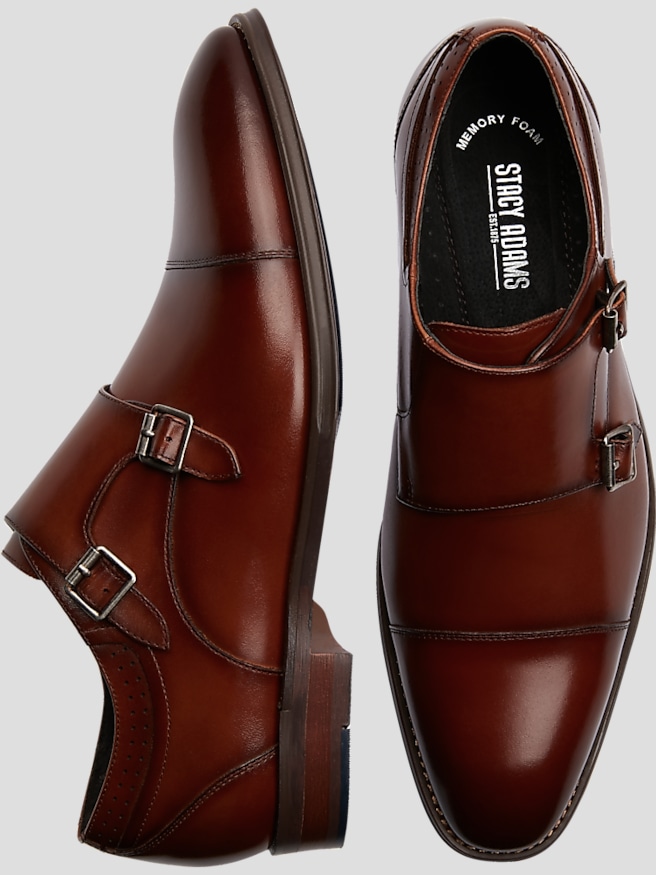
Men’s patent leather shoes are high-gloss formal shoes most closely associated with tuxedos, black-tie events, and evening celebrations. Their smooth, reflective finish brings a crisp contrast to the softer texture of tailored trousers and echoes the sheen of silk or satin lapels. Black patent leather is a traditional choice with both black and midnight blue tuxedos, making it especially relevant for wedding parties, formal galas, and other occasions with a clearly stated evening dress code. For a groom standing beneath ceremony lights or a guest arriving at a black-tie reception, the appeal is straightforward: a polished shoe that looks intentional without competing with the rest of the outfit. Traditional patent leather begins with a leather base covered by a glossy coating; some high-shine dress shoes instead use synthetic uppers, so the material description matters when comparing construction and care requirements. The finish, rather than decorative stitching, supplies much of the visual interest. A plain-toe design creates a particularly clean line, while a restrained cap toe adds definition across the front of the shoe. Oxford construction, recognizable by its closed lacing, offers a neat profile that suits formal tailoring. Derby construction has open lacing and can provide more adjustability across the instep, although the overall shape and detailing still influence how formal a shoe appears. Sleek slip-on silhouettes offer another approach, with the fit around the heel and instep doing more of the work that laces would otherwise handle. Traditional formal pumps have their own place in evening dress, distinct from everyday loafers. Across these shapes, a balanced toe, unobtrusive seams, and a tidy sole edge help preserve the understated character of formal footwear. Patent leather is generally more occasion-focused than matte leather: its shine feels at home beside a tuxedo, while a conventional business suit usually calls for a less reflective finish. That distinction gives these shoes a clear purpose in a dress wardrobe rather than making them an all-purpose replacement for everyday footwear.
The right pair of patent leather dress shoes needs to feel as considered as the outfit it completes. A formal event can involve much more than sitting through dinner: there may be a ceremony, a long receiving line, photographs on stone steps, and several hours on a dance floor. Fit begins with enough room for the toes to rest naturally without pressing against the front or sides. The widest part of the foot should sit comfortably within the widest part of the shoe, and the heel should feel secure rather than repeatedly lifting with each step. A streamlined appearance does not require a tight fit. Patent finishes can feel less forgiving than uncoated leather, so a painfully snug shoe should not be chosen on the assumption that substantial stretching will solve the problem. Width and instep volume matter alongside length, especially in slip-on styles, where there is little opportunity to fine-tune the fit. Trying formal shoes with the same type of dress socks intended for the event gives a more useful sense of fit than trying them with thick athletic socks. Thin, smooth socks also maintain a clean line beneath tuxedo trousers; over-the-calf styles can help keep bare skin from showing when seated. Beneath the upper, construction affects the experience just as much as appearance. Leather soles offer a traditional profile, while rubber soles or discreet rubber inserts can add traction; the actual tread and surface conditions still matter. A cushioned footbed may soften the feeling underfoot, but cushioning cannot compensate for a shoe that pinches or allows excessive movement. A stable heel and a flexible forefoot can make repeated standing and walking more comfortable. For someone attending several formal events, comfort has lasting value beyond a single photograph. Patent shoes can also make a thoughtful gift for a graduate, a groom, or someone building an evening wardrobe, provided the recipient’s measurements, preferred shape, and upcoming dress requirements are well understood.
The lasting appeal of patent leather depends on keeping its smooth finish clear and its shape supported. Unlike ordinary polished leather, patent leather does not need layers of traditional wax to produce shine; the reflective surface is part of the finish itself. Routine attention generally means removing dust with a soft cloth and gently wiping away fingerprints or light marks with a slightly damp cloth, followed by careful drying with another soft cloth. Any cleaner should be labeled as suitable for the material and tested first in an inconspicuous area. Standard leather creams, abrasive cleaners, and strong solvents may dull, stain, or damage a coated surface, so more product is not necessarily better. Scuffs deserve a gentle approach rather than forceful rubbing, and deeper scratches or cracking may need professional assessment because a glossy coating cannot always be restored in the same way as an uncoated leather upper. Durability also depends on how the shoe bends and how it is handled between occasions. Some creasing across the forefoot is normal with wear, but repeated sharp folding puts unnecessary stress on the finish. Using a shoehorn helps protect the heel counter, while appropriately sized shoe trees can support the shape after wear without forcing the upper outward. Shoes should be allowed to air out before being placed in storage, then kept away from direct heat and prolonged sunlight. Separate shoe bags or soft dividers help prevent the glossy surfaces from rubbing against each other or picking up marks from neighboring footwear. Sole edges and heels merit attention, too: a mirror-like upper looks less composed when paired with a worn-down heel. For wedding portraits, charity dinners, and evenings that call for a tuxedo, these details contribute to an appearance that feels complete from lapel to hem. A modest trouser break keeps the shoe visible without fabric pooling over the laces, allowing the patent finish to serve its intended role as a sharp, restrained finishing touch.