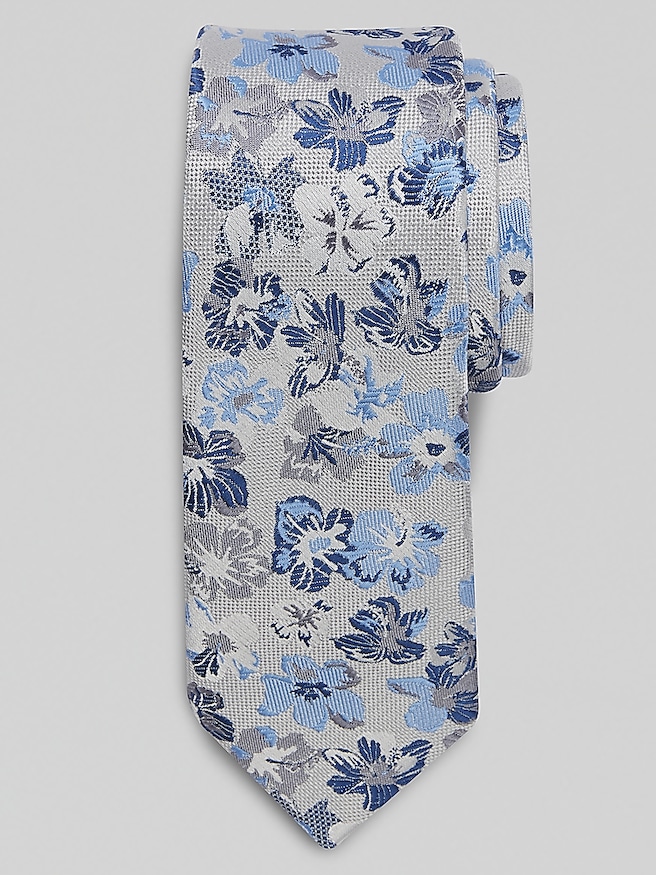
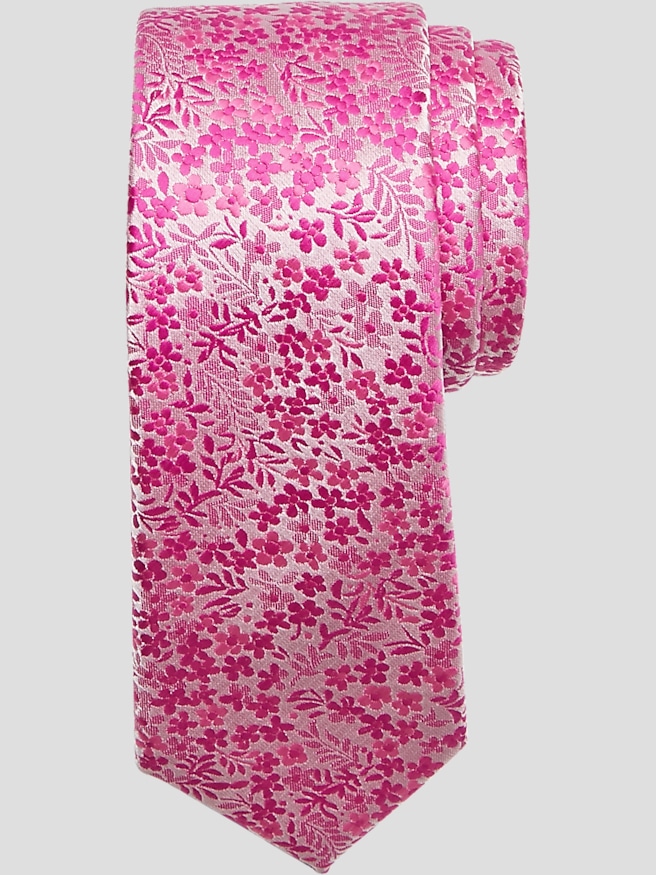
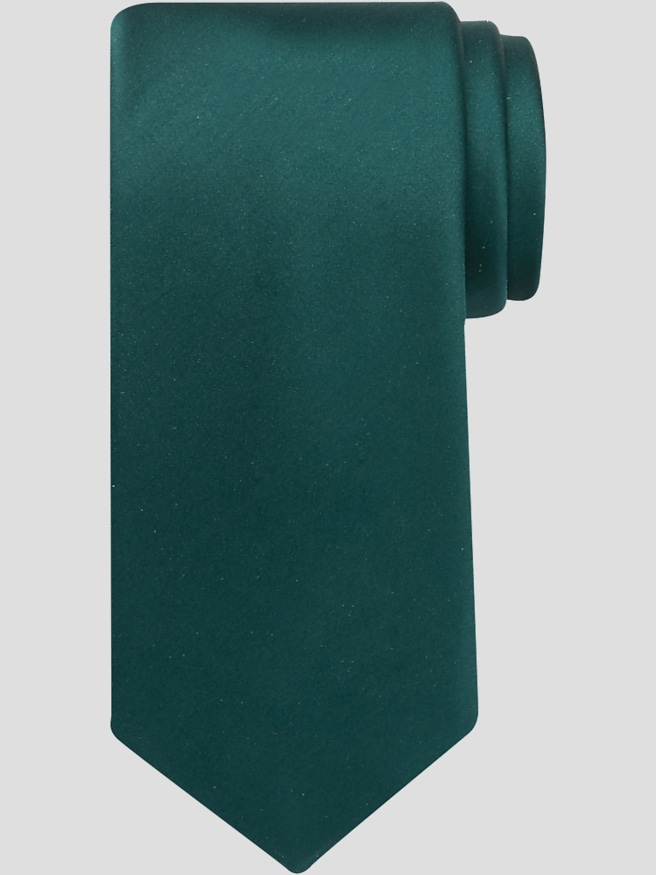
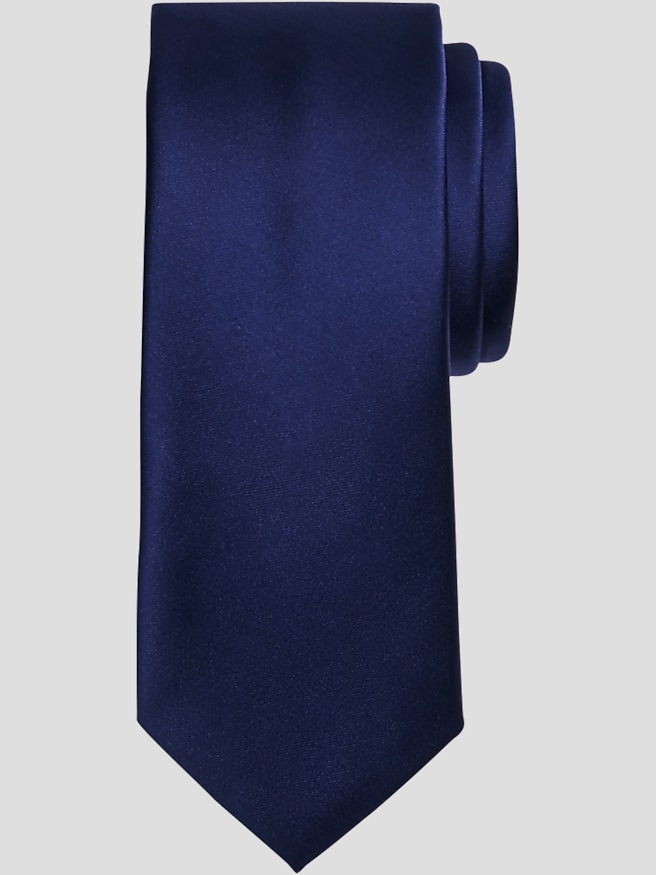
Men’s pastel ties bring a lighter, more refined touch to traditional suiting, making them a versatile choice for weddings, celebrations, business events, and polished everyday dressing. Soft shades such as blush pink, rose, baby blue, dusty blue, sage, mint, lavender, lilac, peach, and butter yellow can add personality without overwhelming a well-coordinated outfit. Their appeal comes from balance: a pastel tie introduces color while preserving the clean, considered appearance expected from formalwear. A pale blue tie against a crisp white shirt and charcoal suit feels fresh and professional, while blush or rose tones can warm up a navy or medium-gray suit. Sage and mint work naturally with tan, cream, brown, and other earthy shades, creating an easy outdoor-event look that still feels put together. Lavender and lilac offer a subtle vintage quality, especially when paired with cool gray or deep navy. Pastel ties are often associated with warmer-weather celebrations, but they can transition beautifully into the cooler months when styled with richer surrounding colors. Imagine a muted lavender tie beneath a dark wool suit, or a soft blue accent against charcoal tailoring and a textured white shirt. The contrast gives the outfit depth while keeping the overall impression approachable. For a particularly clean look, solid silk or grosgrain ties offer understated color and a smooth, elegant finish. Textured weaves can add visual interest without introducing a bold pattern, while subtle paisley or floral designs provide dimension for formal occasions and celebrations where a little more personality is welcome. When choosing among pastel ties for men, consider the event, the suit color, the shirt, and the wearer’s usual style. A solid pastel is often the easiest starting point because it can be worn with several combinations, while a restrained pattern can make a familiar suit feel distinctive.
The right proportions matter as much as the shade. Traditional tie widths generally measure about 3.25 to 3.5 inches and create a balanced appearance with standard suit lapels, making them a dependable choice for weddings, ceremonies, interviews, and other formal settings. Slimmer ties, usually around 2.5 to 2.75 inches, complement narrow lapels and streamlined tailoring, giving the outfit a more contemporary silhouette. The tie should coordinate with the scale of the jacket rather than appear noticeably wider or narrower than the lapels. Length is also important: once tied, the tip of the tie should reach the middle of the waistband or belt area, creating a neat line through the front of the outfit. Fabric and finish influence how the color looks in different light. Silk can reflect light softly and give pastel shades a dressier appearance, while grosgrain and other textured materials may appear more muted and add a tactile, modern character. A matte finish can be especially useful for daytime events or less formal settings, while a gentle sheen suits evening receptions and formal celebrations. Pattern scale deserves attention as well. Small, understated motifs tend to remain versatile and work comfortably with striped or subtly textured shirts, while larger floral or paisley patterns are best balanced with a solid shirt and a simple pocket square. For outdoor weddings, garden receptions, daytime galas, and family celebrations, pastel ties can complement the surroundings without blending into them. They look natural beside light tailoring, cream shirts, and warm neutrals, yet they can also brighten darker suits during fall and winter gatherings. A pastel tie is an easy way to soften a serious business wardrobe, add a welcoming note to a special-occasion outfit, or coordinate with a wedding party’s color palette without making every detail look overly matched. Men building a more complete accessories collection may also explore Men's Fine Ties for additional textures, colors, and patterns suited to different levels of formality.
Pastel ties also make thoughtful gifts because they combine personal style with practical versatility. They can be given to a partner, father, brother, son, friend, or member of a wedding party, particularly when the recipient attends professional events, formal dinners, ceremonies, or celebrations throughout the year. A tie in a softly flattering shade can feel personal without requiring an exact knowledge of someone’s measurements, and it is easy to pair with clothing the wearer may already own. For a gift, consider the recipient’s existing wardrobe: someone who frequently wears navy or charcoal may appreciate blush, dusty blue, or lavender, while a closet built around tan, cream, olive, or brown may suit sage, mint, peach, or butter yellow. Personal taste matters too. Minimal dressers often prefer a solid tie with a refined texture, while someone who enjoys expressive accessories may welcome a floral or subtle paisley pattern. During the cooler months, pastel accessories can bring lightness to heavier fabrics such as flannel, tweed, and wool, especially when the rest of the outfit uses grounded tones. A soft tie also looks polished beneath a blazer for a dinner, reception, or workplace gathering, so its usefulness extends beyond strictly formal occasions. For the best result, keep the rest of the outfit intentional: pair a patterned pastel tie with a quieter shirt, repeat one of its tones in a pocket square or shirt detail, and avoid matching every color exactly. Proper storage helps preserve its appearance; loosen the knot after wearing, hang or roll the tie carefully, and allow delicate fabrics to rest before their next use. Whether selected for a ceremony, given as a meaningful gift, or added to a personal rotation of formal accessories, men’s pastel ties offer a graceful way to bring color, texture, and individuality to classic menswear.