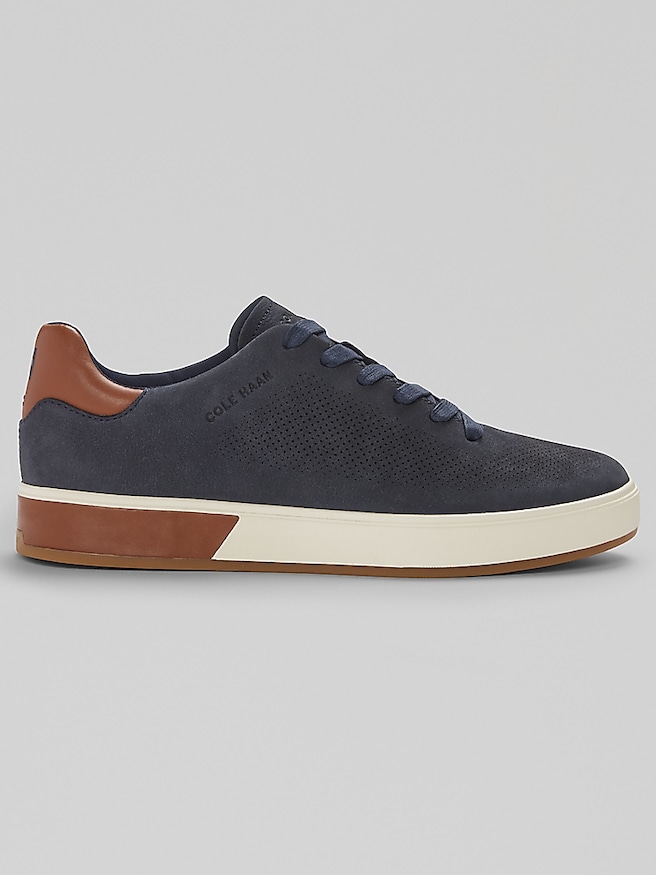
Men’s grey mesh sneakers combine a versatile neutral color with a textured upper that brings a relaxed feel to everyday outfits. Mesh is an open-structured textile, commonly made from synthetic fibers such as polyester or nylon, that allows air to move through the upper. Depending on the construction, it can feel soft and flexible or more structured, especially when reinforced around the toe, heel, and lace openings. Mesh and knit are not interchangeable terms: mesh describes an open textile structure, while knit refers to a method of making fabric, and some sneaker uppers have characteristics of both. For everyday wear, the appeal goes beyond breathability. The subtle pattern of the fabric gives gray sneakers visual depth without the stronger contrast of a bold print, making them easy to pair with dark denim, navy chinos, olive pants, or casual joggers. Light gray creates a softer contrast against darker trousers, while charcoal offers a more understated look that sits comfortably alongside black and other deep neutrals. A matching gray sole keeps the profile streamlined; a white or cream sole adds definition and a more distinctly casual finish. Low-profile shapes work especially well with pants that end near the top of the shoe, allowing the outline to stay visible rather than disappearing beneath a heavy break. In a relaxed office setting, gray mesh sneakers can complement chinos and an untucked button-down, provided the dress code permits athletic-inspired footwear. For a dinner with friends or an afternoon visiting a museum, the same color works with straight-leg jeans and a simple polo. Anyone drawn to a richer color can also consider men’s blue mesh sneakers, particularly for outfits built around gray, tan, and denim. Gray remains an adaptable starting point because it brings texture to an outfit without demanding that every other piece match it precisely. That balance makes mesh sneakers useful for men who prefer an uncomplicated everyday wardrobe with room for both tailored casual pieces and laid-back basics.
Comfort in a mesh sneaker depends on the entire construction, not just the fabric across the top of the foot. A breathable upper may help release heat generated during walking, but the lining, sock choice, insole, and amount of reinforcement all affect how the shoe feels over several hours. Foam underfoot can soften each step, while a firmer platform may feel steadier to someone who dislikes sinking into a very soft footbed. More cushioning does not automatically mean more support, and an especially plush first impression does not always predict comfort through a long day. A useful fit leaves room for the toes to spread without letting the heel lift noticeably with every stride. The widest part of the foot should sit comfortably within the shoe rather than pressing against the edges of the sole, and the upper should not pull tightly across the forefoot. Although mesh can flex, it cannot reliably compensate for a shoe that is too short or too narrow. Adjustable laces help fine-tune the hold across the instep, while a padded collar can reduce rubbing around the ankle when its shape suits the wearer. Trying sneakers with the socks intended for regular use gives a more realistic sense of space and pressure; anyone using an orthotic should also check whether the footbed is removable and whether the shoe has enough interior depth. Intended use matters just as much as fit. Casual mesh sneakers can suit errands, commuting, travel, or time spent moving between a desk and meetings, but athletic styling alone does not make a shoe appropriate for running or strength training. Those activities call for construction designed around their particular movements and demands. For travel days that involve terminal walks and extended sitting, a secure heel and comfortable forefoot can matter more than an extra-thick sole. For regular neighborhood walks, an outsole that bends comfortably near the ball of the foot may support a smoother stride, though the right level of flexibility varies with the wearer.
Durability comes from how the mesh, seams, reinforcements, and outsole work together. Open fabric keeps an upper light and flexible, but it may be more vulnerable to snagging or abrasion than a solid leather panel. Reinforced areas around the lace openings can help distribute tension, and overlays near the toe or heel may protect sections that receive repeated contact. Rubber coverage in high-wear areas of the outsole can help resist abrasion, while exposed foam may show wear sooner depending on its composition and the surfaces underfoot. Tread pattern also matters, although a textured sole should not be assumed to provide specialized slip resistance unless that performance is stated. Regular care helps preserve both the appearance and structure of gray mesh sneakers. Fine dust can settle into the openings, making the color look dull even when the fabric is otherwise in good condition. A soft brush can lift loose debris before gentle spot cleaning with a mild soap solution, when permitted by the care instructions. Scrubbing aggressively may disturb the fibers, and soaking can affect adhesives, padding, or attached trim. Letting shoes air-dry away from direct heat helps protect their shape; machine washing is appropriate only when the manufacturer specifically allows it. Cleaning laces separately, if permitted, can freshen the overall look without repeatedly saturating the upper. Giving shoes time to dry between wears and storing them where air can circulate also helps manage lingering moisture. For gifting, gray mesh sneakers make the most sense when the recipient’s size, preferred width, and everyday style are already known. A father who wears chinos for casual gatherings may appreciate a restrained silhouette, while a friend who lives in joggers may prefer a more athletic profile. Familiarity with the recipient’s fit needs matters more than guessing from appearance alone. Whether chosen for a daily commute, casual social plans, or an easygoing wardrobe, the most useful pair balances a versatile gray finish with appropriate cushioning, a secure fit, and construction suited to the way it will actually be worn.