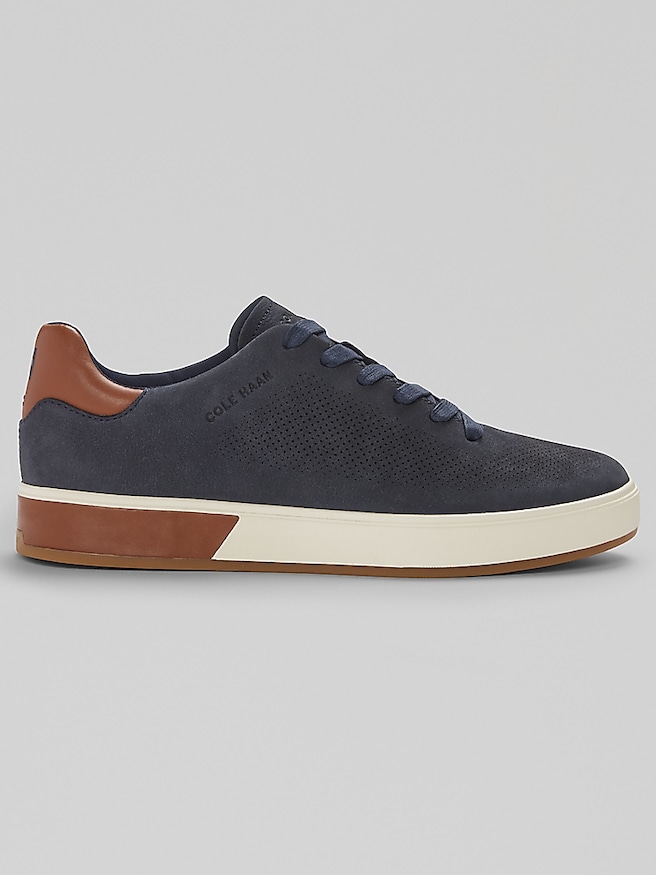
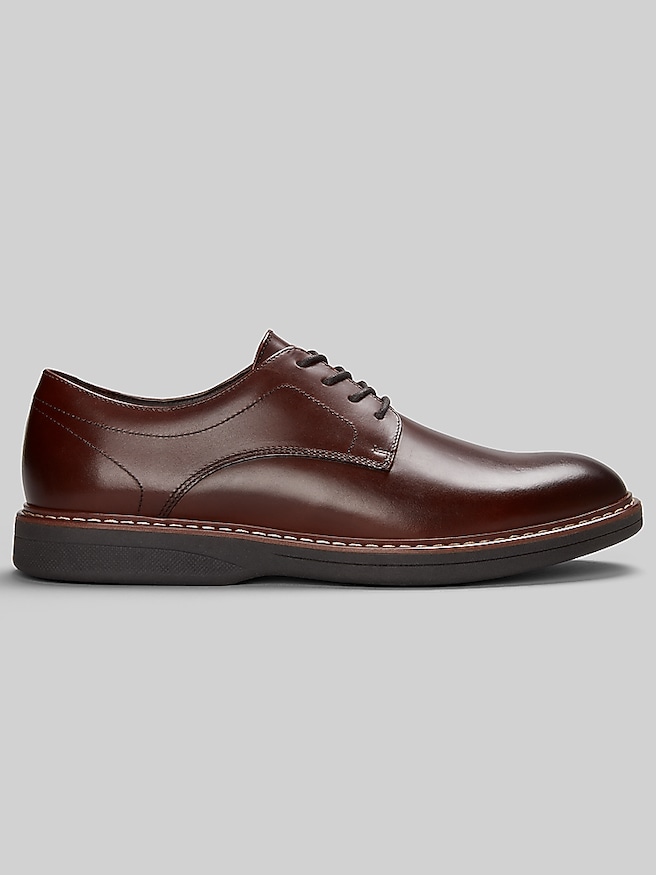
Men’s gray sneakers offer a versatile middle ground between bright white footwear and darker black shoes, pairing naturally with denim, chinos, and shorts. Their neutral color makes them easy to repeat across outfits without making every combination look the same. Light gray has a softer, more relaxed appearance, while charcoal creates a stronger foundation under dark jeans or navy trousers. Mid-gray shades work comfortably with both light and dark clothing, making them especially useful for an everyday wardrobe. The shape of the sneaker matters just as much as its color: a slim, low-profile silhouette looks neat beneath tapered chinos, while a broader sole and layered upper bring more visual weight to straight-leg denim. For a casual office with a relaxed dress code, understated gray sneakers can complement navy chinos, an Oxford shirt, and an unstructured jacket. For a weekend lunch or a day spent exploring a new neighborhood, the same neutral footwear works with jeans and a knit polo. A clean hem that falls near the top of the shoe helps keep the proportions balanced, rather than allowing extra fabric to bunch around the ankle. Gray also gives colorful clothing a quiet foundation; olive pants, a burgundy shirt, or a patterned overshirt can stand out without competing with the shoes. Tonal outfits offer another approach, combining charcoal trousers with a lighter gray sneaker and a shirt that introduces contrast. Small details influence how polished the result feels. Matching laces and a restrained sole create a streamlined appearance, while contrasting panels, textured fabric, and a thicker outsole read as more casual. These distinctions make gray sneakers useful for people who move between desk time, errands, and informal gatherings, provided the footwear suits the setting. They are an everyday option rather than a substitute for dress shoes when an invitation calls for formal attire.
Materials determine much of a sneaker’s appearance, feel, and maintenance needs. Smooth leather generally has a cleaner surface and a more structured look, making it a natural partner for chinos and casual tailored clothing. Suede introduces a soft, matte texture that works especially well with denim, corduroy, and knitwear, though its raised surface needs care that differs from smooth leather. Canvas has an easygoing character, while mesh adds visible texture and can allow more airflow through the upper, depending on the lining and construction. For a closer look at that fabric-focused style, men’s gray mesh sneakers show how an open-textured upper gives neutral footwear a more athletic appearance. Mixed-material designs combine these effects, with overlays adding structure around areas such as the toe and heel. Inside the shoe, lining texture, seam placement, cushioning, and footbed shape all influence comfort. A soft step-in feel can be appealing, but cushioning alone does not establish whether a sneaker fits well. The heel should feel secure without persistent rubbing, the midfoot should feel supported rather than squeezed, and the toes need room to move without pressing against the front. Width matters as much as length; moving up a size to solve a narrow fit may leave too much space at the heel. Trying sneakers with the socks intended for regular wear gives a more realistic sense of their fit, and checking both feet helps account for small differences in size. A few minutes of walking can reveal heel movement, pressure across the instep, or a seam that catches against the foot. For someone who uses an orthotic, a removable footbed and sufficient interior depth may be important considerations. Intended use also matters: a casual sneaker can suit everyday walking and social plans, but an athletic-looking upper does not necessarily provide the construction needed for running, court sports, or demanding workouts. Purpose-built footwear remains the better match for those activities.
Durability depends on the complete construction of gray sneakers, not just the material named on the upper. Secure stitching, neatly finished edges, reinforced high-contact areas, and a firmly attached outsole are useful details to examine. The outsole’s material and tread pattern affect traction and wear, while the upper needs enough flexibility for comfortable movement without losing its shape too quickly. A heavier shoe is not automatically more durable, just as a lightweight sneaker is not automatically less supportive. The right balance depends on how often the shoes will be worn and what a typical day involves. Someone commuting on foot may prioritize secure fit and outsole grip, while someone choosing sneakers mainly for casual dinners may place more emphasis on a streamlined profile. Gray can make some everyday marks less conspicuous than stark white, but it still benefits from regular care. Loose dirt is easier to remove before it settles into seams or textured panels. Smooth leather generally responds best to a soft cloth and a cleaner appropriate for its finish; suede calls for a suitable brush and a method that preserves the nap. Mesh and canvas often need gentle spot cleaning, with care taken around adhesives, linings, and contrasting materials. The manufacturer’s instructions should determine which cleaning products are suitable and whether machine washing is permitted. Air drying away from direct heat helps protect shape and construction, and removing the footbeds, when designed to be removable, can help the interior dry more thoroughly. Allowing shoes to dry fully between wears and loosening the laces before taking them off can also reduce unnecessary strain. As a gift, gray sneakers make sense for someone who favors versatile clothing and repeatable outfits, but the recipient’s usual size, preferred width, and taste in silhouettes are more useful than color alone. A familiar fit and a shape that complements an existing wardrobe make a thoughtful choice for everyday wear.