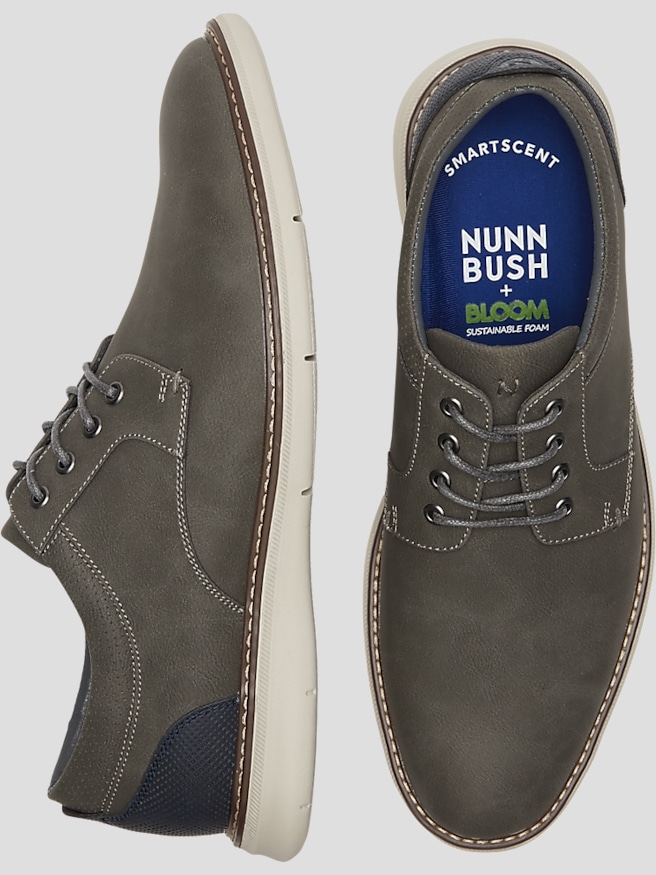
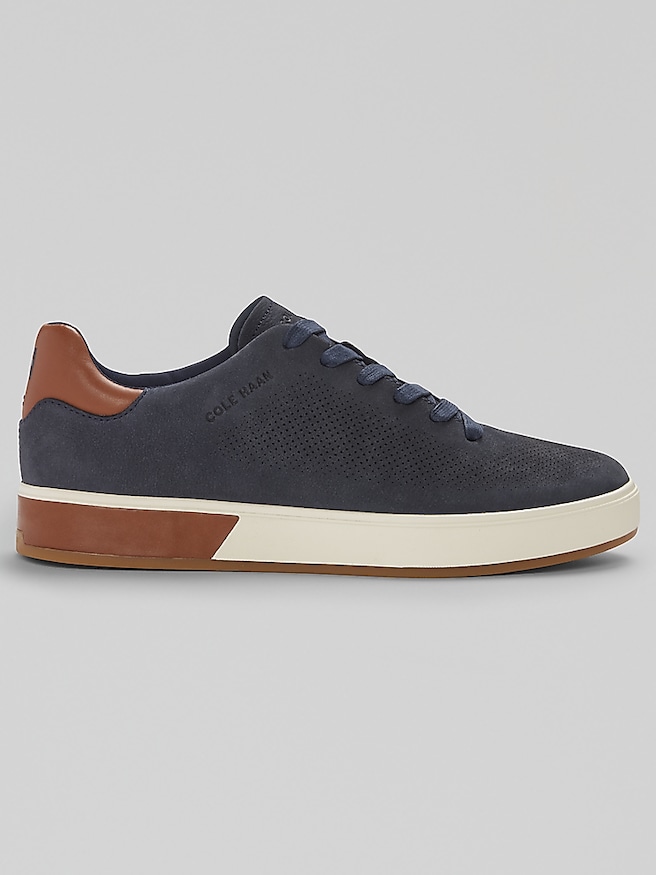
Light gray sneakers offer a versatile, neutral look that pairs naturally with casual clothing and more polished outfits. Softer in contrast than bright white and less visually heavy than black, light gray gives denim, chinos, and relaxed tailoring a clean finish without drawing attention away from the rest of an outfit. The shade works especially well with navy, charcoal, olive, beige, and cream, while its understated character leaves room for a patterned shirt or a richly textured sweater. Subtle variations in color make a visible difference: a cool, silvery gray feels crisp alongside blue trousers, while a warmer gray complements tan chinos and other earthy tones. Shape matters just as much as shade. A slim, low-profile sneaker with restrained stitching can sit comfortably beneath the hem of tailored pants, whereas a thicker sole and layered upper bring a more athletic character to jeans or casual trousers. For an office with a relaxed dress code, light gray sneakers can complete an outfit built around navy chinos, an Oxford shirt, and an unstructured jacket. For dinner or a casual gathering, dark denim and a fine-knit polo provide an equally natural pairing. The most polished combinations usually leave the shoe visible rather than allowing excess fabric to bunch over it. A straight or gently tapered pant leg with a modest break keeps the proportions balanced without requiring a cropped fit. Matching every gray element is unnecessary; a little variation between shoes, trousers, and accessories often looks more considered than an exact color match. Socks can blend with the pants for a quieter transition or introduce a small amount of pattern when the setting allows. Although light gray sneakers can complement a relaxed suit, they remain casual footwear, so traditional dress shoes are the better choice when an invitation or workplace calls for formal attire.
Materials give light gray sneakers much of their personality, affecting everything from surface texture to flexibility and upkeep. Smooth leather tends to create a cleaner, more structured appearance, making it a natural companion to chinos and casual tailoring. Suede has a softer, matte finish that gives the same shade more depth, particularly beside denim or textured cotton. Mesh and knit uppers emphasize an easygoing, athletic look and can allow more airflow, though breathability also depends on the lining and overall construction. For a closer look at that textured approach, Grey Mesh Sneakers offers a related take on neutral footwear. Combinations of materials can add dimension without relying on bold color: a smooth panel beside a woven section, for example, creates contrast through texture rather than a prominent accent. Underfoot, cushioning, sole flexibility, and the shape of the footbed all influence comfort, but an especially soft sole is not automatically the best fit for every wearer. Someone moving between a desk, a commute, and a lunch outing may prefer a different balance of structure and cushioning than someone spending most of the day seated. A comfortable fit should hold the heel securely without rubbing, leave room for the toes to move, and avoid pressure across the widest part of the foot. Trying sneakers with the socks normally worn with them gives a more useful sense of fit than relying on size alone. Feet can vary slightly in length and width, so comfort on both sides matters. Laces should secure the upper without needing to be pulled so tightly that the material puckers or presses into the top of the foot. Anyone who uses an orthotic should consider interior depth and whether the footbed is removable. Everyday sneakers can suit ordinary walking and social plans, but their appearance alone does not establish the support or performance needed for running, court sports, or specialized training.
The lasting appeal of light gray sneakers depends partly on how their materials hold up to regular wear and partly on how easily they fit into an everyday routine. Pale neutral uppers can show scuffs and dust, although textured surfaces and subtle color variation may make minor marks less conspicuous than they would be on a smooth, uniform finish. Neat stitching, securely attached sole edges, and reinforcement around frequently stressed areas such as the heel and lace openings are useful details to examine. The outsole deserves attention as well: its material, tread pattern, and contact with the ground affect wear and traction, and a substantial-looking sole does not necessarily guarantee either. Care should follow the instructions for the particular shoe rather than a single cleaning method applied to every material. Loose dirt is generally easier to remove before it becomes embedded. A soft brush can lift surface dust, while suitable leather uppers may benefit from gentle wiping with a lightly damp cloth. Suede calls for a brush and cleaning products intended for its nap; vigorous scrubbing or too much moisture can change its appearance. Mesh needs a light touch to avoid snagging or distorting the fibers. Testing a cleaner on an inconspicuous area helps reduce the chance of discoloration, and machine washing should be reserved for footwear whose care instructions explicitly permit it. Allowing shoes to air-dry away from direct heat helps protect their shape and construction. Cleaning the laces and the edges of the soles can also make a noticeable difference to the overall finish without aggressive treatment of the upper. Between wears, a little time to air out and storage that does not crush the heel help maintain a comfortable shape. As a gift, light gray sneakers can be a thoughtful choice for someone who regularly wears neutral colors, enjoys a polished casual wardrobe, or prefers footwear that works with several outfits. Knowing the recipient’s usual size, width, and preferred silhouette makes that choice more personal. Whether worn with familiar jeans or neatly pressed chinos, the strongest appeal is the same: an understated color that brings an outfit together without making it feel overly coordinated.