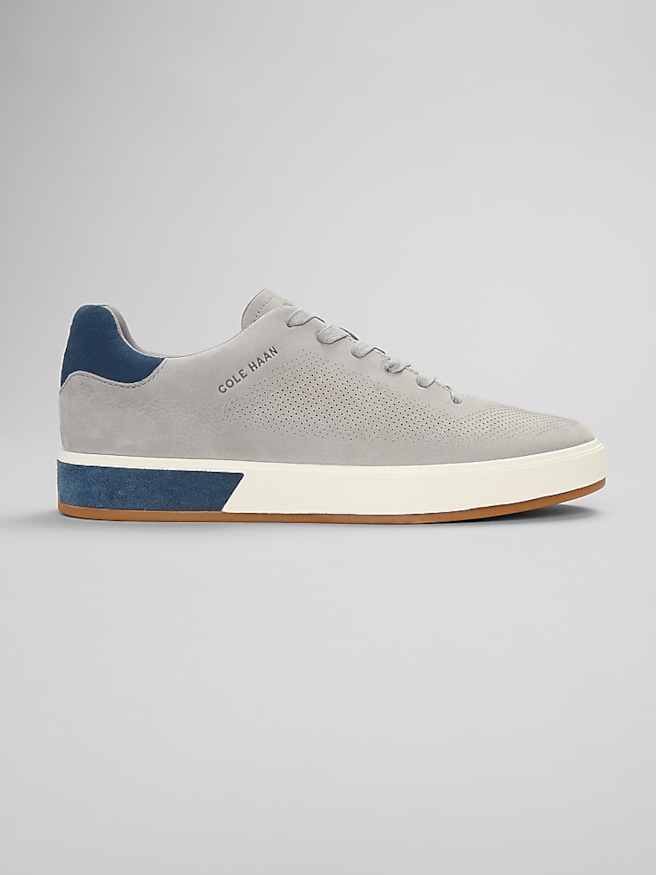
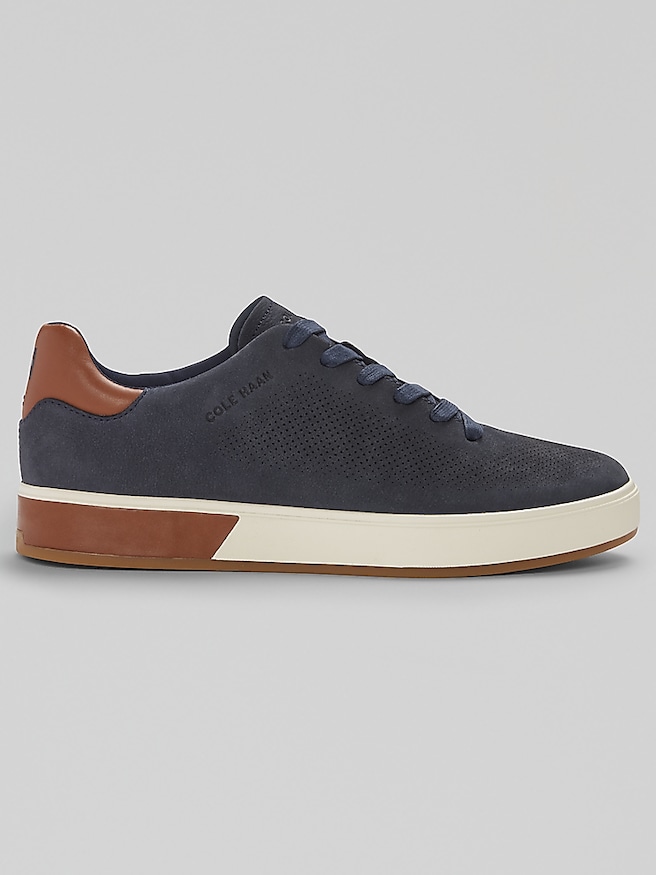
Gray mesh sneakers combine a breathable textile upper with the familiar shape and cushioned feel of casual athletic footwear. Their defining feature is the mesh itself: an open or finely perforated fabric structure that allows air to move through more easily than many solid uppers. That construction can help feet feel less enclosed during a busy commute, an afternoon of errands, or a day spent moving between meetings in a casual office. The effect depends on the density of the weave, the lining, and the socks worn underneath; mesh does not automatically make a shoe cooling, waterproof, or suitable for athletic training. Visually, gray brings a useful middle ground between bright white and deep black. Pale heather shades look relaxed with faded denim and stone chinos, while charcoal tones give dark jeans and tapered trousers a more understated finish. Small variations in the yarn can create a textured surface that feels less stark than a flat, single-color upper. A low-profile silhouette with restrained detailing can work with an untucked Oxford shirt or a knit polo, while a more substantial sole pairs naturally with joggers and a sweatshirt. For settings that welcome polished casual clothing, gray mesh sneakers can also sit comfortably beneath unstructured trousers and a lightweight jacket without looking like an attempt at formal footwear. The proportions matter: a neat trouser hem lets the shape of the shoe show, whereas excess fabric bunching around the ankle can make even a streamlined pair look bulky. During the cooler months, their airy construction remains useful indoors, though wet sidewalks and cold wind call for more consideration than a dry walk from the parking lot. For a broader look at this neutral footwear category, Grey Lifestyle Shoes connects the easygoing character of mesh with the wider appeal of gray casual footwear. The appeal is practical as much as visual: a versatile shade, visible texture, and a relaxed finish that complements much of an everyday wardrobe.
Materials and construction make a meaningful difference in how gray mesh sneakers feel over several hours. Mesh uppers often use polyester or nylon yarns, sometimes with stretch fibers or layered panels that help shape the foot opening. A soft, flexible upper may feel accommodating across the forefoot, while firmer overlays around the laces and heel can add structure where the shoe takes repeated stress. An open weave usually permits more airflow, but a finer mesh backed by a lining may offer a smoother interior feel. Neither appearance alone nor a lightweight build reveals the amount of support underneath. Midsole foam provides cushioning, while the outsole supplies the surface that meets the ground; rubber coverage in high-contact areas can help resist abrasion, although grip depends on the compound, tread, and walking surface. Fit brings those parts together. Toes need enough space to spread naturally without pressing against the front, and the heel should feel held rather than lifting noticeably with every step. The widest part of the foot should sit comfortably within the shoe instead of pushing the mesh outward over the sole. Laces can adjust pressure across the instep, but they cannot correct a shoe that is fundamentally too narrow or too short. Trying footwear with the socks intended for regular wear gives a more useful sense of fit, especially when thicker socks become part of a cooler-weather routine. For someone standing through a long presentation or walking several blocks between appointments, secure heel placement and comfortable cushioning may matter more than an especially soft first impression. Anyone who uses an orthotic should also consider interior depth and whether the existing footbed is designed to be removed. Lifestyle sneakers and dedicated performance footwear are not interchangeable: an athletic-looking mesh upper does not establish that a shoe is built for running, court sports, or demanding workouts. Intended use, construction, and fit are better indicators than styling alone, particularly when footwear needs to remain comfortable through a full day.
Everyday care helps preserve both the appearance and structure of gray mesh sneakers. Fine dust can settle into the fabric, while grit along the edge of the sole can make a neutral upper look dull before it appears truly dirty. A soft brush used gently on a dry surface can lift loose debris without forcing it deeper into the weave. For marks that remain, the maker’s care directions should take priority; where permitted, a small amount of mild soap on a damp cloth offers a controlled approach that avoids saturating the shoe. Aggressive scrubbing can roughen delicate yarns, and soaking may affect linings, adhesives, or shaped components. Machine washing is best reserved for footwear explicitly labeled for it. After cleaning or exposure to moisture, allowing the shoes to air-dry away from direct heat helps protect their shape and bonded parts. Removable insoles can be taken out to dry separately when the construction allows, and alternating footwear gives damp interiors more time to dry between wears. Mesh is valued for flexibility and airflow, not for being impervious to wear. Snagged threads, thinning fabric near the toe bend, compressed cushioning, and worn outsole patches are useful signs that comfort or durability may be changing. Rough trails, repeated contact with abrasive surfaces, and prolonged wet conditions can place demands on casual mesh that the material was not designed to handle. For ordinary days, however, the combination can be especially appealing to commuters, travelers, students, and anyone who prefers a lighter-feeling shoe for relaxed plans. A pair can be a thoughtful gift for someone whose usual size, preferred width, and everyday style are already known, though footwear is personal enough that fit deserves more attention than color alone. Picture gray mesh beneath dark denim for a casual dinner, with chinos for a workplace that permits sneakers, or alongside comfortable travel clothes for a long day in transit. In each setting, the strongest match is footwear chosen for the actual walking, standing, and weather involved, with a neutral finish that feels easy to wear again.