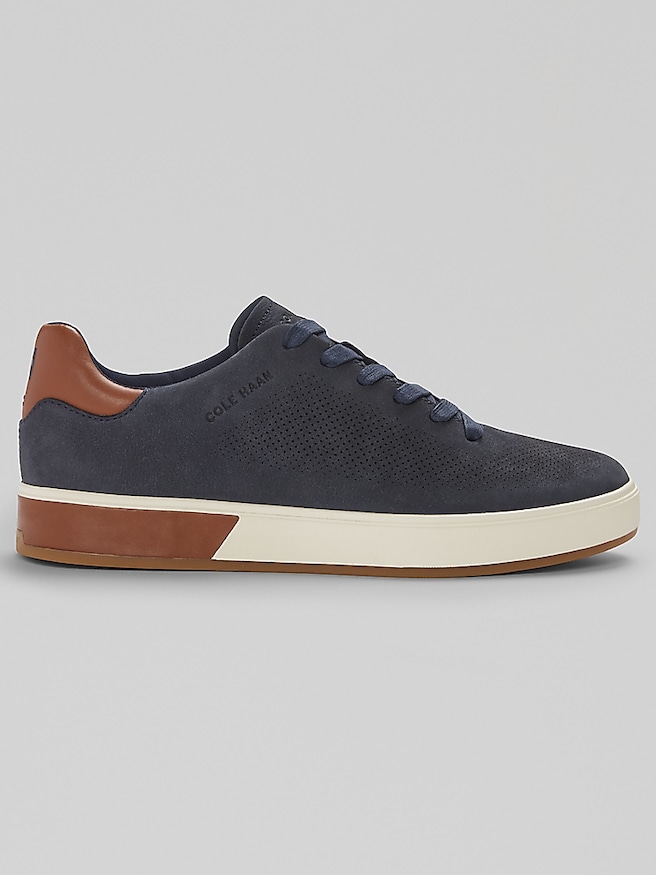
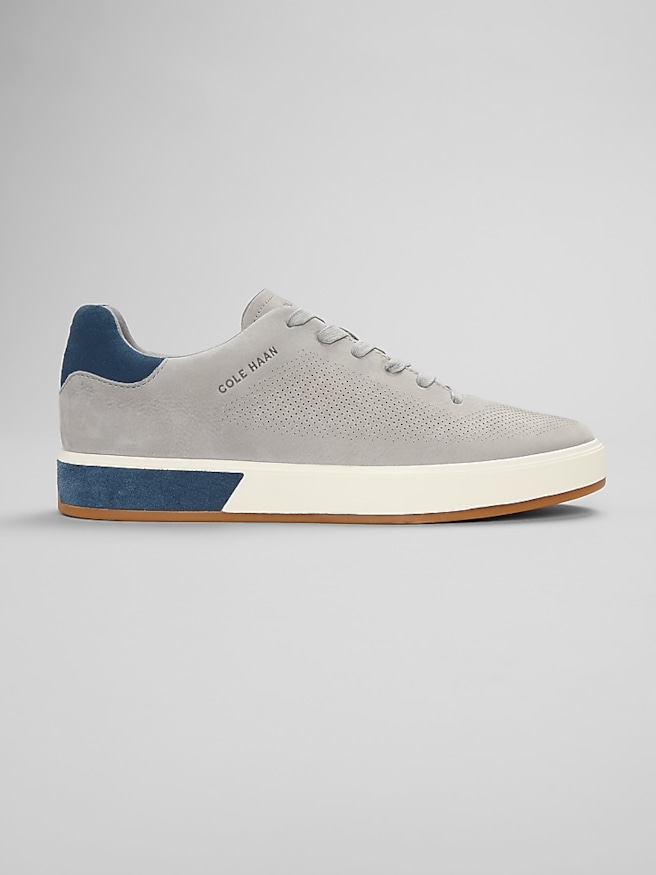
Gray sneakers are casual shoes with a neutral color that works across denim, chinos, tailored trousers, and relaxed everyday clothing. Their appeal comes from the balance between versatility and character: softer than black, less stark than white, and easy to coordinate without matching every detail of an outfit. The shade makes a noticeable difference. Pale gray creates a lighter visual contrast against dark jeans, medium gray sits comfortably alongside navy and olive, and charcoal gives casual footwear a more understated finish. Warm grays with taupe undertones complement tan chinos and brown accessories, while cooler, silver-toned grays pair naturally with blue, black, and white. Texture adds another layer of distinction, making the same shade appear smooth and polished in leather or softer and more relaxed in suede. For everyday dressing, a low-profile silhouette can finish straight-leg jeans and a polo without drawing attention away from the rest of the outfit. A more substantial shape adds visual balance to relaxed trousers, an overshirt, or a casual jacket. Sole color matters, too: white creates a crisp border around the shoe, darker soles make the overall look more uniform, and gum-colored soles add a warmer accent. Subtle stitching, tonal laces, and restrained paneling generally make sneakers easier to pair with dressier casual clothing. More pronounced overlays and textured panels give them a sportier presence. At an office where sneakers fit the dress code, a streamlined gray pair can complement chinos and an unstructured blazer; for dinner or a casual gathering, the same neutral palette works with dark denim and a knit shirt. Sneakers remain a casual choice, so their place alongside tailoring depends on the setting rather than color alone. A clean upper and balanced proportions help the outfit feel intentional, especially when trouser hems fall neatly above the shoe instead of bunching over the laces. That flexibility makes gray a useful footwear color for men whose daily routines move between a desk, errands, and informal plans.
Materials influence how gray sneakers look, feel, and hold up to regular use. Smooth leather has a defined surface that suits clean-lined outfits and can often be wiped free of light marks, subject to the maker’s care directions. Suede has a brushed nap that gives gray more depth, with subtle changes in tone as the fibers catch the light. Canvas creates a relaxed appearance, while knit and mesh introduce visible texture and a more athletic character. The textured uppers of Grey Mesh Sneakers can complement casual clothing while mesh construction typically allows airflow; linings, overlays, and the overall design also affect breathability. Mixed-material uppers can combine structure around the heel or laces with softer sections elsewhere, although the feel depends on the construction rather than the material names alone. Fit is just as important as appearance. Toes need room to rest naturally without pressing into the front or sides, and the heel should feel secure without persistent slipping. The midfoot should be held comfortably rather than squeezed, with laces adjusting the fit instead of compensating for a shoe that is too narrow or too long. Trying sneakers with the socks intended for everyday wear gives a more useful sense of the fit. For someone who uses orthotics, interior depth and a removable footbed may matter as much as the marked size. Cushioning can soften the sensation underfoot, but a plush feel does not automatically mean better support for every wearer. A stable platform, comfortable collar, and flexible forefoot can all contribute to comfort during ordinary walking. The intended activity also matters: casual sneakers suit everyday outfits and routine movement, but they should not be assumed to provide the specialized support needed for running, court sports, or demanding training. For a commute with several blocks on foot, a day of sightseeing, or a workplace that involves frequent walking, comfortable fit and an appropriate outsole deserve as much attention as the shade. Shoe weight is another consideration, especially when comparing a substantial rubber-soled design with a lighter construction. The most useful choice balances the look someone enjoys with the way the shoes will actually be worn.
Regular care helps gray sneakers keep their texture, shape, and finished appearance. Light gray can make scuffs and surface marks more noticeable, while charcoal may show pale dust or dried residue; neither shade eliminates the need for cleaning. The appropriate method depends on the upper. Smooth leather generally benefits from gentle cleaning with products intended for that material, while suede requires a more cautious approach that preserves its nap rather than flattening it with heavy scrubbing. A suede brush can lift loose surface debris, and a suitable eraser may help with small marks when used according to its directions. Mesh and knit uppers need cleaning methods that avoid snagging fibers or soaking components unnecessarily. Care instructions should take priority over a general cleaning habit, particularly when a shoe combines several materials. Machine washing is not appropriate for every sneaker, and heat can affect adhesives, shape, and surface finishes. After cleaning, allowing shoes to air-dry away from direct heat helps protect their construction. Laces and sole edges deserve attention as well, since those small details can make an otherwise clean pair look worn. Durability comes from a combination of materials, stitching, bonded components, outsole construction, and daily use. Reinforced areas may help where the shoe experiences repeated friction, but even a sturdy sneaker will show wear over time. Uneven sole wear, damaged lining, or compressed cushioning can affect comfort before the upper looks noticeably tired. Rotating footwear and loosening the laces before removing the shoes can reduce unnecessary strain on the heel and collar. Gray sneakers can also make a thoughtful gift for a college student building an everyday wardrobe, a graduate settling into a casual workplace, or someone who prefers practical footwear with understated styling. The recipient’s usual size, width, favored silhouette, and comfort preferences are more helpful than color alone. A minimal design may suit someone who wears chinos and polos, while a more athletic shape may fit a wardrobe centered on denim and relaxed layers. With the right fit and care, the neutral color becomes an easy part of a familiar routine rather than a shoe that requires a special outfit.