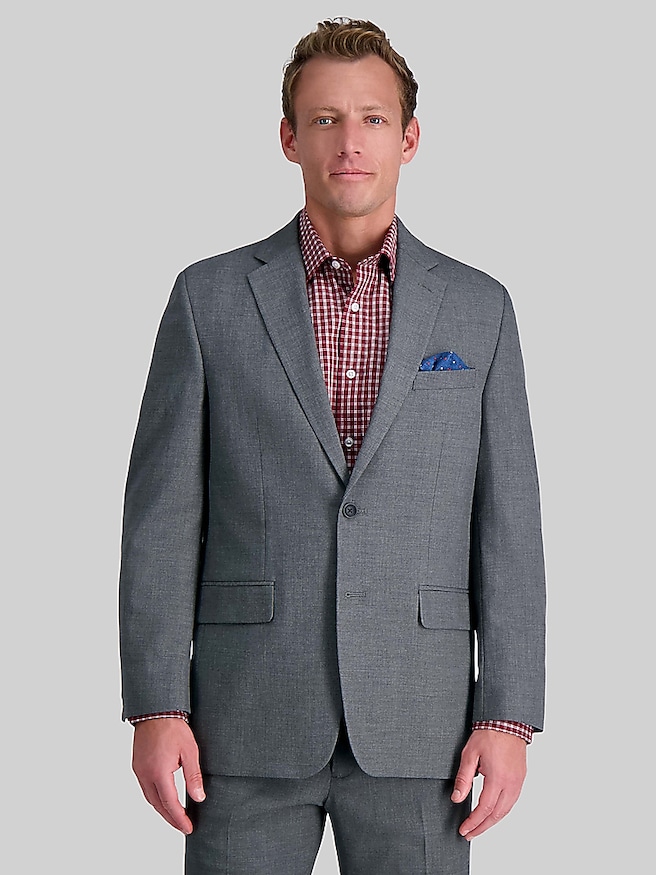
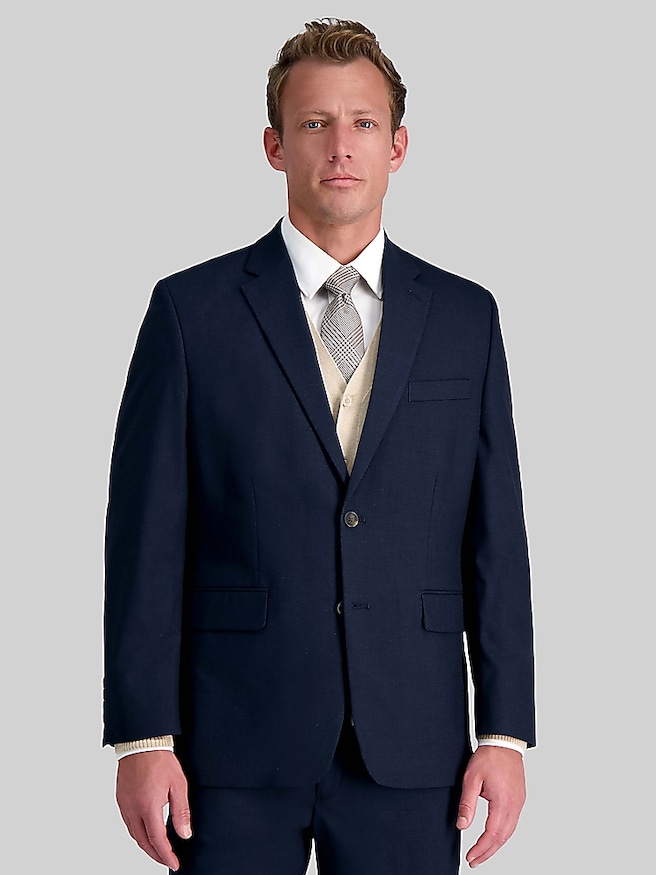
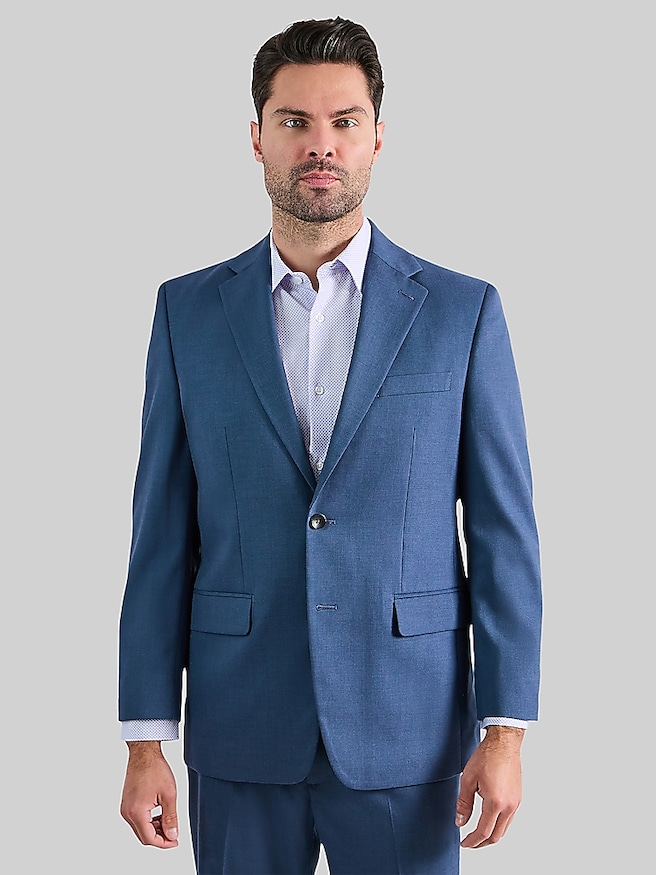
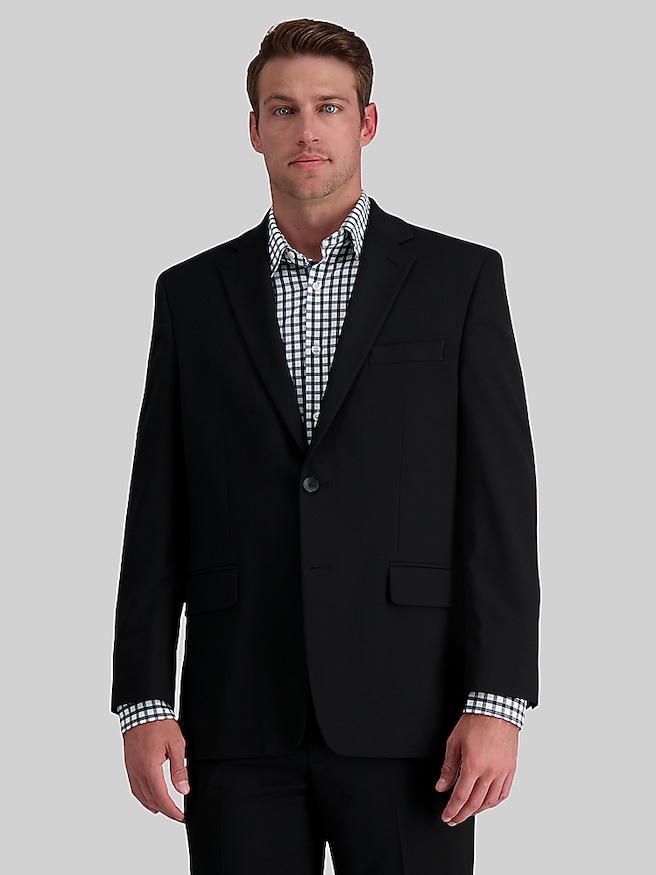
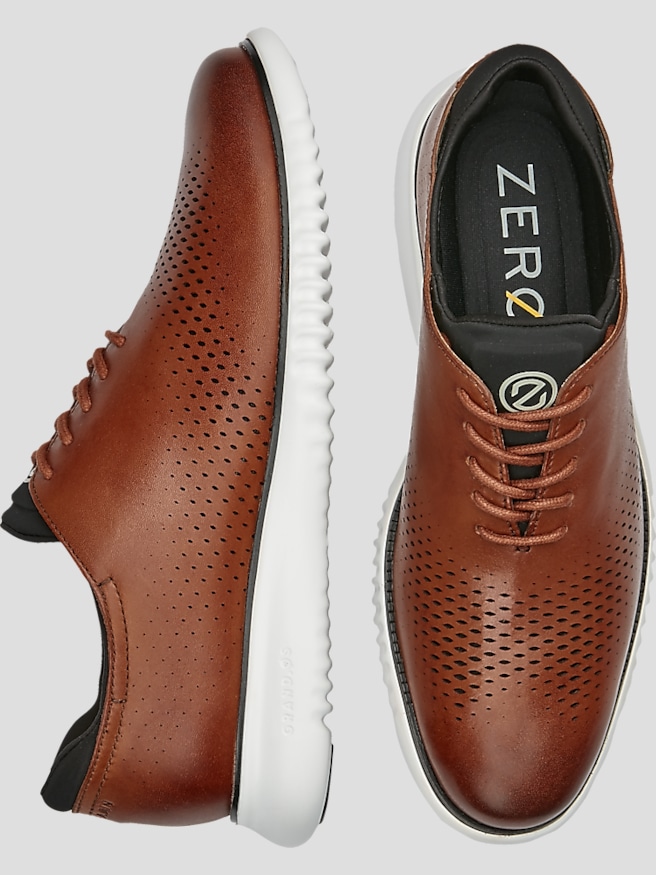
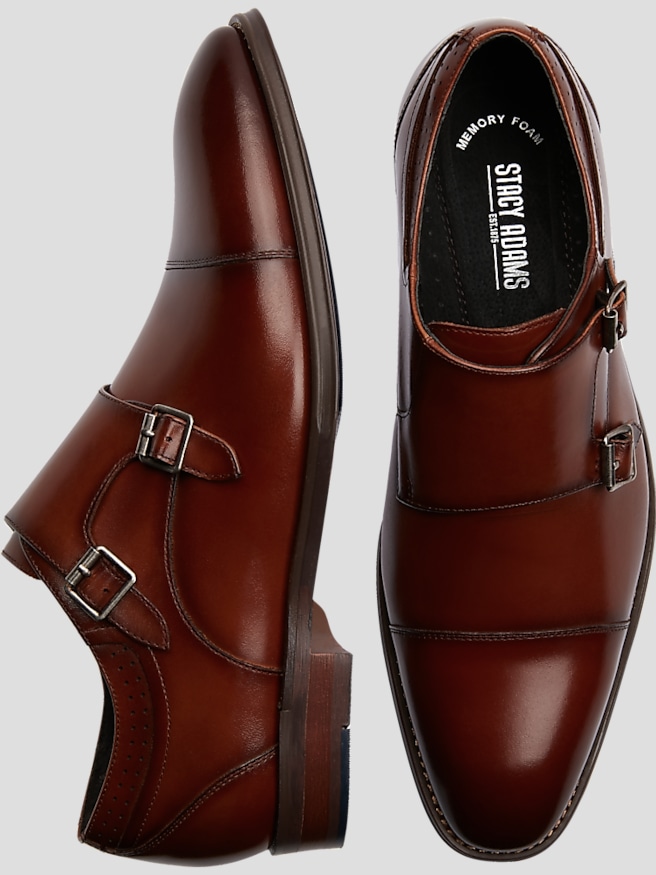
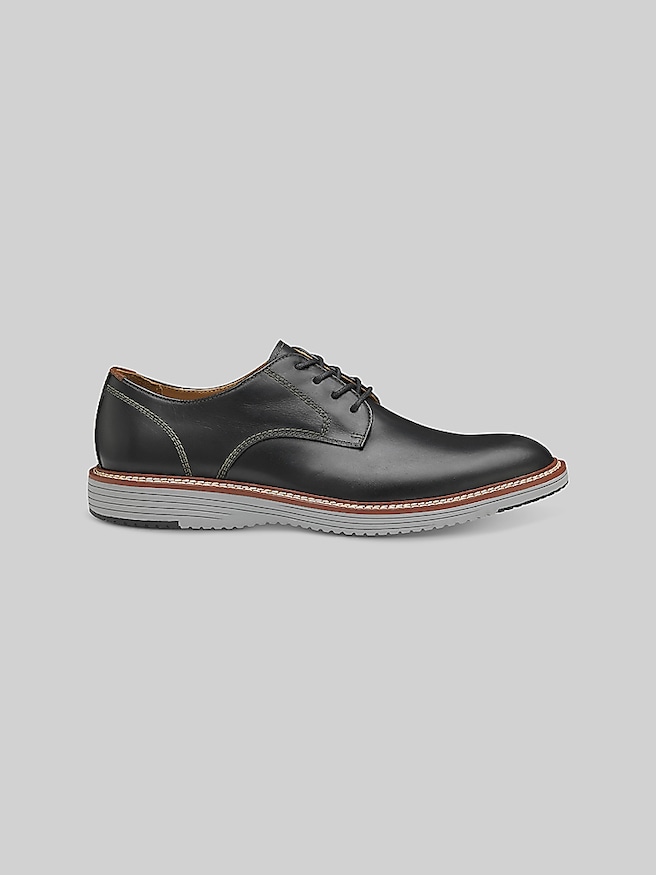
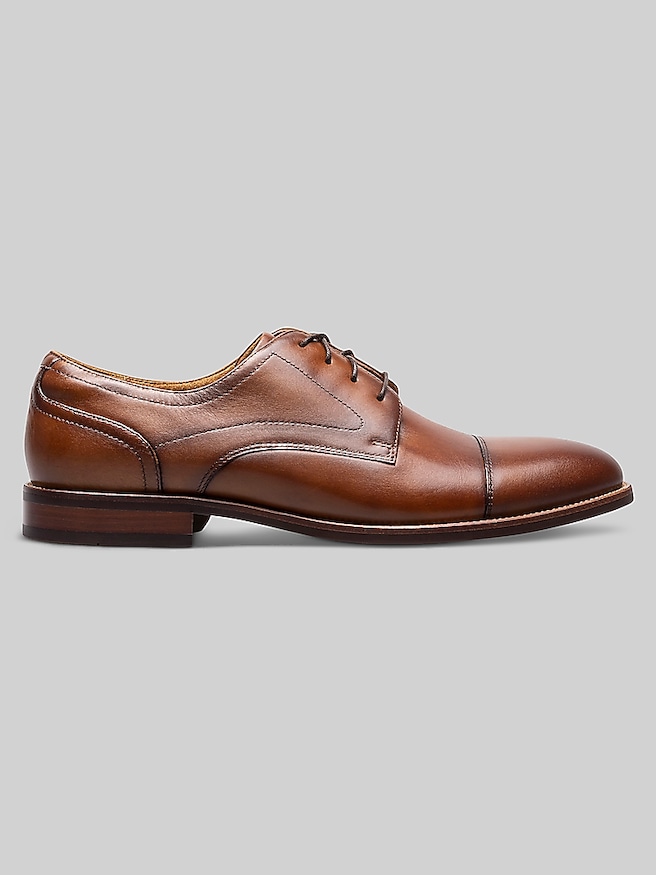
Men’s formal shoes and outfits work best when the footwear, tailoring, and accessories share the same level of polish. A black leather cap-toe oxford with a navy or charcoal suit is a classic combination for business-formal settings, wedding ceremonies, and occasions that call for a composed appearance. The oxford’s closed lacing creates a neat profile beneath tailored trousers, while a smooth upper keeps the focus on the outfit rather than the shoe. Black shoes are also a natural match for black suits and dark charcoal tailoring. Dark brown dress shoes bring a softer contrast to navy and medium gray suits, particularly for daytime celebrations or professional settings where the dress code allows some flexibility. For traditional black tie, a black tuxedo pairs most naturally with black patent leather shoes or highly polished, minimally detailed black dress shoes. Patent leather echoes the sheen of satin lapels without introducing another color. Broguing, bold buckles, chunky soles, and pronounced textures make footwear more visually prominent and usually move the overall impression away from strict formality. A restrained derby can complement everyday business tailoring, although its open lacing gives it a slightly less formal character than an oxford. The setting matters as much as the silhouette: an executive presentation, an awards dinner, and a wedding reception may all involve a suit, but each can call for a distinct balance of tradition and personality. A crisp shirt, a tie with a subtle pattern, and a pocket square that complements rather than duplicates the tie can give the same suit a new expression. Belts generally look most cohesive when their leather color and finish are close to those of the shoes. Dress socks that follow the trouser color create an uninterrupted line when seated or walking, and sufficient sock length keeps bare skin from showing beneath the hem. Together, these details give formal clothing a finished appearance without making every element compete for attention.
Materials and proportions shape how formal footwear looks, feels, and wears over time. Smooth leather has a refined surface that responds to conditioning and polishing, while full-grain leather retains its natural grain and can develop character with careful use. The quality of the leather, the construction, and regular maintenance all influence durability; a material label alone does not tell the whole story. Patent leather provides a glossy finish suited to ceremonial dressing, but it needs care appropriate to its coating rather than ordinary leather cream. Suede has a soft, matte texture that complements less formal tailoring, though it is generally not the first choice for a strict black-tie dress code. Inside the shoe, a comfortable lining, well-placed cushioning, and a shape that suits the foot can matter more during a long event than a dramatic toe or an elaborate upper. A wedding guest might spend the ceremony seated, the reception standing, and much of the evening on the dance floor. Footwear needs to accommodate that full experience without pinching across the forefoot or rubbing at the heel. A secure fit holds the heel comfortably, supports the instep without excessive pressure, and leaves room for the toes to move naturally. Leather can soften with wear, but shoes that feel painfully tight should not be expected to become the correct size. Trying dress shoes with the socks intended for the outfit gives a more useful sense of fit, especially when orthotics or thicker insoles are involved. Sole construction also affects the experience: leather soles have a traditional appearance, while discreet rubber soles can offer useful traction, depending on their tread and the walking surface. Some stitched constructions allow resoling, although repair options depend on the individual shoe. Above the footwear, trousers should fall cleanly without bunching over the vamp. A slight break offers a familiar tailored finish, while a shorter, clean hem places more emphasis on the shoe. The most balanced result comes from considering trouser width and shoe shape together rather than treating either as an isolated choice.
A coordinated formal outfit also depends on how the clothing performs through hours of sitting, walking, and conversation. Wool suiting is valued for its drape, breathability, and ability to recover from modest creasing; blends can change the fabric’s texture, weight, and care requirements. A jacket should sit cleanly across the shoulders, close without pronounced pulling, and allow comfortable movement through the arms. Trousers need enough room through the seat and thighs to remain comfortable at a dinner table, with a waistband that stays in place without relying on a tightly cinched belt. Cotton dress shirts offer a familiar, breathable foundation, while collar shape and sleeve length help connect the suit to its finishing details. A small amount of shirt cuff visible beyond the jacket sleeve adds definition, and a collar that sits comfortably beneath the lapels helps a tie lie neatly. These proportions are particularly useful for graduation ceremonies, interviews, milestone celebrations, and other occasions when photographs capture the whole outfit. Formal shoes can also be a thoughtful gift for someone building a professional wardrobe or preparing for a major celebration, provided the recipient’s size, width, and style preferences are known. Keeping footwear and tailoring in good condition protects that usefulness beyond a single event. Smooth leather benefits from gentle cleaning, suitable conditioner used as directed, and polish matched to its finish; testing care products on an inconspicuous area helps avoid unwanted changes in color. Cedar shoe trees help maintain shape and absorb residual moisture after wear, and allowing shoes to rest between outings gives the interiors time to dry. A shoehorn protects the heel counter from being crushed during dressing. Suits benefit from supportive hangers, light brushing, and cleaning according to the care label rather than unnecessary repeated treatment. Shirts, socks, and accessories need their own care routines so that worn collars or scuffed belt edges do not distract from otherwise polished tailoring. For occasion-specific browsing, Mens Winter Formal Shoes provides a related footwear category. Across formal settings, consistent care, comfortable fit, and coordinated proportions make a stronger impression than elaborate styling alone.