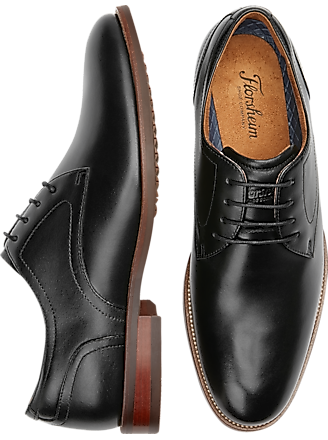
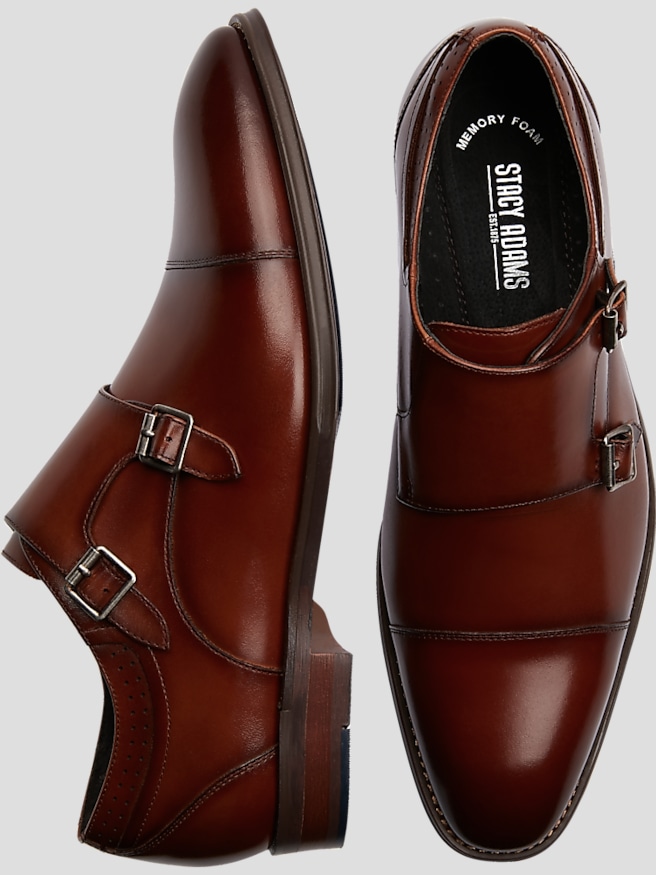
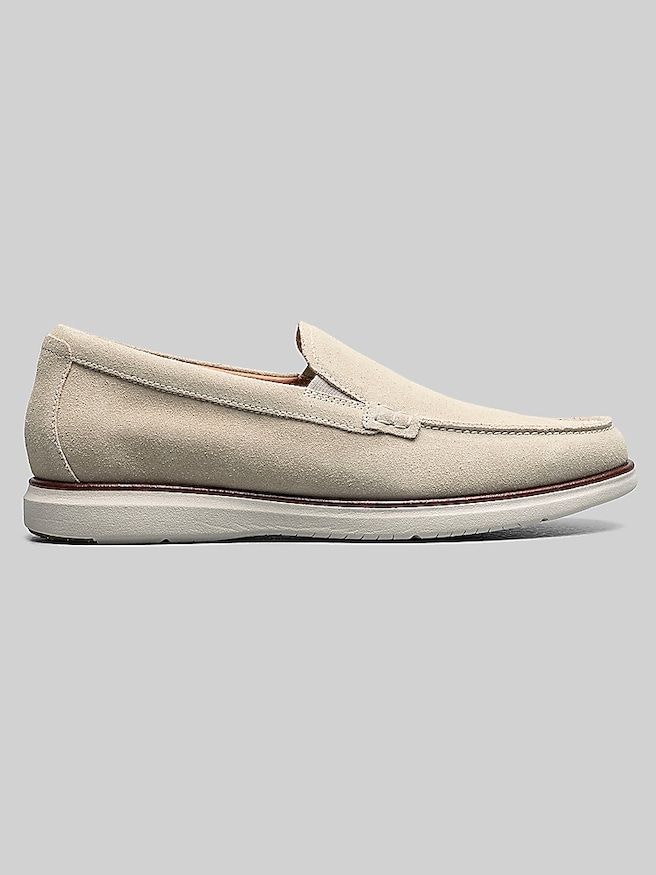
Men’s dress shoes give a tailored outfit its foundation, bringing together the line of the trousers, the finish of the belt, and the overall level of formality. A clean leather silhouette can look equally at home beneath a business suit or with a sport coat and neatly pressed chinos, while details such as decorative perforations, visible stitching, and the shape of the toe give each style its own character. An Oxford’s closed lacing creates a streamlined appearance that works especially well with traditional tailoring. Open-laced designs have a slightly more relaxed look, and loafers offer an easy alternative when the occasion calls for polish without the structure of a lace-up shoe. The choice often comes down to the setting: a presentation in a conference room, a wedding reception, a graduation ceremony, or an evening at a favorite restaurant. Black footwear provides a crisp complement to charcoal and dark suits, while brown tones can add depth to navy, gray, and earth-toned clothing. Matching the belt and shoes within the same color family usually looks more considered than trying to duplicate every shade exactly. Texture matters, too. Smooth leather brings a refined finish, while suede introduces a softer visual contrast that pairs naturally with textured trousers and less formal jackets. Toe shape and overall proportion help determine how the shoe looks beneath a trouser hem; a balanced silhouette should complement the clothing rather than dominate it. For dressier occasions, understated detailing keeps the focus on the complete outfit. More pronounced stitching or perforations can bring personality to everyday business attire. The Florsheim Imperial collection is another place to explore classic dress-shoe styling. Whether footwear is chosen for a regular office rotation or an important occasion, the most useful pair is one whose level of formality suits the wearer’s actual routine. A shoe that looks sharp with several familiar outfits is often easier to make part of everyday dressing than one selected for a single photograph.
Materials and construction influence how footwear feels throughout the day, how it responds to repeated wear, and how much attention it needs between outings. Leather uppers can develop subtle creasing and character with use, while their appearance depends on the type of leather, its finish, and the care it receives. Suede has a distinctive nap that benefits from brushing rather than the polishing used on smooth leather. Linings, footbeds, and sole materials also deserve consideration, especially for someone whose day includes a commute, several hours at a desk, and stretches of standing. Cushioning can soften the feeling underfoot, but it does not replace a proper fit. A shoe should hold the heel securely without pinching, leave room for the toes to move naturally, and feel supportive across the middle of the foot. Width is just as important as length: pressure along the sides or across the instep can make an otherwise appealing shape uncomfortable. Different toe profiles and interior shapes may fit differently even when the marked size is the same. Trying footwear with the socks intended for regular use gives a more realistic sense of fit, and walking in both shoes reveals pressure points that may not be obvious while seated. Feet can become slightly fuller over the course of a day, so a fit that allows comfortable movement matters more than a tightly sculpted appearance. Leather may soften with wear, but a shoe that is too short or painfully narrow should not be expected to become the right size. Sole design contributes to the experience as well. Rubber can provide flexibility and grip, while leather soles have a traditional appearance and a distinct feel underfoot. Comfort and traction depend on the complete construction, not a single material. For an occasion involving long periods of standing, room through the forefoot and a stable heel can be particularly valuable. For daily business wear, ease of movement and a comfortable fit help footwear remain useful well beyond the first impression.
Durability depends on both how shoes are made and how they are treated after each wear. Repeatedly wearing the same pair without a break can leave moisture inside and encourage wear before the materials have had time to dry naturally. Alternating between pairs gives the interiors time to air out, while properly sized shoe trees help support the shape and reduce deep creasing. A shoehorn protects the heel structure when putting shoes on, particularly with snug-fitting loafers or lace-up designs that should be loosened before entry. Smooth leather generally benefits from removing surface dirt with a soft cloth, followed by care products appropriate to its finish. Conditioner can help maintain suppleness, and a suitable cream or polish can refresh the appearance; testing any treatment on an inconspicuous area is sensible when the finish is unfamiliar. Suede requires a different approach, with a dedicated brush and products intended for its texture. Direct heat can damage leather, so damp footwear should dry naturally away from heaters. Keeping shoes in a clean, ventilated space also helps preserve their finish and shape. Attention to worn heel edges, damaged stitching, and thinning soles can make it easier to address small issues before they affect comfort. Some constructions allow professional repair or resoling, though that possibility should be confirmed for the particular pair rather than assumed. These practical details matter when choosing footwear as a gift for a graduate, a partner, a parent, or someone stepping into a new professional role. A familiar size, preferred width, and an understanding of the recipient’s wardrobe make the choice more personal than selecting by appearance alone. Someone who wears navy suits most days may appreciate a different color or silhouette than someone who usually dresses in chinos and a knit shirt. For the wearer, the lasting appeal comes from that same connection between appearance and routine: shoes that complement established clothing, feel comfortable through ordinary movement, and respond well to consistent care become a dependable finishing touch.