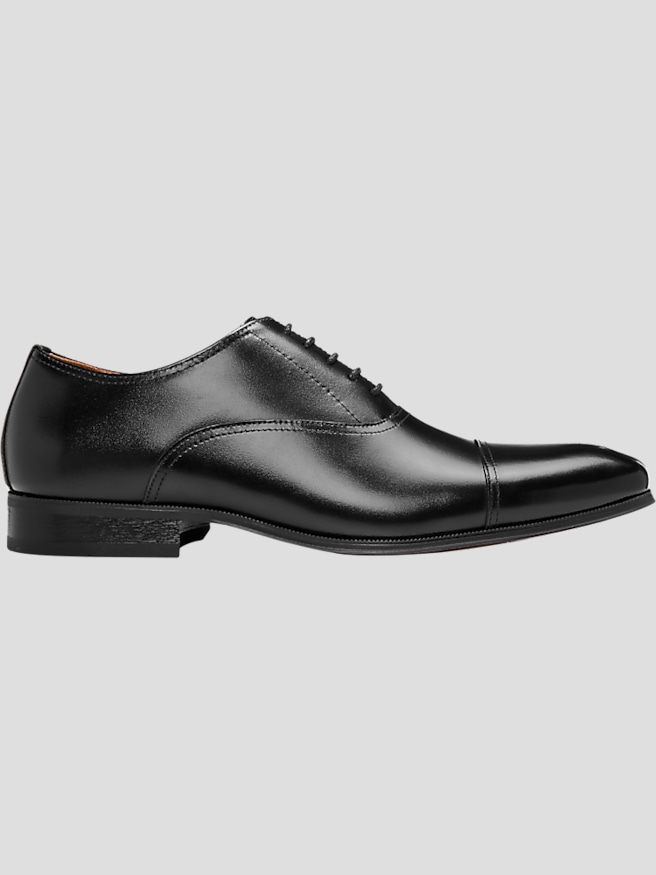
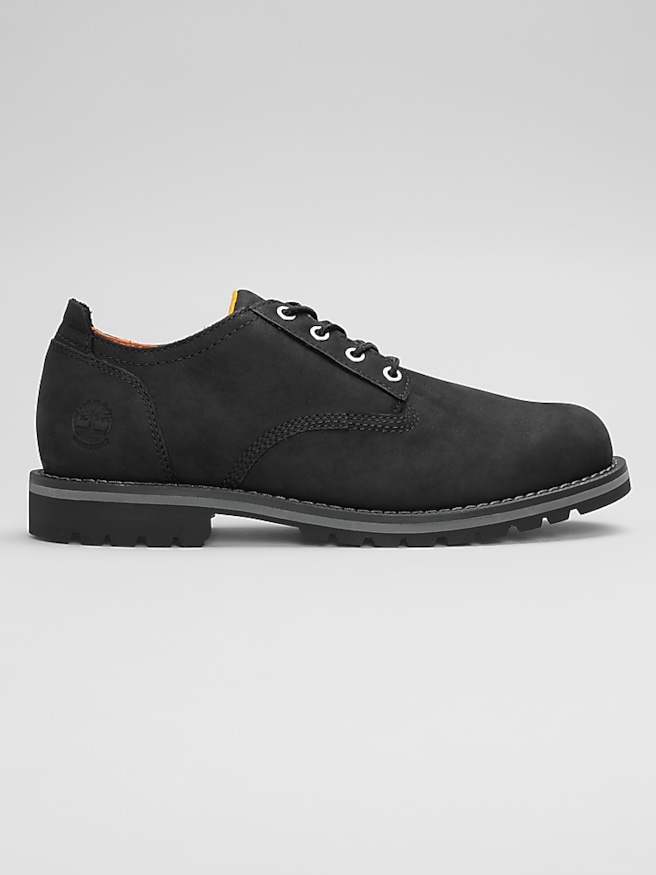
Men’s dress shoes bring structure to an outfit, grounding a tailored suit, sharpening a pair of dress pants, or giving a sport coat and chinos a more finished look. Their appeal comes from the balance of shape, texture, and proportion: a clean toe, a well-defined heel, and an upper that looks refined without competing with the clothing above it. An Oxford’s closed lacing creates a compact profile that works especially well with business suits and formal tailoring, while a derby’s open lacing offers a slightly more relaxed appearance and can accommodate a higher instep more comfortably. Loafers provide another approach, with a slip-on shape that pairs naturally with tailored trousers and less structured jackets. Plain toes keep the lines simple, cap toes add a crisp seam across the front, and wingtip detailing introduces decorative character. Perforations and other brogue details generally make a shoe look less formal, although the overall silhouette, color, and finish matter just as much. Black dress shoes are a dependable match for charcoal tailoring and occasions with a more formal dress code. Brown shades can add depth to navy, gray, and earth-toned outfits, with darker finishes tending to look dressier than lighter ones. Smooth leather creates a clean visual connection with fine suit fabrics, while suede brings a softer texture that suits relaxed tailoring. Trouser length also affects the finished impression. A hem that rests lightly over the shoe allows its shape to remain visible, whereas excess fabric can obscure the toe and make an otherwise sharp outfit look less deliberate. A belt in a similar color and level of polish helps tie the outfit together without requiring an exact match. For an interview, a client presentation, a wedding, or an evening celebration, the most useful dress shoe is one that supports the occasion while still feeling like a natural part of the wearer’s wardrobe. The traditional dress-footwear styling associated with Florsheim Imperial also belongs in that conversation, particularly when considering how a polished shoe complements tailored clothing.
Materials and construction influence how dress shoes look, feel, and hold up through repeated wear. Smooth leather uppers can develop subtle creasing and character over time, and their appearance depends partly on the finish applied to the surface. A more natural-looking leather may show variation in tone or grain, while a heavily finished surface can appear more uniform. Suede has a distinct nap that catches the light differently and needs care suited to that texture rather than ordinary shoe polish. Inside the shoe, lining materials, footbed shape, and cushioning can affect comfort just as noticeably as the upper. Leather linings may help manage moisture, while padded footbeds can soften contact under the heel and forefoot; neither replaces a properly fitted shoe. Outsoles contribute another set of trade-offs. Leather soles offer a traditional appearance, while rubber soles can provide flexibility and grip, depending on their composition and tread. The right choice often reflects the wearer’s routine, whether that means walking several blocks to an office, standing through a reception, or moving between meetings throughout the day. Fit deserves particular attention because dress shoes can feel different from athletic footwear, even when the marked size is the same. Length, width, toe shape, and instep volume all affect how securely the foot sits inside. The toes should have room without sliding forward, the widest part of the foot should align comfortably with the shoe’s forefoot, and the heel should feel supported rather than pinched. A small amount of movement may occur in some designs, but persistent rubbing or substantial slipping can signal a poor match. Trying shoes with the dress socks intended for everyday wear gives a more useful impression than testing them with thick athletic socks. Walking on a clean indoor surface can reveal pressure across the instep or crowding at the toes. Leather may soften with wear, but a break-in period should not be expected to correct inadequate length or a painfully narrow fit.
Good care helps preserve both the appearance and the usefulness of dress shoes, especially for a pair worn regularly with office clothing or reserved for important occasions. Dust and surface grit are best removed before they work into seams or dull the finish. For smooth leather, a soft cloth or appropriate brush provides a simple starting point, followed by a compatible conditioner when the leather needs it. Cream polish can help refresh color, while wax polish can add shine; the right treatment depends on the leather’s finish, and testing an inconspicuous area helps avoid unwanted changes. Suede calls for a suede brush and suitable cleaning products rather than the same creams used on smooth leather. Cedar shoe trees can help support the shoe’s shape and absorb some moisture between wears. Allowing a worn pair to dry naturally before wearing it again gives the interior time to recover, and storage away from direct heat helps prevent damage to leather and adhesives. Regular attention to heels and outsoles can also make a difference. Uneven heel wear may affect how a shoe feels underfoot, while a worn sole can compromise comfort and traction. A qualified shoe-repair professional can assess whether repairs are practical for the particular construction; not every dress shoe is built to be resoled. These details matter for someone building a work wardrobe, attending formal events, or simply wanting a dependable finishing touch for tailored outfits. Dress shoes can also make a thoughtful gift for a graduate entering a professional role, a partner preparing for a milestone celebration, or a family member who appreciates classic clothing. Knowing the recipient’s usual size, width, preferred fastening style, and everyday dress habits makes the choice more personal. Someone who spends long stretches on their feet may value cushioning and a supportive fit, while someone who wears suits only occasionally may prefer a versatile shape and color. The strongest choice is not necessarily the most elaborate one, but a well-fitting shoe whose materials, proportions, and finish suit the way it will actually be worn.