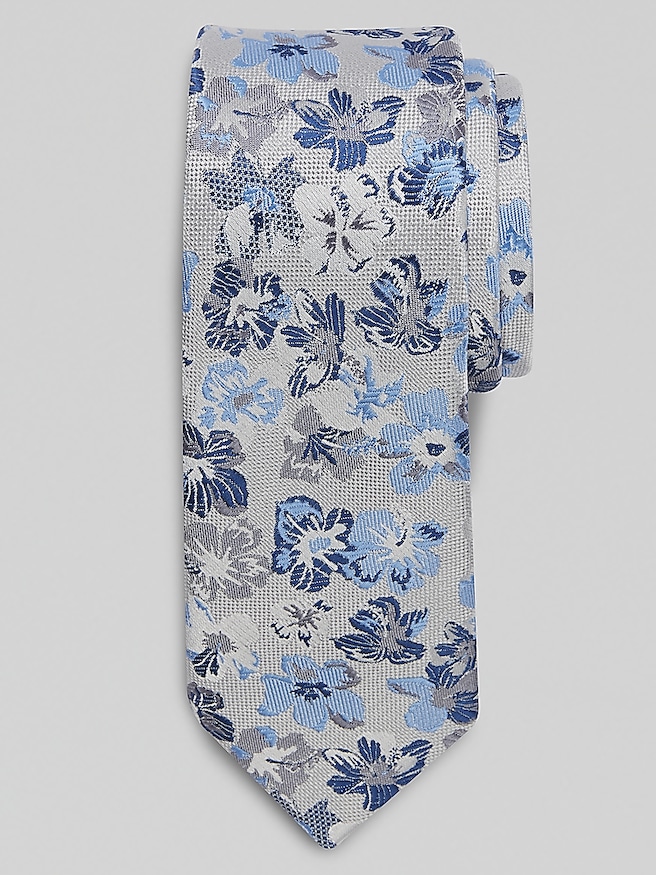
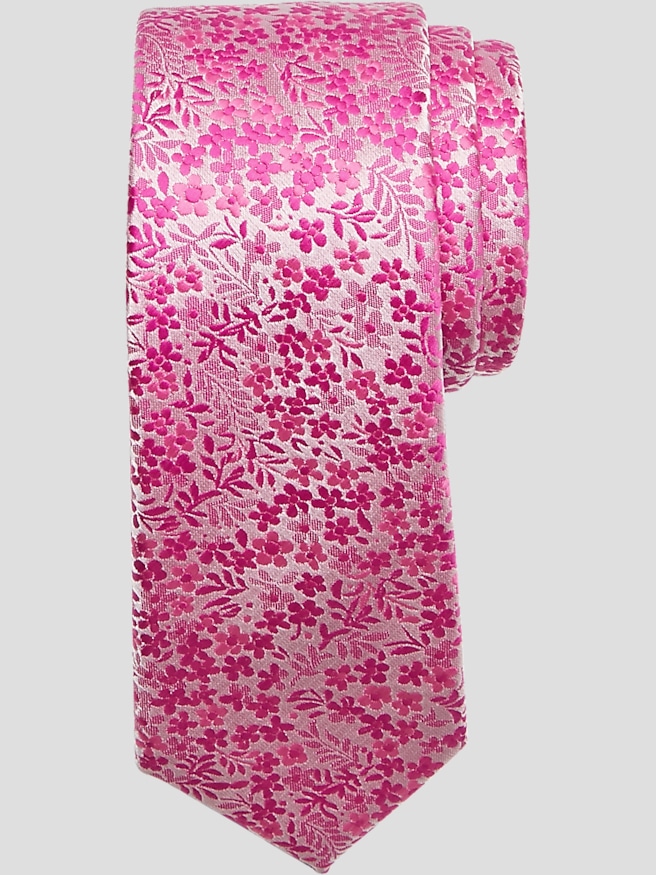
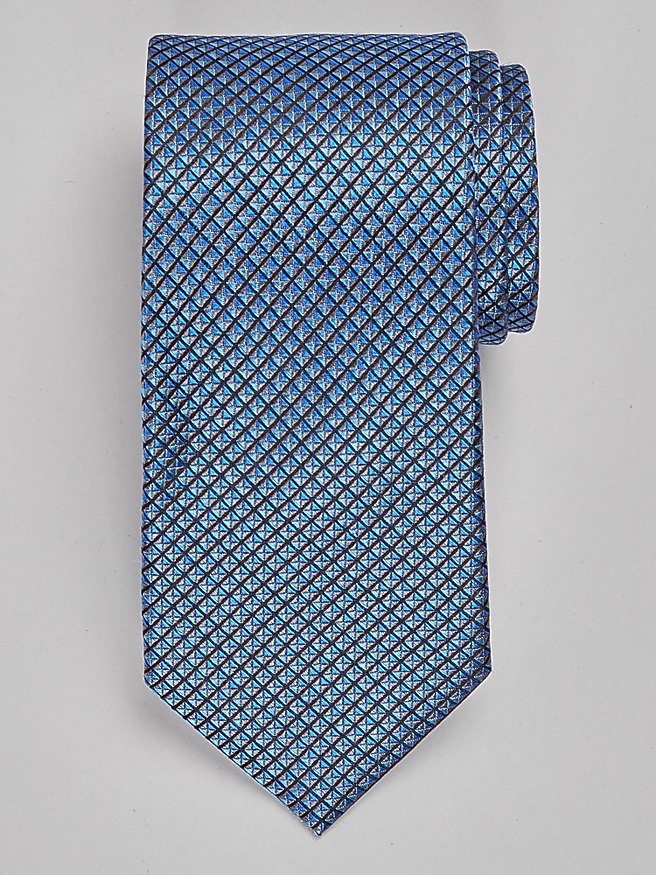
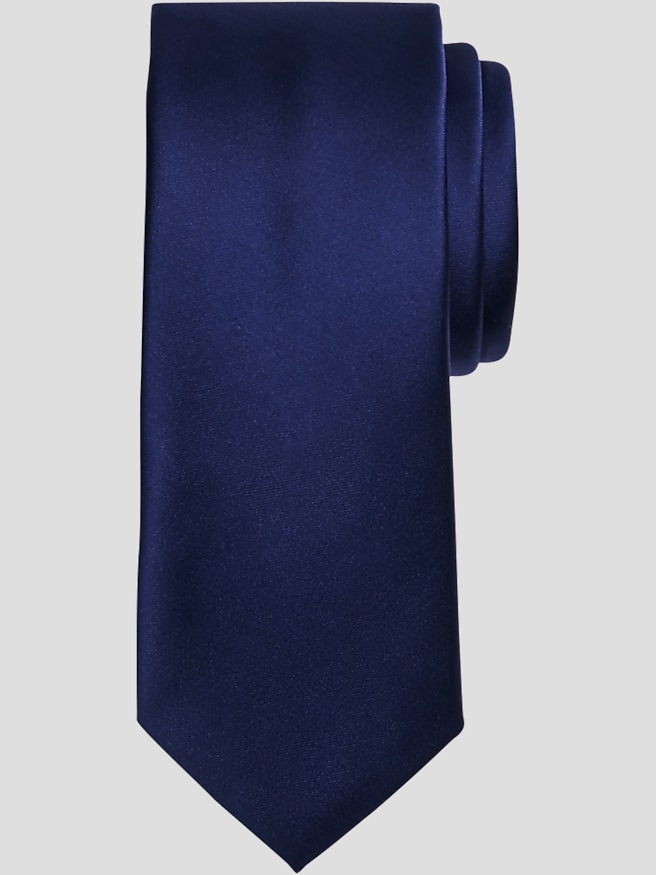
Men’s spring ties bring a lighter, more relaxed sense of color and texture to everyday tailoring. They are especially useful when the wardrobe begins to move away from heavy wool and deep winter shades toward breathable fabrics, brighter shirts, and softly structured jackets. Linen and linen-silk blends offer a dry, lightly rumpled texture that feels at home with tan, stone, light gray, and navy tailoring, while cotton and seersucker bring a crisp, casual character to warm-weather outfits. Lightweight woven silk provides a gentle sheen and smooth drape without the visual weight of a traditional formal tie. Together, these fabrics create plenty of room for personal style, whether the goal is polished office dressing, a relaxed ceremony look, or an easy combination for an outdoor gathering. Color is another defining feature of men’s spring ties. Baby blue, mint green, soft pink, pale yellow, and other pastel shades can brighten a white or pale blue dress shirt, while dusty blue, muted sage, faded rose, and sandy neutrals offer a more understated approach. A spring tie does not have to be loud to feel seasonal; a softened color or subtle woven texture can make a charcoal suit feel fresh while still maintaining a professional appearance. For a more expressive outfit, botanical motifs and floral patterns add energy without requiring a complete change of wardrobe. Small-scale florals tend to look refined in the office, while larger or more painterly designs can suit celebrations and less formal settings. Stripes, including classic regimental arrangements, remain versatile when their colors complement rather than compete with the rest of the outfit. A simple way to judge the balance is to pair a patterned tie with a solid shirt, then allow the jacket to provide a quiet foundation.
Choosing the right men’s spring tie often begins with the occasion, followed by the clothing already hanging in the closet. For business attire, a restrained stripe, small geometric pattern, or finely textured solid can add distinction to a navy or gray suit while keeping the overall impression composed. For weddings, garden celebrations, graduation ceremonies, and other daytime events, lighter colors and botanical details can echo the brightness of the setting without appearing costume-like. A pale blue tie with a white shirt and medium-gray suit creates a clean, dependable combination; a soft pink or muted lavender tie can add warmth to navy; and a sage or dusty yellow accent works particularly well with tan or light brown tailoring. When wearing a patterned shirt, look for a tie that repeats one of the shirt’s colors rather than introducing several unrelated shades. Scale matters, too. A narrow stripe or delicate pattern works neatly with a fine-spread collar, while a fuller knot and broader pattern can hold its own beneath a spread collar or a more substantial jacket. Fabric should also reflect the formality of the clothes. Textured linen and cotton are natural companions for unstructured sport coats, chambray shirts, and loafers, whereas lightweight silk slips more comfortably into a traditional suit-and-dress-shoe combination. In a dressing room, this is often the moment when an outfit comes together: a suit that seemed familiar takes on a new character when a softly colored tie is placed against the shirt, and the right pattern can draw attention toward the face without overpowering it. Pay attention to proportion as well. A tie should generally reach the top of the belt or waistband, and its width should feel compatible with the jacket lapels and the wearer’s frame. These small details help a spring-focused accessory remain polished through changing weather and shifting dress codes.
Men’s spring ties also make thoughtful gifts because they are practical, personal, and easier to select than a full outfit. They can suit a recent graduate building a professional wardrobe, a partner preparing for wedding events, a father who enjoys updating familiar tailoring, or a colleague who appreciates useful accessories with a little color. When choosing one as a gift, consider the recipient’s everyday palette. Someone who wears navy, charcoal, and white may enjoy a brighter pastel or a quiet floral accent, while a dresser who favors earth tones may prefer olive, rust, cream, or muted blue. A versatile tie should work with at least two or three shirts and jackets already in rotation, giving the recipient more opportunities to wear it rather than reserving it for one event. Storage and care are worth considering as well. Loosely roll a tie after wearing it to help release creases, then allow it to rest before storing it flat or hanging it in a way that does not strain the fabric. Linen and cotton may have a naturally textured appearance, so light wrinkles can be part of their appeal, while silk generally benefits from gentler handling and careful attention to spills. For occasions that fall between seasons, a spring tie can be balanced with richer tailoring, a textured blazer, or a deeper shirt color, allowing its lighter pattern to remain appropriate during cooler months. Those looking for deeper tones and more autumnal texture can also explore Men's Fall Ties. Whether selected for a ceremony, a first office wardrobe, a meaningful gift, or everyday rotation, the best men’s spring ties add color, texture, and a sense of ease while preserving the dependable polish of well-chosen tailoring.