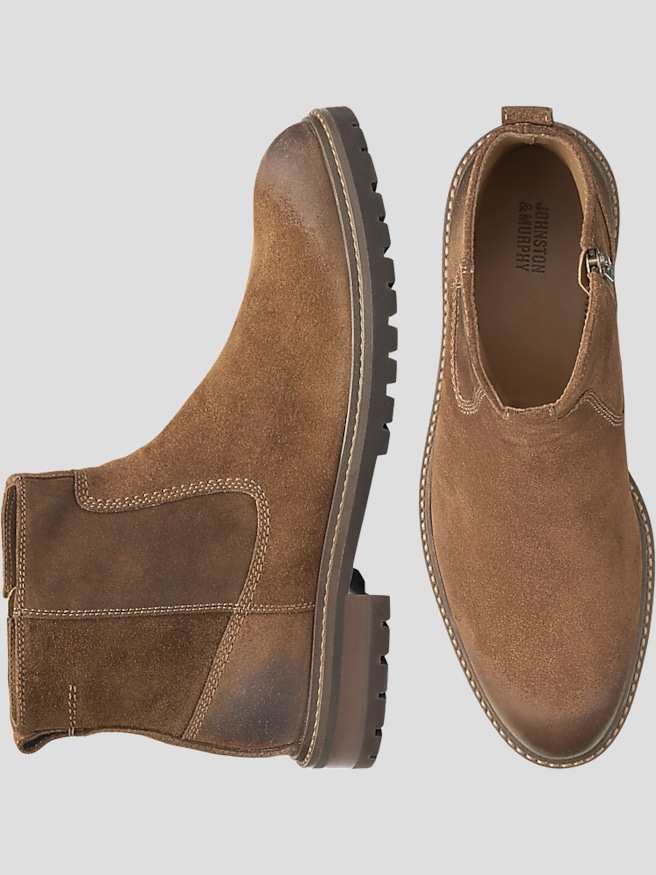
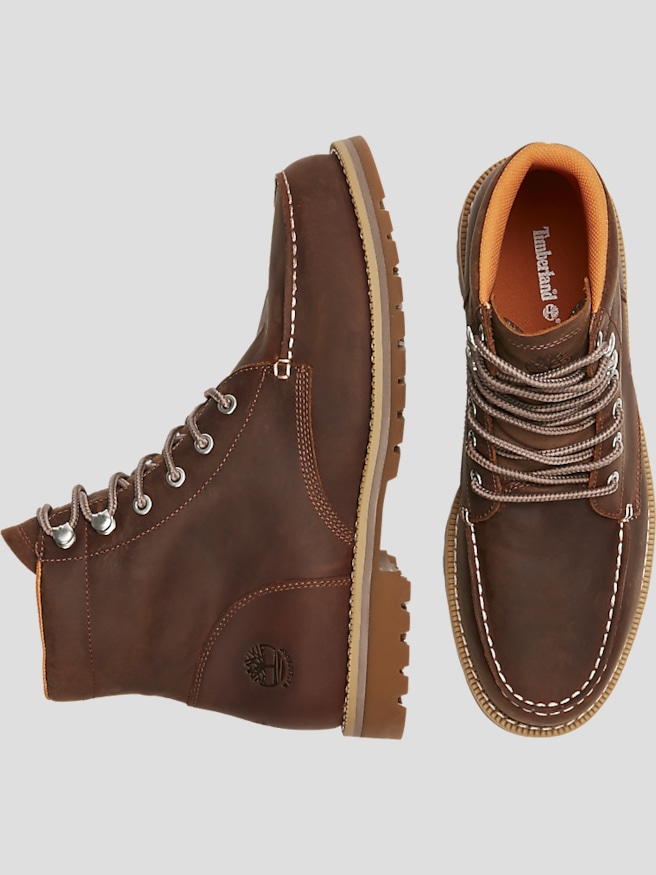
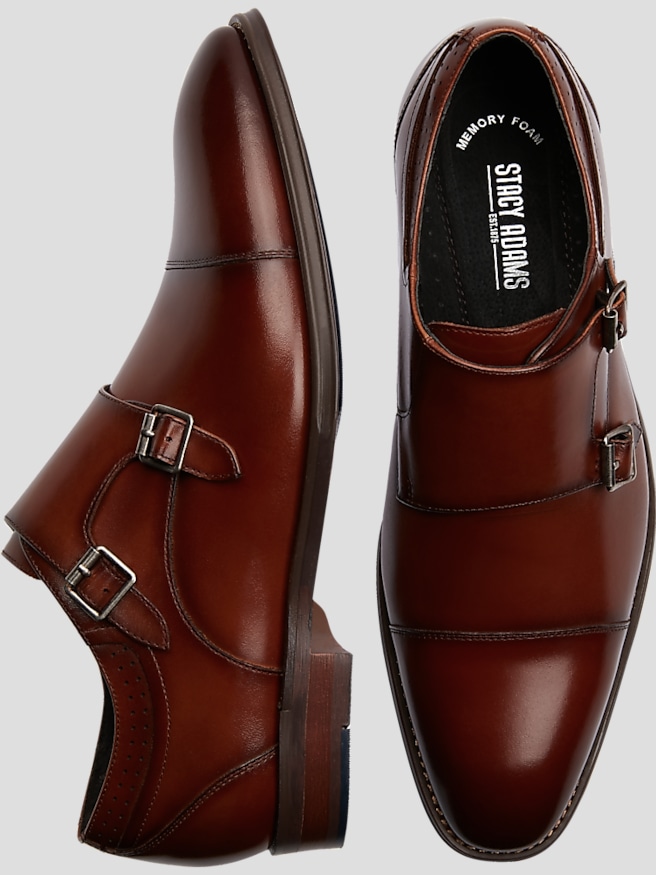
Men's dressy casual boots bridge the gap between polished dress shoes and rugged everyday footwear, bringing clean lines, ankle coverage, and a substantial sole to outfits that do not call for full formality. They work especially well with chinos, dark denim, and tailored trousers, making them a natural choice for business-casual offices, dinner reservations, and gatherings where sneakers feel too relaxed. The balance comes from the details: a streamlined toe, restrained stitching, and a low-profile sole usually create a dressier impression, while pronounced tread, heavier hardware, and a broad toe give a boot a more casual character. Men's dressy casual boots share the everyday versatility of Casual Men's Boots, with an emphasis on shapes and finishes that sit comfortably alongside tailored clothing. A smooth leather pair beneath charcoal trousers can look composed without feeling overly formal; suede with straight-leg jeans and an unstructured jacket has a softer, more relaxed effect. Black tends to create a crisp, understated finish, while brown shades work naturally with navy, gray, olive, and earth tones. The exact shade matters less than the overall balance of the outfit. Boots do not need to match a belt perfectly, but similar color depth and a compatible finish help the combination feel intentional. Trouser length also changes the result. A hem that rests lightly at the top of the boot keeps the line clean, whereas excess fabric gathering around the ankle can hide the shape and make the outfit look heavier. Slim and straight cuts generally sit neatly over a modest boot shaft, provided the opening has enough room to fall without catching. For a workplace presentation followed by an informal dinner, that combination offers a useful middle ground: refined enough to complement a collared shirt and jacket, yet relaxed enough that removing the jacket does not leave the footwear looking out of place. More formal dress codes still call for footwear suited to the occasion rather than assuming every boot belongs with every suit.
Materials and construction influence both the appearance and the everyday feel of dressy casual boots. Smooth leather offers a defined surface that can often be conditioned and polished, while suede has a textured finish that softens the contrast with denim, brushed cotton, and knitwear. Full-grain leather retains the hide's natural surface and can develop character with wear, although leather grade alone does not determine comfort or overall quality. Thickness, finishing, stitching, lining, and sole construction all contribute to how a boot performs. A leather lining can feel smooth against socks, while textile linings vary in texture and breathability. Underfoot, cushioning can make extended standing more comfortable, but a heavily padded footbed is not a substitute for a shape that fits properly. The heel should feel secure without sharp pressure, the widest part of the foot should align with the widest part of the boot, and the toes should have room rather than pressing against the front. A little initial firmness in leather is different from pinching, numbness, or persistent rubbing; those are not problems to dismiss as a necessary break-in period. Fit also depends on the closure. Laces allow adjustment across the instep, while pull-on designs rely more heavily on the relationship between the heel, instep, and ankle opening. Trying boots with the socks intended for regular wear gives a more useful sense of fit than relying on size alone. Sole design deserves equal attention. A discreet rubber outsole can offer flexibility and grip without making the boot look bulky, while a leather outsole creates a traditional profile but feels different underfoot. Surface texture, tread pattern, and sole condition all affect traction, so a sleek appearance should not be mistaken for dependable grip on every surface. For someone moving between a desk, meeting rooms, and a walk to dinner, a balanced combination of secure fit, manageable weight, and comfortable flex through the forefoot is often more useful than either an extremely rigid build or an oversized, heavily cushioned sole.
Lasting appeal comes from choosing a level of refinement that suits regular routines and giving the materials appropriate care. A boot worn several days a week to an office has a different role from one reserved for dinners and occasional celebrations, even when both have a similar silhouette. Regular use makes sturdy stitching, secure sole attachment, and an easily maintained finish especially valuable. Some stitched constructions allow resoling, but repair options depend on the complete build, not simply on visible stitching around the edge. Smooth leather generally benefits from removing surface dirt with a soft brush or cloth, then using a compatible conditioner as needed and an appropriate polish when a more finished appearance is desired. Too much product can leave buildup, so the material and care directions should determine the treatment. Suede needs a different approach: a dedicated suede brush helps lift the nap and loosen dry surface dirt, while products intended for polished leather can alter its texture. Any cleaner or protector is best tested on an inconspicuous area first. Letting boots rest between wears helps the lining dry naturally, and properly fitted shoe trees can support the shape without stretching the upper. Storage away from direct heat and prolonged sunlight helps protect both the material and its finish. These practical details also matter when dressy casual boots are chosen as a gift for a partner, family member, graduate, or someone beginning a new office role. A familiar color and a shape close to the recipient's usual footwear are often more useful than an unfamiliar statement style. Knowing the person's size, preferred fit, and typical trouser silhouettes helps make the gift relevant to daily life. The strongest choice is a pair that belongs naturally with the clothes already in rotation: polished enough for a client lunch, comfortable enough for an evening out, and understated enough to wear again without building an entire outfit around it.