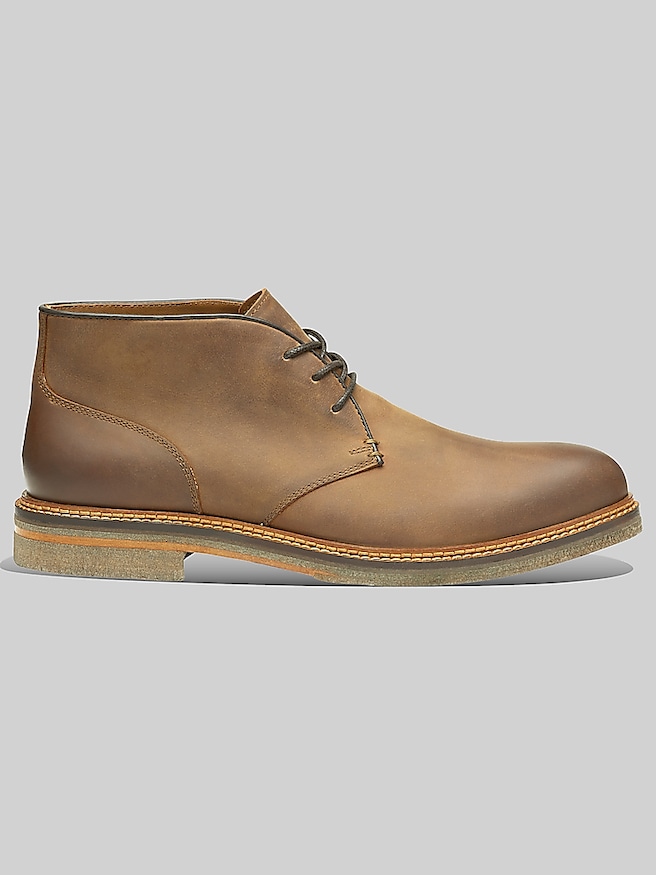
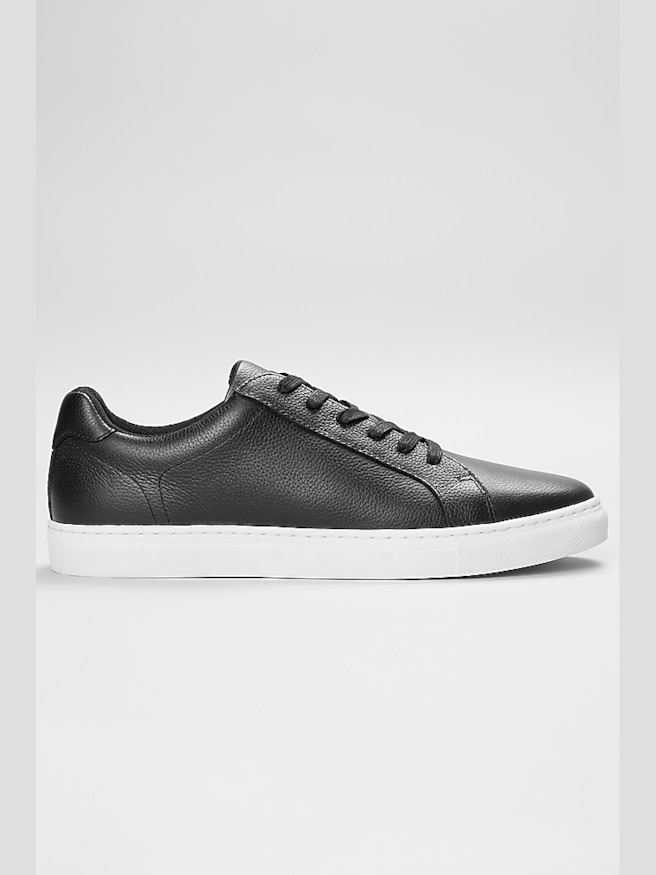
Casual men’s boots bring a grounded, finished look to everyday clothing without the formality of dress shoes. Their appeal lies in the balance between structure and ease: an ankle-height silhouette gives jeans a clean endpoint, while a substantial sole adds weight to an outfit built around chinos, a knit polo, or a simple button-down shirt. Smooth leather tends to look more polished, especially when the toe is streamlined and the stitching stays subtle. Suede has a softer, textured appearance that pairs naturally with denim, corduroy, and brushed cotton. Neither needs an elaborate outfit to work well. Straight-leg jeans, a tucked-in shirt, and a leather belt can feel complete with the right pair of boots. Style details make a noticeable difference, too. Chelsea silhouettes keep the upper uncluttered with elastic side panels, lace-up designs offer more adjustment across the foot, and chukka shapes provide a lower-profile option with fewer eyelets. A rounded toe generally reads as relaxed, while a slightly tapered shape can sit comfortably alongside tailored casual clothing. For shoppers drawn to the texture and character of leather, men’s leather casual boots offer a focused way to explore that material. Leather can soften and develop creases with wear, giving the surface character rather than keeping a perfectly uniform appearance. Suede’s nap creates depth as the fibers catch the light, though it calls for its own cleaning routine. Construction matters as much as the upper: flexible soles can make everyday movement feel easier, while firmer designs may provide a more substantial feel underfoot. Rubber outsoles often suit casual use, but tread pattern, compound, and the surface underfoot all affect traction. Linings, insoles, seams, and the shape of the heel also contribute to comfort. Taken together, these details help distinguish a boot suited to a relaxed office from one chosen mainly for neighborhood errands, restaurant outings, or time spent on your feet.
A good fit should feel secure without requiring your foot to tolerate constant pressure. The heel needs enough stability to avoid excessive movement, the widest part of the foot should align with the widest part of the boot, and the toes should have room without sliding forward at every step. Try boots with the socks you expect to wear most often, since a thicker sock can change the fit across the instep and around the ankle. Lace-up styles allow adjustments along the upper, which can be useful when one foot needs a little more room than the other. Pull-on styles depend more heavily on the relationship between the heel, instep, and opening; they should stay comfortably in place once on, even if getting through the opening takes a bit of effort. Leather may become more flexible with use, but break-in should not be treated as a solution for pinched toes or an overly narrow fit. Walking a few steps can reveal pressure near an ankle seam or stiffness at the point where the foot bends. Intended use deserves the same attention. A pair worn mostly between a desk and dinner may call for a sleeker profile, while frequent walking can make cushioning, sole flexibility, and overall weight more important. Casual boots are everyday footwear, not a substitute for task-specific safety shoes or technical hiking footwear. For styling, trouser length often makes more difference than extra accessories. A hem that rests neatly near the top of the boot keeps the line clean; excess fabric piled around the ankle can hide the shape entirely. Dark denim and smooth brown leather create an easy combination for a casual workplace, while black boots with charcoal chinos feel understated for an evening out. Suede works especially well with fabrics that have visible texture. Matching the general tone and level of formality of a belt is usually more useful than searching for an exact color match. The goal is an outfit that feels connected, with the boots supporting the clothing rather than competing with it.
Regular care helps casual boots retain their appearance and gives small signs of wear a chance to be addressed before they become larger problems. For smooth leather, remove loose dirt with a soft brush or cloth, then follow the maker’s recommendations for cleaning and conditioning. A conditioner suited to the leather can help maintain suppleness, but too much product may leave residue or alter the finish. Testing any treatment on an inconspicuous area is especially worthwhile when color and texture are part of the appeal. Suede needs a gentler, material-specific approach: a suede brush can lift the nap and loosen surface dirt, while a suitable eraser may help with small marks. Smooth-leather polish is not appropriate for suede. If boots become damp during cleaning, let them dry naturally away from direct heat rather than trying to speed the process with a heater or hair dryer. Giving footwear time between wears lets the interior air out, and shoe trees sized for the boots can help support their shape. Store them clean, with enough space that the uppers are not crushed against other footwear. Durability depends on construction, care, and how the boots are used; no single material or sole design guarantees the same lifespan for everyone. Checking the heels, tread, stitching, and connection between the upper and sole can reveal when attention is needed. Some constructions allow professional sole or heel replacement, though repair options should be confirmed before assuming a pair can be rebuilt. Casual boots can also make a thoughtful gift for someone who enjoys everyday clothing with a little structure. A familiar size is a useful starting point, but preferred width, toe shape, closure, and sock weight matter too. Taking cues from the recipient’s usual shoes and clothing helps narrow the choice. A person who favors dark denim and simple shirts may appreciate a clean silhouette, while someone drawn to textured fabrics may enjoy suede or visibly grained leather. Comfort and personal style make the gift meaningful long after its first wear.