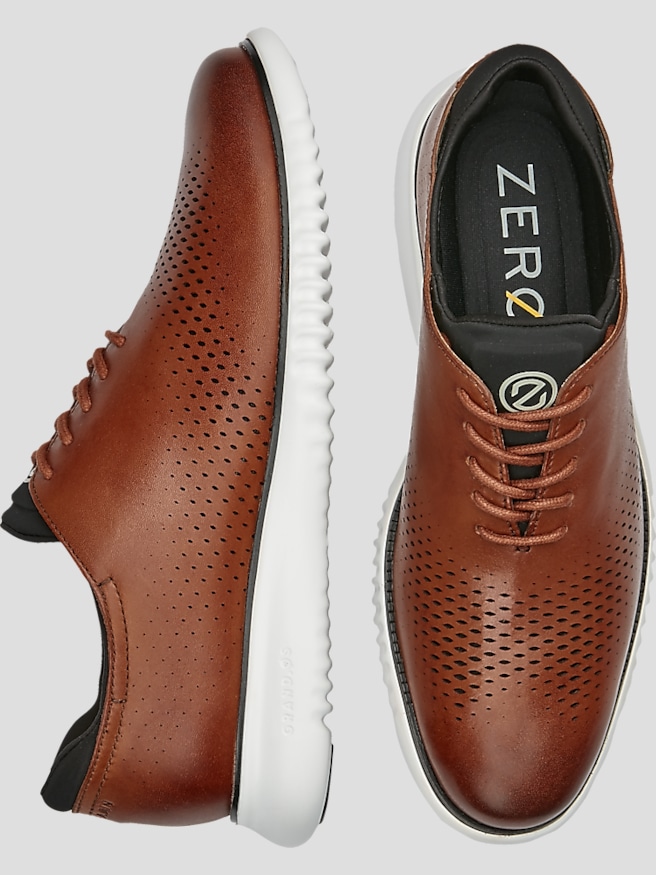
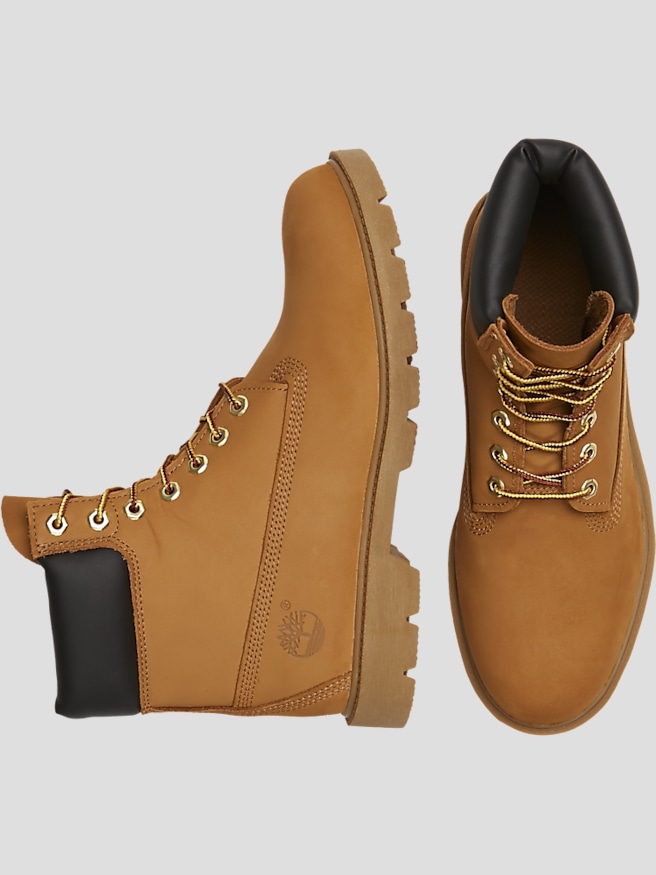
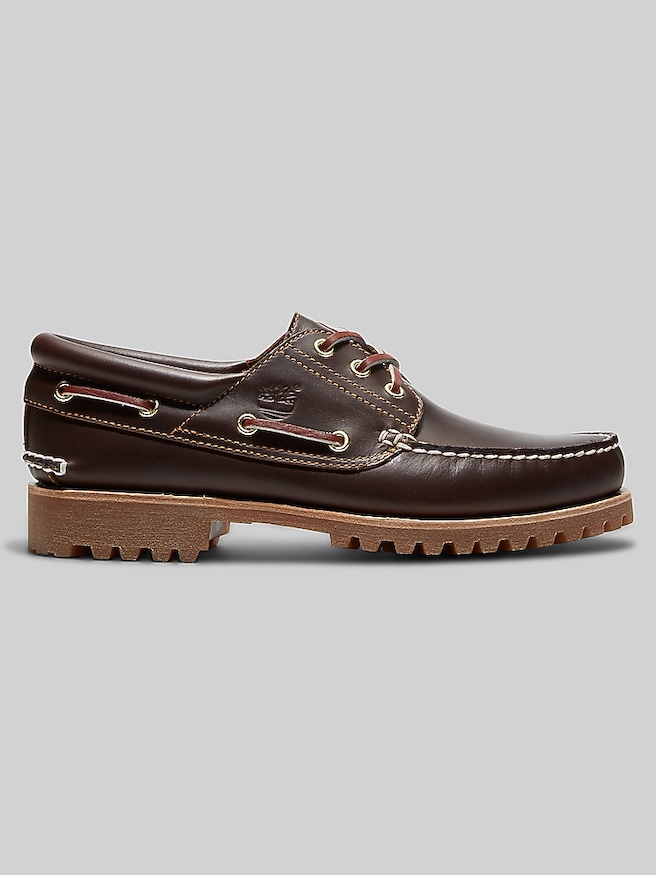
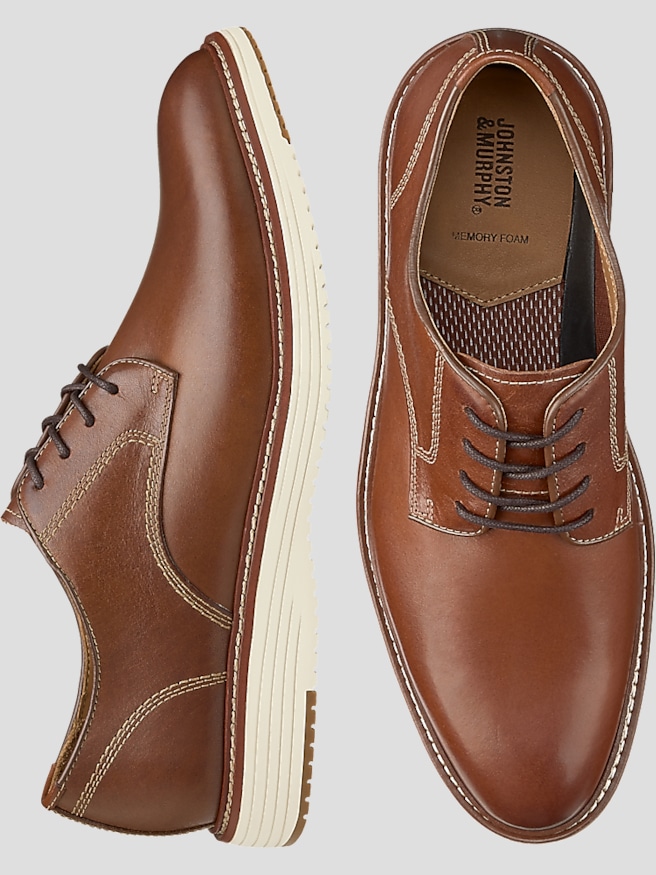
Men’s dress shoes with removable insoles combine a polished appearance with the flexibility to change the cushioning inside the shoe. A removable insole, also called a removable footbed, is designed to lift out so it can be replaced with a compatible insert or, when the shoe has enough interior space, a prescribed orthotic. That distinction matters for anyone who wants a dress shoe that accommodates an established support routine without looking out of place beside tailored trousers. The benefit is practical: the outside can remain clean-lined and professional while the interior allows some adjustment to individual fit and cushioning preferences. Removable footbeds can also make it easier to air out the inside of a shoe and replace worn cushioning without replacing the entire pair, provided the upper, outsole, and other structural components remain sound. This feature can be useful for office professionals, wedding guests, presenters, and anyone whose day includes both seated meetings and extended stretches on their feet. Picture the walk from a parking garage to a conference room, followed by a reception where there is little opportunity to sit; a secure fit and suitable cushioning matter throughout that schedule. The removable component alone, however, does not make a shoe orthopedic or guarantee that it will accept every orthotic. Interior depth, heel shape, toe room, and the dimensions of the replacement insert all influence compatibility. Some inserts need more space than the original footbed occupies, especially through the arch and heel. For shoppers comparing comfort features more broadly, men’s comfortable dress shoes provide related context, while a removable insole remains a distinct feature to confirm in the shoe’s description. Soft cushioning, arch contouring, and a footbed that can actually be removed are separate characteristics. Understanding that separation helps keep attention on shoes suited to the intended use, whether the goal is replaceable everyday cushioning or room for an orthotic already recommended by a foot-care professional.
The shape and construction of the shoe are just as important as what sits beneath the foot. Leather uppers offer a traditional dress appearance and can soften with wear, although a shoe should not require a painful break-in period to feel acceptable. Smooth leather lends itself to business attire and formal celebrations, while suede brings a softer texture that often works well with sport coats and less formal trousers. Synthetic uppers vary in flexibility and breathability, so the material description and lining deserve attention rather than assumptions based on appearance. Inside, smooth seams and a neatly finished lining can help limit rubbing, particularly around the heel and sides of the forefoot. Lace-up designs allow adjustment across the instep, which can be useful when a replacement insole changes how the foot sits. An open-lacing derby generally offers more flexibility at that opening, while a closed-lacing oxford has a more contained profile; either still needs the right underlying shape for the wearer’s foot. Loafers rely more heavily on the match between the shoe’s contours and the foot because there are no laces to fine-tune the hold. With any silhouette, the heel should feel secure, the toes should have room to move, and the widest part of the foot should align comfortably with the widest part of the shoe. A thicker insert can raise the heel too high against the back of the shoe or press the instep into the upper, even when the listed size seems correct. Trying shoes with the intended dress socks and orthotics gives a more useful impression than trying them with the original cushioning alone. Unless the insert’s instructions or a clinician specify otherwise, replacing the removable footbed rather than stacking another insert on top helps avoid crowding. Extra-depth construction or an appropriate width may address space needs more effectively than simply choosing a longer shoe, which can introduce heel slipping and misplaced flex points. A shoe that pinches before the day begins is unlikely to become a dependable companion through a full schedule.
For everyday wear, the outsole and overall build help determine how dress shoes feel beyond the fitting area. Rubber outsoles can provide cushioning and traction, though grip depends on the tread, material, and walking surface; no sole should be assumed slip-resistant without a stated rating. Leather outsoles deliver a traditional finish but can feel firmer underfoot, making the balance of sole construction and interior cushioning especially noticeable. Flexibility near the ball of the foot supports a natural step, while a stable heel and an upper that holds its shape help keep the foot positioned consistently. A removable insole cannot compensate for a worn-down heel, a separating sole, or an upper that no longer holds the foot securely. Durability comes from the whole shoe, along with care suited to its materials. Smooth leather generally benefits from gentle cleaning and an appropriate conditioner or polish, following the maker’s directions; suede needs a suitable brush and products intended for its nap. Removing loose footbeds after wear can help the shoe’s interior air out, but the inserts should only be washed or soaked if their care instructions permit it. Direct heat can damage leather, adhesives, and cushioning, so drying at room temperature is the safer approach. Shoe trees suited to the shoe’s size and shape can help preserve the upper between wears, and alternating pairs gives each one time to dry fully. Inspect removable insoles for flattened cushioning, curled edges, or tears that affect how evenly they sit inside the shoe. Replacement inserts should lie flat without buckling and should not shift during walking. These details matter whether the shoes accompany a navy suit at a job interview, charcoal trousers at the office, or a tailored outfit for a graduation ceremony. They also make fit especially important when dress shoes are chosen as a gift: the recipient’s width, preferred silhouette, and insert requirements are more useful than shoe size alone. The most suitable pair brings the dress code, the wearer’s support needs, and the realities of a full day into alignment without asking appearance to do the work of proper fit.